

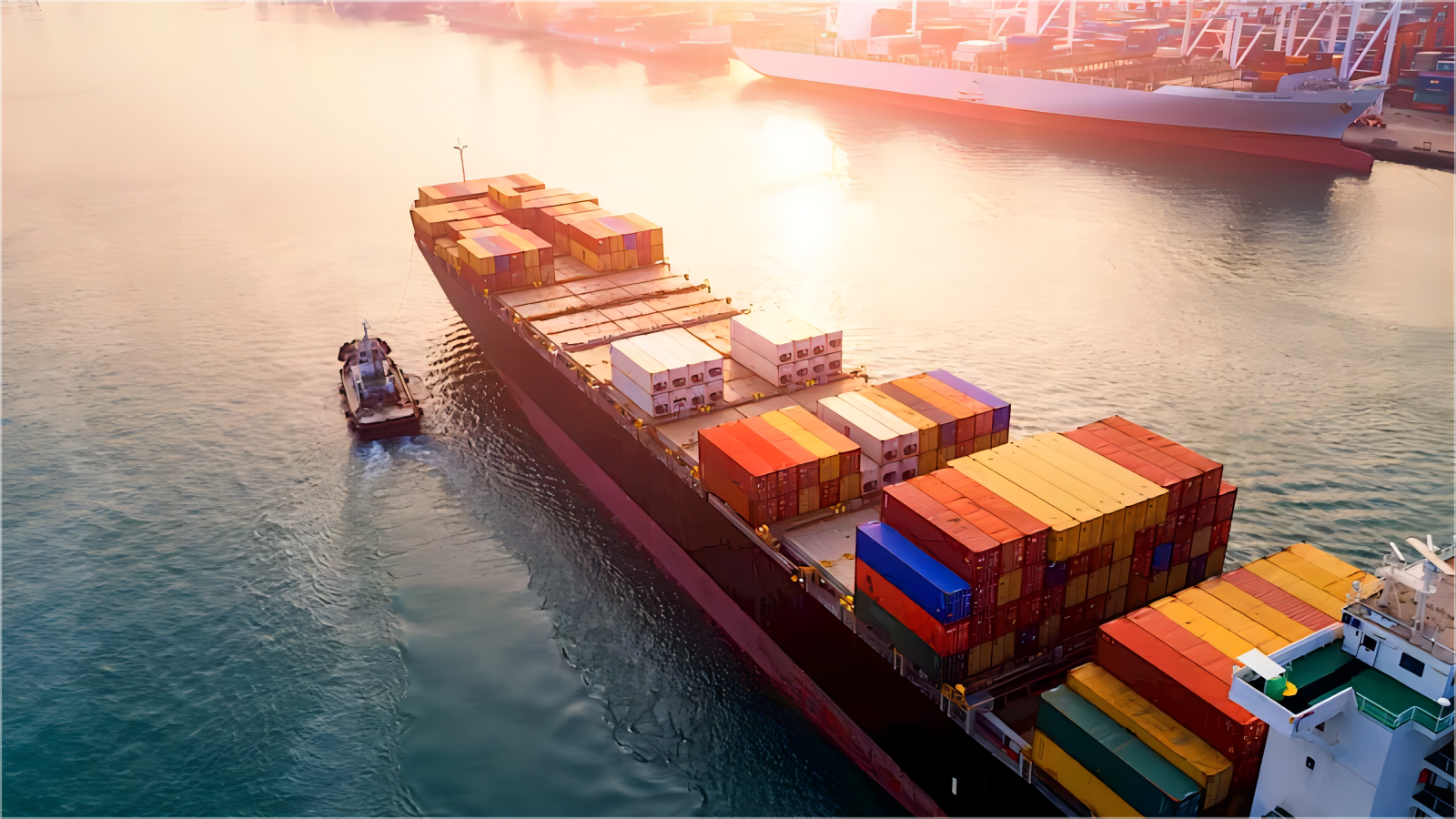
Warehouse Fulfillment China USA Ecommerce: The 2026 Strategic Guide
Implementing a robust warehouse fulfillment china USA ecommerce strategy is the cornerstone of scaling a digital brand in the competitive 2026 market. Businesses frequently encounter hurdles with international logistics, yet modern solutions provide a clear path to sustainable growth and customer loyalty. Visit Global China Freight to explore our comprehensive shipping and warehousing options designed specifically for the evolving 2026 global trade landscape. By centralizing your inventory and optimizing your transit routes, you can significantly reduce overhead while improving delivery speeds to your American customer base.

How Does Warehouse Fulfillment China USA Ecommerce Work in 2026?
The process begins when products move from the manufacturing plant to a centralized storage facility located near major export hubs like Shenzhen or Ningbo. Consequently, this allows for immediate quality control and inventory sorting before the long journey across the Pacific Ocean starts. Moreover, the integration of real-time tracking ensures that sellers maintain full visibility of their stock levels at all times during the transition.
Advanced software systems now connect Chinese warehouses directly with American ecommerce platforms to automate order processing. As a result, when a customer in the USA makes a purchase, the system triggers a packing request in the China facility or a pre-positioned US hub. Furthermore, this seamless data flow minimizes human error and speeds up the entire supply chain cycle significantly.
Logistics providers in 2026 utilize sophisticated cargo handling techniques to ensure products remain safe during transit. Specifically, moisture-controlled environments and reinforced packaging are standard for long-haul sea routes to prevent damage. Ultimately, this comprehensive approach reduces the lead time between an initial customer order and the final successful delivery to their doorstep.
Why Choose China-Based Warehousing for Your USA Ecommerce Business?
Storing goods close to the source of production significantly lowers initial domestic transport expenses and simplifies the kitting process. Furthermore, Chinese warehouses often offer more competitive labor rates for assembly and specialized packaging compared to their American counterparts. Additionally, this strategy enables sellers to pivot quickly if demand shifts, as they can redirect inventory to different global markets with minimal friction.
Many brands now use these hubs to manage both their domestic Chinese sales and their international exports simultaneously. For instance, a single inventory pool can serve multiple regions, which optimizes stock levels and reduces the risk of overstocking in one specific location. Meanwhile, the proximity to factories allows for faster restocking cycles when a particular item becomes a viral success in the USA.
Flexibility remains a primary advantage of this model in the current 2026 shipping environment. Nevertheless, businesses must balance these benefits against the transit times required to reach the American market. By utilizing a strategic mix of local and overseas storage, ecommerce companies can maintain high availability while keeping their overall logistics costs manageable.
What Are the Main Shipping Methods for USA Ecommerce Fulfillment?
Selecting the right transport mode is critical for maintaining healthy profit margins and meeting customer expectations. Most high-volume sellers rely on sea freight because it offers the lowest cost per unit for heavy or bulky items. On the other hand, air freight remains the go-to choice for time-sensitive launches or high-value electronics that require rapid turnover.
Transit times have stabilized in early 2026, but choosing the correct service level is still a major decision for logistics managers. For example, fast sea services can now reach the US West Coast in under three weeks, bridging the gap between traditional ocean freight and expensive air transport. Indeed, the choice between these methods depends largely on your specific inventory turnover and current budget constraints.
Market data suggests that hybrid shipping models are becoming increasingly popular for mid-sized ecommerce brands. These companies often ship their core catalog via ocean containers while using air express for replenishment of out-of-stock items. Consequently, they can maintain a consistent delivery schedule without overspending on their total freight budget throughout the year.
| Standard Sea Freight | $1,500 – $3,500 per container | 25-35 Days | Bulk goods and heavy items |
| Fast Sea Service | $3,800 – $5,200 per container | 14-18 Days | High-turnover consumer goods |
| Air Freight | $4.50 – $8.00 per kg | 5-8 Days | High-value or urgent stock |
| Express Courier | $9.00 – $15.00 per kg | 3-5 Days | Small parcels and samples |

How Does Warehouse Fulfillment Compare to Other Shipping Options?
Direct shipping from China to the consumer is a popular alternative, but it often lacks the reliability of a structured fulfillment plan for North America. While dropshipping requires less upfront capital, it frequently results in longer transit times and higher return rates due to lack of quality control. In contrast, a fulfillment model provides a professional touch that modern consumers expect from reputable brands.
Comparing these strategies reveals that bulk importing usually yields much higher profit margins over the long term. Although the initial investment in inventory is higher, the reduced shipping cost per unit significantly outweighs the upfront expenditure. Therefore, established brands typically migrate toward this model as they scale their operations beyond the initial startup phase.
Alternative strategies like sea-air combinations have also gained traction for routes that require a balance of speed and economy. For instance, cargo might be shipped by sea to a mid-way point before being flown into the USA to bypass port congestion. However, such solutions require expert coordination to ensure the handoff between carriers is seamless and cost-effective.
| Direct Dropshipping | High per unit | 10-20 Days | Poor quality control |
| Bulk Fulfillment | Low per unit | 2-5 Days (US local) | High upfront inventory cost |
| Hybrid Sea-Air | Moderate | 12-18 Days | Complex coordination |
Which Option Should You Choose for Your Business?
Determining the ideal strategy requires a deep dive into your product dimensions, sales velocity, and target customer location. If you are selling small, lightweight items with high margins, then a direct-to-consumer air express model might be the most efficient path. However, for those utilizing the Amazon FBA program, bulk shipments to regional centers are usually mandatory to maintain Prime eligibility.
Budget priority dictates that sea freight is the winner for businesses with stable demand and large volumes. Conversely, speed priority suggests that air freight or local US warehousing is necessary to stay competitive in fast-moving industries like fashion or electronics. Without a doubt, your choice will dictate your long-term scalability and customer retention rates in the crowded US marketplace.
Cargo type considerations also play a vital role in this decision-making process. Fragile items or hazardous materials may have restricted shipping options that force a specific logistical path regardless of cost. Consequently, consulting with a logistics expert early in your product development cycle can save thousands of dollars in unforeseen shipping complications.
How to Manage Customs and Compliance for USA Imports?
Navigating the legal requirements of international trade is often the most daunting aspect for new ecommerce entrepreneurs. Utilizing a professional customs brokerage service can prevent costly delays and ensure all duties are paid accurately. Additionally, staying informed about the latest Section 321 de minimis rules is essential for those shipping smaller individual parcels directly to consumers.
Proper documentation remains the most effective way to avoid port congestion and secondary inspections by US Customs and Border Protection. For example, ensuring that your commercial invoices and packing lists are perfectly aligned can speed up the clearance process by several days. Furthermore, understanding the specific Harmonized System (HS) codes for your products is vital for calculating accurate landed costs.
Logistics trends in 2026 show an increased focus on digital documentation and automated compliance checks. As a result, many carriers now require electronic filing of all manifests well before the vessel arrives at the port of discharge. Failure to comply with these digital standards can lead to significant fines and the potential blacklisting of your business from certain trade routes.
| Commercial Invoice | Value declaration | Critical | Mandatory for all |
| Packing List | Content verification | High | Mandatory for all |
| Bill of Lading | Title to goods | Critical | Mandatory for sea |
| ISF (10+2) Filing | Security screening | High | Mandatory for sea |
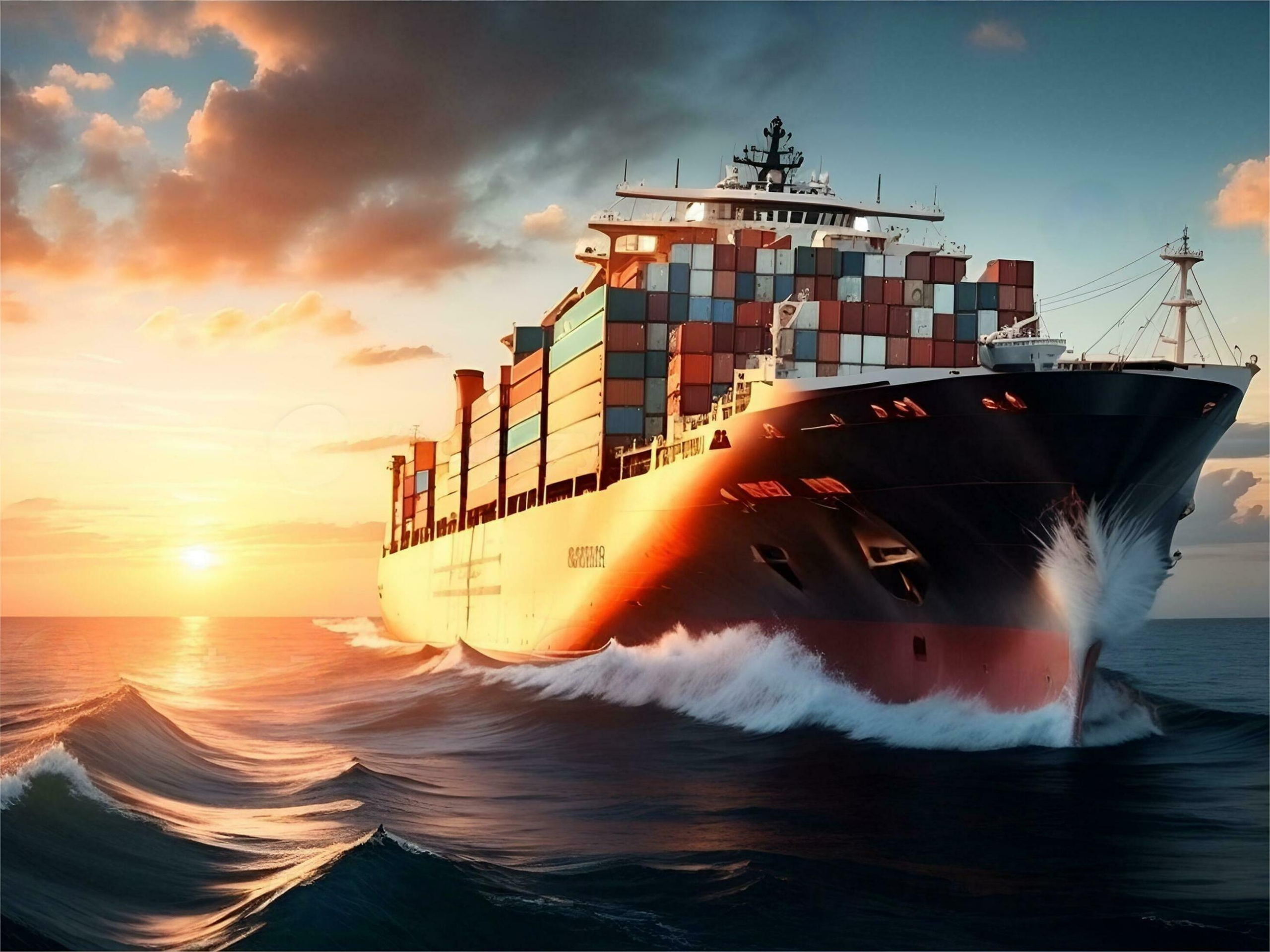
Benefits of a Door to Door Fulfillment Strategy
A comprehensive door to door service simplifies the entire supply chain by providing a single point of contact for the seller. This model eliminates the need for managing multiple vendors, which often leads to communication breakdowns and lost cargo during handoffs. Furthermore, consolidated billing makes it much easier for finance teams to track the total landed cost of every item sold.
Reliability is the hallmark of a professional door-to-door solution in the 2026 ecommerce landscape. By handling everything from the factory pickup in China to the final delivery in the USA, the logistics provider takes full responsibility for the timeline. Consequently, business owners can spend more time on marketing and product development and less time on logistical troubleshooting.
Market intelligence suggests that customers are more likely to return to brands that offer consistent and predictable delivery windows. Door-to-door services facilitate this by streamlining the transition between international freight and local last-mile delivery. Indeed, this integration is often the deciding factor in whether an ecommerce brand can successfully compete with larger established retailers.
Real-World Case Studies: Successful Fulfillment Strategies
Case Study 1: High-Volume Electronics Fulfillment. Route: Shenzhen, China to Los Angeles, USA. Cargo: Consumer electronics, 68 CBM, 12,500 kg. Container: 40HQ. Shipping Details: Major carrier via direct sea route. Cost Breakdown: Ocean Freight $3,200, Origin Charges $450, Destination Charges $600, Customs $1,200. Total Landed Cost: $5,450. Timeline: 18 days door-to-door. Key Insight: Using a fast sea service allowed the client to maintain stock during a Q4 peak without the expense of air freight.
Case Study 2: Seasonal Apparel Distribution. Route: Ningbo, China to Savannah, USA. Cargo: Cotton apparel, 12 CBM, 3,200 kg. Container: LCL. Shipping Details: Transshipment via Panama Canal. Cost Breakdown: Ocean Freight $1,800, Origin Charges $300, Destination Charges $550, Customs $900. Total Landed Cost: $3,550. Timeline: 32 days door-to-door. Key Insight: Planning 40 days in advance allowed the brand to use economical LCL sea freight for their spring collection launch.
Note: Freight rates are subject to change based on fuel costs, carrier capacity, and seasonal demand. Contact us for a current quote tailored to your specific shipment.

Final Thoughts on Warehouse Fulfillment China USA Ecommerce
Optimizing your warehouse fulfillment china USA ecommerce operations is no longer optional for brands that want to thrive in the 2026 digital economy. By understanding the nuances of shipping methods, customs compliance, and inventory placement, you can build a resilient and profitable supply chain. Furthermore, partnering with the right logistics provider ensures that your business can adapt to market fluctuations and consumer demands with ease.
Success in international trade requires a balance of strategic planning and operational excellence. Whether you choose sea freight for its cost-effectiveness or air freight for its speed, the goal remains the same: delivering value to your customers efficiently. Ultimately, a well-executed fulfillment strategy is the engine that drives sustainable growth for your ecommerce enterprise.
Need a tailored shipping solution?
Ready to optimize your warehouse fulfillment china USA ecommerce operations for 2026? Contact our expert logistics team today to receive a customized quote and streamline your global supply chain. Send Inquiry