
Cheapest shipping from China to USA sea air comparison 2026
Finding the cheapest shipping from China to USA sea air comparison is a vital step for businesses aiming to optimize their global supply chain performance in 2026. Navigating the complexities of international logistics requires a clear understanding of how different transport modes impact your bottom line and delivery speed. By partnering with a reliable logistics provider like Global China Freight, importers can access competitive rates and tailored solutions that bridge the gap between cost-efficiency and reliability. This comprehensive guide explores the current market landscape to help you make informed decisions for your cargo.
✦
Why is a cheapest shipping from China to USA sea air comparison essential?
Global trade dynamics in 2026 have shifted significantly due to fluctuating fuel prices and evolving port infrastructure. Consequently, a detailed cheapest shipping from China to USA sea air comparison is no longer optional for profitable operations. Importers must weigh the immediate costs of freight against the potential loss of sales due to longer transit times. Selecting the wrong method can lead to excessive inventory holding costs or missed market opportunities.
Moreover, the choice between sea and air involves more than just the base freight rate. You must consider insurance, packaging requirements, and inland transportation costs at both ends. For instance, air freight often requires less robust packaging than sea freight, which might offset some of the higher transport costs. Understanding these nuances allows for a more holistic view of your total landed cost.
How does sea freight compare to air freight in 2026?
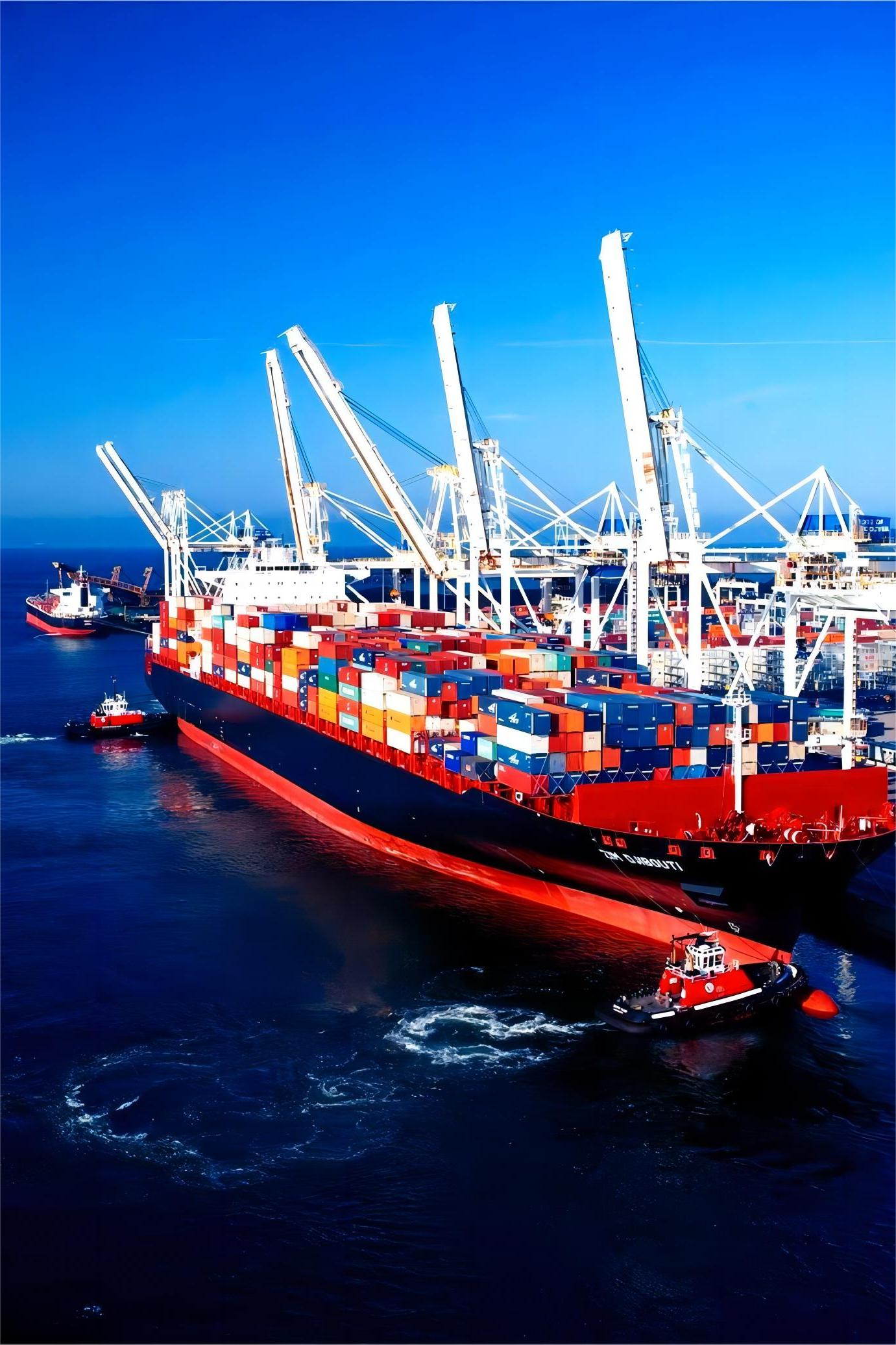
Sea freight remains the backbone of international trade for high-volume shipments due to its unmatched capacity and lower price point. In contrast, air freight offers speed and security that sea transport simply cannot match for time-sensitive or high-value goods. Choosing sea freight is typically the most economical choice for shipments exceeding 2 cubic meters or 500 kilograms. However, the trade-off is a much longer journey across the Pacific Ocean.
Air transport serves as a critical tool for maintaining lean inventory levels and responding to sudden spikes in demand. While air freight carries a premium price, it reduces the risk of product obsolescence for electronics and fashion items. Therefore, businesses often split their shipments between these two modes to balance cost and speed effectively.
| Feature | Sea Freight | Air Freight | Comparison Summary |
|---|---|---|---|
| Cost | Low ($1,500-$5,000 per FEU) | High ($4.00-$9.00 per kg) | Sea is 5-10x cheaper |
| Transit Time | 18-40 Days | 3-7 Days | Air is 4-5x faster |
| Reliability | Moderate (Port delays) | High (Frequent flights) | Air is more consistent |
| Best For | Bulky, heavy goods | Urgent, high-value items | Depends on priority |

What are the current 2026 ocean freight rates for USA routes?
Ocean freight rates have stabilized in early 2026 following a period of volatility in previous seasons. Currently, shipping a 40-foot container from Shanghai to Los Angeles costs between $2,500 and $3,500 depending on the carrier and service level. For East Coast destinations like New York or Savannah, prices range from $4,500 to $6,000 due to the longer distance and canal transit fees. These rates are subject to seasonal surcharges during the peak shipping months of August through October.
Additionally, many carriers have introduced green fuel surcharges to comply with new environmental regulations. This means that while base rates might appear low, the total invoice can include various add-ons. Nevertheless, sea freight remains the cheapest method for moving large quantities of consumer goods or industrial machinery. Importers should always request a breakdown of all charges to avoid hidden costs at the destination port.
Can you save money using LCL vs FCL shipping?
Less than Container Load (LCL) allows multiple shippers to share space within a single container, making it ideal for smaller volumes. For shipments between 1 and 15 cubic meters, LCL is often more cost-effective than paying for a full container. However, LCL involves additional handling and consolidation time, which can add several days to the total transit period. Consequently, if your volume is close to 15-20 cubic meters, booking a 20-foot Full Container Load (FCL) might actually be cheaper.
FCL shipping offers greater security and faster transit because the container is sealed at the origin and only opened at the destination. For businesses utilizing Amazon FBA, FCL can significantly streamline the receiving process at fulfillment centers. Furthermore, FCL rates are more predictable than LCL, which often carries complex per-CBM handling fees that can escalate quickly. Choosing the right container size is a fundamental part of any cheapest shipping from China to USA sea air comparison strategy.
How Does Sea Freight Compare to Other Shipping Options?
While sea and air are the primary modes, other alternative strategies exist to optimize the China-USA route. For instance, sea-air hybrid solutions involve shipping goods by sea to a hub like Dubai or Busan, then flying them to the final US destination. This method typically costs 30-50% less than pure air freight while cutting sea transit time in half. Additionally, express courier services provide the fastest possible delivery for very small parcels under 100 kilograms.
Comparing these options requires looking at the specific needs of your cargo and the urgency of the delivery. Below is an objective analysis of how different methods stack up against each other in the current 2026 market. Each alternative offers unique trade-offs regarding budget, speed, and handling requirements.
| Shipping Method | Cost Range | Transit Time | Best For |
|---|---|---|---|
| Sea Freight (FCL) | $2,500 – $6,000 | 18 – 40 Days | Large inventory restocks |
| Air Freight | $4.50 – $9.00/kg | 3 – 8 Days | Electronics, fashion |
| Sea-Air Hybrid | $2.50 – $4.00/kg | 15 – 20 Days | Mid-value consumer goods |
| Express Courier | $7.00 – $12.00/kg | 2 – 5 Days | Samples, urgent docs |

Which alternative shipping strategies reduce total landed costs?
Implementing a multi-modal strategy is often the key to reducing overall logistics expenses. For example, you might ship 80% of your inventory via sea freight for cost savings and 20% via air freight to ensure stock availability. This approach mitigates the risk of stockouts while keeping the average shipping cost per unit low. Another strategy involves using transshipment hubs to take advantage of lower rates offered by secondary carriers.
Optimizing your packaging can also lead to significant savings, especially in air freight where weight and volume directly dictate the price. Using lightweight, durable materials reduces the billable weight of your shipment. Furthermore, consolidating multiple small orders into a single larger shipment can help you move from expensive express rates to more economical air freight brackets. Evaluating these alternatives is a core component of a successful cheapest shipping from China to USA sea air comparison.
How do customs brokerage fees affect your shipping budget?
Customs clearance is a critical phase where unexpected costs and delays frequently occur. Engaging a professional customs brokerage service ensures that your documentation is accurate and compliant with US Customs and Border Protection (CBP) regulations. Inaccurate HS codes or missing paperwork can lead to heavy fines and storage fees at the port. Therefore, the cost of a broker is a small investment compared to the potential risks of non-compliance.
Import duties and taxes are based on the value and type of goods you are bringing into the country. Some products may also be subject to Section 301 tariffs or anti-dumping duties, which can drastically increase your total landed cost. A knowledgeable broker can help you identify potential duty-saving opportunities through trade programs or specific tariff classifications. Always include these administrative costs when performing your cheapest shipping from China to USA sea air comparison.
Should you choose door to door shipping for convenience?
Door to door shipping simplifies the logistics process by handling every step from the supplier’s warehouse to your final destination. This service includes pickup, international transport, customs clearance, and final mile delivery. While the upfront quote for door to door might seem higher, it often saves money by eliminating the need for multiple service providers. It also provides better visibility and tracking throughout the entire journey.
Managing separate contracts for ocean freight, trucking, and warehousing can be time-consuming and prone to communication errors. By using a single provider, you reduce the administrative burden on your team and minimize the risk of costly hand-off delays. For many small to medium-sized enterprises, the convenience and integrated pricing of door-to-door services make it the most efficient choice in 2026.
Case Studies: Real-World Shipping Scenarios
Analyzing real-world examples provides a practical perspective on how shipping choices impact costs and timelines. These scenarios reflect typical market conditions in 2026 and highlight the importance of choosing the right method for specific cargo types. Whether you are moving high-tech components or bulky consumer products, these cases illustrate the actual expenses and durations you can expect.
Case Study 1: High-End Electronics. Route: Shenzhen to Los Angeles. Cargo: 500kg of tablets. Method: Air Freight. Ocean freight was deemed too slow for this product launch. Cost: $3,250 ($6.50/kg). Transit Time: 5 days. Key Insight: The speed allowed the client to capture early market demand, justifying the higher freight cost.
Case Study 2: Home Furniture. Route: Ningbo to Savannah. Cargo: 68 CBM (40HQ Container). Method: Sea Freight FCL. Cargo consisted of wooden bed frames. Cost: $5,800 total (including origin/destination fees). Transit Time: 34 days. Key Insight: FCL was the only viable option for this volume, providing the lowest cost per unit for heavy, bulky items.
Which Option Should You Choose?
The ideal choice depends entirely on your specific business priorities and cargo characteristics. If your primary goal is to minimize expenditure and you have a flexible timeline, sea freight is the clear winner. Conversely, if you are dealing with perishable goods, urgent replacements, or high-value items, air freight is the necessary investment. Most successful importers use a mix of both to maintain a resilient supply chain.
Consider the volume thresholds when switching methods. For shipments under 100kg, express courier is usually best. Between 100kg and 500kg, air freight offers the best balance. Above 500kg or 2 CBM, sea freight becomes increasingly attractive. Always perform a fresh cheapest shipping from China to USA sea air comparison for each major shipment to account for the latest market fluctuations and carrier capacity shifts.
Final thoughts on China to USA shipping costs
Selecting the most efficient transport mode requires a careful balance of speed, cost, and reliability. As we have seen, the cheapest shipping from China to USA sea air comparison depends heavily on your cargo volume and delivery requirements. While sea freight offers the lowest base rates for large shipments, the speed of air freight can provide a competitive edge for time-sensitive goods.
Staying updated on market trends and working with experienced freight forwarders will help you maintain a cost-effective logistics operation. By considering alternative strategies like LCL consolidation or sea-air hybrids, you can further refine your budget. Ultimately, a well-planned shipping strategy is a cornerstone of success in the global marketplace of 2026.