


Option 1: Customs Clearance China to France Import: 2026 Guide | Option 2: Master Customs Clearance China to France Impo
Navigating the complexities of customs clearance China to France import is essential for any successful business operating in the competitive market of 2026. Global China Freight provides the expertise needed to manage these regulatory hurdles effectively and ensure your goods reach their destination without unnecessary delays. Visit Global China Freight to explore how our specialized logistics solutions can streamline your entire supply chain from Asia to Europe.
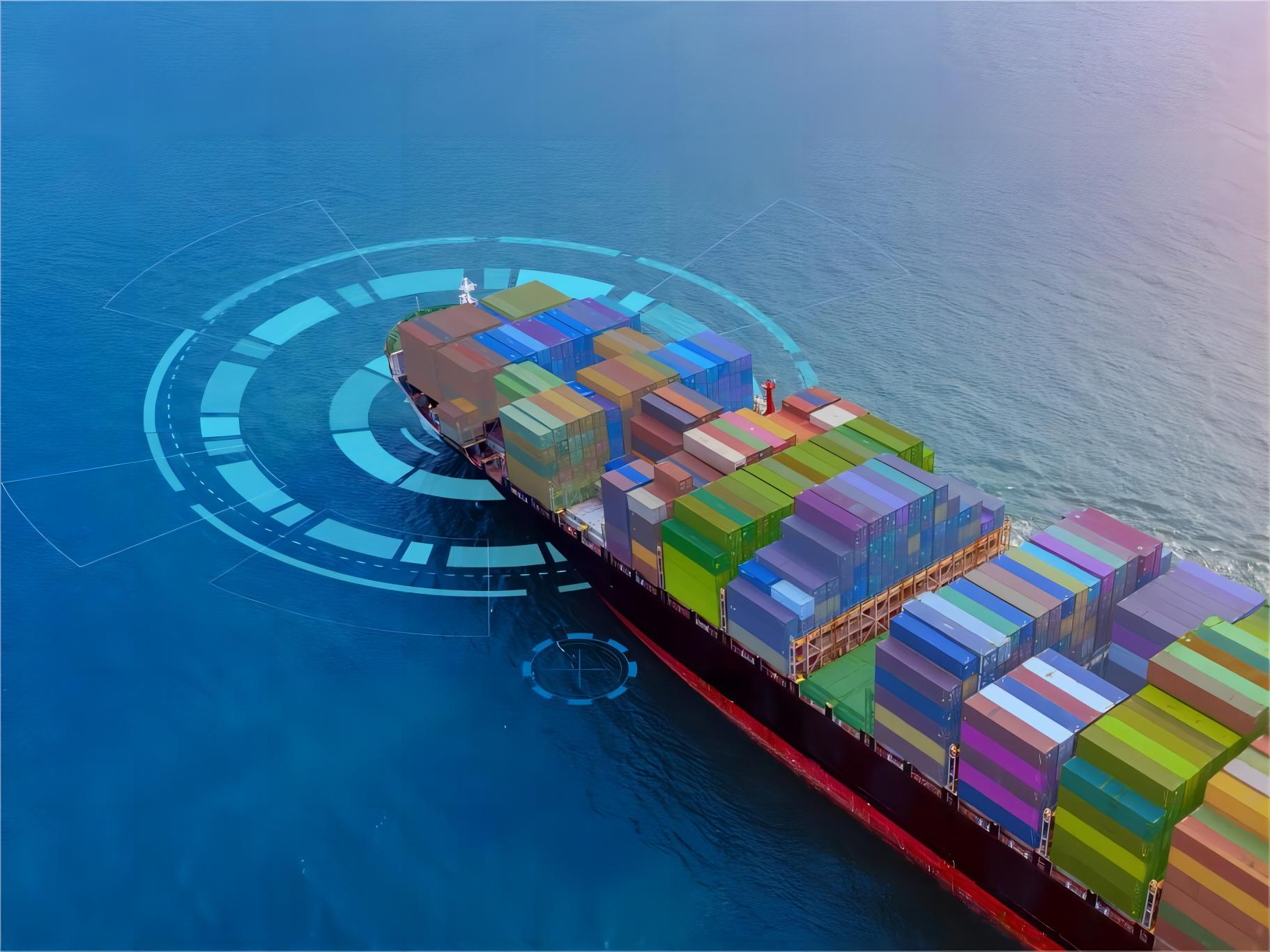
What is the Process for Customs Clearance China to France Import?
Understanding the fundamental steps of the French import system is the first priority for any modern importer. Since early 2026, the European Union has implemented more stringent digital reporting requirements that demand precision in every filing.
Initially, your goods must be declared to the French Customs Administration (DGDDI) using the Single Administrative Document or SAD. This electronic submission provides officials with all necessary details regarding the nature, value, and origin of your cargo.
Moreover, engaging a professional customs brokerage service can significantly reduce the risk of administrative errors. These experts ensure that your HS code classification is accurate, which directly impacts the amount of duty you will pay upon arrival.
Subsequently, the customs authorities will perform a risk assessment to determine if a physical inspection is required. While most shipments pass through via green lane, random checks or documentation discrepancies can lead to temporary holds at major ports like Le Havre or Marseille.
Essential Documents for Importing from China to France
Accurate documentation serves as the backbone of a smooth customs clearance China to France import experience. Without the correct paperwork, your shipment could face lengthy delays and significant storage fees at the terminal.
Every shipment must be accompanied by a commercial invoice that clearly states the buyer, the seller, and a detailed description of the goods. Furthermore, this document must specify the agreed Incoterms, as this determines who is responsible for costs and risks during transit.
Additionally, a detailed packing list is required to help customs officers identify the contents of each individual package. This list should correspond exactly with the information provided on the Bill of Lading or Air Waybill, depending on your chosen transport method.
Specifically, for many products coming from China, a Certificate of Origin may be necessary to benefit from preferential tariff treatments. You must also ensure your business has a valid EORI number, which is the standard identification for all companies engaging in EU customs activities.
| Document Name | Purpose | Required By | Key Detail |
|---|---|---|---|
| Commercial Invoice | Value verification | Customs/Bank | Must show Incoterms |
| Packing List | Cargo identification | Customs/Warehouse | Weight and dimensions |
| Bill of Lading | Title to goods | Carrier/Customs | Master or House BL |
| EORI Number | Business ID | French Customs | Must be EU-registered |
Understanding French VAT and Import Duties
Calculating the total landed cost of your goods requires a deep understanding of French VAT rates and customs duties. As of 2026, the standard VAT rate in France remains at 20 percent for most industrial and consumer goods.
Import duties are calculated based on the CIF value of the shipment, which includes the cost of the goods, insurance, and freight charges. Therefore, even a small error in your freight cost reporting can lead to an incorrect duty assessment.
Consequently, businesses should explore the VAT reverse charge mechanism, which allows for the deferment of VAT payment until the periodic tax return. This strategy significantly improves cash flow for frequent importers by avoiding the immediate outlay of tax at the border.
Nevertheless, certain products may be subject to anti-dumping duties if the EU determines they are being sold below market value. You should always verify the specific HS codes for your products to anticipate these additional costs before finalizing your purchase orders.
How Does Sea Freight Compare to Other Shipping Options?
Choosing the right transportation mode is a critical decision that affects both your budget and your delivery schedule. While sea freight remains the most popular choice for large volumes, other options offer distinct advantages for specific scenarios.
Indeed, air freight provides the fastest transit times, making it ideal for high-value electronics or urgent seasonal inventory. In contrast, rail freight offers a middle ground, connecting major Chinese hubs to European terminals in approximately three weeks.
Market data from early 2026 suggests that sea freight rates have stabilized, though they remain sensitive to fuel price fluctuations. For businesses moving full containers, FCL shipping is often more cost-effective than LCL, provided the volume justifies the space.
Meanwhile, hybrid solutions like sea-air combinations are gaining traction for shipments that require a balance of speed and economy. These multi-modal strategies allow importers to bypass port congestion while keeping costs significantly lower than pure air transport.
| Method | Cost Range | Transit Time | Best For |
|---|---|---|---|
| Air Freight | $4.50 – $9.50/kg | 3 – 7 Days | Urgent/High Value |
| Sea Freight | $3,100 – $4,300/40HQ | 30 – 40 Days | Bulk/Heavy Cargo |
| Rail Freight | $1,300 – $1,900/CBM | 18 – 26 Days | Mid-range/Eco-friendly |
| Express | $8.00 – $15.00/kg | 2 – 5 Days | Samples/Small Parcels |

Which Option Should You Choose?
Determining the best shipping method depends on your specific priorities regarding cost, speed, and cargo type. If your primary goal is budget optimization, sea freight is almost always the superior choice for shipments exceeding 2 cubic meters.
On the other hand, if you are facing a stock-out or launching a new product, the speed of air freight justifies the higher expense. For inland destinations in France, rail freight can sometimes offer faster door-to-door delivery than sea freight by avoiding the busy coastal ports.
Consider the volume thresholds when switching between LCL and FCL. Generally, once your shipment reaches 15 cubic meters, booking a full 20-foot container becomes more economical than paying for individual space in a shared container.
Note: Freight rates are subject to change based on fuel costs, carrier capacity, and seasonal demand. Contact us for a current quote tailored to your specific shipment.
Real Case Studies: Customs Clearance Success
Examining real-world examples provides valuable insight into the practical challenges and costs associated with international trade. These scenarios reflect actual market conditions observed in the first half of 2026.
Case Study 1: High-Tech Components from Shenzhen to Paris. A French tech firm needed 500kg of sensors delivered urgently. By choosing air freight and utilizing a pre-clearance strategy, the goods cleared customs in just 4 hours upon arrival at CDG airport.
Case Study 2: Home Furniture from Ningbo to Le Havre. A retailer imported three 40HQ containers for the summer season. By using sea freight and securing a direct route, they minimized transit time and avoided the higher costs associated with transshipment hubs.
Case Study 3: Industrial Machinery from Chengdu to Lyon via Rail. This shipment took advantage of the Iron Silk Road to reach an inland factory. The total door-to-door time was 24 days, saving nearly two weeks compared to traditional ocean routes.
Case Study 1: Electronics via Air Freight
Route: Shenzhen, China to Paris, France
Cargo: Electronic Sensors, 2.5 CBM, 500 kg
Shipping Method: Air Freight
Carrier: Air France Cargo
Timeline: Total 6 days door-to-door
Total Landed Cost: $5,250 (Excluding duties)
Key Insight: Pre-filing the SAD document allowed for immediate release, preventing warehouse storage fees.
Case Study 2: Furniture via Sea Freight
Route: Ningbo, China to Le Havre, France
Cargo: Wooden Furniture, 68 CBM
Container: 40HQ
Carrier: CMA CGM
Timeline: Total 38 days door-to-door
Total Landed Cost: $4,850 (Freight and local charges)
Key Insight: Booking 4 weeks in advance secured a lower rate before the Q3 peak season price hike.
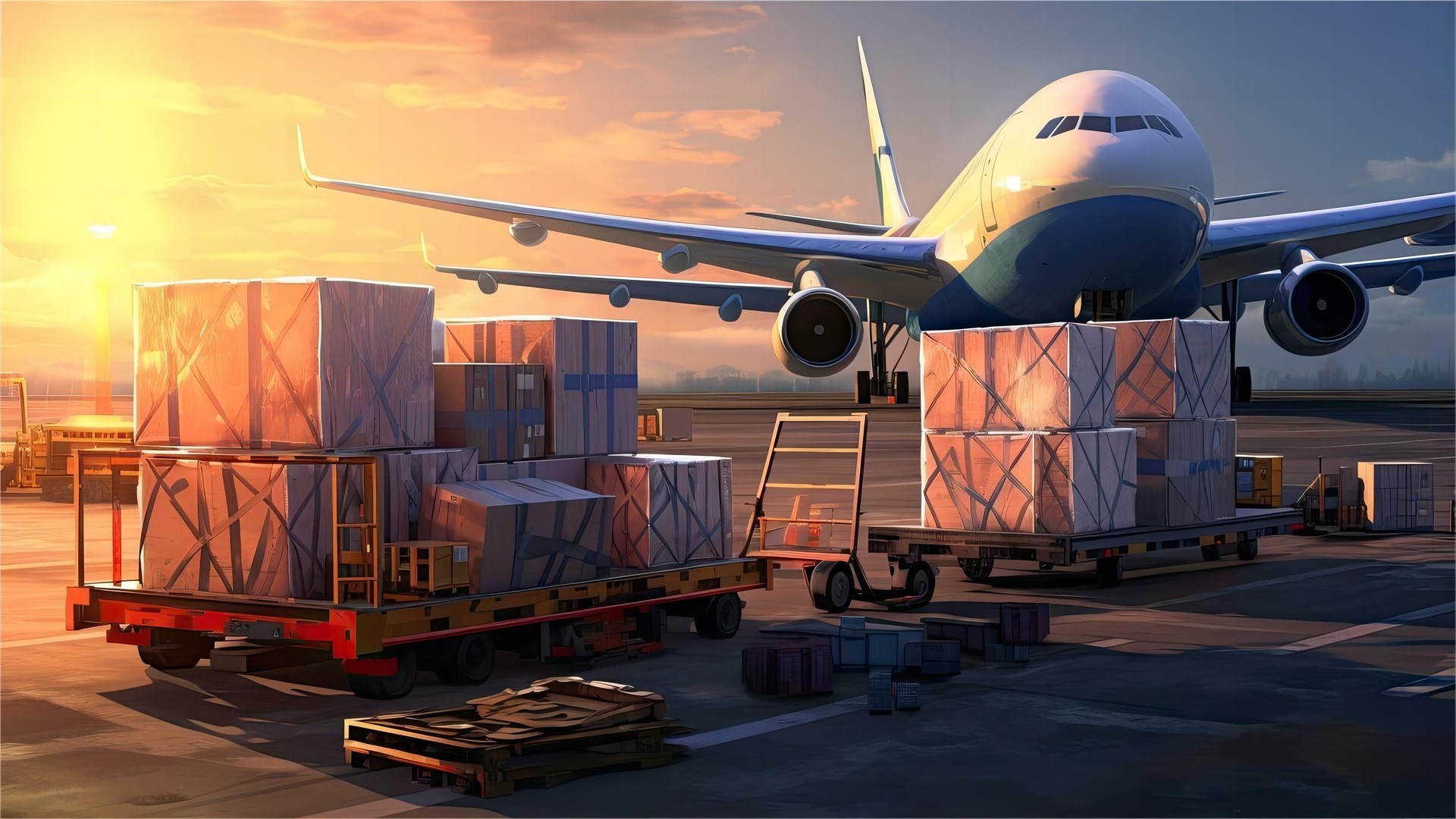
Common Challenges in Customs Clearance China to France Import
Despite careful planning, certain obstacles can still arise during the import process. One of the most frequent issues is the misclassification of goods under the wrong HS code, which can lead to fines or seizures.
Furthermore, many importers struggle with the complex regulations surrounding Amazon FBA shipments. These require specific labeling and palletization standards that must be met before the goods even reach the French border.
Additionally, the French customs authorities are particularly strict regarding product safety standards, such as the CE marking. If your products do not meet EU safety directives, they will be denied entry regardless of how perfect your paperwork is.
Consequently, working with an experienced logistics partner who understands both Chinese export laws and French import mandates is vital. They can perform a pre-shipment audit of your documents to identify potential red flags before the cargo leaves the port of loading.
Cost-Saving Strategies for French Importers in 2026
Reducing your total shipping expenditure requires a proactive approach to logistics management. One effective method is to consolidate multiple small shipments from different suppliers into a single LCL or FCL shipment.
Moreover, choosing the right Incoterms, such as FOB instead of CIF, can give you more control over the freight costs and the selection of the carrier. This often results in lower overall expenses as you can negotiate directly with your preferred freight forwarder.
Additionally, always request a breakdown of local charges at both the origin and destination. Some carriers may offer a low ocean freight rate but compensate with high destination terminal handling charges in France.
Finally, staying informed about seasonal trends is crucial. Rates typically increase by 15-25 percent during the August to October peak season, so shipping your goods earlier in the year can yield significant savings.
Summary of Customs Clearance China to France Import
Successfully managing customs clearance China to France import requires a combination of accurate documentation, strategic shipping choices, and a deep understanding of EU regulations. By prioritizing correct HS code classification and maintaining a valid EORI number, you can avoid the most common causes of delay.
Furthermore, the choice between sea, air, and rail freight should be based on a careful analysis of your specific business needs and the current 2026 market conditions. Utilizing VAT deferment and consolidation strategies will further enhance your competitive edge in the French market.
Ultimately, partnering with a reliable logistics provider like Global China Freight ensures that your supply chain remains resilient and cost-effective. We invite you to leverage our expertise to simplify your international trade operations and focus on growing your business.

Start Your Shipment
Are you ready to optimize your customs clearance China to France import process? Our team of experts is standing by to provide you with a customized quote and expert guidance for your 2026 shipments. Contact Global China Freight today to ensure your cargo moves across borders with maximum efficiency and minimum cost. Send Inquiry: https://globalchinafreight.com/contact/
Request Quote