

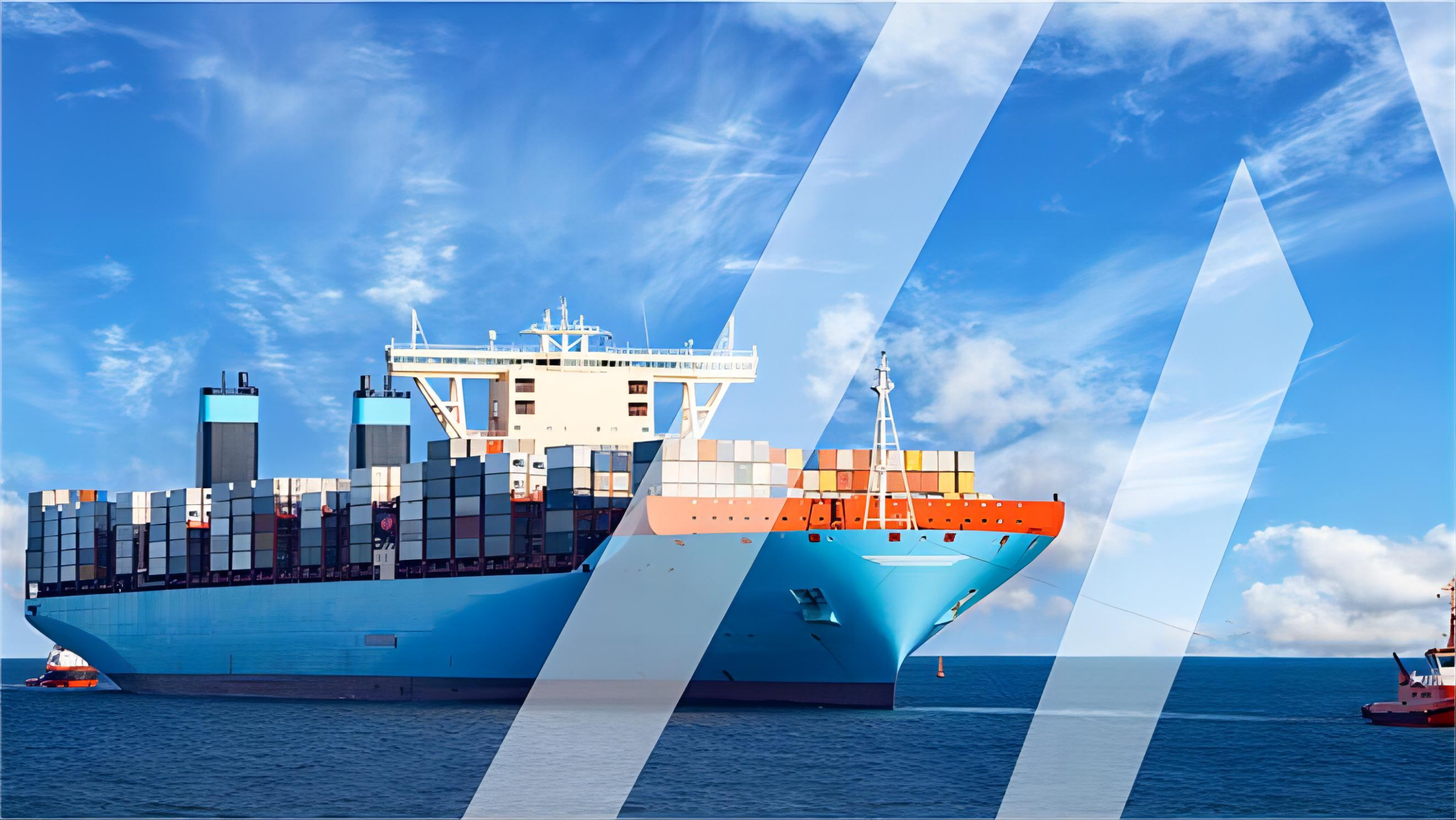
FCL shipping china to France 40HC cost: 2026 Expert Pricing Guide
Managing international logistics requires a deep understanding of fluctuating market rates and strategic planning. If you are looking to optimize your supply chain, knowing the current FCL shipping china to France 40HC cost is essential for maintaining healthy profit margins. At Global China Freight, we specialize in providing transparent logistics solutions that help businesses navigate the complexities of global trade between Asia and Europe. This guide explores the various factors influencing container prices in 2026, offering actionable insights for your next shipment.
Understanding FCL shipping china to France 40HC cost in 2026
Understanding the primary drivers of container pricing is the first step toward efficient budgeting. As of early 2026, the logistics landscape has shifted significantly due to technological advancements in port handling and stabilized fuel prices. However, seasonal demand and geopolitical factors still play a major role in determining the final quote you receive from a freight forwarder.
Currently, the market for a 40ft High Cube (40HC) container from China to France reflects a post-disruption stability compared to the previous years. Freight rates are influenced by the balance of vessel capacity and the volume of exports coming out of major hubs like Shanghai and Shenzhen. Consequently, businesses must stay informed about weekly rate fluctuations to lock in the best possible deals.
Importers often prefer the 40HC container because it offers approximately 76 cubic meters of space, which is significantly more than a standard 40GP container. This extra height allows for taller pallets or more stacked goods, making it the most cost-effective choice for high-volume shipments. Therefore, calculating the landed cost per unit becomes much more favorable when utilizing the full capacity of an FCL shipment.
Furthermore, the integration of greener shipping technologies has introduced new environmental surcharges in 2026. These regulations aim to reduce the carbon footprint of maritime transport but can add a small percentage to the overall ocean freight cost. Navigating these nuances requires a partner who understands the latest European maritime policies and documentation requirements.
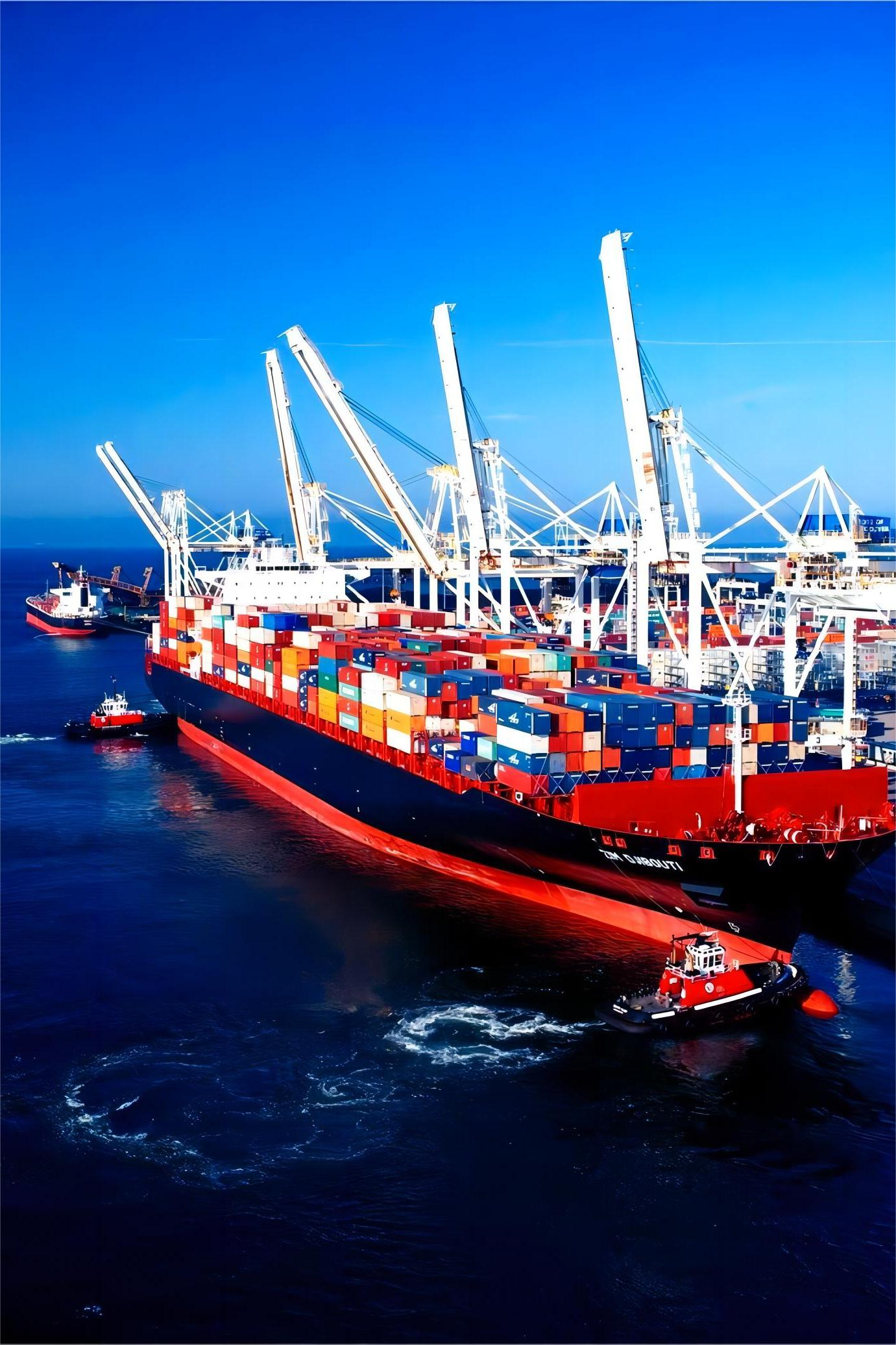
Breakdown of Sea Freight Expenses for 40HC Containers
Ocean freight is typically the largest component of your total shipping bill when moving goods across the sea. When you book sea freight, the base rate covers the transport from the port of loading to the port of discharge. It is important to remember that this rate does not include local charges, which can vary significantly depending on the specific ports used in China and France.
Additionally, you must account for Terminal Handling Charges (THC) at both the origin and destination ends. These fees cover the movement of the container within the port terminal, including crane operations and temporary storage. In 2026, many French ports have automated these processes, which has helped stabilize these costs despite rising labor rates in Europe.
Meanwhile, documentation fees and customs entry charges are standard administrative costs that every importer must face. For a 40HC container, these are usually flat fees per container rather than being based on the value of the goods. Nevertheless, ensuring that your paperwork is flawless is critical to avoiding expensive demurrage and detention charges at the port of Le Havre or Marseille.
Note: Freight rates are subject to change based on fuel costs, carrier capacity, and seasonal demand. Contact us for a current quote tailored to your specific shipment.
| Cost Category | Estimated Range (USD) | Frequency | Description |
|---|---|---|---|
| Ocean Freight | $3,200 – $4,500 | Per Container | Port-to-port transport |
| Origin THC | $150 – $300 | Per Container | China port handling |
| Destination THC | $250 – $450 | Per Container | France port handling |
| Customs Clearance | $100 – $250 | Per Shipment | Filing and processing |
How Does FCL Compare to Other Shipping Options?
Comparing different shipping methods is essential for choosing the strategy that aligns with your timeline and budget. While FCL (Full Container Load) is the gold standard for large volumes, other options like LCL (Less than Container Load), rail freight, and air freight offer distinct advantages. For instance, if you are shipping less than 15 cubic meters, LCL might seem cheaper, but the per-unit cost is almost always higher than a 40HC FCL.
Air freight remains the fastest alternative, but it is prohibitively expensive for most bulk commodities. In 2026, the price gap between sea and air has widened slightly due to increased demand for sustainable aviation fuels. Consequently, sea freight remains the most viable option for heavy machinery, furniture, and large-scale consumer electronics imports into the European market.
Rail freight via the New Silk Road provides a middle ground, offering faster transit than sea but at a higher cost. However, for shipments destined for inland French cities like Lyon or Strasbourg, rail can sometimes compete with sea freight when factoring in the final trucking costs from the coast. Choosing the right method depends on your specific inventory turnover requirements and the urgency of the delivery.
| Shipping Method | Cost Range (40HC Eq) | Transit Time | Best For |
|---|---|---|---|
| FCL Sea Freight | $3,500 – $4,800 | 30-40 Days | Bulk goods, high volume |
| LCL Sea Freight | $5,500 – $7,500 | 35-45 Days | Small shipments <15CBM |
| Rail Freight | $6,000 – $8,500 | 18-24 Days | Urgent inland cargo |
| Air Freight | $25,000+ | 5-8 Days | High-value, urgent items |
Transit Times and Major Ports for China-France Routes
Transit times for Europe bound vessels typically range between 30 and 40 days. This duration depends heavily on whether the vessel takes a direct route or involves transshipment at hubs like Singapore or Piraeus. Direct services from Shanghai to Le Havre are generally the fastest, while routes to Marseille via the Mediterranean can vary based on port congestion.
Major Chinese ports such as Ningbo-Zhoushan, Shenzhen, and Qingdao offer multiple weekly departures to France. Selecting the port closest to your manufacturer is usually the best way to reduce inland haulage costs within China. Additionally, the efficiency of the loading port can impact the overall schedule, especially during peak seasons when certain terminals experience higher traffic.
French ports like Le Havre and Marseille-Fos are the primary gateways for containerized cargo. Le Havre is ideally situated for shipments destined for Paris and northern France, while Marseille serves the southern regions and Mediterranean trade. Understanding the infrastructure at these ports helps in planning the final leg of the journey and avoiding unnecessary delays during the discharge process.
Customs Clearance and Import Documentation in France
Navigating French customs requires precise documentation to ensure a smooth transition from the port to your warehouse. Utilizing a professional customs brokerage service can prevent costly errors and ensure compliance with European Union regulations. Key documents include the Bill of Lading, Commercial Invoice, and Packing List, all of which must accurately reflect the contents of your 40HC container.
Specifically, the Harmonized System (HS) codes used to classify your goods will determine the rate of duty and VAT applicable upon entry. In 2026, French customs have increased their focus on product safety and environmental compliance certificates for electronics and textiles. Therefore, verifying that your supplier provides all necessary CE markings and origin certificates is more important than ever.
Moreover, the EORI (Economic Operators Registration and Identification) number is mandatory for all businesses importing into France. Without this number, your shipment will be held at the border, leading to significant storage fees. Planning these administrative steps well in advance of the vessel’s arrival is the hallmark of a sophisticated supply chain strategy.
Case Studies: Real-World 40HC Shipping Examples
Case Study 1: Electronics from Shenzhen to Le Havre. A mid-sized retailer imported 65 CBM of consumer electronics using a 40HC container in Q2 2026. The shipment was routed directly from Shenzhen to Le Havre via a major carrier to ensure the fastest possible transit. The ocean freight cost was $4,100, with total landed costs reaching $6,100 after duties and local handling. The total door-to-door timeline was 33 days, including 3 days for customs clearance.
Case Study 2: Home Furniture from Ningbo to Marseille. A furniture wholesaler shipped 68 CBM of wooden tables and chairs in a 40HC container to southern France. By choosing the port of Marseille-Fos, they saved on inland trucking costs to their warehouse in Lyon. The ocean freight rate was $3,950, reflecting a slightly lower Mediterranean rate during the summer months. The entire process took 30 days from port to port, demonstrating the efficiency of the southern route.
Key Insight: These examples highlight that while the FCL shipping china to France 40HC cost is a major factor, the choice of discharge port and the efficiency of customs handling are equally vital. Based on current market rates, businesses that book at least 4 weeks in advance tend to secure rates that are 10-15% lower than last-minute bookings.
Door-to-Door Logistics and Final Mile Delivery
Completing the journey with a reliable door to door service ensures that your goods reach their final destination without any hassle. This comprehensive approach covers everything from the factory pickup in China to the final unloading at your French facility. It eliminates the need for you to coordinate between multiple logistics providers, reducing the risk of communication breakdowns.
Final mile delivery in France is typically handled by heavy-duty trucks capable of transporting 40ft containers. Depending on your location, rail-road combined transport might be used to reach inland hubs more sustainably. Additionally, you should ensure that your delivery site has the necessary equipment, such as a loading dock or a container crane, to handle a 40HC unit efficiently.
Furthermore, specialized services are available for those utilizing Amazon FBA in France. These services include palletization, labeling, and strict adherence to Amazon’s delivery windows. By integrating these requirements into your FCL plan, you can streamline your e-commerce operations and maintain high seller ratings on the platform.
Strategic Advice for Reducing 40HC Shipping Costs
Reducing your overall logistics spend requires a combination of timing and volume optimization. One effective strategy is to avoid shipping during the peak season, which typically runs from August to October in anticipation of the holiday period. During these months, rates can spike by 20% or more due to equipment shortages and increased demand for vessel space.
Another approach involves optimizing your packaging to ensure you are utilizing every cubic meter of the 40HC container. Since you are paying for the entire space, any empty volume represents a lost opportunity to lower your per-unit shipping cost. Consequently, working with your supplier to design stackable packaging can lead to significant long-term savings.
Lastly, establishing a long-term relationship with a freight forwarder can provide access to contract rates that are more stable than the volatile spot market. In 2026, many carriers prioritize space for loyal partners, which is crucial during times of high demand. Indeed, being a preferred shipper can mean the difference between your container being loaded on time or being rolled to the next vessel.
Which Option Should You Choose for Your Business?
Choosing the right shipping strategy depends on your specific business priorities. If your primary goal is cost minimization and you have a predictable inventory cycle, FCL sea freight is almost always the best choice. This method provides the lowest cost per cubic meter and offers the security of a sealed container that only you have access to.
On the other hand, if you are launching a new product and need to test the market with smaller quantities, LCL might be more appropriate despite the higher unit cost. Speed-oriented businesses or those dealing with high-value, perishable items should consider air freight or the faster rail routes. Ultimately, a balanced supply chain often uses a mix of these methods to manage both routine replenishment and urgent stock-outs.
Cargo type also dictates the method; for instance, hazardous materials or oversized machinery may require specialized FCL containers like Open Tops or Flat Racks. Always consult with your logistics partner to determine the most compliant and cost-effective container type for your specific goods. By considering all these factors, you can make an informed decision that supports your business growth in the French market.
Final Thoughts on 40HC Shipping to France
Successfully managing the FCL shipping china to France 40HC cost involves more than just finding the lowest headline rate. It requires a holistic view of the logistics chain, from origin handling and ocean transit to customs clearance and final delivery. By understanding the 2026 market trends and utilizing the right container type, you can significantly improve your international trade efficiency.
As we have explored, the 40HC container remains the most popular choice for businesses looking to maximize their shipping volume. Whether you are importing electronics, textiles, or industrial equipment, the economies of scale provided by FCL shipping are unmatched. Stay proactive, plan ahead, and partner with experienced professionals to ensure your cargo arrives safely and cost-effectively in France.

Need a tailored shipping solution?
Ready to optimize your supply chain? Get a precise quote for your FCL shipping china to France 40HC cost today and let our experts handle the heavy lifting. Visit Global China Freight to start your inquiry now.