

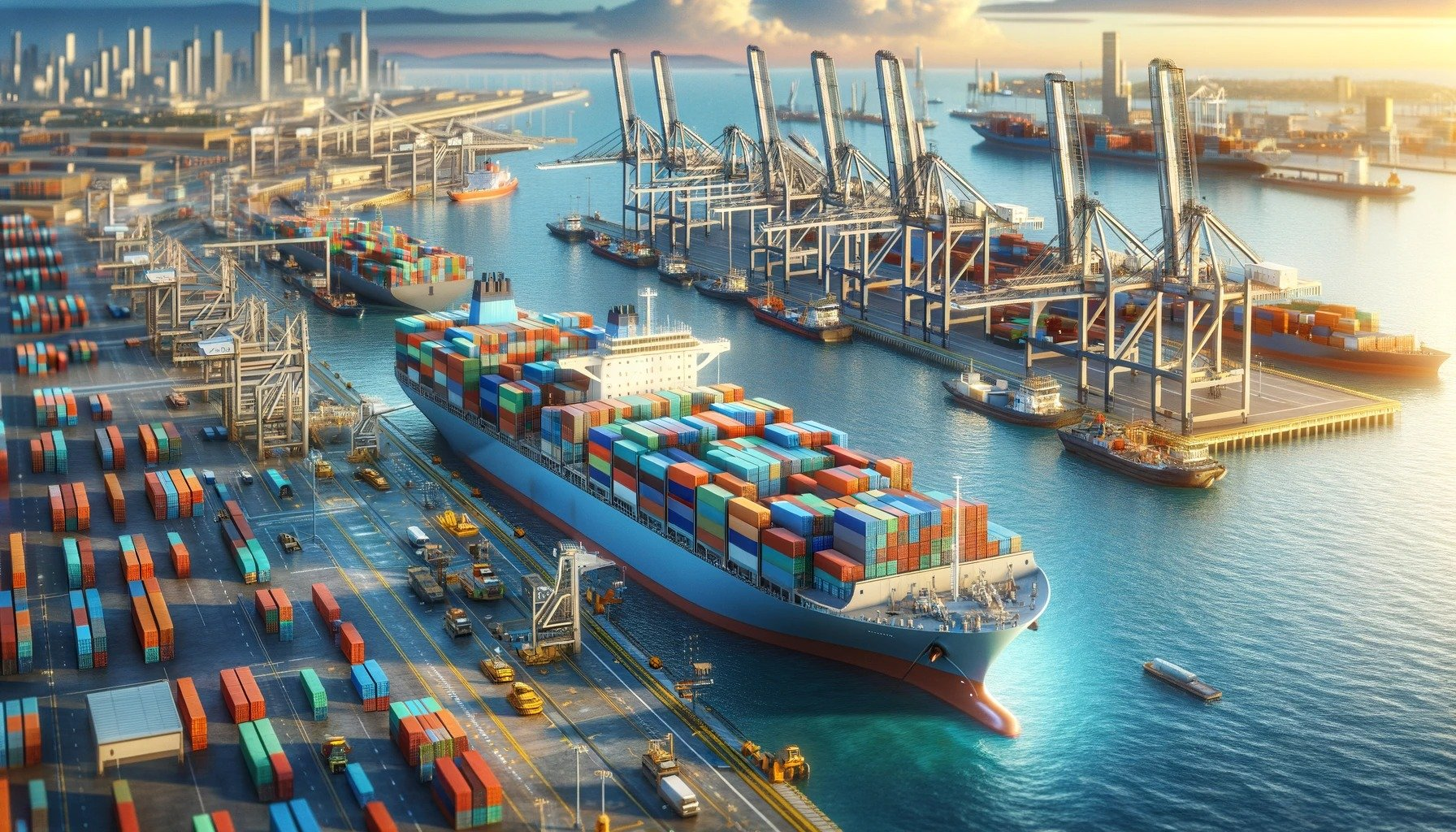
Import Shipping from China to Germany Commercial Cargo: 2026 Guide
Navigating the complexities of import shipping from China to Germany commercial cargo requires a strategic approach to modern logistics. As global trade routes evolve in 2026, businesses must balance cost-efficiency with reliable delivery schedules to remain competitive in the European market. This guide provides a comprehensive analysis of the most effective methods to transport your goods across these vital economic corridors.
✦
Understanding the Logistics of Import Shipping from China to Germany Commercial Cargo
Commercial importers today face a dynamic landscape where supply chain resilience is just as important as the bottom line. Consequently, choosing the right freight forwarder becomes a pivotal decision for your business operations.
Market conditions in early 2026 suggest that diversifying your shipping modes can mitigate risks associated with port congestion or regional disruptions. Therefore, understanding the nuances of each transport method is essential for successful cargo management.
Whether you are moving electronics from Shenzhen or heavy machinery from Ningbo, the logistical framework remains complex. Specifically, you must account for origin handling, international transit, and final mile delivery within Germany.
The Role of FCL and LCL in Commercial Shipping
Full Container Load (FCL) remains the standard for large-scale sea freight operations due to its security and cost-per-unit advantages. For instance, high-volume importers typically prefer 40HQ containers to maximize space utilization.
Less than Container Load (LCL) provides a flexible alternative for smaller batches of commercial cargo. However, this method involves consolidation, which may slightly increase the total transit time compared to direct FCL shipments.
Additionally, LCL rates are calculated per cubic meter, making it a budget-friendly choice for startups or businesses testing new product lines in the German market.
How Does Sea Freight Compare to Other Shipping Options?
Ocean transport continues to be the backbone of international trade, especially for bulk commodities and heavy commercial items. Nevertheless, the choice between sea, rail, and air depends heavily on your specific timeline and budget constraints.
In contrast to air transport, sea freight offers significantly lower costs but requires much longer lead times. For example, a standard vessel from Shanghai to Hamburg might take 30 to 35 days under current 2026 schedules.
Moreover, the environmental impact of sea freight is lower per ton-kilometer than air freight. As a result, many German companies are prioritizing ocean routes to meet corporate sustainability goals.
| Shipping Method | Cost Range (USD) | Transit Time | Best For |
|---|---|---|---|
| Sea Freight (FCL 40HQ) | $3,200 – $4,500 | 30-38 Days | Bulk goods, heavy items |
| Rail Freight (FCL) | $4,500 – $6,500 | 18-22 Days | Mid-value goods, urgent sea |
| Air Freight (per kg) | $4.50 – $7.00 | 5-8 Days | High-value, perishable |
| Express Service | $8.00 – $12.00 | 3-5 Days | Samples, small parcels |

Evaluating Rail Freight for Import Shipping from China to Germany Commercial Cargo
The Iron Silk Road has become a highly reliable middle-ground solution for Eurasian logistics. Indeed, rail freight offers a faster alternative to sea transport without the extreme costs of air cargo.
Most rail shipments arrive at major German hubs like Duisburg or Hamburg, which are perfectly positioned for onward distribution. Consequently, this method is ideal for automotive parts and consumer electronics that require a faster turnover.
Furthermore, rail schedules are generally less affected by weather conditions compared to sea or air routes. This reliability ensures a more predictable supply chain for your commercial operations throughout the year.
Can Air Freight Speed Up Your Supply Chain in 2026?
When time is the most critical factor, air freight stands as the undisputed leader for speed. High-value commercial cargo, such as medical equipment or seasonal fashion, often justifies the premium price of air transport.
Current market data for 2026 indicates that air cargo rates have stabilized, though they remain sensitive to fuel price fluctuations. Therefore, it is wise to book space in advance during peak seasons like the pre-Christmas rush.
Additionally, the security protocols at airports are more stringent than at seaports. This reduced risk of theft or damage makes air transport a preferred choice for sensitive or fragile commercial products.
What Documents Are Required for German Customs Clearance?
Navigating European regulations is a critical step in the import process. Without the correct documentation, your cargo could face significant delays or even seizure at the German border.
You must ensure that your customs brokerage partner has all the necessary paperwork ready before the vessel or train reaches its destination. Specifically, you will need a commercial invoice, packing list, and a Bill of Lading.
Furthermore, an EORI number is mandatory for any business importing goods into the European Union. Consequently, first-time importers should apply for this number well in advance of their first shipment.
| Document Name | Purpose | Required By | Key Detail |
|---|---|---|---|
| Commercial Invoice | Valuation of goods | Customs | Must show HS codes |
| Packing List | Inventory details | Carrier/Customs | Weight and dimensions |
| Bill of Lading | Title to goods | Carrier | Master or House BL |
| Certificate of Origin | Verify source | Customs | Affects duty rates |
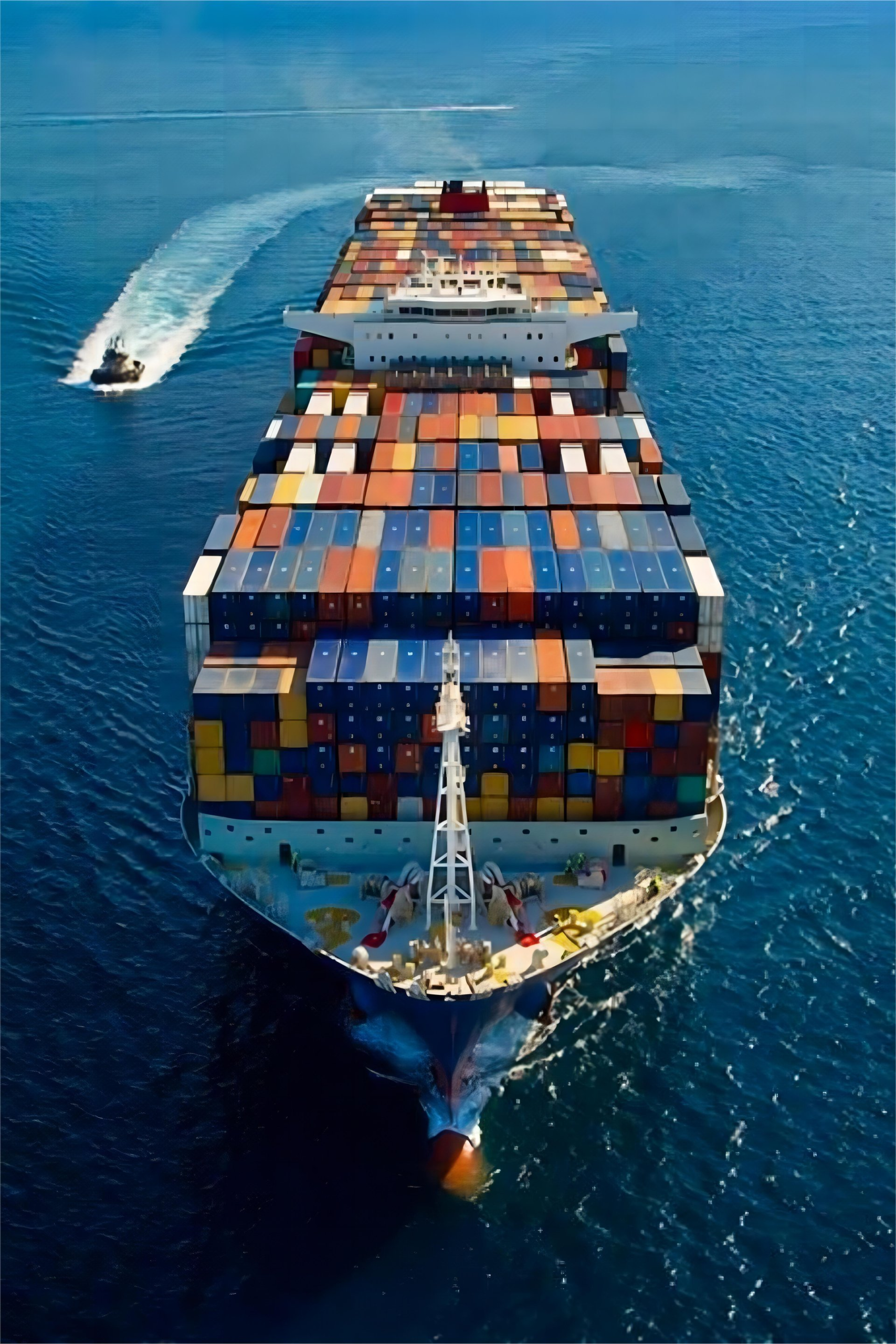
Strategic Cost-Saving Tips for Commercial Cargo
Reducing your landed cost is vital for maintaining healthy profit margins in the competitive German market. For instance, optimizing your packaging can lead to significant savings in both volume-based freight and warehouse handling fees.
Another effective strategy involves consolidating multiple small orders into a single FCL shipment. Meanwhile, choosing a freight forwarder with strong local networks in China can help you secure better contract rates with major carriers.
Additionally, consider the timing of your shipments to avoid the peak season surcharges that typically occur from August to October. Planning your inventory cycles around these periods can save your business thousands of dollars annually.
Which Option Should You Choose? Decision Framework
Choosing the right method for shipping to Europe depends on a careful analysis of your priorities. If your primary goal is cost reduction and you have ample lead time, sea freight is the logical choice.
On the other hand, if you need to restock inventory quickly to meet unexpected demand, rail freight provides the best balance of speed and cost. For urgent samples or high-margin items, air freight remains the most effective solution.
Finally, always factor in the total door-to-door cost rather than just the port-to-port rate. This holistic view includes trucking, customs fees, and insurance, providing a clearer picture of your actual investment.
Real Case Studies: Successful Shipments to Germany
Reviewing real-world examples can provide valuable insights into the practicalities of international logistics. Below are two scenarios based on typical commercial shipments handled in early 2026.
These cases highlight how different businesses choose their shipping methods based on specific cargo needs and market demands. Note: Freight rates are subject to change based on fuel costs, carrier capacity, and seasonal demand. Contact us for a current quote tailored to your specific shipment.
Case Study 1: Solar Panels to Hamburg
Route: Ningbo, China to Hamburg, Germany. Cargo: Photovoltaic modules, 68 CBM, 14,000 kg. Container: 2 x 40HQ FCL. Shipping Method: Sea Freight via COSCO.
Cost Breakdown: Ocean Freight: $7,800. Origin Charges: $650. Destination Charges: $900. Customs and Duties: $1,200. Total Landed Cost: $10,550.
Timeline: Booking to Loading: 5 days. Sea Transit: 33 days. Customs Clearance: 2 days. Total Door-to-Door: 45 days. Key Insight: Early booking during the Q1 slack season saved the client 15% on freight costs.
Case Study 2: Industrial Sensors to Munich
Route: Shenzhen, China to Munich, Germany. Cargo: Precision electronics, 2.5 CBM, 450 kg. Shipping Method: Rail Freight (LCL).
Cost Breakdown: Rail Freight: $1,100. Origin Charges: $200. Destination Charges: $350. Customs and Duties: $550. Total Landed Cost: $2,200.
Timeline: Booking to Loading: 3 days. Rail Transit: 19 days. Customs Clearance: 1 day. Total Door-to-Door: 28 days. Key Insight: Rail provided a 40% time saving over sea freight for a marginal cost increase.
Mastering Your German Import Strategy
Successfully managing import shipping from China to Germany commercial cargo requires a deep understanding of transport modes, customs regulations, and market trends. By leveraging the strengths of sea, rail, and air freight, you can build a resilient supply chain that supports your business growth.
As we move through 2026, staying informed about logistics developments and partnering with a reliable freight forwarder will be your greatest assets. Whether you prioritize cost, speed, or sustainability, there is a shipping solution tailored to your specific commercial needs.
In summary, proactive planning and clear documentation are the keys to avoiding delays and minimizing costs. Start optimizing your cargo routes today to secure a competitive advantage in the heart of Europe.