

Export Logistics China to Germany Services: 2026 Guide to Shipping Efficiency
Optimizing export logistics china to Germany services is essential for businesses aiming to maintain a competitive edge in the 2026 global market. Since international trade dynamics continue to evolve, finding a reliable partner like Global China Freight ensures your supply chain remains resilient and cost-effective. This comprehensive guide explores the most efficient methods for transporting cargo from Chinese manufacturing hubs to German industrial centers.
What are the Primary Export Logistics China to Germany Services in 2026?
Current market trends in 2026 indicate that businesses must balance speed and budget when selecting shipping modes. For instance, sea freight remains the most popular choice for high-volume shipments due to its lower cost per unit.
Moreover, the development of maritime infrastructure has significantly improved reliability on the Shanghai to Hamburg route. Consequently, many importers now utilize these services for bulk commodities and large consumer goods.
Additionally, the integration of digital tracking technologies allows for real-time monitoring of ocean containers. Therefore, companies can manage their inventory levels with much greater precision than in previous years.
How Does Rail Freight Compare to Other Shipping Options?
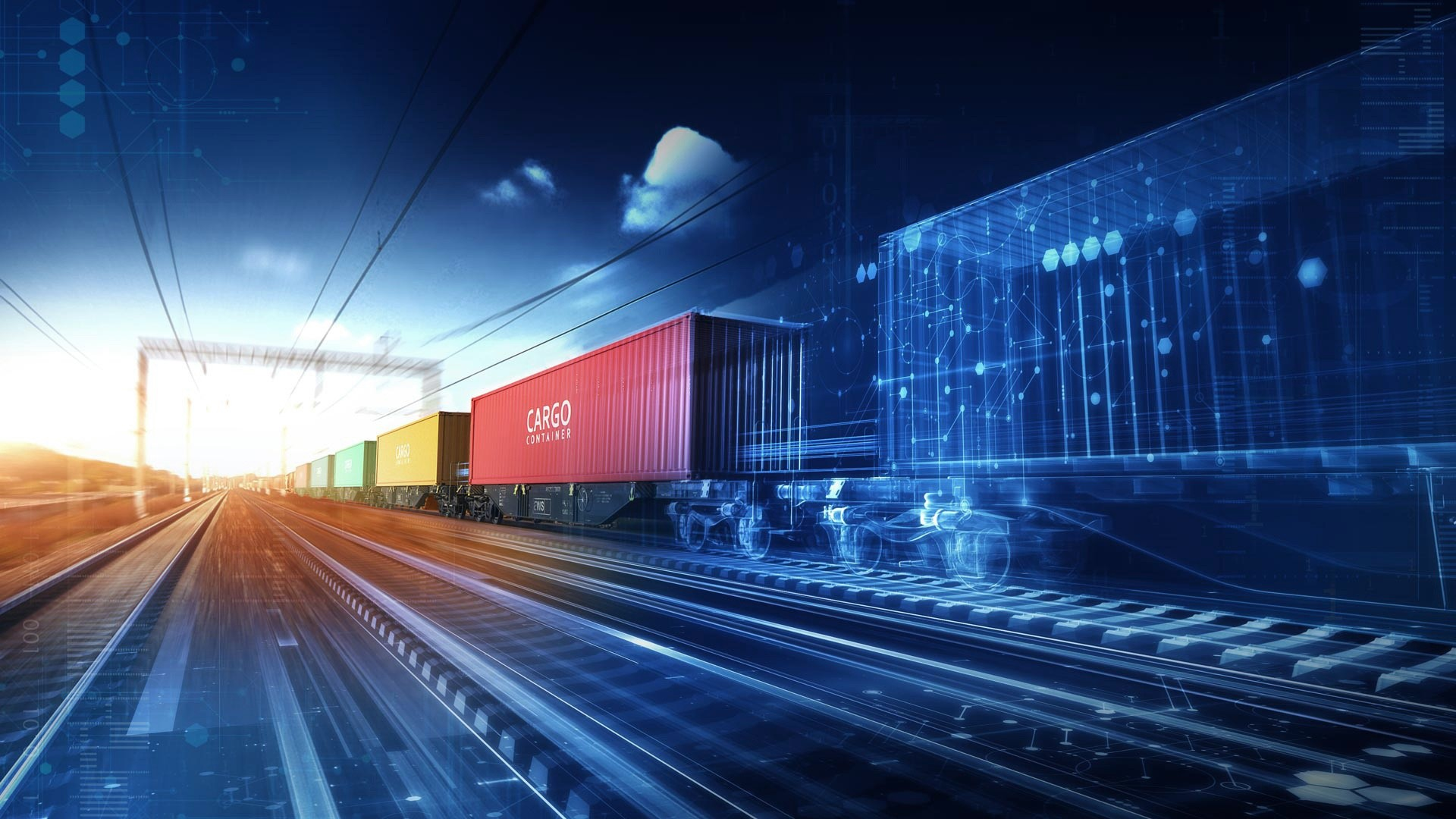
Rail transport has emerged as a vital middle-ground solution for modern supply chains. Specifically, rail freight offers a faster transit time than sea transport while being more affordable than air options.
Furthermore, the Silk Road rail connections have stabilized in early 2026, providing a consistent schedule between Xi’an and Duisburg. Indeed, this method is ideal for automotive parts and electronics that require a quicker turnaround.
In contrast, sea freight takes significantly longer but offers the lowest possible rates for non-urgent shipments. Consequently, the choice between rail and sea often depends on the specific urgency of the cargo.
| Shipping Method | Cost Range | Transit Time | Best For |
|---|---|---|---|
| Sea Freight (FCL) | $3,000 – $4,200 | 30-40 Days | Bulk & Large Volume |
| Rail Freight | $2,500 – $3,500 | 15-22 Days | Medium-sized Cargo |
| Air Freight | $4.50 – $7.00/kg | 5-8 Days | High-value Goods |
| Express Service | $8.00 – $12.00/kg | 3-5 Days | Small Parcels |
Why Should You Consider Air Freight for Urgent Cargo?
When time is the most critical factor, air freight provides the fastest connection between Chinese exporters and German buyers. Specifically, high-tech components and seasonal fashion items benefit most from this rapid delivery schedule.
Nevertheless, the higher cost of air transport requires careful budget planning to ensure profitability. As a result, many businesses reserve air services for emergency restocks or high-margin product launches.
Moreover, the capacity of cargo airlines in 2026 has expanded to meet the growing demand for rapid cross-border e-commerce. Consequently, freight rates have become more competitive despite the premium nature of the service.
The Importance of Customs Brokerage in Export Logistics
Navigating the complexities of German customs regulations is a significant challenge for many importers. Therefore, utilizing professional customs brokerage services is essential to avoid costly delays at the border.
Furthermore, German authorities maintain strict standards regarding product safety and environmental compliance. Indeed, missing documentation can lead to cargo seizures or heavy fines for the importing party.
In addition, digital customs filing systems have become mandatory in 2026, requiring precise data entry. Accordingly, expert brokers ensure that all electronic declarations are submitted accurately and on time.
| Document Type | Required For | Purpose | Availability |
|---|---|---|---|
| Commercial Invoice | All Shipments | Value Verification | Mandatory |
| Packing List | All Shipments | Content Detail | Mandatory |
| Bill of Lading | Sea/Rail | Title of Goods | Mandatory |
| CE Certificate | Electronics | Safety Compliance | Product Specific |
Which Option Should You Choose? A Decision Framework
Choosing the right logistics strategy requires a thorough analysis of your specific business needs and cargo characteristics. For instance, if your primary goal is budget priority, we recommend sea freight for shipments over 15 CBM.
On the other hand, if speed is your priority for smaller volumes, air freight or express services are the most suitable alternatives. Meanwhile, those seeking a balance between cost and speed should investigate rail solutions.
Additionally, cargo type considerations play a major role in the decision-making process. To summarize, hazardous materials or oversized machinery may have limited options compared to standard palletized consumer goods.
Real Case Studies: Successful Export Logistics in 2026
Analyzing real-world examples provides valuable insight into how different shipping methods perform in the current market. These cases illustrate the diversity of export logistics china to Germany services available today.
Specifically, these scenarios reflect the actual costs and timelines experienced by businesses during the first half of 2026. Without a doubt, planning ahead is the most consistent factor in achieving successful delivery outcomes.
Case Study 1: High-Volume Consumer Electronics
Route: Shenzhen, China to Hamburg, Germany
Cargo: Smart Home Devices, 65 CBM, 12,000 kg
Container: 1 x 40HQ
Shipping Details: Major carrier, Direct Sea Route
Cost Breakdown: Ocean Freight: $3,850; Origin Charges: $450; Destination Charges: $600; Total Landed Cost: $4,900
Timeline: 34 Days Door-to-Door
Key Insight: Using FCL sea freight saved the client over $15,000 compared to air freight while maintaining a healthy inventory buffer.
Case Study 2: Urgent Automotive Parts
Route: Zhengzhou, China to Munich, Germany
Cargo: Engine Components, 5 CBM, 800 kg
Method: Rail Freight (LCL)
Shipping Details: Trans-Eurasia Logistics, Rail to Duisburg Hub
Cost Breakdown: Rail Freight: $1,250; Customs & Duties: $800; Local Delivery: $350; Total Landed Cost: $2,400
Timeline: 19 Days Door-to-Door
Key Insight: Rail freight provided a critical 15-day time saving over sea freight, preventing a production line stoppage in Bavaria.
Alternative Strategies and Hybrid Logistics Solutions
Innovative logistics managers often look beyond traditional single-mode transport to find the best value. For example, a sea-air hybrid solution involves shipping goods by sea to a hub like Dubai and then flying them to Germany.
Consequently, this approach can reduce costs by 40% compared to pure air freight while still arriving much faster than sea freight. Furthermore, some companies utilize door to door services to simplify the entire management process.
Indeed, managing multiple carriers can be complex, so a unified service provider often yields better results. Therefore, consolidation strategies for LCL shipments are highly recommended for smaller businesses in 2026.
Final Thoughts on Export Logistics China to Germany Services
Success in the German market depends heavily on the reliability of your export logistics china to Germany services. By understanding the trade-offs between sea, air, and rail freight, you can make informed decisions that protect your margins.
Furthermore, staying informed about 2026 market trends and customs requirements will prevent unexpected disruptions. To summarize, a balanced approach combining different shipping modes and expert brokerage is the most effective way to manage international trade.
Note: Freight rates are subject to change based on fuel costs, carrier capacity, and seasonal demand. Contact us for a current quote tailored to your specific shipment.
Get Your Shipping Quote Today
Streamline your supply chain today with professional export logistics china to Germany services. Contact our experts at Global China Freight to receive a customized quote and optimize your shipping strategy for 2026.
Request Quote