


FCL Shipping China to Germany 20GP Price: 2026 Cost Guide
Shipping goods across continents requires a strategic approach to balance speed and expenditure. Navigating the FCL shipping china to Germany 20GP price landscape in 2026 involves understanding market fluctuations, carrier capacities, and port efficiency. At Global China Freight, we help businesses streamline their supply chains by providing transparent pricing and reliable logistics solutions for the modern trade era.
What Determines the FCL Shipping China to Germany 20GP Price?
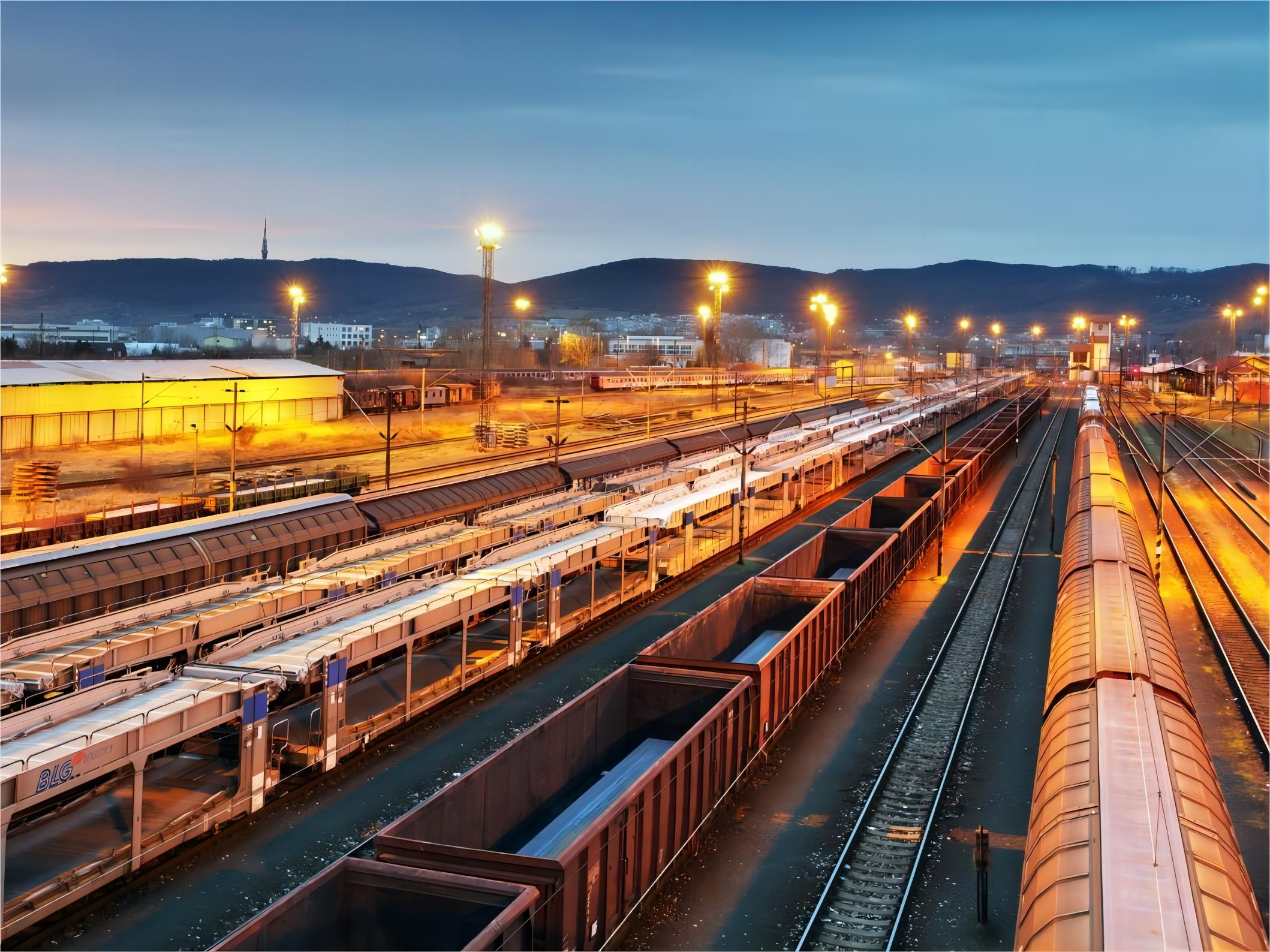
Understanding the primary drivers behind shipping costs is the first step toward effective budgeting. Several variables influence the FCL shipping china to Germany 20GP price, ranging from fuel costs to seasonal demand spikes. Specifically, the Bunker Adjustment Factor (BAF) fluctuates based on global oil prices, directly impacting the ocean freight rates set by carriers.
Market demand plays a massive role in how much you pay for a 20ft container. During peak seasons, such as the lead-up to the Golden Week or the Christmas holidays, space on vessels becomes scarce. Consequently, freight forwarders and carriers often implement General Rate Increases (GRI) that can raise prices by several hundred dollars overnight.
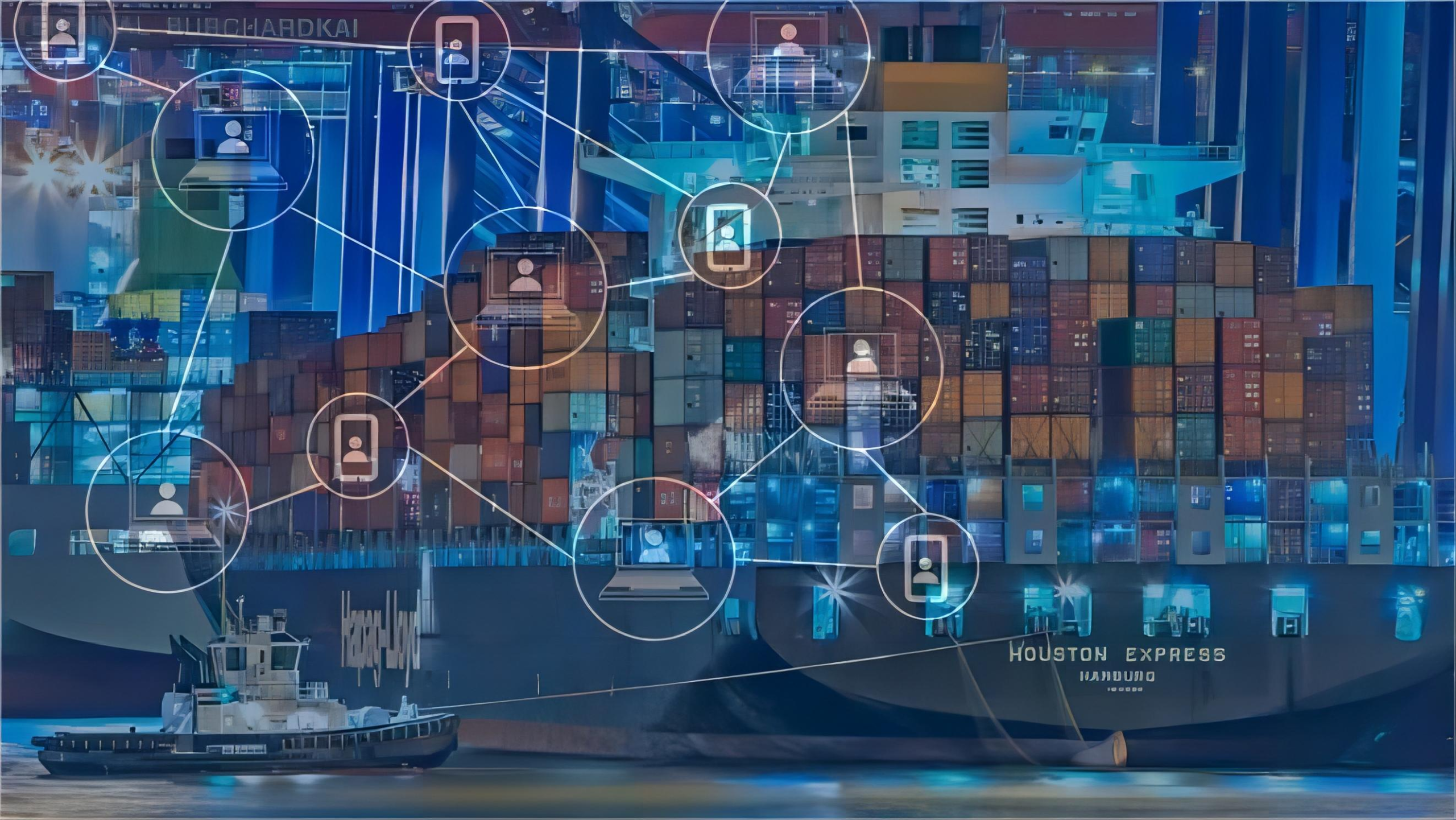
Port congestion remains a critical factor in the 2026 logistics environment. When major hubs like Shanghai or Hamburg experience delays, the turnaround time for containers increases. This scarcity of available equipment often leads to higher equipment imbalance surcharges, which are passed down to the shipper.
The Impact of Fuel and Sustainability Surcharges
Environmental regulations in 2026 have introduced new costs for maritime transport. Carriers now invest heavily in low-sulfur fuels and carbon offset programs to meet international standards. Therefore, shippers should expect a ‘Green Surcharge’ as part of their total FCL shipping china to Germany 20GP price breakdown.
How Does Sea Freight Compare to Other Shipping Options?
Evaluating different transport modes is essential for any business importing from China. While sea freight is the traditional choice for FCL shipments, rail and air alternatives offer varying benefits. Selecting the right method depends on your specific timeline and the value of the goods being transported.
Sea freight offers the lowest cost per unit, making it ideal for bulk commodities and heavy machinery. In contrast, rail freight serves as a faster middle-ground solution, utilizing the extensive trans-Eurasian rail networks. Although rail is more expensive than sea, it can cut transit times by nearly 50 percent.
Air freight remains the premium option for urgent shipments. While the cost is significantly higher, the speed is unmatched for high-value electronics or medical supplies. Indeed, most businesses use a combination of these methods to maintain a flexible and resilient supply chain.
| Shipping Method | Cost Range (USD) | Transit Time | Best For |
|---|---|---|---|
| Sea Freight (20GP) | $1,900 – $2,500 | 30-40 Days | Bulk Goods, Low Cost |
| Rail Freight (20GP) | $3,500 – $4,800 | 18-22 Days | Medium Urgency, Landlocked |
| Air Freight (500kg) | $2,500 – $3,500 | 5-8 Days | High Value, Urgent |
| Sea-Air Hybrid | $2,800 – $3,800 | 15-20 Days | Balanced Speed/Cost |

Analyzing FCL vs LCL for Your Germany Shipments
Deciding between Full Container Load (FCL) and Less than Container Load (LCL) is a pivotal moment in logistics planning. For shipments destined for Europe, the threshold for switching to FCL is usually around 15 cubic meters. If your cargo exceeds this volume, booking a dedicated 20GP container is almost always more economical.
FCL shipping offers better security and faster handling compared to LCL. Because your goods are the only ones in the container, there is no need for consolidation or deconsolidation at the ports. Furthermore, this reduces the risk of physical damage and simplifies the customs clearance process upon arrival in Germany.
LCL remains a viable option for small businesses or trial orders. However, you must account for the higher cost per cubic meter and the potential for longer transit times. Consequently, many growing companies transition to FCL as soon as their order volumes stabilize to capitalize on the lower unit shipping costs.
Current FCL Shipping China to Germany 20GP Price Trends in 2026
Market data suggests that freight rates have entered a period of relative stability in early 2026. Following the disruptions of previous years, carrier capacity has increased with the introduction of new, larger vessels. This surplus in TEU (Twenty-foot Equivalent Unit) capacity has prevented drastic price hikes despite steady demand.
Seasonal patterns still dictate short-term price movements. For instance, rates typically increase by 15-25 percent during the August to October peak season as retailers stock up for the winter. To avoid these peaks, savvy importers often negotiate long-term contracts with freight forwarders to lock in more predictable rates.
Geopolitical stability in key transit corridors like the Suez Canal has also contributed to price normalization. As a result, transit times have become more reliable, allowing for better inventory management. Nevertheless, shippers should always include a buffer in their budget for unforeseen surcharges like port congestion or sudden fuel price shifts.
| Origin Port | Destination Port | 20GP Price Range | Transit Time |
|---|---|---|---|
| Shanghai | Hamburg | $2,100 – $2,450 | 32 Days |
| Shenzhen | Bremerhaven | $2,000 – $2,350 | 28 Days |
| Ningbo | Wilhelmshaven | $2,050 – $2,400 | 30 Days |
| Qingdao | Hamburg | $2,150 – $2,500 | 35 Days |
Real-World Case Studies: Shipping to Germany
Examining real-world scenarios provides valuable context for your own shipping strategy. These cases reflect actual market conditions in late 2025 and early 2026, highlighting the various costs and timelines involved in different logistics approaches. Use these examples to benchmark your current shipping performance and identify areas for improvement.
Case Study 1: Electronics from Shenzhen to Hamburg Route: Shenzhen, China to Hamburg, Germany Cargo: Consumer Electronics, 24 CBM, 12,000 kg Container: 20GP Shipping Details: – Carrier: Major Ocean Carrier (Direct) – Port of Loading: Shenzhen (Yantian) – Port of Discharge: Hamburg Cost Breakdown: – Ocean Freight: $2,150 – Origin Charges: $350 – Destination Charges: $420 – Customs & Duties: $1,200 – Total Landed Cost: $4,120 Timeline: – Booking to Loading: 4 days – Sea Transit: 30 days – Customs Clearance: 2 days – Total Door-to-Door: 36 days Key Insight: Using a direct route from Shenzhen saved 5 days compared to transshipment options, which was crucial for the client’s product launch.
Case Study 2: Industrial Machinery via Rail to Duisburg Route: Chengdu, China to Duisburg, Germany Cargo: Spare Parts, 20 CBM, 8,000 kg Container: 20GP Shipping Details: – Service: China-Europe Railway Express – Origin Terminal: Chengdu International Railway Port – Destination Terminal: Duisburg Intermodal Terminal Cost Breakdown: – Rail Freight: $4,200 – Handling Fees: $500 – Customs Brokerage: $200 – Total Landed Cost: $4,900 Timeline: – Loading to Departure: 3 days – Rail Transit: 19 days – Customs Clearance: 1 day – Total Door-to-Door: 23 days Key Insight: Rail freight was 35 percent faster than sea, allowing the manufacturer to avoid a production line shutdown in Germany.
Navigating Customs and Documentation for German Imports
Professional customs brokerage services are indispensable for navigating the strict German regulatory environment. Germany adheres to EU customs laws, which require precise classification of goods using HS codes. Incorrect classification can lead to overpayment of duties or, worse, significant fines and cargo seizures.
Essential documents for your 20GP shipment include the Bill of Lading (B/L), Commercial Invoice, and Packing List. Additionally, a Certificate of Origin may be required to benefit from specific trade agreements. Ensuring all paperwork is complete and accurate before the vessel arrives is the best way to prevent demurrage and detention charges.
Digitalization has streamlined the customs process in 2026. Most German ports now use automated systems for cargo release, which speeds up the process significantly. However, human expertise is still required to manage complex inspections or specific commodity requirements like CE marking for electronics.
| Document Name | Purpose | Provider | Criticality |
|---|---|---|---|
| Bill of Lading | Title of Goods | Carrier | High |
| Commercial Invoice | Value Declaration | Shipper | High |
| Packing List | Cargo Details | Shipper | High |
| EORI Number | EU Importer ID | German Customs | High |
Alternative Strategies for Cost-Effective Shipping
Implementing alternative strategies can help you manage the FCL shipping china to Germany 20GP price more effectively. For instance, considering transshipment via Mediterranean ports can sometimes offer lower ocean freight rates. While this adds a few days to the transit time, the cost savings can be substantial for non-urgent goods.
Sea-air hybrid solutions have gained popularity for high-fashion and tech industries. Goods are shipped by sea to a hub like Dubai and then flown to Germany. This approach provides a significant speed advantage over pure sea freight while remaining much cheaper than direct air transport.
Consolidating multiple smaller shipments into a single 20GP container is another excellent way to save money. If you have several suppliers in the same region, using a freight forwarder’s warehouse to consolidate cargo can reduce your total logistics spend. Moreover, optimizing your packaging to maximize container space ensures you aren’t paying to ship air.
Which Option Should You Choose?
Selecting the best shipping method requires a clear understanding of your business priorities. If your primary goal is to minimize the FCL shipping china to Germany 20GP price, sea freight is the clear winner. This method is best for large-scale inventory replenishment where lead times are manageable.
Speed-oriented businesses should prioritize rail or air freight. If you are dealing with perishable goods or high-demand seasonal items, the higher cost of these methods is often justified by the faster time-to-market. Furthermore, rail freight offers a more sustainable profile compared to air, which is increasingly important for European corporate social responsibility goals.
Cargo type also dictates the choice. Heavy or oversized machinery is often restricted to sea freight due to weight limits on planes and trains. Conversely, fragile high-tech components benefit from the smoother handling and shorter transit times of air or rail. Ultimately, a balanced approach using multiple modes is often the most resilient strategy.
Mastering Your China to Germany Logistics
Successfully managing the FCL shipping china to Germany 20GP price requires a combination of market intelligence, strategic planning, and reliable partnerships. By understanding the factors that drive costs and exploring all available transport modes, you can build a supply chain that is both cost-effective and resilient.
As we move through 2026, staying informed about market trends and regulatory changes will remain essential. Whether you choose the traditional sea route or the faster rail network, the key is to work with experienced professionals who can navigate the complexities of international trade. Start optimizing your shipments today to ensure your business remains competitive in the global marketplace.
Need a tailored shipping solution?
Ready to optimize your logistics? Contact us today for a precise FCL shipping china to Germany 20GP price quote tailored to your needs. Send Inquiry: https://globalchinafreight.com/