


Cheapest Shipping from China to Germany Sea Air Comparison 2026
Finding the cheapest shipping from china to Germany sea air comparison is a fundamental requirement for businesses aiming to maintain healthy profit margins in 2026. However, the decision between these transportation modes involves a complex balance of transit speed, reliability, and total landed costs. Consequently, this guide provides a detailed breakdown of the logistics landscape to help you optimize your international supply chain effectively.

Understanding the Cheapest Shipping from China to Germany Sea Air Comparison
Selecting the right transport method requires more than just looking at the initial quote from a freight forwarder. Moreover, the current market conditions in early 2026 have introduced new variables such as fluctuating fuel surcharges and changing port capacities. Shipping experts emphasize that a thorough analysis must include origin charges, destination fees, and potential customs duties.
Therefore, we must examine how sea, air, and rail freight stack up against each other in the current economic climate. When you evaluate these options, you are essentially trading time for money. Additionally, the type of cargo you are moving will significantly influence which method provides the best value for your specific business needs.
Importers often struggle with the trade-offs between the slow but steady pace of ocean vessels and the rapid delivery of air cargo. Furthermore, the emergence of rail freight as a middle-ground solution has added another layer of complexity to the decision-making process. Indeed, understanding these nuances is the first step toward achieving logistics excellence.
Sea Freight: The Most Economical Choice for Large Volumes
Consider sea freight as the primary option for shipments that exceed 15 cubic meters or weigh several tons. Meanwhile, the cost per unit for ocean transport remains the lowest among all available methods, making it ideal for bulk commodities and consumer goods. Large containers allow for massive economies of scale that other transport modes simply cannot match.
As of the first quarter of 2026, ocean freight rates have stabilized following the volatility of previous years. Because most ships follow a fixed schedule, businesses can plan their inventory cycles with a reasonable degree of certainty. FCL or Full Container Load shipping offers the best protection and pricing for those who can fill an entire 20ft or 40ft container.
LCL or Less than Container Load is a viable alternative for smaller shipments that do not require a full box. Nevertheless, LCL involves higher handling fees at both the origin and destination ports due to the consolidation process. In addition, transit times for LCL are typically 5 to 7 days longer than FCL because of the extra time needed for loading and unloading at the warehouse.
| 20GP Container | $1,900 – $2,600 | 28-30 CBM | 30-35 Days |
| 40GP Container | $2,900 – $3,900 | 58-60 CBM | 30-35 Days |
| 40HQ Container | $3,100 – $4,300 | 68-70 CBM | 30-35 Days |
| LCL (per CBM) | $60 – $95 | 1-15 CBM | 38-45 Days |
Air Freight: When Speed Justifies the Higher Cost
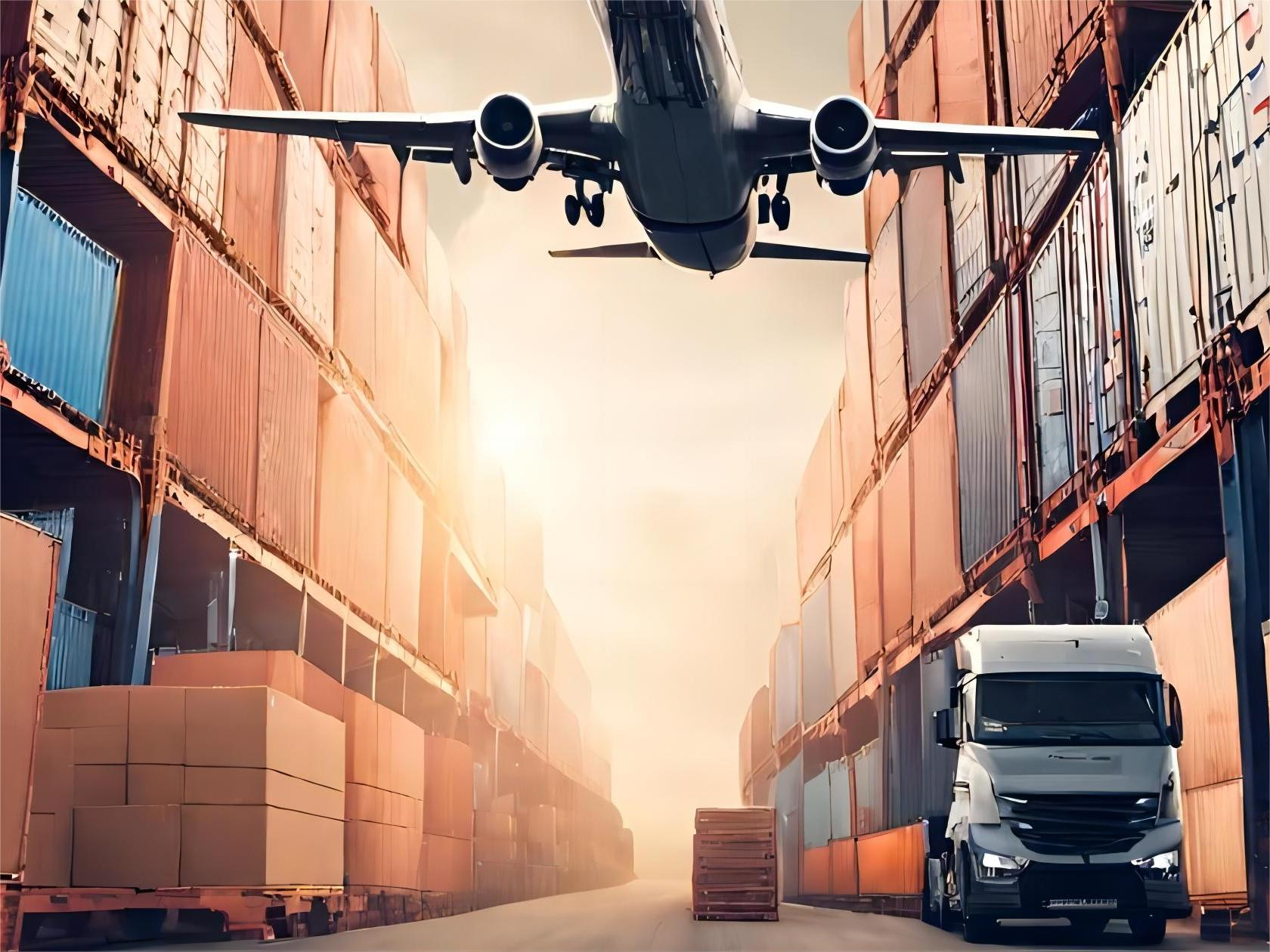
Utilizing air freight is often necessary for high-value electronics, fashion samples, or urgent replacement parts. Rapid transit times of 3 to 7 days allow companies to react quickly to market demands and minimize the risk of stockouts. High security at airport terminals also reduces the likelihood of theft or damage compared to long sea voyages.
Although the price per kilogram is significantly higher than other modes, air transport reduces the need for extensive safety stock in warehouses. Consequently, this can lead to lower inventory carrying costs and improved cash flow for the business. Air cargo rates in 2026 are influenced heavily by jet fuel prices and the availability of belly space in passenger planes.
Usually, air freight becomes cost-prohibitive for goods with low value-to-weight ratios, such as heavy machinery or cheap plastic goods. For instance, shipping a ton of cargo by air might cost $5,000, whereas sea freight for the same weight would be a fraction of that price. Therefore, air transport should be reserved for specific scenarios where time is the most critical factor.
Rail Freight: The Strategic Middle Ground for European Logistics
Selecting rail freight offers a unique combination of speed and cost-efficiency for shipments between China and Germany. This method is roughly 50 percent faster than sea freight and up to 70 percent cheaper than air freight. Connecting major Chinese hubs like Xi an or Chengdu directly to German cities like Duisburg or Hamburg makes rail a powerful logistics tool.
This mode of transport is particularly effective for automotive parts and industrial equipment that require faster delivery than a ship but cannot afford air rates. Transit times typically range from 15 to 22 days depending on the specific rail line and border crossings. Meanwhile, the environmental impact of rail is significantly lower than air, appealing to companies with strict sustainability goals.
Similarly, rail freight provides a more stable pricing environment compared to the seasonal spikes often seen in the ocean freight market. However, capacity on the Trans-Eurasian rail network can be limited during peak seasons. Accordingly, businesses should book their rail shipments at least two weeks in advance to secure space on the departing trains.
How Does Sea Freight Compare to Other Shipping Options?
Comparing these methods requires a clear look at the trade-offs involved in terms of budget and delivery speed. While sea freight is the undisputed champion for cost, it lacks the agility required for rapid market shifts. Costs for sea transport are generally calculated per container or per cubic meter, whereas air freight uses actual weight or volumetric weight.
Speed differences are stark, with air arriving in days, rail in weeks, and sea in over a month. Reliability also varies, as sea freight is more susceptible to port congestion and weather delays. In contrast, air freight maintains a very high on-time performance rate due to the frequency of flights and sophisticated tracking systems.
Choosing between them often depends on the total volume and the urgency of the shipment. For example, a shipment of 500kg might be borderline between air and sea LCL, but a 5,000kg shipment will almost always go by sea or rail. Examining the table below helps clarify these distinctions for 2026 shipping routes.
| Cost Level | Lowest | Highest | Moderate |
| Transit Time | 30-45 Days | 3-7 Days | 15-22 Days |
| Best For | Bulk / Heavy | Urgent / Light | Medium Weight |
| Limitations | Very Slow | High Cost | Limited Routes |
Which Option Should You Choose for Your Business?
Budget priority dictates that you should almost always choose sea freight for non-urgent shipments. If your profit margins are thin, the savings from ocean transport can be the difference between success and failure. On the other hand, if you are launching a new product and need it in German stores immediately, air freight is the only viable path.
Time priority suggests that for any shipment needed in less than two weeks, air is the standard choice. Rail serves as an excellent alternative for those who can wait three weeks but cannot wait six. Volume thresholds also play a role; once you hit 15 CBM, a 20ft sea container becomes the most logical choice for most businesses.
Cargo type considerations are equally important, as hazardous materials or oversized items may have restrictions on planes or trains. Heavy machinery is best suited for sea freight due to the weight limits on aircraft and rail wagons. Finally, always consult with a professional to determine if a hybrid solution like sea-air could meet your specific needs.
Real-World Case Studies: China to Germany Shipping in 2026
Case Study 1: Electronics from Shenzhen to Hamburg. A tech company moved 800kg of consumer electronics using LCL sea freight to save costs. The ocean freight cost was $950 with a total door-to-door transit time of 42 days. Key insight: Planning ahead allowed the company to avoid expensive air freight during the Q4 peak season.
Case Study 2: Fashion Samples from Shanghai to Frankfurt. A retail brand required 150kg of new season samples within a week. They chose air freight at a cost of $1,050, and the goods arrived in just 4 days. Successful delivery allowed the brand to begin their marketing campaign on schedule without delay.
Case Study 3: Industrial Parts from Xi an to Duisburg. A manufacturer shipped a 40HQ container of automotive components via rail freight. The total cost was $6,200 with a transit time of 19 days. Moving by rail saved them 15 days compared to sea freight while costing 60 percent less than air transport.
Navigating Customs Clearance and Documentation
Professional customs brokerage services are essential for ensuring that your goods enter Germany without legal complications. Documentation such as the Commercial Invoice, Packing List, and Bill of Lading must be perfectly accurate to avoid delays. Errors in HS codes can lead to significant fines or even the seizure of your cargo by German customs authorities.
Taxes and duties in the European Union are calculated based on the CIF value of the goods, which includes cost, insurance, and freight. In addition to import duties, you will also be responsible for the German Import VAT, which is currently 19 percent. Understanding these financial obligations beforehand allows you to calculate your true landed cost accurately.
Market data suggests that over 30 percent of shipping delays are caused by improper documentation rather than logistical failures. Consequently, working with an experienced forwarder who understands the Atlas customs system in Germany is highly recommended. Indeed, smooth customs clearance is just as important as the physical transport of the goods.
Strategies to Reduce Your Total Shipping Costs
Reducing your expenses starts with choosing door to door services that consolidate all fees into a single transparent quote. Consolidating multiple small shipments into one larger LCL or FCL shipment can also lead to significant savings. Negotiating with multiple carriers and booking during off-peak periods will further drive down your logistics spend.
Effective packaging is another often-overlooked strategy for cost reduction. By minimizing the volume of your boxes, you can fit more units into a container or reduce the volumetric weight for air shipments. Planning your production schedule to avoid the August to October peak season will help you escape the highest freight rates of the year.
Logistics management software can provide real-time visibility into your supply chain, allowing you to identify and eliminate inefficiencies. Germany remains a highly competitive market, so every Euro saved on shipping contributes directly to your bottom line. Most importantly, building a long-term relationship with a reliable freight forwarder can result in better service and lower rates over time.
Mastering the Cheapest Shipping from China to Germany Sea Air Comparison
To summarize, finding the cheapest shipping from china to Germany sea air comparison requires a holistic view of your business needs and market trends. While sea freight remains the king of low-cost transport, air and rail provide essential alternatives for speed and balance. By understanding the costs, transit times, and customs requirements, you can make informed decisions that protect your margins.
Every shipment is unique, and the best choice today may not be the best choice tomorrow as market conditions fluctuate. Stay proactive in your logistics planning and always look for ways to optimize your shipping routes and methods. With the right strategy and a professional partner, you can navigate the complexities of China-Germany trade with confidence and success.

Ready to streamline your logistics?
Optimizing your logistics strategy is the key to thriving in the 2026 global market. Whether you need the speed of air or the economy of sea, our team is ready to provide you with the most competitive rates and reliable service for your route from China to Germany. Contact us today to receive a customized quote and take the first step toward a more efficient supply chain. Send Inquiry
Request Quote