

Customs Clearance China to Germany Import: 2026 Logistics Guide
Navigating the complexities of customs clearance China to Germany import is a critical step for businesses aiming to optimize their European supply chain in 2026. Many successful importers rely on the expertise of Global China Freight to manage these complex logistical hurdles effectively. Consequently, understanding the specific documentation and tax requirements will prevent costly delays at the German border. This comprehensive guide provides the latest strategies for ensuring your cargo moves across borders without unnecessary friction.
Understanding the Basics of Customs Clearance China to Germany Import
Importing goods into Germany requires strict adherence to both national laws and European Union customs regulations. The German Customs administration, known as Zoll, oversees the entry of all commercial goods to ensure safety and tax compliance. Furthermore, the Union Customs Code (UCC) provides the legal framework for all trade activities within the EU territory.
Importers must classify their goods correctly using the Harmonized System (HS) code to determine applicable duty rates. Incorrect classification often leads to significant fines or lengthy cargo seizures at the port of entry. Meanwhile, staying informed about the 2026 trade policies helps businesses avoid unexpected regulatory changes that could impact their bottom line.
Compliance remains the foundation of a successful international trade operation in the current market. Specifically, businesses should verify that their suppliers in China provide accurate descriptions of the cargo to match German standards. Therefore, establishing a clear communication channel with your logistics provider is essential for maintaining a smooth flow of goods.
Essential Documentation for Your Shipment
Accurate documentation serves as the primary tool for customs officers to verify the value and nature of your cargo. Every shipment must include a detailed commercial invoice that lists the buyer, seller, and a clear description of the items. Additionally, a packing list is required to specify the weight, dimensions, and packaging type of every individual unit.
The Bill of Lading or Air Waybill acts as the contract of carriage and must be presented during the clearance process. Moreover, certain products like electronics or chemicals might require specific certificates of conformity or safety data sheets. Consequently, gathering these documents well in advance of the vessel arrival prevents last-minute panics at the terminal.
Importers should also ensure that the value declared on the invoice matches the actual transaction price to avoid valuation disputes. German authorities frequently audit shipments where the declared value seems unusually low compared to market benchmarks. Indeed, transparency in your documentation is the fastest way to pass through customs inspections.
| Document Name | Purpose | Required By | Format |
|---|---|---|---|
| Commercial Invoice | Value Declaration | Customs / Zoll | Digital/Original |
| Packing List | Cargo Specification | Warehouse/Customs | Digital |
| Bill of Lading | Title of Goods | Carrier/Customs | Original/Telex |
| EORI Number | Importer ID | EU Authorities | Registration Code |
How Does Rail Freight Compare to Other Shipping Options?
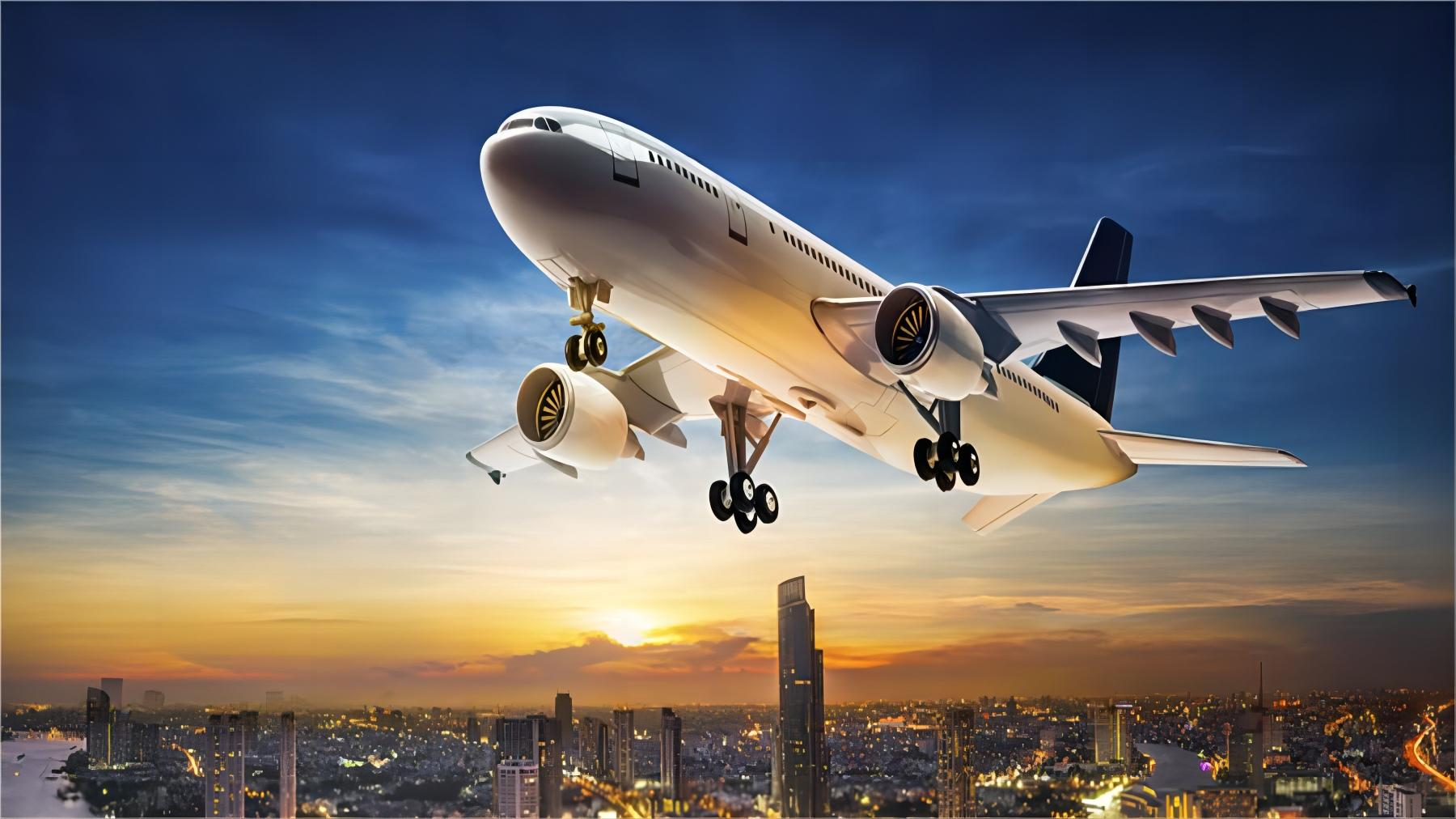
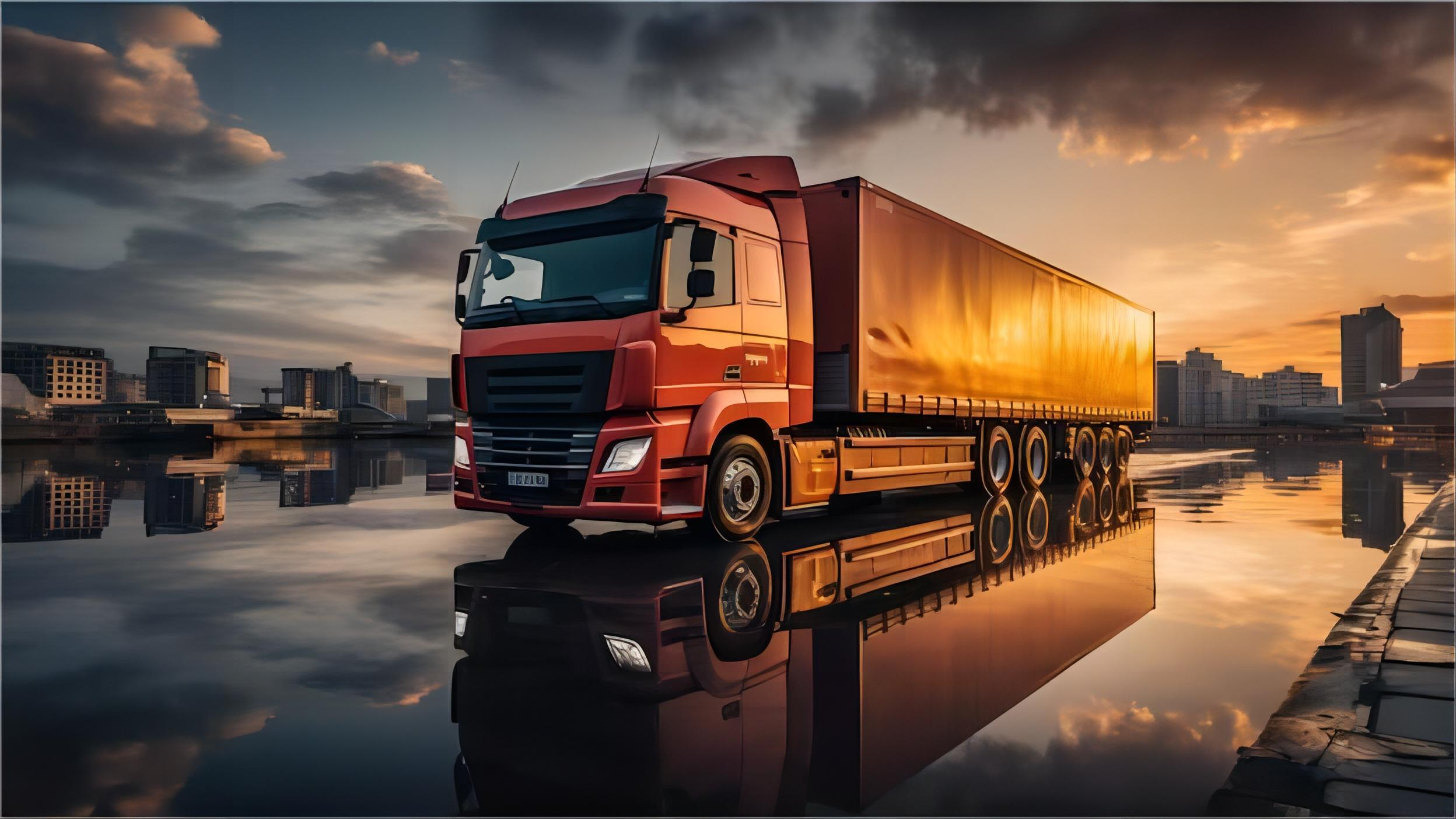
Selecting the right transport mode is a vital component of managing your customs clearance China to Germany import strategy. While sea freight remains the most popular choice for bulk commodities, it involves the longest transit times. In contrast, air freight offers unmatched speed for high-value or urgent electronics but at a much higher cost.
Rail freight has emerged as a highly reliable middle-ground solution for shipments moving across the Eurasian land bridge. Many businesses choose rail freight because it balances cost-efficiency with faster delivery than ocean transport. Furthermore, the 2026 logistics trends show a growing preference for rail due to its lower carbon footprint compared to air transport.
Transit times for rail shipments from major Chinese hubs like Chengdu or Xi’an to Duisburg typically range between 18 and 22 days. This speed allows companies to maintain leaner inventory levels while avoiding the extreme costs of express shipping. However, rail capacity can become tight during peak seasons, making early booking a necessity for consistent supply chain performance.
| Method | Cost Range (40HQ) | Transit Time | Best For |
|---|---|---|---|
| Sea Freight | $3,000 – $4,200 | 28-35 Days | Bulk/Low Value |
| Rail Freight | $4,500 – $6,000 | 18-22 Days | Industrial Parts |
| Air Freight | $12,000 – $18,000 | 5-7 Days | Urgent/High Value |

Which Option Should You Choose for German Imports?
Deciding on the best shipping method requires a careful analysis of your budget, cargo volume, and delivery deadlines. If your primary goal is cost reduction and you have flexible timelines, ocean transport is undoubtedly the superior choice. For shipments under 15 CBM, using LCL services is often more economical than paying for a full container.
Speed-oriented businesses should prioritize air freight or express services to keep their shelves stocked with the latest products. Nevertheless, the high cost of air transport means it is usually reserved for items with high profit margins or critical components. Meanwhile, rail freight serves as an excellent alternative for mid-value goods that need to arrive faster than sea transit allows.
Hybrid solutions, such as sea-air combinations, can also offer unique advantages by bypassing congested ports during peak periods. As of early 2026, many importers are diversifying their routes to include both rail and sea to mitigate potential disruptions. Consequently, a multi-modal approach provides the resilience needed in today’s volatile global market.
| Priority | Recommended Method | Volume Threshold | Cost Impact |
|---|---|---|---|
| Lowest Cost | Sea Freight (FCL) | Over 20 CBM | Baseline |
| Max Speed | Air Freight | Any Volume | High |
| Balanced | Rail Freight | Over 10 CBM | Moderate |
| Small Cargo | Sea Freight (LCL) | Under 15 CBM | Low |
Case Studies: Real-World Import Scenarios
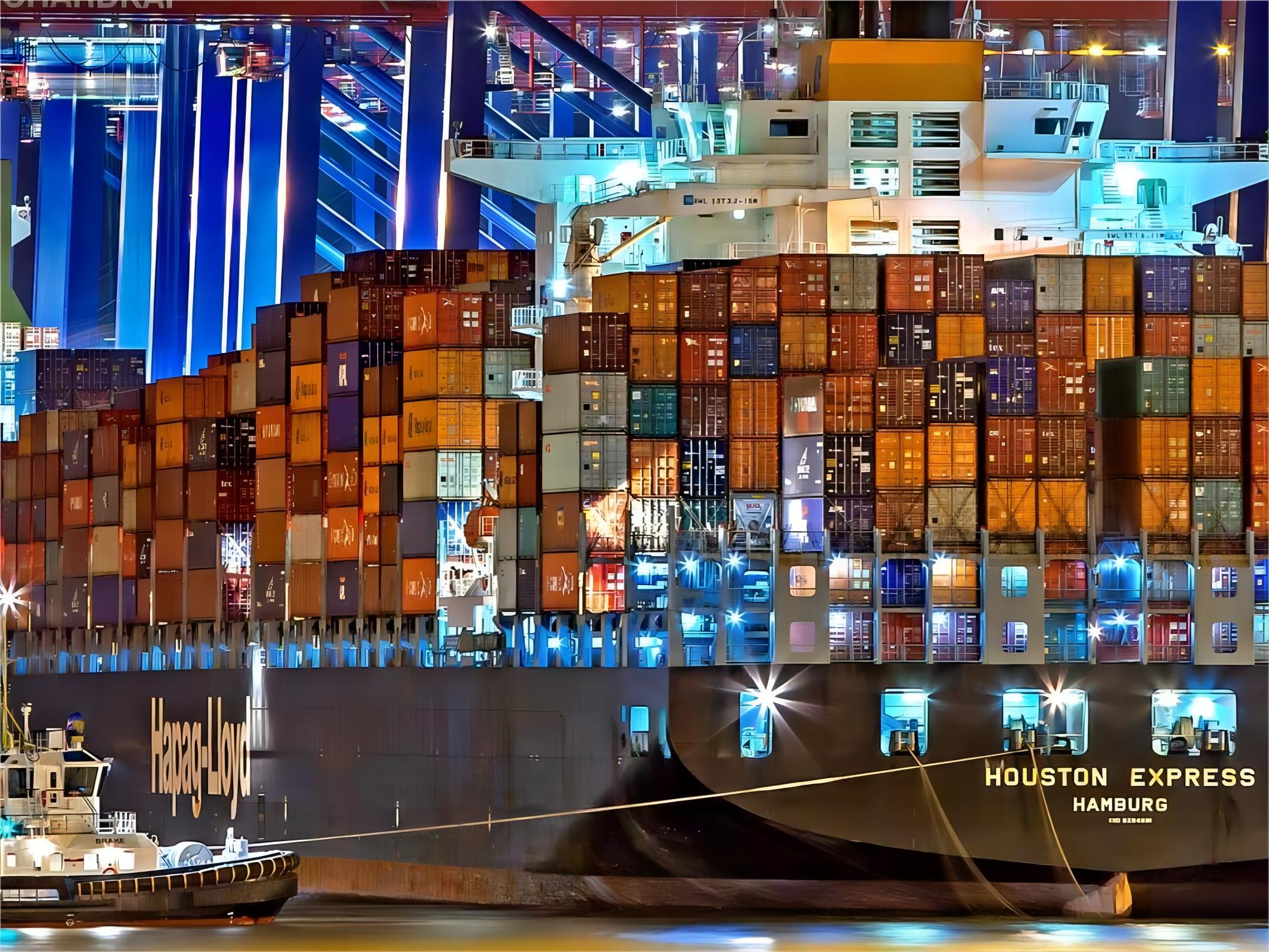
Case Study 1: Industrial Machinery from Shanghai to Hamburg Route: Shanghai, China to Hamburg, Germany Cargo: Industrial CNC Parts, 28 CBM, 12,000 kg Container: 40GP Full Container Shipping Details: – Carrier: Major Ocean Carrier – Port of Loading: Shanghai – Port of Discharge: Hamburg – Route Type: Direct Cost Breakdown: – Ocean Freight: $3,250 – Origin Charges: $450 – Destination Charges: $600 – Customs and Duties: $4,800 (Estimated) – Total Landed Cost: $9,100 Timeline: – Booking to Loading: 4 days – Sea Transit: 32 days – Customs Clearance: 2 days – Total Door-to-Door: 38 days Key Insight: Early HS code verification prevented a potential 10% duty surcharge.
Case Study 2: Consumer Electronics from Shenzhen to Munich Route: Shenzhen, China to Munich, Germany Cargo: High-end Tablets, 2 CBM, 450 kg Method: Air Freight Shipping Details: – Carrier: International Cargo Airline – Port of Loading: Shenzhen (SZX) – Port of Discharge: Munich (MUC) – Route Type: Direct Cost Breakdown: – Air Freight: $2,800 – Origin/Handling: $200 – Destination Charges: $350 – Customs and Duties: $1,200 (Estimated) – Total Landed Cost: $4,550 Timeline: – Booking to Loading: 1 day – Air Transit: 2 days – Customs Clearance: 1 day – Total Door-to-Door: 4 days Key Insight: Using a pre-clearance strategy allowed the goods to be released within hours of arrival.
Note: Freight rates are subject to change based on fuel costs, carrier capacity, and seasonal demand. Contact us for a current quote tailored to your specific shipment.
Calculating Import Duty and VAT in Germany
Understanding the financial obligations of your customs clearance China to Germany import is vital for accurate pricing. Most goods imported into Germany are subject to an Import Turnover Tax (EUSt), which currently sits at 19% for most items. Furthermore, custom duties are calculated based on the CIF (Cost, Insurance, and Freight) value of the shipment.
Duty rates vary significantly depending on the product category, with some items enjoying 0% duty while others face much higher rates. For instance, many electronic components have low duty rates to encourage technological trade within the European market. However, anti-dumping duties may apply to specific goods like steel or bicycles originating from China.
Importers should also account for potential excise taxes on specific products such as alcohol, tobacco, or energy products. Consequently, utilizing an online duty calculator or consulting with a professional can help you estimate these costs before shipping. Indeed, a precise landed cost calculation ensures that your business remains profitable after all taxes are paid.
Why an EORI Number is Mandatory for German Imports
Every business involved in importing goods into the European Union must possess an Economic Operators Registration and Identification (EORI) number. This unique identifier allows customs authorities to track shipments and maintain security across the trade network. Moreover, without a valid EORI number, your cargo will be held at the German border indefinitely.
Registration for an EORI number is typically handled by the customs office in the EU country where your business is established. For non-EU businesses, the registration should occur in the first country where they perform a customs declaration. Additionally, the process is usually straightforward but should be completed several weeks before the first shipment arrives.
German authorities use the EORI number to link your customs declarations with your VAT and tax records for auditing purposes. Therefore, ensuring that your EORI details are up-to-date is a critical part of maintaining regulatory compliance. Furthermore, failing to provide this number on your shipping documents will result in immediate delays and potential storage fees.
How Can a Customs Broker Simplify Your Logistics?
Partnering with a professional customs brokerage service can significantly reduce the stress of international trade. These experts possess the local knowledge required to navigate the specific nuances of German customs procedures. Furthermore, they can act as your legal representative, ensuring that all declarations are filed accurately and on time.
Brokers often have access to specialized software that connects directly to the German ATLAS customs system for faster processing. Consequently, they can often resolve documentation issues before they lead to physical inspections or cargo holds. Meanwhile, their expertise in HS code classification can help you identify legal ways to minimize your duty exposure.
Small and medium enterprises especially benefit from the guidance of a broker when dealing with complex regulations. Instead of managing every detail yourself, you can focus on growing your business while the experts handle the paperwork. Indeed, the cost of a broker is often offset by the savings gained from avoiding delays and penalties.
Mastering Your Import Strategy
Successfully managing customs clearance China to Germany import requires a combination of careful planning and expert execution. By understanding the required documentation and choosing the right transport mode, you can significantly improve your supply chain efficiency. Furthermore, staying updated on 2026 market trends and tax regulations will help you maintain a competitive edge in the German market.
Reliable <a href=”https://globalchinafreight.com/services/door-to-door/”>door to door</a> services provide the ultimate convenience for businesses looking to simplify their international logistics. Consequently, choosing a partner who understands the intricacies of both Chinese exports and German imports is the key to long-term success. Always remember that transparency and compliance are your best tools for avoiding customs delays.
Master your customs clearance China to Germany import operations by staying proactive and prepared for any regulatory changes. With the right strategy, your business can thrive in the vibrant trade environment between Asia and Europe.
Ready to streamline your logistics?
Streamline your customs clearance China to Germany import process today by partnering with our logistics experts. Contact us for a personalized quote and ensure your 2026 shipments arrive on time and within budget. Send Inquiry:
Request Quote