

Import Shipping from China to USA Commercial Cargo: 2026 Logistics Guide
Navigating the complexities of global trade requires a strategic approach to logistics management and supply chain efficiency. For businesses looking to scale operations, Global China Freight provides the necessary infrastructure to handle import shipping from China to USA commercial cargo with precision. Consequently, understanding the latest market trends and regulatory shifts is essential for maintaining a competitive edge in 2026. This guide explores the most effective methods to transport your goods while minimizing costs and maximizing speed.

What are the Primary Methods for Import Shipping from China to USA Commercial Cargo?
Selecting the right transport mode is the most critical decision in your logistics planning process. For most businesses, sea freight remains the backbone of international trade due to its high capacity and cost-effectiveness. In contrast, air freight offers unparalleled speed for high-value or time-sensitive shipments.
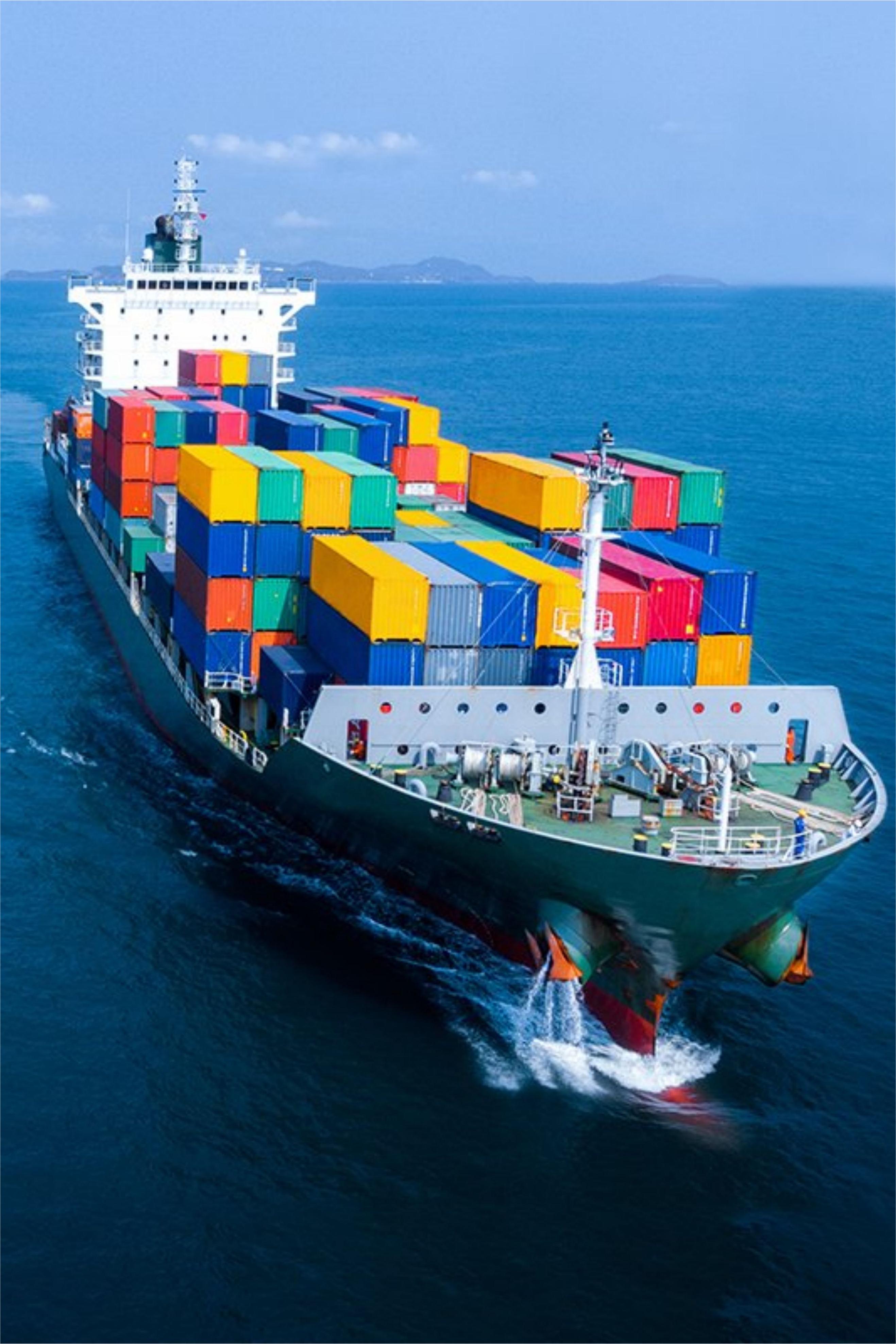
Ocean transport typically involves choosing between Full Container Load (FCL) and Less than Container Load (LCL) options. FCL is ideal for large volumes that fill a 20ft or 40ft container, offering better security and faster handling. Meanwhile, LCL allows smaller businesses to share container space, making it a flexible choice for growing enterprises.
Air transport serves as a vital alternative when transit times must be kept under a week. Although it carries a higher price tag, the reduced inventory holding costs often justify the investment for electronics or fashion items. Moreover, specialized express services can bridge the gap for urgent documents or small commercial samples.
How Does Sea Freight Compare to Other Shipping Options?
Evaluating the trade-offs between different shipping modes is essential for optimizing your landed costs. While sea freight is the most economical for bulk goods, it requires longer lead times and more complex planning. Therefore, importers must balance their budget against the urgency of their delivery schedule.
Hybrid solutions like sea-air freight have gained popularity in early 2026 as a middle-ground strategy. This approach involves shipping goods by sea to a hub like Dubai or South Korea and then flying them to the USA. Consequently, businesses can save up to 40 percent compared to pure air freight while cutting sea transit times in half.
| Shipping Method | Cost Range (USD) | Transit Time | Best For |
|---|---|---|---|
| Sea Freight (FCL) | 2,500 – 5,500 | 18 – 40 Days | Bulk Commercial Goods |
| Air Freight | 5.50 – 9.00/kg | 3 – 7 Days | High-Value Items |
| Express Service | 9.00 – 15.00/kg | 2 – 5 Days | Samples and Small Parcels |
| Sea-Air Hybrid | 3.50 – 5.00/kg | 15 – 20 Days | Mid-Tier Urgency |
Which Option Should You Choose for Your Business?
Determining the best logistics path depends on your specific cargo volume and budget priorities. If your shipment exceeds 15 cubic meters, FCL is almost always the most cost-effective choice for import shipping from China to USA commercial cargo. However, for shipments under 500 kilograms, air freight or express services often provide better value when factoring in port fees.
Budget-conscious importers should prioritize sea freight and book at least 3-4 weeks in advance to secure better rates. On the other hand, if your supply chain is facing a stock-out crisis, the speed of air freight is non-negotiable. Furthermore, consider the nature of your cargo; hazardous materials or oversized machinery may have limited transport options.
Understanding Customs Brokerage and Duties in 2026
Navigating the legal requirements of US Customs and Border Protection is a complex task for any importer. Utilizing a professional customs brokerage service ensures that all filings, including the Importer Security Filing (ISF), are accurate and timely. Indeed, errors in documentation can lead to costly delays or heavy fines at the port of entry.
Commercial cargo must be classified correctly using the Harmonized Tariff Schedule (HTS) to determine applicable duty rates. In 2026, trade policies continue to evolve, making it vital to stay informed about Section 301 tariffs or anti-dumping duties. Additionally, ensure your commercial invoice and packing list perfectly match the physical goods to avoid intensive examinations.
Streamlining Logistics with Amazon FBA and Door to Door Services
Modern e-commerce businesses often require specialized handling to meet strict delivery windows. Integrating Amazon FBA shipping services allows sellers to move products directly from Chinese factories to US fulfillment centers. This direct pipeline reduces handling touches and minimizes the risk of damage during transit.
For those seeking a hands-off approach, door to door shipping provides the ultimate convenience. This service covers everything from factory pickup in China to final delivery at your US warehouse or office. Consequently, you can focus on marketing and sales while your freight forwarder manages the intricate details of the journey.
Case Study 1: Electronics Shipment from Shenzhen to Los Angeles
A mid-sized US retailer needed to transport 12 CBM of consumer electronics weighing 3,800 kg. They chose LCL sea freight to balance cost and speed during the Q1 2026 period. The cargo was loaded at Shenzhen and discharged at the Port of Los Angeles.
Shipping Details: Carrier: Major ocean line; Route: Direct; Ocean Freight: 1,450 USD; Customs and Duties: 850 USD; Total Landed Cost: 2,300 USD. Timeline: Sea transit took 16 days, with a total door-to-door time of 24 days. Key Insight: Early ISF filing prevented any port delays, highlighting the importance of document readiness.

Case Study 2: Industrial Machinery from Ningbo to Savannah
A manufacturing firm imported a full 40HQ container of industrial components from Ningbo. Due to the weight and volume, FCL sea freight was the only viable option for this commercial cargo. The shipment utilized the Panama Canal route to reach the US East Coast.
Shipping Details: Carrier: MSC; Route: Transshipment via Panama; Ocean Freight: 4,800 USD; Destination Charges: 600 USD; Total Landed Cost: 5,400 USD. Timeline: Sea transit was 32 days, with a total door-to-door time of 40 days. Key Insight: Using a 40HQ instead of two 20GP containers saved the client approximately 15 percent in total freight costs.
How to Reduce Shipping Costs for Commercial Cargo?
Reducing your logistics spend requires a combination of smart planning and negotiation. One effective strategy is to consolidate multiple small orders into a single LCL or FCL shipment to benefit from volume discounts. Moreover, optimizing your packaging to reduce wasted space can significantly lower your freight costs over time.
Importers should also monitor seasonal fluctuations, as rates typically spike during the peak season from August to October. By shipping during the off-peak months of March through May, you can often secure much lower base rates. Furthermore, establishing a long-term relationship with a reliable freight forwarder can provide access to contract rates that are more stable than the volatile spot market.
Final Thoughts on US-China Commercial Shipping
Successfully managing import shipping from China to USA commercial cargo involves a deep understanding of transport modes, customs regulations, and market trends. By choosing between sea and air freight based on your specific needs, you can balance cost and efficiency effectively. Remember that documentation accuracy and early booking are the keys to avoiding unnecessary delays.
As we move through 2026, the logistics landscape continues to reward those who prioritize supply chain visibility and professional partnerships. Whether you are a small e-commerce seller or a large industrial importer, the right strategy will ensure your goods arrive safely and on time. Stay proactive, monitor market rates, and leverage expert brokerage services to keep your business moving forward.

Get Your Shipping Quote Today
Ready to streamline your import shipping from China to USA commercial cargo? Contact our expert team today for a customized quote and professional logistics support. Visit Global China Freight to start your shipping journey and optimize your supply chain for 2026 success.
Request Quote