


Import Shipping from China to France Commercial Cargo Guide 2026
Navigating the complexities of import shipping from china to France commercial cargo requires a strategic approach to ensure profitability and supply chain resilience. As global trade dynamics evolve in 2026, French businesses must leverage reliable logistics partners like Global China Freight to manage their international procurement effectively. This comprehensive guide provides the essential data and strategies needed to optimize your shipping operations from Chinese manufacturing hubs to French distribution centers.
What Are the Primary Methods for Import Shipping from China to France Commercial Cargo?
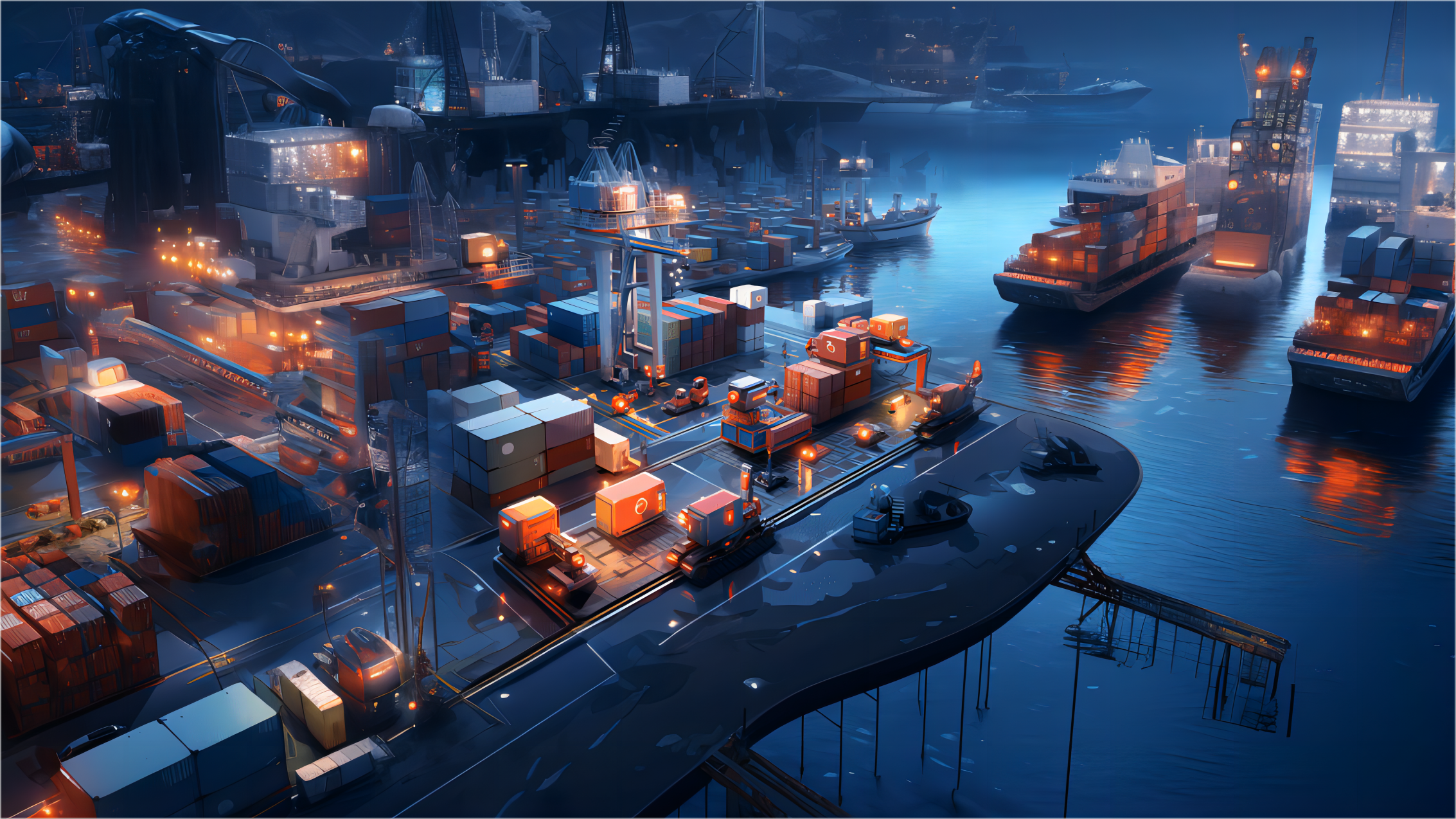
Selecting the right transport mode is the most critical decision for any importer managing commercial goods. In the current 2026 market, sea freight remains the backbone of the China-France trade route due to its unparalleled capacity and cost-efficiency for bulk items. Furthermore, businesses frequently utilize this method for machinery, textiles, and consumer electronics that do not require immediate delivery.
Air transport provides a necessary alternative for high-value or time-sensitive shipments despite its higher price point. Consequently, many tech companies and fashion retailers prioritize speed to maintain lean inventory levels and respond to rapid market shifts. Meanwhile, the rail network through the New Silk Road has matured significantly, offering a balanced middle ground for cargo destined for inland French regions.
Each method carries specific advantages that depend on your cargo volume and budget constraints. For instance, small businesses often start with Less than Container Load (LCL) options to minimize upfront shipping costs while maintaining regular stock flow. Conversely, larger enterprises utilize Full Container Load (FCL) to secure better rates and ensure their goods remain untouched during transit.
Understanding these foundational options allows you to build a diverse logistics strategy. Additionally, modern freight forwarders now offer hybrid solutions that combine different modes to optimize both cost and speed. Therefore, evaluating your specific commercial needs against the current global shipping landscape is essential for long-term success.
How Does Sea Freight Compare to Other Shipping Options?
Comparing sea freight against air and rail options reveals significant differences in transit times and financial commitments. While sea freight typically takes between 30 and 40 days to reach major French ports like Marseille or Le Havre, it offers the lowest cost per unit for large volumes. Nevertheless, the recent stabilization of maritime routes in 2026 has improved schedule reliability for most carriers.
Air freight stands in stark contrast by delivering goods within 3 to 7 days, making it the fastest choice for urgent commercial needs. However, the cost can be five to ten times higher than ocean transport, which may erode profit margins on low-value items. Indeed, air freight is best reserved for samples, emergency restocks, or high-margin luxury goods.
Rail freight has emerged as a formidable competitor for transcontinental logistics between China and Europe. Specifically, it provides a transit time of 15 to 22 days, which is roughly half the time of sea freight at a fraction of the cost of air. Consequently, it has become a favorite for automotive parts and industrial components destined for Eastern and Central France.
| Shipping Method | Cost Range | Transit Time | Best For |
|---|---|---|---|
| Sea Freight (FCL) | USD 3,000 – 4,500 | 30-40 Days | Bulk & Heavy Cargo |
| Air Freight | USD 5.50 – 9.00/kg | 3-7 Days | High-Value Goods |
| Rail Freight | USD 4,000 – 5,500 | 18-25 Days | Mid-Range Urgency |
| Express Service | USD 9.00 – 15.00/kg | 2-4 Days | Urgent Samples |
Understanding the Costs of Import Shipping from China to France Commercial Cargo
Budgeting for international logistics requires a deep understanding of the various factors that influence the total landed cost. Freight rates in early 2026 have been influenced by fluctuating fuel surcharges and seasonal demand spikes during the pre-Golden Week and Christmas periods. Additionally, port congestion surcharges and equipment imbalance fees can occasionally add unexpected expenses to your invoice.
Ocean freight pricing is primarily determined by the container type and the specific port pair involved in the journey. For example, shipping from Shenzhen to Marseille might be slightly cheaper than shipping to Le Havre due to shorter sailing distances through the Suez Canal. Moreover, choosing between FCL and LCL will significantly impact your price per cubic meter.
Air cargo rates are calculated based on either actual weight or volumetric weight, whichever is greater. Therefore, optimizing your packaging to reduce dead space is a vital cost-saving strategy for air shipments. Furthermore, insurance premiums and local handling charges at both origin and destination must be factored into your final financial projections.
| Route | 20GP Container | 40HQ Container | Average Transit |
|---|---|---|---|
| Shanghai to Le Havre | USD 2,200 – 2,800 | 3,800 – 4,600 | 35 Days |
| Shenzhen to Marseille | USD 2,000 – 2,600 | 3,600 – 4,400 | 32 Days |
| Ningbo to Fos-sur-Mer | USD 2,100 – 2,700 | 3,700 – 4,500 | 33 Days |
| Qingdao to Paris (Rail) | USD 4,200 – 4,800 | 5,500 – 6,500 | 22 Days |
Price Disclaimer
Note: Freight rates are subject to change based on fuel costs, carrier capacity, and seasonal demand. Contact us for a current quote tailored to your specific shipment.
Navigating Customs Clearance and Duties in France
Compliance with French customs regulations is mandatory for any business involved in import shipping from china to France commercial cargo. Because France is a member of the European Union, all imports must adhere to the Union Customs Code (UCC) and require a valid EORI number. Furthermore, accurate classification of goods using the Harmonized System (HS) codes is essential to determine the correct duty rates.
Professional customs brokerage services can prevent costly delays and potential fines by ensuring all documentation is in order. Specifically, you will need a commercial invoice, packing list, and a Bill of Lading or Air Waybill for every shipment. Additionally, certain products like electronics or toys may require CE marking and certificates of conformity to enter the French market.
Value Added Tax (VAT) in France is generally 20 percent for most commercial goods, though reduced rates apply to specific categories. Since 2022, France has implemented mandatory postponed VAT accounting, which allows importers to declare and recover import VAT on their monthly tax returns rather than paying it at the border. Consequently, this system significantly improves cash flow for French businesses.
Selecting Door to Door Services for Seamless Logistics
Many modern businesses prefer a door to door delivery model to simplify their supply chain management. This comprehensive service covers the entire journey from the supplier’s factory in China to the final warehouse in France. Indeed, this approach eliminates the need for the importer to coordinate multiple logistics providers, reducing the risk of communication errors.
Providers of door-to-door solutions handle all intermediate steps, including inland trucking, export customs, international freight, and final mile delivery. Although the upfront cost might appear higher, the total administrative savings and reduced risk of cargo damage often justify the investment. Moreover, this model provides better end-to-end visibility through integrated tracking systems.
Small and medium enterprises (SMEs) particularly benefit from these all-inclusive packages as they often lack dedicated logistics departments. By outsourcing the operational details, business owners can focus on marketing and sales within the French market. Ultimately, a reliable door-to-door service ensures that your commercial cargo arrives safely and on schedule.
Why Rail Freight is a Strategic Choice for Central Europe
The expansion of the China-Europe Railway Express has revolutionized rail freight as a viable commercial option for French importers. Because the rail route bypasses the major maritime chokepoints, it offers a more predictable schedule during times of sea port congestion. Furthermore, it is considered a more environmentally friendly alternative compared to air freight, appealing to companies with sustainability goals.
Shipments typically arrive at major hubs like Lyon or Paris after crossing through Central Asia and Eastern Europe. Consequently, rail transport is particularly effective for goods that are too heavy for air but too urgent for sea. Additionally, the stability of rail transport makes it ideal for sensitive equipment that might be affected by the vibrations or humidity of ocean travel.
Costs for rail freight in 2026 have remained competitive as more routes and operators enter the market. While it is more expensive than sea freight, the time savings of nearly two weeks can be a decisive factor for seasonal product launches. Therefore, integrating rail into your logistics mix provides a strategic advantage in the fast-paced French retail sector.
Real-World Case Studies of Commercial Shipments to France
Analyzing real-world scenarios helps importers understand the practical application of different shipping strategies. Below are two detailed cases based on market conditions in late 2025 and early 2026.
Case Study 1: Electronics Distribution in Paris. Route: Shenzhen, China to Paris, France. Cargo: High-end consumer electronics, 5 CBM, 1,200 kg. Method: Air Freight. Carrier: Major international airline. Port of Loading: Shenzhen (SZX). Port of Discharge: Paris Charles de Gaulle (CDG). Cost Breakdown: Air Freight: USD 7,800; Origin Charges: USD 350; Destination Charges: USD 450; Customs & Duties: USD 2,200; Total Landed Cost: USD 10,800. Timeline: 5 days door-to-door. Key Insight: Using air freight allowed the client to meet a product launch deadline that would have been missed via sea.
Case Study 2: Home Decor Retailer in Marseille. Route: Ningbo, China to Marseille, France. Cargo: Wooden furniture and home accessories, 28 CBM. Container: 20GP. Method: Sea Freight (FCL). Carrier: COSCO. Port of Loading: Ningbo. Port of Discharge: Marseille. Cost Breakdown: Ocean Freight: USD 2,400; Origin Charges: USD 400; Destination Charges: USD 600; Customs & Duties: USD 1,800; Total Landed Cost: USD 5,200. Timeline: 34 days door-to-door. Key Insight: FCL shipping provided the lowest unit cost for bulky items, maintaining the retailer’s competitive pricing in France.
Alternative Strategies and Cost-Saving Frameworks
Implementing alternative strategies can significantly reduce your overall expenditure on import shipping from china to France commercial cargo. For instance, many savvy importers utilize sea-air hybrid solutions, where goods are shipped by sea to a hub like Dubai and then flown to France. This method saves approximately 30-40 percent compared to pure air freight while being much faster than sea alone.
Consolidating shipments from multiple Chinese suppliers into a single FCL container is another highly effective tactic. By avoiding multiple LCL fees, businesses can lower their origin handling costs and streamline the customs clearance process in France. Furthermore, negotiating Incoterms like FOB (Free on Board) instead of CIF (Cost, Insurance, and Freight) gives you more control over the shipping rates and service quality.
| Strategy | Potential Savings | Trade-off | Best Scenario |
|---|---|---|---|
| Sea-Air Hybrid | 30% vs Air | Complex Tracking | Urgent Mid-Value |
| Supplier Consolidation | 15-20% Total | Longer Lead Time | Multiple Vendors |
| FOB Negotiation | 10% Freight | More Management | Regular Importers |
| Off-Peak Booking | 20% Freight | Stocking Costs | Non-Seasonal Goods |
Which Shipping Option Should You Choose?
Determining the best shipping route depends on your specific business priorities, whether they are budget, speed, or cargo safety. If your primary goal is cost minimization and you have flexible deadlines, sea freight is undoubtedly the superior choice for large commercial volumes. However, if you are dealing with perishable goods or high-demand electronics, the speed of air freight justifies the higher expense.
Rail freight serves as the ideal compromise for businesses that need faster delivery than sea but cannot afford air rates. Additionally, you should consider the final destination within France; rail is excellent for Lyon or Strasbourg, while sea is perfect for coastal cities like Marseille or Bordeaux. Ultimately, a balanced supply chain often utilizes a mix of all three methods to mitigate risks and optimize costs.
Final Thoughts on Shipping Commercial Cargo to France
Successfully managing import shipping from china to France commercial cargo requires a blend of market knowledge, strategic planning, and reliable partnerships. By understanding the nuances of sea, air, and rail freight, French businesses can navigate the complexities of international trade with confidence. Transitioning to more efficient logistics models, such as door-to-door services or consolidated shipping, will provide a significant competitive edge in the 2026 marketplace.
Staying informed about customs regulations and fluctuating freight rates ensures that your business remains compliant and profitable. As global trade continues to evolve, the ability to adapt your shipping strategy will be the hallmark of a successful import operation. Partnering with a dedicated freight forwarder allows you to focus on growth while the experts handle the logistical heavy lifting.

Need a tailored shipping solution?
Ready to optimize your import shipping from china to France commercial cargo operations for 2026? Contact our expert team today to receive a customized freight quote and streamline your French supply chain. Send Inquiry link: Visit https://globalchinafreight.com/ for a professional consultation.