

Export Logistics China to France Services: 2026 Shipping Guide
Navigating the complexities of international trade requires robust export logistics china to France services to ensure your cargo arrives safely and on time. As market demands evolve in 2026, businesses must adapt to shifting freight rates and transit schedules to maintain a competitive edge. This comprehensive guide explores the most efficient shipping methods, customs requirements, and cost-saving strategies for transporting goods from China to the French market.

What Are the Primary Export Logistics China to France Services?
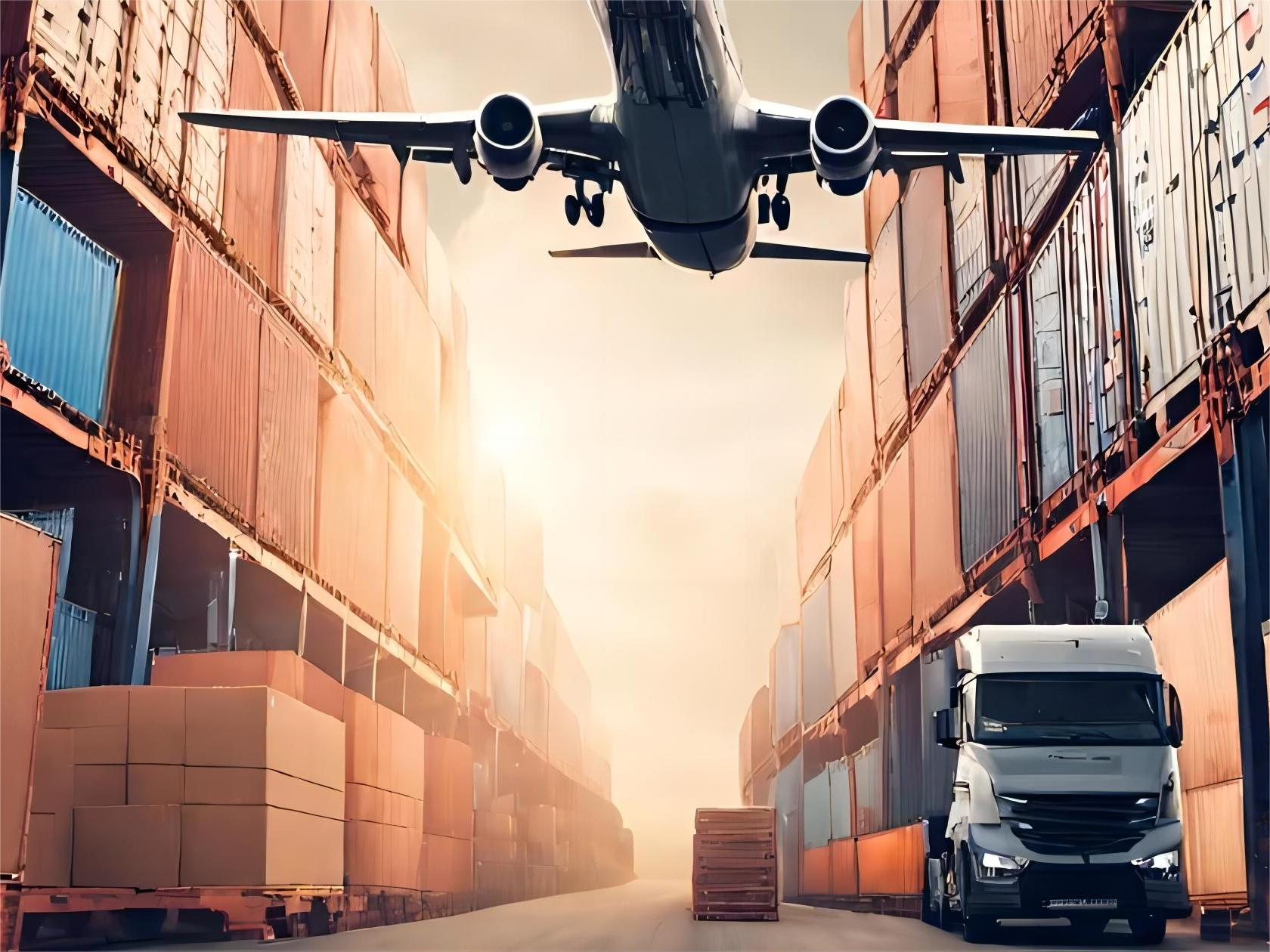
Selecting the right transport mode is the first critical step in optimizing your supply chain operations between these two major trading hubs. High-value or time-sensitive goods often require the speed and security provided by professional air freight solutions. Furthermore, air transport minimizes the risks of cargo damage and theft, which is essential for electronics and luxury items.
Reliable logistics providers offer a variety of specialized services tailored to different cargo types and business needs. Consequently, importers can choose between express couriers for small parcels or traditional freight forwarding for bulkier shipments. Each method has distinct advantages regarding transit time, cost efficiency, and handling procedures.
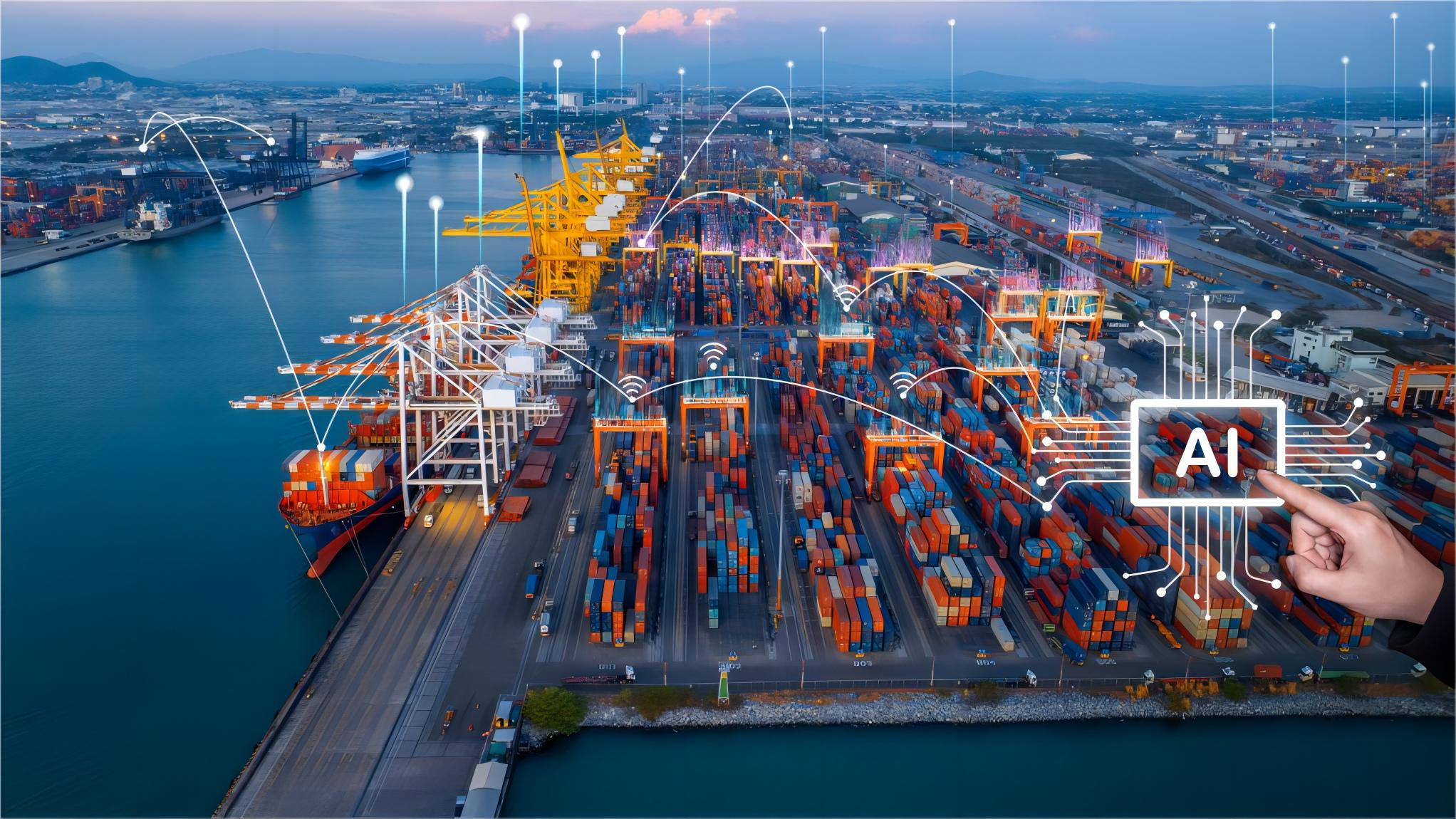
Moreover, the integration of digital tracking systems in 2026 allows for real-time monitoring of your goods throughout the journey. This transparency helps businesses manage inventory more effectively and provides peace of mind during long-distance transit. Understanding these primary services ensures that you can make an informed decision based on your specific shipping volume and urgency.
How Does Sea Freight Compare to Other Shipping Options?
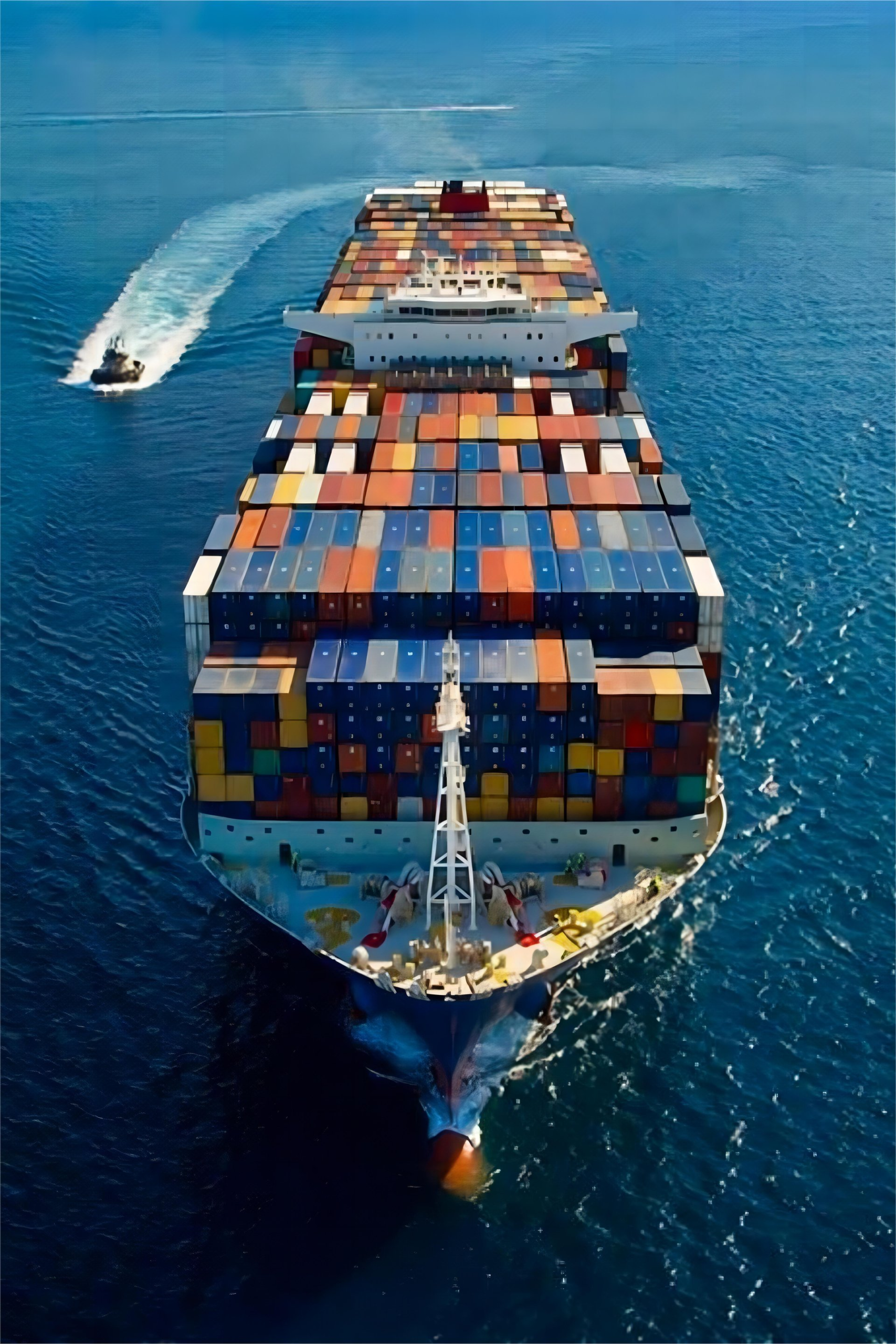
Budget-conscious businesses usually prioritize sea freight when moving large volumes of goods across the ocean. Indeed, ocean transport remains the most economical method for shipping heavy machinery, furniture, and raw materials from Chinese ports like Ningbo or Shanghai. While transit times are longer than other modes, the cost-per-unit savings are substantial for high-volume orders.
In contrast, air freight offers unmatched speed but comes at a significantly higher price point, often five to six times more expensive than sea transport. Rail freight has emerged as a middle-ground solution, providing faster delivery than ships and lower costs than planes. Therefore, the choice depends heavily on your budget constraints and how quickly your inventory needs to reach French shelves.
Analyzing the trade-offs between speed and cost is vital for maintaining a healthy profit margin in the competitive French market. Specifically, sea freight is ideal for non-perishable goods with flexible delivery schedules, whereas air freight is reserved for urgent replenishment. The following table provides a detailed comparison of these shipping methods based on 2026 market averages.
| Shipping Method | Cost Range | Transit Time | Best For |
|---|---|---|---|
| Sea Freight (FCL) | $3,000 – $4,200 | 28 – 35 Days | Bulk Goods |
| Air Freight | $4.50 – $8.00/kg | 3 – 7 Days | Electronics |
| Rail Freight | $1,800 – $2,500 | 18 – 22 Days | Mid-value Items |
| Express Service | $9.00 – $15.00/kg | 2 – 4 Days | Samples |
The Role of Rail Freight in Modern Export Logistics
Rail transport has become an increasingly popular component of rail freight networks connecting China to European destinations. This method utilizes the vast Silk Road rail infrastructure, offering a reliable alternative to traditional sea routes. Additionally, rail freight is less susceptible to the weather-related delays and port congestion that frequently impact ocean shipping.
Consequently, many French importers now utilize rail services for consumer goods that require a faster turnaround than ships can provide. The route typically passes through Central Asia and Eastern Europe before reaching major French rail terminals. This land-based corridor has stabilized significantly as of early 2026, offering consistent schedules for businesses.
Furthermore, rail transport is considered more environmentally friendly than air freight, appealing to companies with strict sustainability goals. Nevertheless, it is important to check the availability of specific routes, as rail capacity can fluctuate based on regional demand. Integrating rail into your logistics strategy provides a balanced approach to transit speed and environmental impact.
Understanding Customs Brokerage and French Import Rules
Navigating the legal requirements of the European Union is a complex task that requires expert customs brokerage support. France enforces strict regulations regarding product safety, labeling, and environmental standards for all imported goods. Therefore, ensuring your documentation is accurate and complete is essential to avoid costly delays at the border.
Compliance with the Integrated Tariff of the European Communities (TARIC) is mandatory for determining the correct duty rates for your products. In addition, importers must provide a commercial invoice, packing list, and a bill of lading or airway bill. Failure to provide these documents can result in cargo being held at customs for several weeks.
Specifically, specialized items like chemicals, textiles, or food products may require additional certificates of origin or health permits. Working with a knowledgeable logistics partner helps streamline this process and ensures that all French VAT requirements are met. Professional guidance is the best way to prevent administrative errors that could jeopardize your delivery schedule.
Maximizing Efficiency with Door to Door Logistics
Managing multiple transportation legs can be overwhelming for small and medium-sized enterprises. Fortunately, door to door services simplify the entire process by handling every step from the Chinese factory to the French warehouse. This all-inclusive approach reduces the administrative burden on the importer and minimizes the risk of communication gaps.
Additionally, these services often include inland trucking, customs clearance, and final mile delivery within France. As a result, businesses can focus on sales and marketing rather than coordinating with various carriers and warehouse operators. This level of integration is particularly beneficial for companies new to international trade or those with limited logistics personnel.
Choosing a single provider for the entire journey also improves accountability and simplifies tracking. Without a doubt, the convenience of a unified logistics solution often outweighs the slightly higher service fees associated with comprehensive management. In 2026, this model has become the standard for efficient global supply chain operations.
Which Option Should You Choose for Your Cargo?
Deciding on the best shipping method requires a careful analysis of your cargo volume, budget, and delivery deadlines. If your priority is minimizing costs and you have a long lead time, sea freight is the clear winner for large shipments. On the other hand, if you are launching a new product and need immediate market presence, air freight is the necessary investment.
Cargo type also plays a significant role in the decision-making process. For example, hazardous materials or oversized machinery may have restricted transport options and require specialized handling. Meanwhile, high-value electronics are best suited for the security and speed of air or express services.
Volume thresholds often dictate when it is more economical to switch from LCL to FCL shipping. Generally, if your cargo exceeds 15 cubic meters, booking a full 20-foot container becomes more cost-effective than paying for shared space. Evaluating these criteria systematically will help you select the most efficient export logistics China to France services for your business.
| Priority | Recommended Method | Key Benefit | Trade-off |
|---|---|---|---|
| Lowest Cost | Sea Freight (LCL/FCL) | Maximum Savings | Slowest Delivery |
| Fastest Speed | Air Freight | Rapid Delivery | High Cost |
| Balanced | Rail Freight | Reliable Timing | Limited Routes |
| Convenience | Door-to-Door | Zero Hassle | Service Premium |
Real-World Case Studies: China to France Shipping
Case Study 1: Electronics from Shenzhen to Paris ——————————————————— Route: Shenzhen, China to Paris, France Cargo: Smart Home Devices, 12 CBM, 2500 kg Container: LCL 12 CBM Shipping Details: – Carrier: Major carrier – Port of Loading: Shenzhen – Port of Discharge: Le Havre – Route Type: Direct Cost Breakdown: – Ocean Freight: $1,200 – Origin Charges: $350 – Destination Charges: $450 – Customs and Duties: $800 – Total Landed Cost: $2,800 Timeline: – Booking to Loading: 3 days – Sea Transit: 32 days – Customs Clearance: 2 days – Total Door-to-Door: 42 days Key Insight: Consolidating LCL cargo saved 40 percent compared to air freight. ———————————————————
Case Study 2: Industrial Parts from Ningbo to Marseille ——————————————————— Route: Ningbo, China to Marseille, France Cargo: Machinery Components, 28 CBM, 18000 kg Container: 20GP Full Container Shipping Details: – Carrier: COSCO – Port of Loading: Ningbo – Port of Discharge: Marseille – Route Type: Direct Cost Breakdown: – Ocean Freight: $2,100 – Origin Charges: $400 – Destination Charges: $550 – Customs and Duties: $1,200 – Total Landed Cost: $4,250 Timeline: – Booking to Loading: 5 days – Sea Transit: 30 days – Customs Clearance: 3 days – Total Door-to-Door: 45 days Key Insight: Utilizing FCL for high-weight machinery provided the lowest cost per kilogram. ———————————————————
Market data suggests that these rates are typical for the first half of 2026. However, seasonal fluctuations can impact pricing during the peak months of August through October. Always consult with your logistics provider for a real-time quote tailored to your specific shipment needs.
Strategies to Reduce Shipping Costs in 2026
Reducing your logistics expenses requires a proactive approach to planning and negotiation. For instance, booking your shipments at least three to four weeks in advance can help you secure lower freight rates. Furthermore, consolidating multiple small orders into a single larger shipment can significantly reduce the per-unit handling costs.
Optimizing your packaging to minimize wasted space is another effective way to lower expenses, especially for air and LCL sea freight. Additionally, consider using DDP (Delivered Duty Paid) terms to have a clearer understanding of your total landed costs upfront. This strategy prevents unexpected charges at the destination port which can disrupt your budget.
Finally, staying informed about current market trends and fuel surcharges allows you to time your shipments more strategically. Consequently, businesses that maintain flexible shipping schedules can take advantage of lower rates during off-peak periods. Implementing these small changes can lead to substantial long-term savings in your export logistics China to France services.
Mastering Your Logistics from China to France
Successfully managing export logistics China to France services requires a combination of strategic planning, market knowledge, and reliable partnerships. By understanding the differences between sea, air, and rail freight, you can choose the method that best aligns with your business goals. Furthermore, staying compliant with French customs regulations is vital for ensuring smooth deliveries and avoiding unnecessary delays.
As we move through 2026, the ability to adapt to changing freight rates and global trends will define the success of your import operations. Whether you prioritize speed, cost, or convenience, there is a logistics solution designed to meet your needs. Start optimizing your route today to ensure your goods reach the French market efficiently and affordably.
Get Your Shipping Quote Today
Ready to streamline your supply chain and reduce costs? Contact our team today for a customized quote on export logistics China to France services and experience seamless international shipping. Visit our inquiry page to get started.
Request Quote