


Container Shipping China 40HC 20GP Export Import Guide 2026
Managing global trade requires a deep understanding of container shipping China 40HC 20GP export import logistics to ensure cost-effective delivery. Businesses often struggle with fluctuating rates and complex customs procedures when moving goods across international borders. Therefore, partnering with a reliable logistics provider like Global China Freight is essential for navigating the current market landscape. This comprehensive guide explores everything from container dimensions to 2026 pricing trends to help you optimize your supply chain.
✦
What are the Specifications for 20GP and 40HC Containers?
Choosing the right equipment is the first step in successful container shipping China 40HC 20GP export import operations. Specifically, the 20GP, or 20-foot General Purpose container, is the industry standard for heavy, dense cargo like machinery or minerals. Meanwhile, the 40HC, or 40-foot High Cube, provides extra vertical space for voluminous but lighter goods such as furniture or textiles.
Furthermore, understanding the internal volume differences allows shippers to maximize their loading efficiency. A 40HC container offers approximately 76 cubic meters of space, which is significantly more than the 33 cubic meters found in a 20GP. Consequently, selecting the wrong container type can lead to wasted space and higher landed costs per unit.
Additionally, weight limits are a critical factor when planning your shipment from China. While the 40HC is larger, it often has similar maximum payload capacities to the 20GP due to road weight restrictions in destination countries. Indeed, you must verify these limits with your sea freight provider to avoid overweight surcharges.
| Container Type | Inner Length | Inner Height | Capacity (CBM) |
|---|---|---|---|
| 20GP | 5.89 m | 2.39 m | 33.2 CBM |
| 40GP | 12.03 m | 2.39 m | 67.7 CBM |
| 40HC | 12.03 m | 2.69 m | 76.3 CBM |
How Much Does Container Shipping China 40HC 20GP Export Import Cost in 2026?
Estimating costs for container shipping China 40HC 20GP export import involves analyzing ocean freight, surcharges, and local handling fees. As of early 2026, market rates have stabilized following the supply chain disruptions of previous years, though seasonal spikes remain common. For instance, shipping a 40HC from Shanghai to Europe currently ranges between 3,000 and 4,500 dollars depending on the carrier.
Moreover, fuel surcharges and port congestion fees can fluctuate monthly based on global energy prices and labor availability. Shippers should also account for customs brokerage fees which are essential for clearing goods through Chinese and international ports. Accordingly, getting an all-in quote is the best way to prevent unexpected expenses during the transit process.
Note: Freight rates are subject to change based on fuel costs, carrier capacity, and seasonal demand. Contact us for a current quote tailored to your specific shipment.
| Route | 20GP Rate | 40HC Rate | Transit Time |
|---|---|---|---|
| China to USA West | $1,600 – $2,300 | $2,900 – $3,900 | 14-18 Days |
| China to Europe | $1,900 – $2,600 | $3,100 – $4,300 | 28-35 Days |
| China to Australia | $850 – $1,300 | $1,500 – $2,100 | 12-18 Days |
How Does Container Shipping Compare to Other Shipping Options?
Evaluating container shipping China 40HC 20GP export import against alternative methods is vital for balancing speed and budget. While ocean freight is the most economical for large volumes, it lacks the speed of other logistics channels. However, for many businesses, the cost savings of sea transport far outweigh the longer lead times.
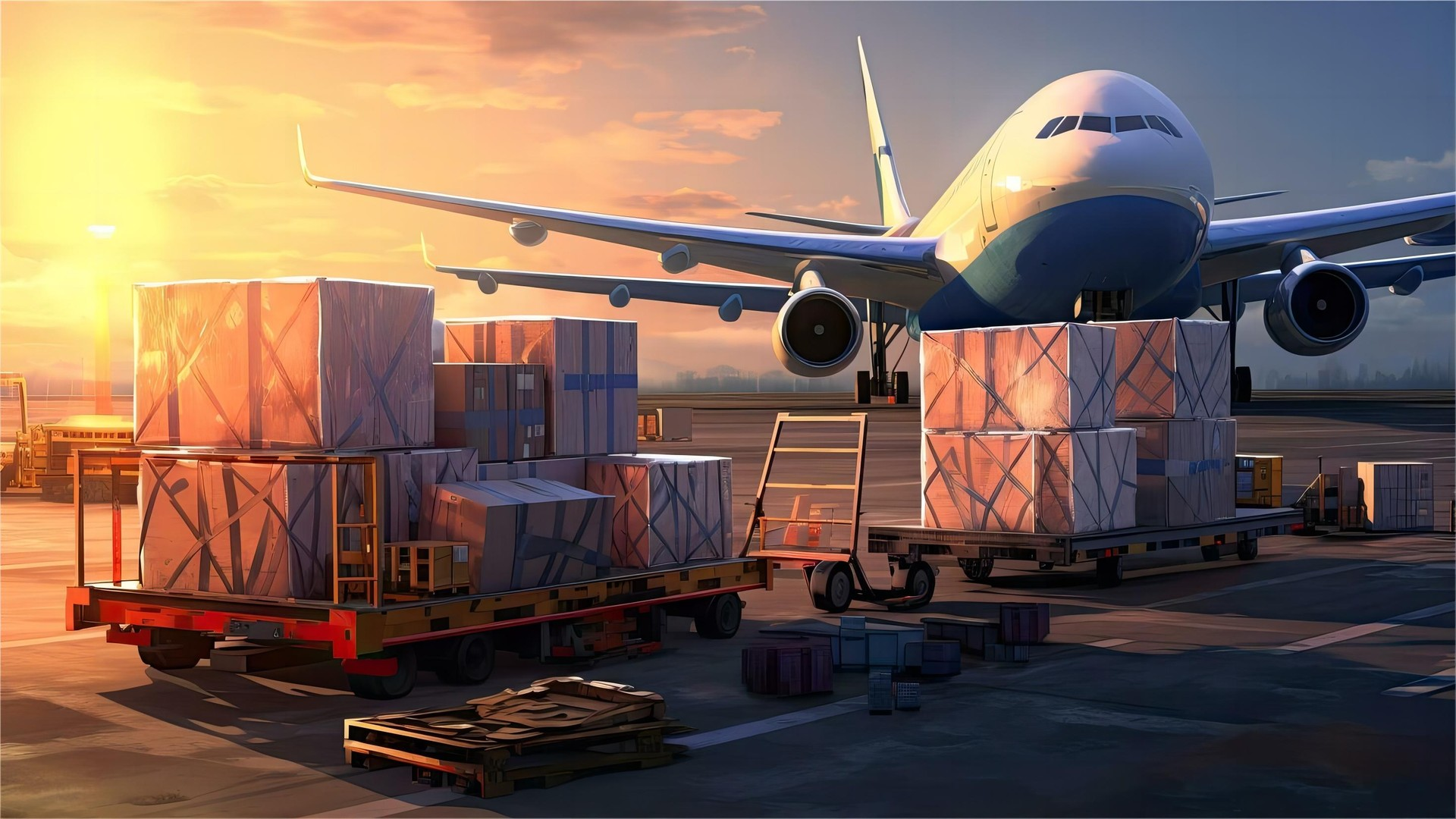
In contrast, air freight offers rapid delivery for high-value or time-sensitive items. Although it is much faster, the cost per kilogram is significantly higher than sea freight. Therefore, air transport is usually reserved for shipments that cannot wait for the standard 30-day ocean transit.
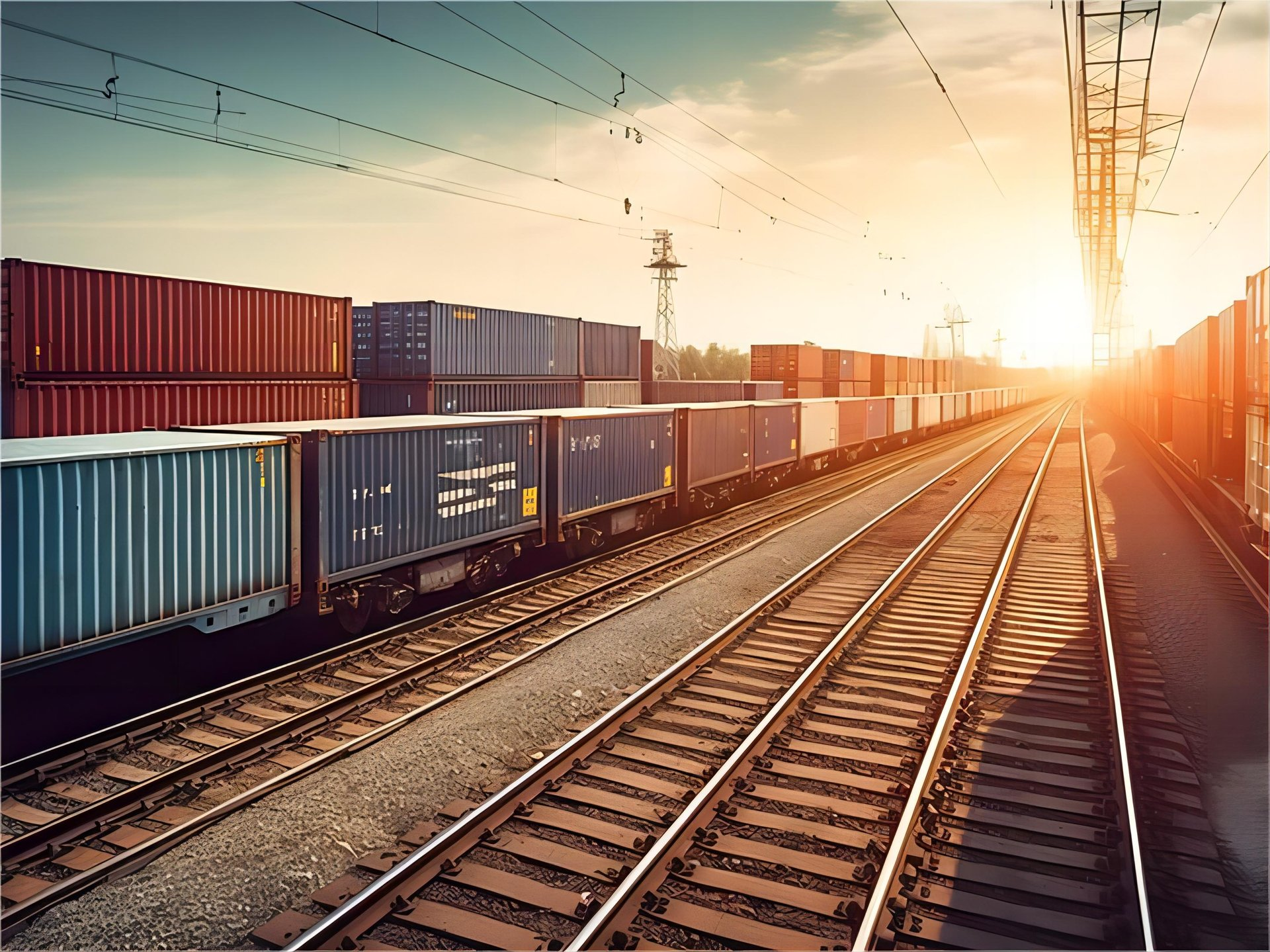
Another viable option is rail freight, which provides a middle ground for shipments between China and Europe. This method is faster than the sea but cheaper than air, making it ideal for electronics and automotive parts. Nevertheless, rail routes are subject to geopolitical stability and infrastructure capacity.
| Method | Cost Range | Transit Time | Best For |
|---|---|---|---|
| Sea FCL | Low | 20-40 Days | Bulk Goods |
| Air Freight | High | 3-7 Days | Urgent Cargo |
| Rail Freight | Medium | 15-22 Days | Mid-value |
| Sea-Air | Medium-High | 12-18 Days | Hybrid Needs |
Which Documentation is Required for China Export and Import?
Navigating the paperwork for container shipping China 40HC 20GP export import is often the most challenging part of the process. Every shipment must be accompanied by a Bill of Lading, which acts as a contract between the shipper and the carrier. Additionally, a Commercial Invoice and Packing List are required to detail the value and contents of the cargo for customs authorities.
Consequently, missing or incorrect documents can lead to severe delays and costly storage fees at the port. To avoid these issues, many importers utilize door to door services that include comprehensive document management. Indeed, having an expert team handle the filing ensures that your goods move smoothly through every checkpoint.
Specifically, some products may require specialized certificates, such as a Certificate of Origin or a Phytosanitary Certificate. Shippers must research these requirements well in advance of the loading date. Without a doubt, proactive preparation is the key to minimizing risks in international trade.
Strategic Alternatives for Global Logistics
When planning your container shipping China 40HC 20GP export import strategy, consider whether FCL or LCL is more appropriate. Full Container Load (FCL) is best when you have enough cargo to fill at least 70 percent of a container. On the other hand, Less than Container Load (LCL) allows you to share space with other shippers, which is cost-effective for smaller volumes.
Moreover, hybrid solutions like sea-air combinations are gaining popularity in 2026 for their flexibility. This approach involves shipping goods by sea to a hub like Dubai and then flying them to the final destination. As a result, companies can save money compared to pure air freight while reducing transit time compared to pure sea freight.
Another alternative is transshipment, where cargo is moved between different vessels at intermediate ports. While this can sometimes lower freight rates, it often increases the risk of damage and extends the delivery schedule. Accordingly, direct routes are generally preferred for sensitive or high-value shipments.
Real-World Case Studies for Container Shipping
Case Study 1: Industrial Machinery Export. Route: Shanghai, China to Hamburg, Germany. Cargo: CNC Machines, 28 CBM, 18,000 kg. Container: 40HC. Shipping Details: Direct service via major carrier. Ocean Freight: $3,450. Total Landed Cost: $4,800. Timeline: 33 days door-to-door. Key Insight: Using a 40HC allowed for specialized bracing that protected the heavy machinery during transit.
Case Study 2: Consumer Electronics Import. Route: Shenzhen, China to Los Angeles, USA. Cargo: Smart Home Devices, 15 CBM, 4,000 kg. Container: 20GP. Shipping Details: Transshipment via Busan. Ocean Freight: $1,950. Total Landed Cost: $3,100. Timeline: 22 days. Key Insight: Choosing a 20GP for a smaller volume ensured the shipment was ready for immediate dispatch without waiting for LCL consolidation.
Case Study 3: Furniture Wholesale. Route: Ningbo, China to Sydney, Australia. Cargo: Outdoor Furniture Sets, 72 CBM. Container: 40HC. Shipping Details: Direct route. Ocean Freight: $1,750. Total Landed Cost: $2,900. Timeline: 16 days. Key Insight: High Cube containers were essential for this voluminous cargo to avoid split shipments and extra handling fees.
Based on Q3 2025 and early 2026 market rates. These examples illustrate typical scenarios but individual results may vary based on specific requirements.
Which Option Should You Choose for Your Cargo?
Deciding on the best container shipping China 40HC 20GP export import path depends on several priority factors. If your primary goal is budget optimization, sea freight using a 40HC for large volumes is the most efficient choice. Meanwhile, if you are shipping heavy materials that exceed weight limits, multiple 20GP containers might be necessary.
For speed-sensitive projects, you should evaluate whether the 15-day saving of rail or air is worth the additional investment. Furthermore, consider the nature of your cargo; fragile items benefit from the reduced handling found in FCL shipments. Consequently, a thorough analysis of your supply chain requirements will point you toward the most logical shipping method.
Final Thoughts on Container Shipping Logistics
To summarize, mastering container shipping China 40HC 20GP export import processes is fundamental for any business involved in global trade. By understanding the physical dimensions of containers and the nuances of freight pricing, you can make informed decisions that protect your bottom line. Furthermore, staying updated on 2026 market trends ensures that your logistics strategy remains competitive and resilient.
Indeed, the combination of the right container type, accurate documentation, and a reliable freight forwarding partner creates a seamless shipping experience. Whether you are exporting heavy machinery or importing consumer goods, the principles of efficiency and transparency remain the same. Start planning your next shipment today to take advantage of stabilized rates and improved global transit times.