

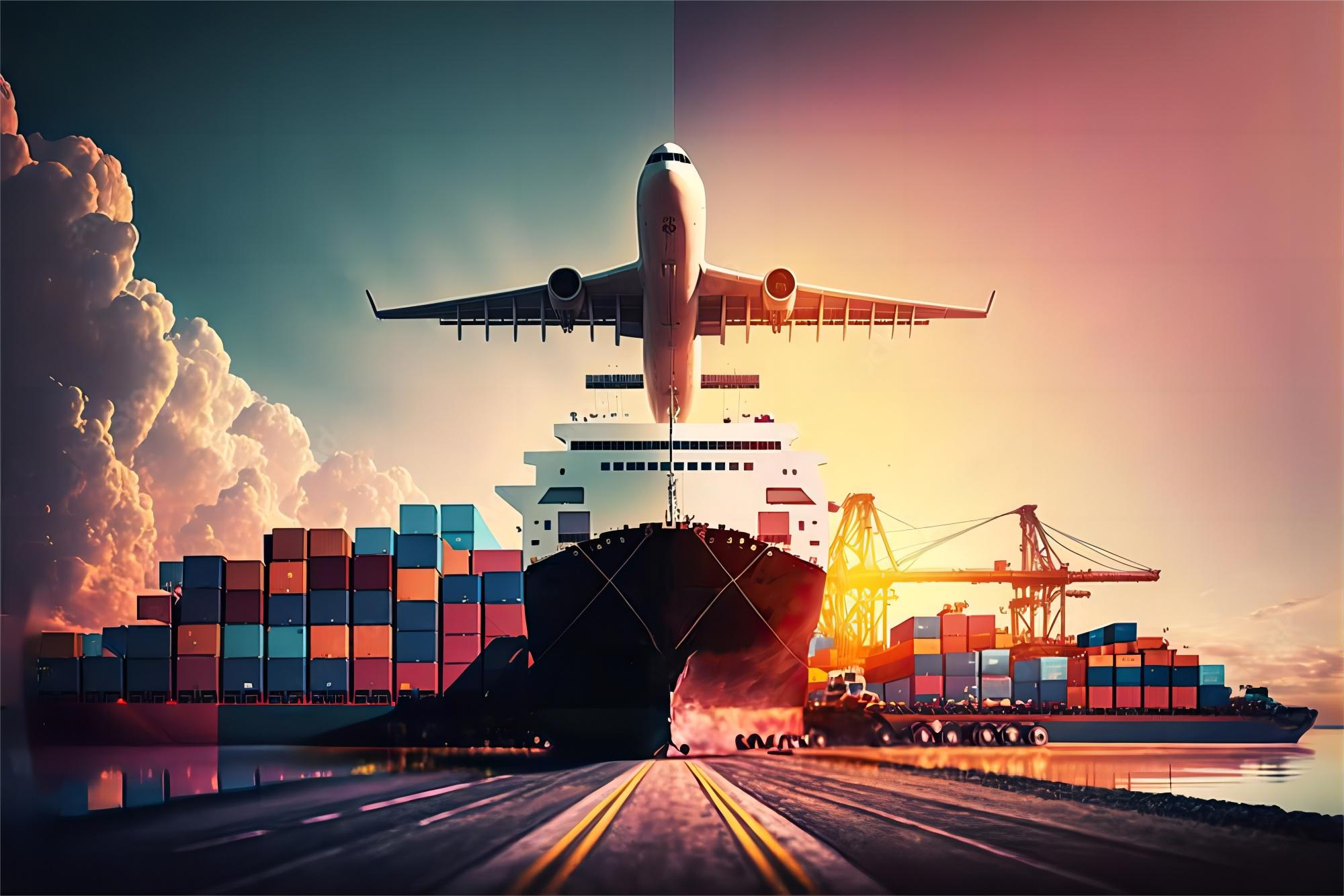
Export Logistics China to UK Services: 2026 Comprehensive Guide
Navigating the complexities of international trade requires a robust strategy for moving goods across borders efficiently. For businesses targeting the British market, choosing the right export logistics china to UK services is essential to maintain a healthy supply chain. This guide explores the most reliable shipping methods, current 2026 market rates, and essential customs procedures to ensure your cargo arrives safely and on time.
How Do Export Logistics China to UK Services Work in 2026?
Modern logistics involves a sophisticated network of carriers, warehouses, and customs brokers working in tandem. Consequently, businesses must understand the nuances of each step to avoid costly delays at the port of entry.
The current 2026 shipping landscape has evolved to prioritize digital tracking and sustainable transport solutions. Therefore, selecting a partner that offers end-to-end visibility is more critical than ever before for UK importers.
Most shipments begin with factory pickup in major hubs like Shenzhen, Ningbo, or Shanghai. Afterward, the cargo is consolidated and processed through Chinese customs before departing for major UK ports like Felixstowe or Southampton.
Choosing Between Sea, Air, and Rail Freight
Selecting the appropriate transport mode depends heavily on your budget, cargo volume, and urgency. For instance, sea freight remains the most cost-effective choice for large-scale shipments despite longer transit times.
High-value or time-sensitive goods often require the speed of air freight to meet tight retail deadlines. While this method is significantly more expensive, it reduces the risk of inventory stockouts during peak seasons.
Alternatively, rail freight offers a balanced middle ground for many European routes. It provides faster delivery than the ocean while remaining cheaper than air transport, making it ideal for electronics and machinery.
| Method | Cost Range | Transit Time | Best For |
|---|---|---|---|
| Sea Freight (FCL) | $3,200 – $4,500 | 30-38 Days | Bulk Goods |
| Air Freight | $5.50 – $9.00/kg | 5-8 Days | Urgent Items |
| Rail Freight | $160 – $260/CBM | 18-25 Days | Mid-size Cargo |
| Express Service | $10 – $15/kg | 3-5 Days | Samples |
How Does Sea Freight Compare to Other Shipping Options?
Ocean transport is the backbone of global trade, yet it is not always the optimal choice for every scenario. While sea freight costs $3,500-4,500 for a 40HQ container, air freight for the same volume would exceed $20,000 in 2026.
Furthermore, sea freight offers two main modes: Full Container Load (FCL) and Less than Container Load (LCL). For shipments under 15 CBM, LCL at $65-95/CBM is typically more economical than paying for an entire container.
Direct shipping routes to the UK cost roughly 12% more than transshipment routes via Singapore. However, direct routes save approximately 6 days, which can be vital for seasonal product launches.
| Shipping Method | Cost Level | Transit Time | Limitations |
|---|---|---|---|
| Ocean Freight | Low | 35 Days | Slow Speed |
| Air Freight | High | 6 Days | Weight Limits |
| Rail Freight | Medium | 22 Days | Route Specific |
| Sea-Air Hybrid | Medium-High | 15 Days | Complex Handling |
Navigating Customs Clearance and VAT for UK Imports
Post-Brexit regulations require meticulous attention to detail when filing entry declarations in the United Kingdom. Indeed, improper documentation is the leading cause of delivery delays and unexpected storage fees at the terminal.
Utilizing a professional customs brokerage service ensures that your HS codes are classified correctly. This accuracy helps in calculating the exact VAT and duty amounts owed to HMRC upon arrival.
Importers must also ensure they have a valid EORI number starting with GB to facilitate the movement of goods. Without this identification, your shipment will likely be held indefinitely by UK Border Force.
Essential Documentation for Smooth UK Logistics
Documentation acts as the passport for your cargo, detailing every aspect of the transaction and the physical goods. Consequently, missing or incorrect paperwork can lead to severe penalties and legal complications for the importer.
The Bill of Lading serves as the primary contract of carriage and a document of title. Additionally, the Commercial Invoice and Packing List must match exactly to pass through the automated clearance systems used in 2026.
For specific products, you might also need a Certificate of Origin or specialized safety permits. Always verify these requirements with your logistics provider well before the vessel departs from the Chinese port.
| Document Name | Purpose | Issuer | Required For |
|---|---|---|---|
| Bill of Lading | Title of Goods | Carrier | All Shipments |
| Commercial Invoice | Tax Valuation | Exporter | Customs Entry |
| Packing List | Cargo Details | Exporter | Inspection |
| EORI Number | ID for HMRC | UK Government | UK Importers |

Which Option Should You Choose? Decision Framework
Determining the best shipping strategy requires a clear understanding of your business priorities and cargo specifications. If your primary goal is cost reduction, ocean freight is the undisputed winner for bulk inventory.
When speed is the priority, air freight is the only viable option to meet urgent customer demands or replace defective stock. Meanwhile, rail freight remains the preferred choice for high-value industrial components that need a balance of speed and cost.
Consider a hybrid sea-air solution if you need to bypass port congestion while keeping costs lower than pure air transport. This method involves shipping by sea to a hub like Dubai and then flying the goods to London.
Real Case Studies: Successful UK Freight Shipments
Case Study 1: Furniture Import from Shenzhen to Southampton. Route: Shenzhen, China to Southampton, UK Cargo: Household Furniture, 68 CBM, 12,500 kg Container: 40HQ Shipping Details: Major carrier, Port of Loading: Shenzhen, Port of Discharge: Southampton, Route Type: Direct Cost Breakdown: Ocean Freight: $4,100, Origin Charges: $350, Destination Charges: $550, Customs: $200, Total Landed Cost: $5,200 Timeline: Booking: 3 days, Transit: 34 days, Customs: 2 days, Total: 39 days Key Insight: Early booking during the 2026 Q3 peak season saved the client 15% on freight rates.
Case Study 2: Electronics via Rail from Chengdu to London. Route: Chengdu, China to London Gateway, UK Cargo: Consumer Electronics, 12 CBM, 3,200 kg Container: LCL 12 CBM Shipping Details: China-Europe Railway Express, Port of Loading: Chengdu Terminal, Port of Discharge: London Gateway, Route Type: Direct Rail Cost Breakdown: Rail Freight: $2,400, Origin Charges: $280, Destination Charges: $420, Customs: $250, Total Landed Cost: $3,350 Timeline: Booking: 5 days, Transit: 22 days, Customs: 3 days, Total: 30 days Key Insight: Rail provided a 12-day advantage over sea freight for a critical product launch.
Cost-Saving Strategies for China to UK Shipping
Reducing logistics expenses requires proactive planning and a deep understanding of market trends. For instance, shipping during the off-peak months of March through May can result in significantly lower freight rates.
Optimizing your packaging to maximize container space is another effective way to lower the cost per unit. Furthermore, consolidating multiple small orders into a single FCL shipment can eliminate the higher per-CBM rates of LCL shipping.
Always request multiple quotes to compare the base freight against local surcharges and documentation fees. This transparency prevents hidden costs from inflating your final landed price at the destination.
Mastering Your UK Import Strategy
Successful international trade depends on choosing the right export logistics china to UK services tailored to your specific business needs. By understanding the trade-offs between speed, cost, and reliability, you can build a resilient supply chain that supports long-term growth.
As market conditions continue to fluctuate in 2026, staying informed about customs regulations and shipping trends is paramount. Partnering with an experienced logistics provider will ensure your goods move efficiently from Chinese factories to UK doorsteps.
Ultimately, the goal is to balance efficiency with cost-effectiveness to maintain a competitive edge in the British market. Start planning your next shipment today to secure the best rates and transit times available.
Ready to streamline your logistics?
Streamline your international trade today with our expert export logistics china to UK services. Visit our website to request a personalized quote and discover how we can optimize your supply chain for 2026. Send Inquiry: https://globalchinafreight.com/
Request Quote