

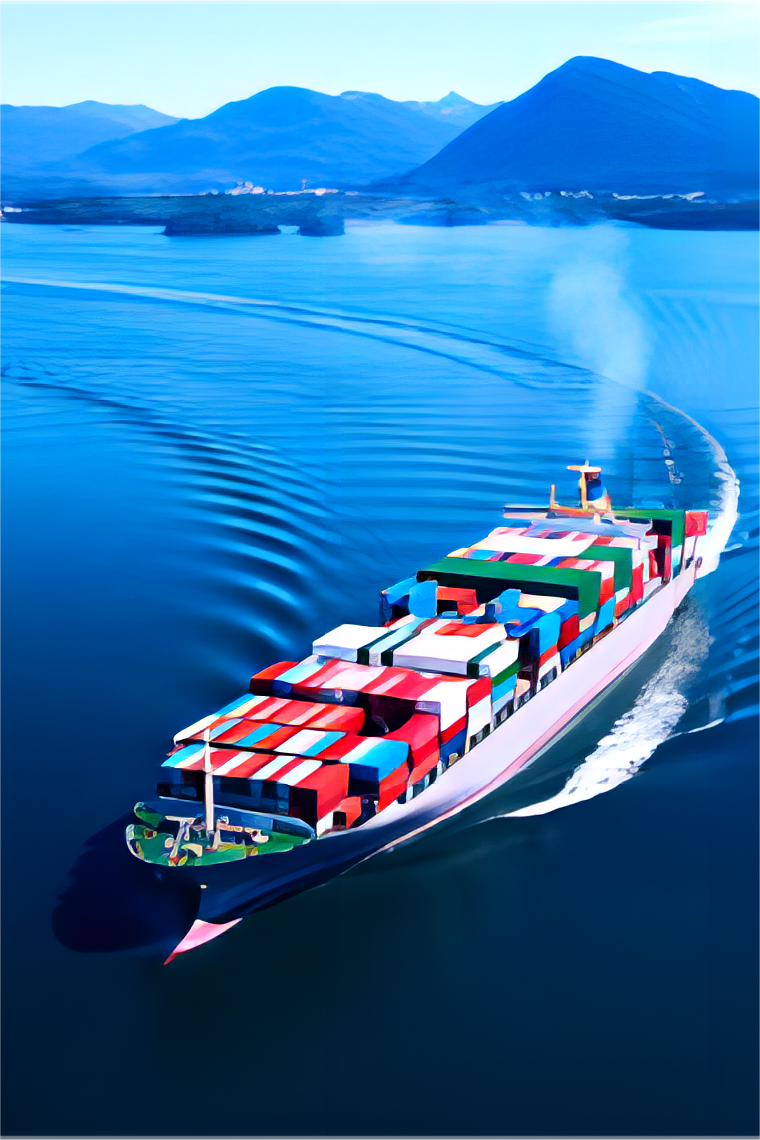
Expert Freight Forwarder China to USA: 2026 Shipping Guide
Navigating the complexities of international trade requires a reliable freight forwarder china to USA to ensure your goods arrive safely and on schedule. As we move through 2026, the logistics landscape continues to evolve with new regulations and fluctuating fuel prices affecting global supply chains. Consequently, selecting a partner who understands these nuances is vital for maintaining your profit margins and customer satisfaction.
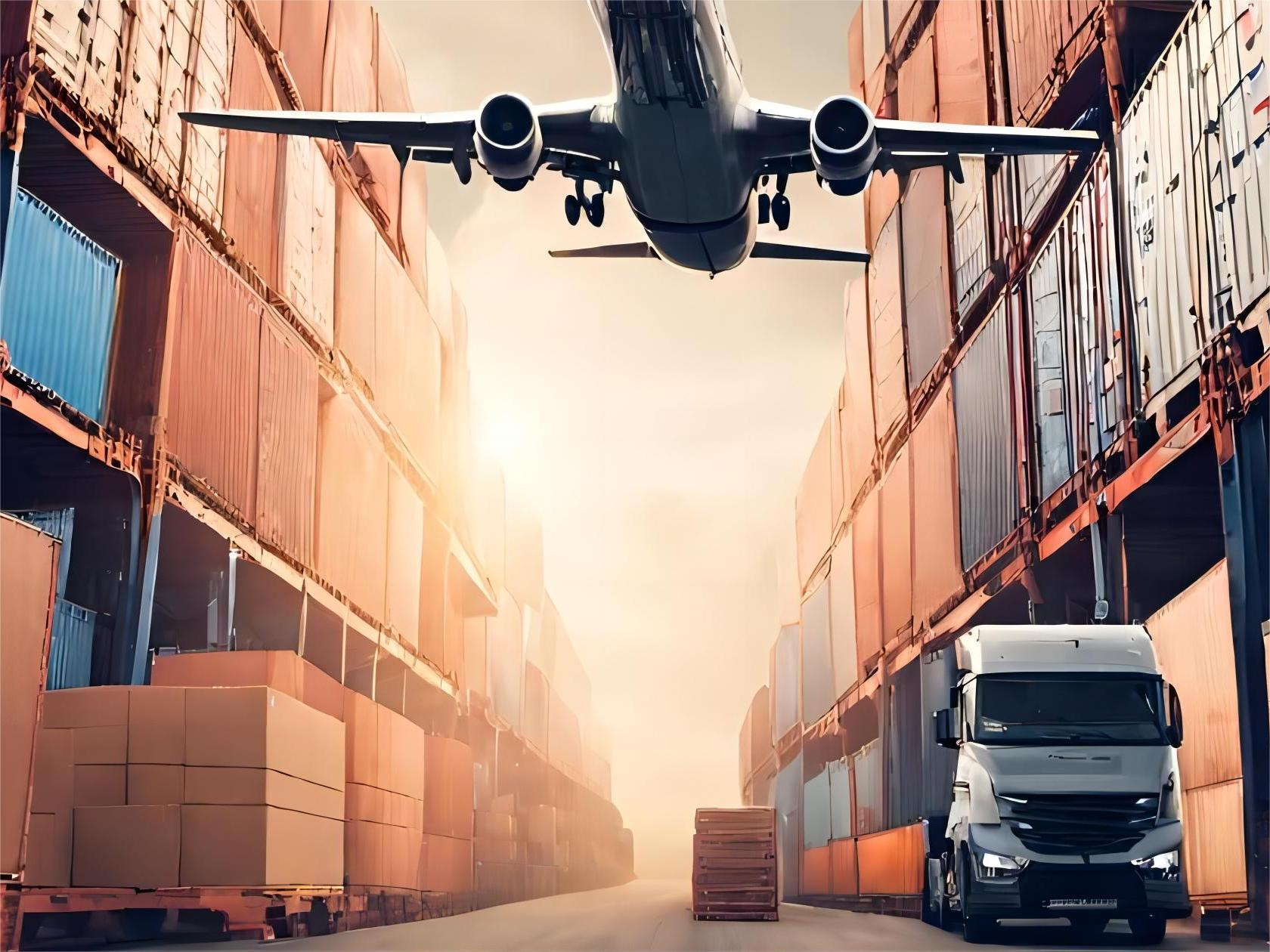
Why Choose a Professional Freight Forwarder China to USA?
Managing international shipments involves more than just moving boxes from one point to another. A professional freight forwarder China to USA acts as an essential intermediary, handling everything from documentation to carrier negotiations. Furthermore, they provide the expertise needed to navigate the specific customs requirements of both the Chinese export authorities and the US Customs and Border Protection.
Significant cost savings are often the primary benefit of working with an established logistics provider. Because these experts consolidate shipments and maintain strong relationships with major carriers, they can offer competitive freight rates that individual shippers cannot access. Additionally, they provide real-time tracking and risk management strategies to protect your investment during transit.
Reliability in the supply chain is more critical than ever in the current market environment. By leveraging a dedicated forwarder, you can avoid common pitfalls such as port congestion or documentation errors that lead to expensive delays. Indeed, having a partner who can pivot to alternative routes during disruptions is a competitive advantage for any US-based importer.
What are the Primary Shipping Methods for 2026?
Choosing the right transportation mode depends heavily on your budget, cargo size, and required delivery schedule. For large volumes, sea freight remains the most economical choice for most businesses. Meanwhile, smaller, high-value items often require the speed of other transport methods to meet tight market demands.
Market data suggests that while sea freight is cost-effective, it requires careful planning due to longer transit times. On the other hand, businesses with urgent inventory needs frequently opt for faster solutions despite the higher price point. Therefore, understanding the trade-offs between cost and speed is the first step in optimizing your logistics strategy.
| Method | Cost Range | Transit Time | Best For |
|---|---|---|---|
| Sea Freight (FCL) | $2,800 – $5,500 | 18 – 35 Days | Large bulk orders |
| Air Freight | $5.50 – $9.00/kg | 3 – 7 Days | High-value goods |
| Express Service | $8.00 – $15.00/kg | 2 – 5 Days | Samples and small parcels |
| LCL Shipping | $60 – $120/CBM | 22 – 40 Days | Small volume cargo |
How Does Sea Freight Compare to Other Shipping Options?
Ocean transport is the backbone of the trans-Pacific trade route, accounting for the vast majority of cargo volume. While sea freight costs for a 40HQ container currently range between $3,000 and $6,000 depending on the destination port, air freight for the same volume would be prohibitively expensive. Consequently, sea freight is the standard for heavy machinery, furniture, and mass-market consumer goods.
Alternative strategies such as sea-air hybrid solutions have gained popularity in early 2026. These involve shipping by sea to a hub like Dubai or Los Angeles and then transferring to air for the final leg. This approach offers a middle ground, saving roughly 30% compared to pure air freight while arriving much faster than standard ocean routes.
Consider the volume thresholds when deciding between FCL and LCL options. For shipments under 15 CBM, LCL is typically more economical, but it involves more cargo handling. Conversely, FCL provides better security and faster clearance since the container is dedicated to a single importer.
| Shipping Method | Cost Efficiency | Speed | Limitations |
|---|---|---|---|
| Standard Sea | Very High | Low | Long lead times |
| Premium Sea | Medium | Medium | Limited port options |
| Sea-Air Hybrid | Medium | High | Complex handling |
| Pure Air | Low | Very High | Weight restrictions |
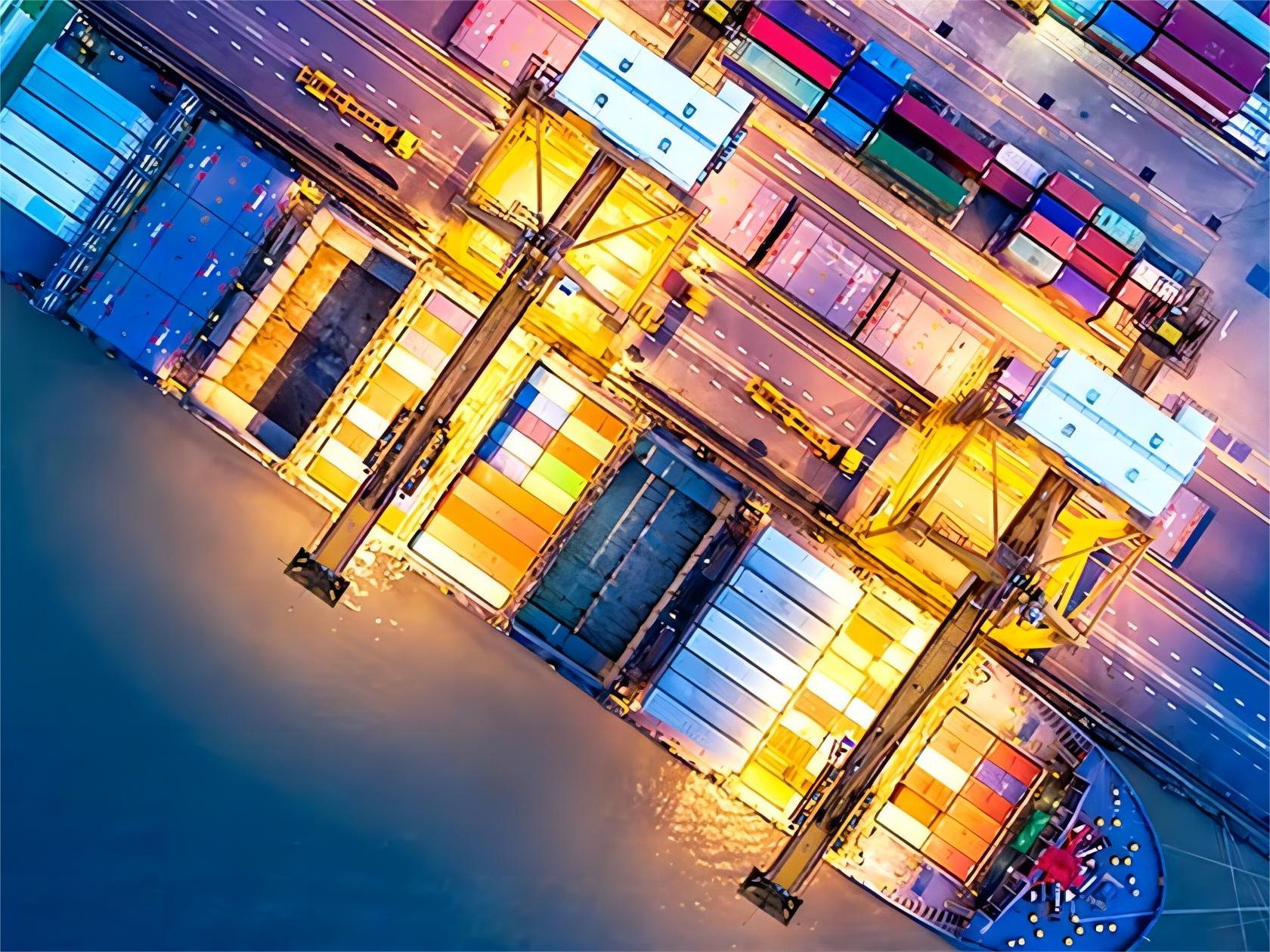
Is Air Freight a Viable Option for Your Cargo?
When speed is the absolute priority, air freight provides the fastest connection between Chinese manufacturing hubs and US markets. This method is particularly suitable for electronics, fashion items, and perishable goods that lose value over time. Moreover, the reduced transit time significantly improves cash flow by allowing for faster inventory turnover.
Logistics trends in 2026 indicate that air cargo capacity has stabilized, yet rates remain sensitive to jet fuel price fluctuations. Nevertheless, the security level of air transport is superior to sea freight, resulting in lower insurance premiums for high-risk items. Therefore, businesses must weigh the premium cost against the benefits of speed and security.
Managing Amazon FBA Shipments from China
E-commerce sellers face unique challenges when importing goods for fulfillment by Amazon. Utilizing a specialized Amazon FBA shipping service ensures that your products meet Amazon’s strict labeling and packaging requirements. Failure to comply with these standards can result in rejected shipments and costly return fees.
Professional forwarders often offer prep services in China, which include inspection and palletization before the goods ever leave the origin. Consequently, this reduces the risk of receiving damaged inventory at US warehouses. In addition, they can manage the final mile delivery to specific FBA centers across the United States, ensuring your listings remain active and in stock.
Navigating Customs Brokerage and Compliance
The complexity of US import regulations cannot be overstated, especially with the ongoing updates to tariff schedules in 2026. Engaging a knowledgeable customs brokerage service is essential for ensuring accurate duty payments and avoiding legal complications. They handle the filing of the Entry Summary and ensure compliance with agencies like the FDA or EPA.
Typical rates as of early 2026 suggest that customs bonds and entry fees are a small price to pay compared to the fines associated with misclassification. Furthermore, a skilled broker can often identify opportunities for duty drawbacks or utilize specific trade programs to reduce your total landed cost. Without a doubt, compliance should be viewed as a core component of your risk management strategy.
The Benefits of Door to Door Logistics
For many small to medium-sized enterprises, a door to door service offers the most convenient shipping experience. This all-inclusive solution covers every step of the journey, from the factory floor in China to your warehouse or office in the USA. Consequently, you can focus on growing your business while the logistics provider manages the intricate details of the move.
This service typically includes pickup, export clearance, international freight, import clearance, and final delivery. Although the upfront quote might seem higher than port-to-port options, it often results in lower total costs by eliminating hidden third-party fees. Indeed, the transparency provided by a single point of contact simplifies the entire import process.
Case Study 1: Electronics from Shenzhen to Los Angeles
Route: Shenzhen, China to Los Angeles, USA
Cargo: High-end consumer electronics, 12 CBM, 2,400 kg
Container: LCL (Less than Container Load)
Shipping Details:
– Carrier: Major trans-Pacific carrier
– Port of Loading: Shenzhen
– Port of Discharge: Los Angeles
– Route Type: Direct
Cost Breakdown:
– Ocean Freight: $1,450
– Origin Charges: $320
– Destination Charges: $450
– Customs and Duties (estimated): $2,100
– Total Landed Cost: $4,320
Timeline:
– Booking to Loading: 3 days
– Sea Transit: 15 days
– Customs Clearance: 2 days
– Total Door-to-Door: 24 days
Key Insight: Using a direct route to the West Coast saved 10 days compared to transshipment, which was critical for this seasonal product launch. Based on Q1 2026 market rates.
Case Study 2: Industrial Parts from Ningbo to Savannah
Route: Ningbo, China to Savannah, USA
Cargo: Steel components, 28 CBM, 18,000 kg
Container: 20GP (General Purpose)
Shipping Details:
– Carrier: COSCO
– Port of Loading: Ningbo
– Port of Discharge: Savannah
– Route Type: Via Panama Canal
Cost Breakdown:
– Ocean Freight: $3,200
– Origin Charges: $280
– Destination Charges: $550
– Customs and Duties (estimated): $4,500
– Total Landed Cost: $8,530
Timeline:
– Booking to Loading: 5 days
– Sea Transit: 32 days
– Customs Clearance: 3 days
– Total Door-to-Door: 45 days
Key Insight: Choosing the East Coast port of Savannah avoided high inland trucking costs from the West Coast for this heavy cargo. Typical rates as of mid-2026.
Which Option Should You Choose?
Determining the best shipping method requires a clear understanding of your business priorities. If budget is your primary concern and you have flexible timelines, sea freight is the logical choice. However, if you are dealing with stockouts or high-value items, the speed of air freight or express services will likely justify the additional expense.
Cargo type also plays a significant role in the decision-making process. For example, hazardous materials or oversized machinery may have limited options and require specialized cargo handling. Meanwhile, volume thresholds suggest that once you exceed 15-20 CBM, upgrading to a full container (FCL) provides better value and security than LCL.
Market intelligence for 2026 indicates that hybrid solutions are becoming more reliable. If your timeline is around 15-20 days, ask your forwarder about premium ocean services that offer expedited unloading and trucking. To summarize, a balanced approach that considers cost, speed, and cargo safety will always yield the best results.
Final Thoughts on Shipping from China to USA
In conclusion, finding the right freight forwarder china to USA is the most significant step you can take toward a successful import business. By understanding the various shipping methods, from cost-effective sea freight to rapid air delivery, you can make informed decisions that support your bottom line. Moreover, staying updated on 2026 market trends and customs regulations will help you avoid unnecessary delays and expenses.
Success in international trade depends on transparency, communication, and expert execution. Whether you are a first-time importer or an established enterprise, the right logistics partner will provide the tools and support needed to navigate the trans-Pacific route with confidence. Remember that freight rates are subject to change based on fuel costs and seasonal demand, so always request a current quote for your specific shipment.
Start Your Shipment
Ready to streamline your supply chain and reduce shipping costs for 2026? Contact our expert team today for a customized quote from a leading freight forwarder china to USA. Send Inquiry: https://globalchinafreight.com/
Request Quote