

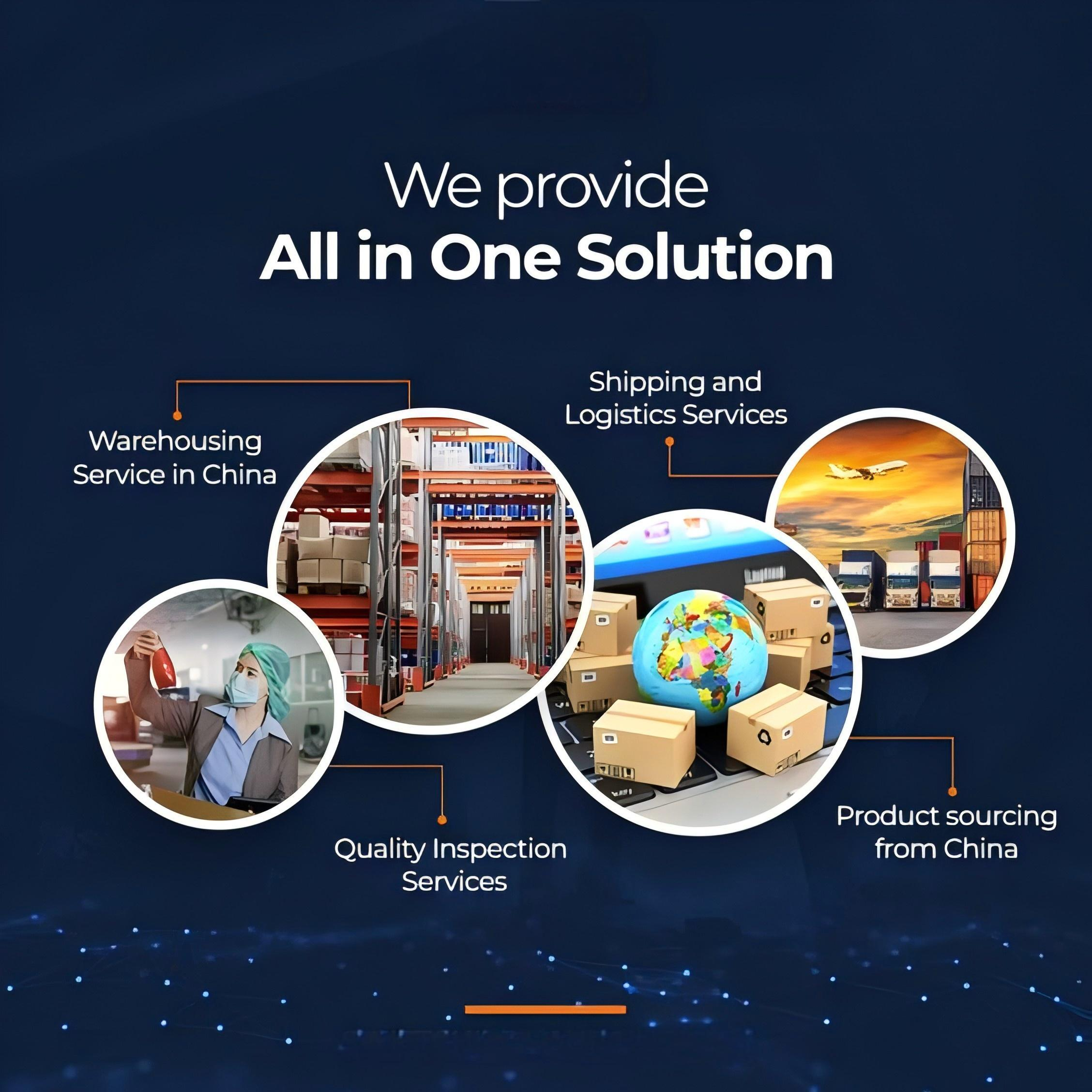
Container Shipping China to Canada Quote: 2026 Freight Rates
Navigating the complexities of international trade requires a precise container shipping china to Canada quote to ensure your profit margins remain healthy in 2026. Global China Freight offers comprehensive logistics solutions designed to streamline your supply chain across the Pacific. Consequently, understanding the variables that influence pricing will help you make informed decisions for your next shipment.
Factors Influencing Your Container Shipping China to Canada Quote
Several dynamic factors determine the final cost of your ocean freight shipment from Asia to North America. Fuel surcharges, known as Bunker Adjustment Factors, fluctuate based on global oil prices and environmental regulations in 2026.
Seasonal demand peaks during the late summer months, leading to capacity shortages and higher spot rates for Canadian importers. Additionally, port congestion at major gateways like Vancouver or Prince Rupert can lead to unexpected storage fees or demurrage charges.
Market data suggests that china to canada ocean freight rates 2026 are stabilizing, yet geopolitical shifts still impact carrier capacity. Therefore, securing a fixed quote early in the booking process is vital for accurate budgeting.
Furthermore, the type of commodity you are transporting influences the insurance premiums and handling requirements. Specifically, hazardous materials or oversized equipment require specialized permits that increase the total landed cost.
Comparing FCL and LCL in Your Container Shipping China to Canada Quote
Choosing between Full Container Load (FCL) and Less than Container Load (LCL) depends largely on your total cargo volume. For shipments exceeding 15 cubic meters, sea freight in a full 20ft or 40ft container usually offers the best value.
Regarding 20ft container shipping cost china to canada, prices typically range between 1,800 and 2,500 USD depending on the origin port. LCL shipping allows you to share space with other importers, which is ideal for smaller inventories or trial shipments.
In addition, fcl vs lcl shipping china to canada considerations include the risk of damage and the speed of unloading at the destination. FCL provides better security and faster handling since the container remains sealed from the origin to the destination warehouse.
Moreover, LCL shipments often incur higher per-cubic-meter costs due to the labor involved in consolidation and deconsolidation. Consequently, businesses with high-volume needs should prioritize FCL to maximize their shipping efficiency.
| Shipping Method | Ideal Volume | Cost Basis | Security Level |
|---|---|---|---|
| FCL (20GP/40HQ) | Above 15 CBM | Flat Container Rate | High (Sealed) |
| LCL (Shared) | 1 to 14 CBM | Per Cubic Meter | Moderate |
| Air Freight | Under 1 CBM | Per Kilogram | Very High |
How Does Sea Freight Compare to Other Shipping Options?
While ocean transport is the most common method for bulky goods, other alternatives exist depending on your timeline. Air freight serves as a premium alternative when you need to restock inventory within days rather than weeks.
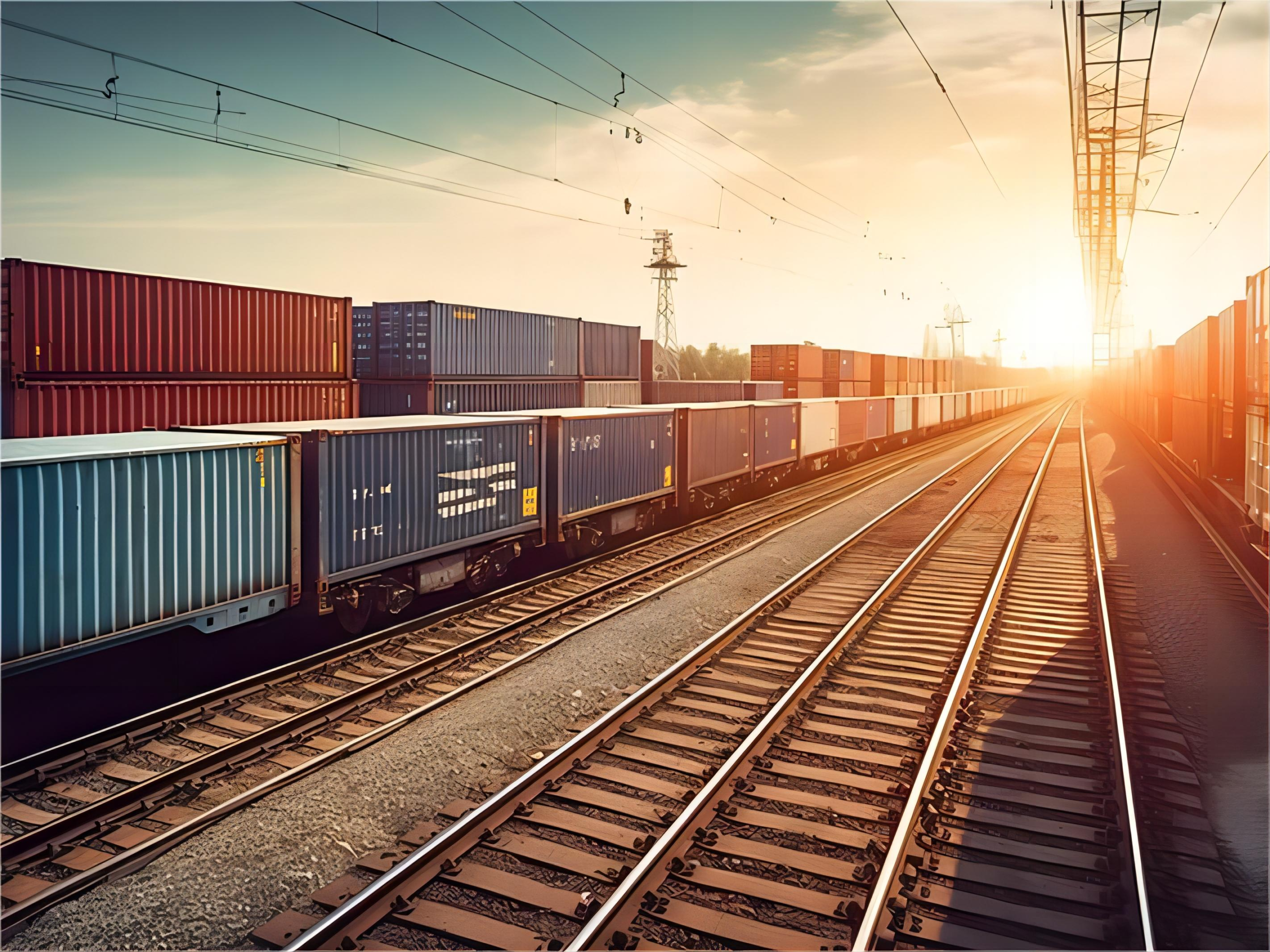
Hybrid solutions, such as sea-air transit through intermediate hubs, provide a balance between cost and speed for urgent Canadian orders. In contrast, rail freight from China is generally not a direct option for Canada, though intermodal rail within Canada is vital for inland delivery.
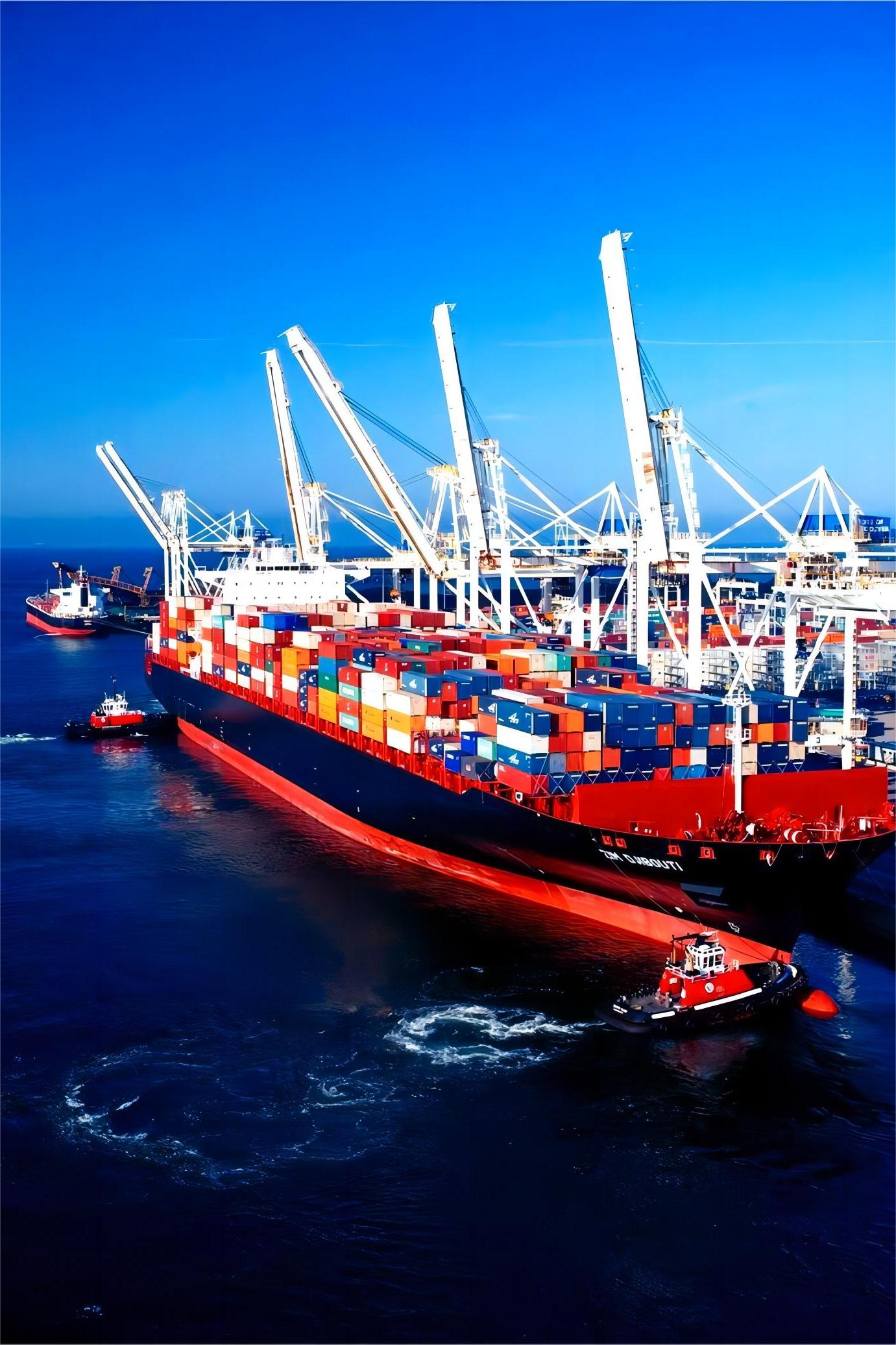
Ultimately, sea freight remains the backbone of the trans-Pacific trade route due to its massive capacity and lower environmental impact per ton. Nevertheless, choosing the right method requires evaluating the trade-offs between transit time and logistics expenses.
Alternatively, express courier services are best for small parcels and documents that require door-to-door tracking and rapid customs clearance. As a result, most businesses maintain a diversified shipping strategy to handle different product types and urgency levels.
| Method | Cost Range | Transit Time | Best For |
|---|---|---|---|
| Sea Freight | $1,800 – $4,500 | 14 – 40 Days | Bulk Inventory |
| Air Freight | $5,000 – $15,000 | 3 – 7 Days | Urgent Goods |
| Sea-Air Hybrid | $3,000 – $7,000 | 10 – 20 Days | Medium Urgency |

Key Ports and Transit Times for Canada Shipments
Transit times vary significantly depending on whether your cargo is bound for the West Coast or the East Coast. Shipments to Vancouver typically arrive faster, taking approximately 14 to 18 days from major Chinese ports like Shanghai or Ningbo.
Vessels destined for Montreal or Toronto often transit through the Panama Canal or utilize intermodal rail from the West Coast. Specifically, the transit time from shanghai to montreal can extend to 35 or 40 days when using the all-water route.
As a result, selecting the right port of entry is essential for minimizing your total door-to-door delivery time and reducing inland trucking costs. For instance, Prince Rupert offers a strategic alternative to Vancouver with efficient rail connections to the Canadian prairies.
Notably, ocean freight transit times 2026 are subject to seasonal weather patterns and carrier schedule reliability. Therefore, we recommend adding a buffer of 5 to 7 days when planning your inventory arrival dates.
| Origin Port | Destination | Avg. Transit | Route Type |
|---|---|---|---|
| Shanghai | Vancouver | 15 Days | Direct |
| Shenzhen | Toronto | 28 Days | Intermodal Rail |
| Ningbo | Montreal | 38 Days | Panama Canal |
Understanding Canadian Customs and Import Duties
Handling the Canadian Border Services Agency (CBSA) requirements is a critical step in the shipping process. You must provide accurate documentation, including a commercial invoice, packing list, and a bill of lading, to avoid costly delays.
Utilizing a professional customs brokerage service ensures that your goods comply with all local regulations and tariff classifications. Additionally, being aware of the Goods and Services Tax (GST) and potential anti-dumping duties will prevent hidden costs from arising.
Importers should also research canada customs clearance fees for chinese imports to ensure their container shipping china to Canada quote is comprehensive. Moreover, marine insurance for canada shipments is highly recommended to protect against cargo loss or damage during the long Pacific crossing.
Indeed, clear communication with your broker can expedite the release of your goods and minimize the risk of expensive secondary inspections. Consequently, many successful importers integrate customs planning into their initial sourcing phase.
Door to Door Logistics and Last Mile Delivery
Managing the entire journey from a factory in Shenzhen to a warehouse in Toronto requires seamless coordination. Opting for door to door shipping removes the burden of managing multiple logistics providers and local trucking companies.
This comprehensive service includes origin pickup, ocean transit, customs clearance, and final delivery to your specified location. Therefore, businesses can focus on sales and marketing while logistics experts handle the complexities of the international supply chain.
Requesting door to door shipping china to toronto ensures that you receive a single invoice covering all stages of the transport. Furthermore, modern tracking technology allows you to monitor your container’s progress in real-time across both sea and land.
Significantly, last-mile delivery costs in Canada can fluctuate based on fuel prices and the accessibility of your delivery site. Accordingly, providing detailed delivery instructions will help avoid additional fees for residential or remote locations.
Strategic Advice for Amazon FBA Sellers in Canada
E-commerce entrepreneurs must adhere to strict delivery windows and labeling requirements set by Amazon fulfillment centers. Specialized Amazon FBA logistics services help ensure your products are prepped and delivered according to platform standards.
Shipping directly from China to Canadian FBA warehouses can reduce handling costs and shorten the time to market for new products. Moreover, consolidating smaller shipments into a single container can significantly lower your per-unit shipping expenses.
Importers should also consider the impact of import tax from china to canada on their retail pricing strategies. Specifically, utilizing a freight forwarder china to canada with experience in Amazon’s carrier central system will prevent rejected deliveries.
Ultimately, maintaining a consistent stock level requires a reliable logistics partner who understands the nuances of the Canadian e-commerce market. For instance, planning for the Q4 holiday rush should begin as early as June to avoid peak season surcharges.
Realistic Case Studies for China-Canada Logistics
Reviewing real-world examples helps importers understand the actual costs and timelines involved in modern logistics. These scenarios reflect typical shipments processed during the early months of 2026 under current market conditions.
Below are three detailed case studies showcasing different routes, cargo types, and shipping methods used for Canadian trade. Note: Freight rates are subject to change based on fuel costs, carrier capacity, and seasonal demand. Contact us for a current quote tailored to your specific shipment.
Case Study 1: Shanghai to Vancouver. Cargo: Industrial Machinery, 22 CBM. Container: 20GP. Carrier: COSCO. Ocean Freight: $1,950. Origin Charges: $320. Destination Charges: $410. Customs: $250. Total: $2,930. Timeline: 22 days door-to-port. Insight: Direct routing minimized costs.
Case Study 2: Shenzhen to Toronto. Cargo: Textiles, 8 CBM. Method: LCL. Ocean Freight: $840. Origin Charges: $180. Destination Charges: $290. Customs: $150. Total: $1,460. Timeline: 32 days. Insight: Consolidation was ideal for this volume.
Case Study 3: Ningbo to Montreal. Cargo: Furniture. Container: 40HQ. Carrier: Maersk. Ocean Freight: $3,850. Origin Charges: $450. Destination Charges: $550. Customs: $300. Total: $5,150. Timeline: 42 days. Insight: Off-peak booking saved 15%.
Which Shipping Option Should You Choose?
Selecting the optimal method requires a careful analysis of your budget, cargo volume, and required delivery date. If your primary goal is cost reduction and you have a flexible schedule, FCL or LCL ocean freight is the standard choice.
When dealing with high-value electronics or urgent medical supplies, air freight remains the only viable option despite the higher price point. For shipments under 15 CBM, LCL is often the cheapest way to ship from china to canada without paying for empty space.
Ultimately, a hybrid approach or utilizing intermodal rail within Canada can offer a competitive advantage for inland destinations like Calgary or Winnipeg. In contrast, businesses with steady demand should consider long-term contracts with logistics providers for canada trade.
Consequently, your decision should balance the landed cost per unit against the potential loss of sales due to inventory delays. We recommend comparing at least three different quotes to ensure you are receiving the best market rate available.
Seasonal Trends and Market Forecast for 2026
Market intelligence suggests that freight rates for North America will remain stable throughout the mid-2026 period. Importers should prepare for the annual peak season starting in August by booking space at least four weeks in advance.
Technological advancements in cargo tracking and automated customs filing are expected to further improve transparency and efficiency this year. Nevertheless, staying informed about geopolitical shifts and maritime regulations is crucial for maintaining a resilient supply chain.
Furthermore, the adoption of green fuels in the shipping industry may lead to slight increases in environmental surcharges. As a result, companies that prioritize sustainable logistics may benefit from tax incentives or improved brand reputation in the Canadian market.
Specifically, monitoring port of vancouver shipping costs will provide a benchmark for the rest of the country’s logistics pricing. Indeed, a proactive approach to logistics management is the best way to navigate the uncertainties of international trade.
Final Thoughts on Obtaining a Container Shipping China to Canada Quote
Summarizing the logistics landscape, shipping from China to Canada involves balancing costs, transit times, and regulatory compliance. By understanding the nuances of FCL and LCL, and leveraging professional brokerage services, you can navigate the Pacific trade route with confidence.
Always remember to request a detailed container shipping china to Canada quote to account for all potential fees and surcharges. With the right logistics partner, your business can achieve a seamless and cost-effective supply chain for years to come.

Need a tailored shipping solution?
Requesting a competitive container shipping china to Canada quote is the first step toward a successful import business in 2026. Contact our team of logistics experts today to receive a personalized pricing plan that meets your specific requirements. Visit our website to request your free quote and start optimizing your international freight strategy.