
Best Freight Forwarder China to Germany Shipping Solutions 2026
Navigating the complexities of international trade requires a logistics partner who understands the nuances of global supply chains. Choosing the best freight forwarder china to Germany shipping solutions ensures your goods arrive safely and on time. Consequently, businesses must evaluate current 2026 freight rates and transit times to maximize their operational efficiency. This guide provides a comprehensive overview of the most effective methods to move cargo from Chinese manufacturing hubs to German commercial centers.

How Does Sea Freight Compare to Other Shipping Options?
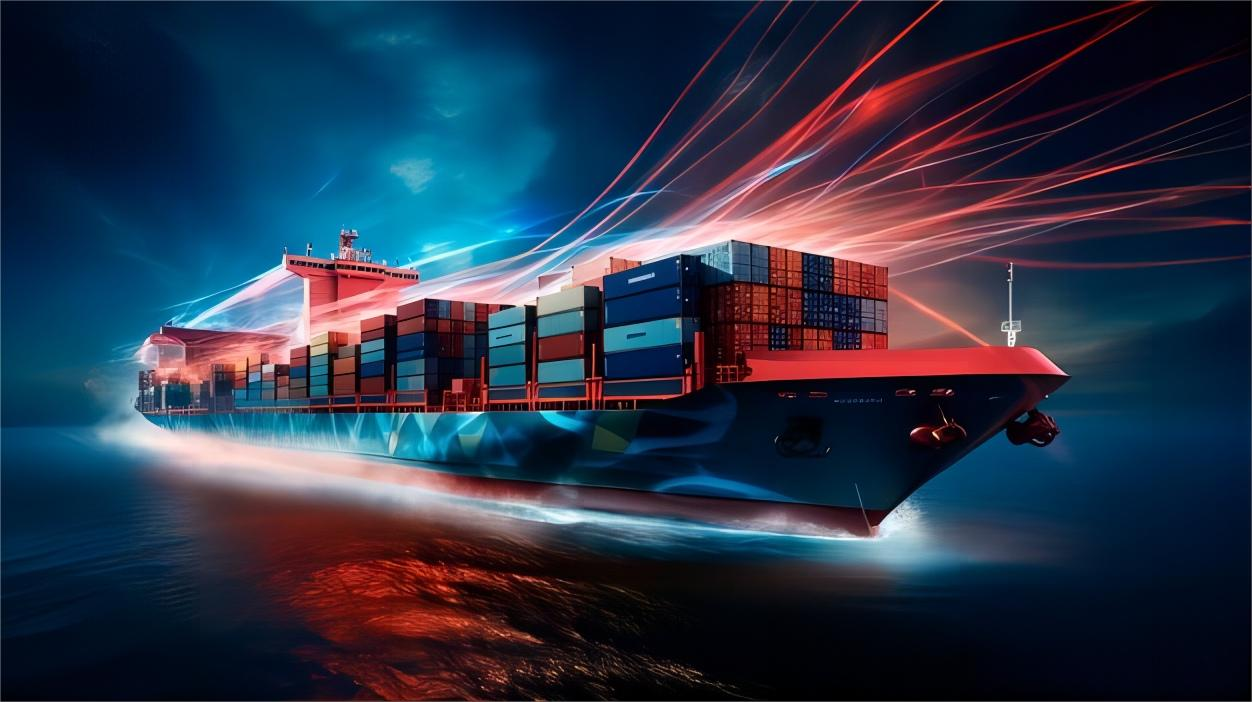
Sea freight remains the most popular choice for high-volume importers because it offers the lowest cost per unit. However, the transit time is significantly longer than air or rail alternatives, typically ranging from 30 to 45 days. Indeed, businesses often utilize sea freight for non-urgent shipments such as furniture, machinery, and large consumer goods.
Importers must choose between Full Container Load (FCL) and Less than Container Load (LCL) based on their specific volume. For instance, FCL is more cost-effective for shipments exceeding 15 cubic meters, while LCL allows smaller businesses to share container space. Consequently, selecting the right container type can lead to substantial savings on the total landed cost.
Market conditions in early 2026 suggest that ocean freight rates have stabilized following previous global disruptions. Furthermore, direct routes from Shanghai or Ningbo to Hamburg or Bremerhaven provide the most reliable schedules for German distributors. Nevertheless, shippers should account for potential port congestion during peak seasons like the weeks leading up to the Lunar New Year.
| Method | Cost Range | Transit Time | Key Benefit |
|---|---|---|---|
| Sea Freight | $1,900 – $3,800 | 30-45 Days | Lowest Cost |
| Rail Freight | $2,800 – $4,500 | 18-24 Days | Balanced Speed |
| Air Freight | $5.50 – $9.00/kg | 5-8 Days | Maximum Speed |
| Express | $8.00 – $12.00/kg | 3-5 Days | Door to Door |
Why Rail Freight is a Top China to Germany Shipping Solution
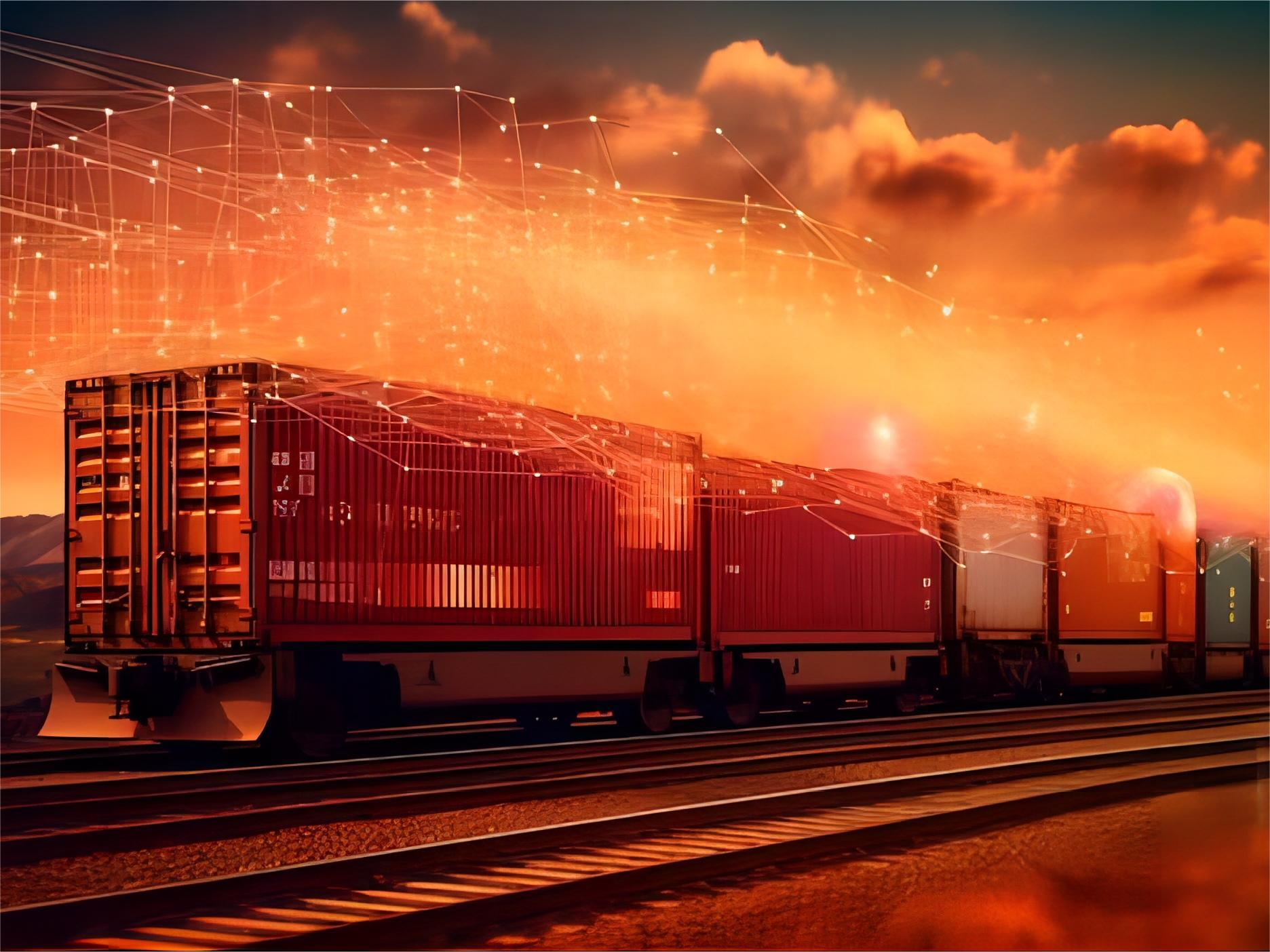
Rail freight has emerged as a formidable middle-ground solution for companies that need faster delivery than sea but cannot afford air rates. Specifically, the Iron Silk Road connects major Chinese hubs like Chengdu and Xi’an directly to Duisburg or Hamburg. Moreover, rail freight offers a more sustainable alternative with lower carbon emissions than air transport.
Transit times for rail shipments generally hover around 20 days, making it ideal for electronics and seasonal fashion. Additionally, the stability of rail pricing compared to volatile ocean rates provides better budget predictability for German procurement teams. As a result, many manufacturers are shifting their mid-tier cargo to rail to optimize their inventory turnover.
Freight forwarders often recommend rail for shipments that are too heavy for air but too urgent for the ocean. For example, a shipment of automotive parts might take 40 days by sea, which could halt production lines. In contrast, rail delivery ensures the parts arrive in half the time at a fraction of the cost of a chartered flight.
Air Freight Solutions for Urgent German Markets
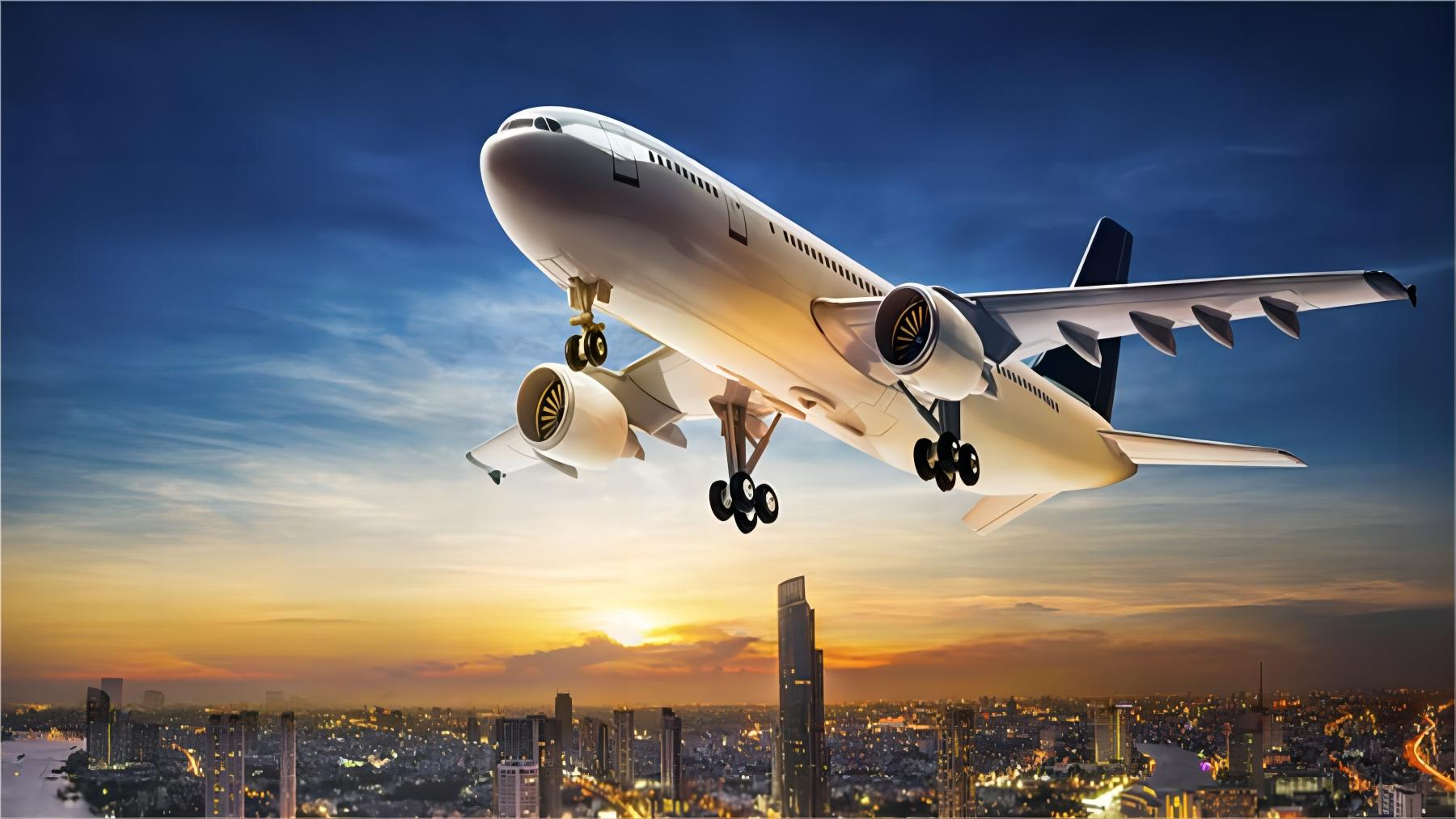
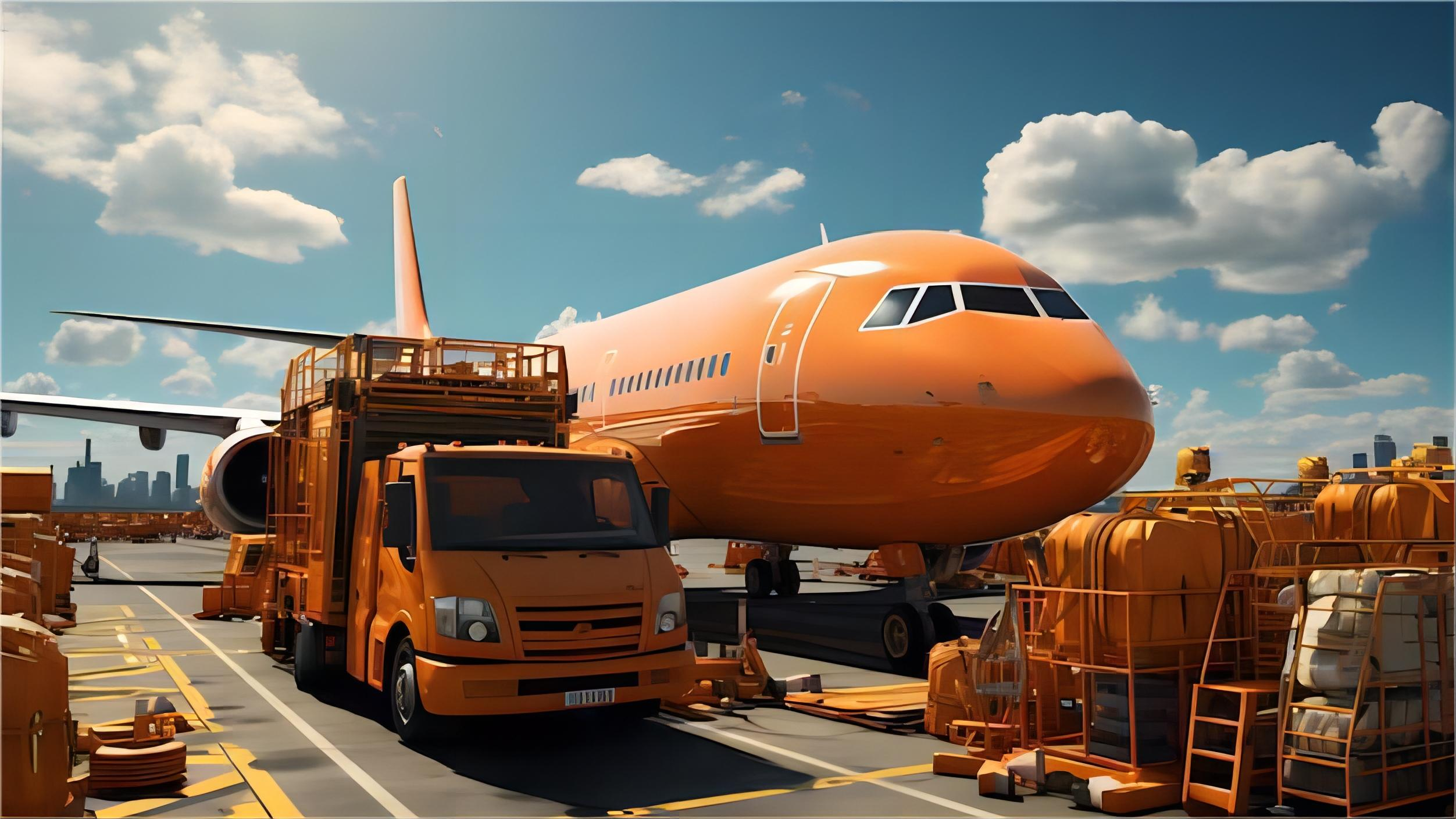
High-value goods and perishable items require the speed and security that only air freight can provide. Although it is the most expensive method, the reduction in lead time allows businesses to respond quickly to market demands. Furthermore, air transport minimizes the risk of damage or theft, which is critical for expensive technology or pharmaceuticals.
Major airports such as Frankfurt and Munich serve as the primary gateways for air cargo entering Germany. Meanwhile, hubs in Hong Kong and Shanghai offer the highest frequency of flights to ensure minimal delays at the origin. Therefore, choosing a forwarder with strong airline partnerships is essential for securing space during the Q4 peak season.
Cost-saving strategies in air freight involve optimizing the volumetric weight of the packaging. Specifically, reducing the size of boxes can significantly lower the chargeable weight and overall shipping expenses. Without a doubt, air freight remains the best freight forwarder china to Germany shipping solutions for product launches and emergency restocking.
Navigating Customs Brokerage and Compliance
Entering the German market requires strict adherence to European Union customs regulations and documentation standards. Consequently, professional customs brokerage services are indispensable for avoiding costly delays and fines. Importers must ensure they have a valid EORI number and that all commercial invoices accurately reflect the goods’ value.
Documentation such as the Bill of Lading, Packing List, and Certificate of Origin must be prepared with precision. In addition, certain products may require CE marking or specific safety certifications to pass German inspections. As a result, working with an experienced forwarder who understands local laws is the best way to ensure smooth clearance.
Customs duties and Value Added Tax (VAT) represent a significant portion of the total import cost. Specifically, Germany’s standard VAT rate of 19 percent applies to most imported goods, though some items may qualify for reduced rates. To summarize, early preparation of all paperwork is the most effective strategy for minimizing time spent at the border.
| Document Name | Purpose | Required By | Source |
|---|---|---|---|
| Commercial Invoice | Value Declaration | Customs | Seller |
| Packing List | Cargo Details | Carrier/Customs | Shipper |
| Bill of Lading | Title of Goods | Carrier | Freight Forwarder |
| EORI Number | EU Identification | German Customs | Importer |
Selecting the Best Freight Forwarder China to Germany Shipping Solutions for Amazon FBA
E-commerce sellers frequently require specialized logistics to meet the strict requirements of Amazon fulfillment centers. Specifically, Amazon FBA shipping solutions include palletization, labeling, and direct delivery to warehouses like those in Leipzig or Werne. Moreover, a forwarder familiar with Amazon’s booking system can prevent rejected shipments and storage fees.
Door-to-door services are particularly beneficial for small to medium-sized enterprises (SMEs) looking for a hands-off approach. Furthermore, these services combine international transport with local trucking to provide a seamless transition from the factory to the end destination. Consequently, sellers can focus on marketing and sales while the forwarder handles the logistical heavy lifting.
Choosing a hybrid shipping model, such as sea-to-door or rail-to-door, allows sellers to balance cost and speed. For instance, an FBA seller might ship 80 percent of their stock by sea and 20 percent by air to maintain inventory levels. Indeed, the best freight forwarder china to Germany shipping solutions offer this level of flexibility to accommodate fluctuating demand.
Which Option Should You Choose? Decision Framework
Determining the most suitable shipping method depends on your budget, timeline, and the nature of your cargo. If your primary goal is cost reduction and you have a flexible schedule, sea freight is undoubtedly the best choice. On the other hand, if you are moving high-value electronics that need to reach the market within a week, air freight is the only viable option.
Volume thresholds also play a critical role in the decision-making process. For shipments under 100kg, express services are usually the most economical, whereas shipments over 15 CBM should utilize FCL sea freight. Additionally, rail freight serves as an excellent alternative when sea freight is too slow but air freight is prohibitively expensive.
Consider the following criteria when making your choice: Budget priority leads to Sea; Speed priority leads to Air; and Balance leads to Rail. Moreover, always factor in the landed cost, which includes duties and local delivery, rather than just the port-to-port rate. Ultimately, a diversified shipping strategy is often the most resilient approach for modern businesses.
Real-World Shipping Scenarios: Case Studies
+———————————————————+ | Case Study 1: Electronics from Shenzhen to Hamburg | Route: Shenzhen, China to Hamburg, Germany | Cargo: Consumer Electronics, 12 CBM, 3200 kg | Container: LCL 12 CBM | | Shipping Details: | – Carrier: Major Ocean Carrier | – Port of Loading: Shenzhen | – Port of Discharge: Hamburg | – Route Type: Direct | | Cost Breakdown: | – Ocean Freight: $1,260 | – Origin Charges: $210 | – Destination Charges: $280 | – Customs and Duties: $950 | – Total Landed Cost: $2,700 | | Timeline: | – Booking to Loading: 5 days | – Sea Transit: 34 days | – Customs Clearance: 2 days | – Total Door-to-Door: 41 days | | Key Insight: Utilizing LCL for a 12 CBM shipment saved the client $800 compared to booking a 20GP container. +———————————————————+
+———————————————————+ | Case Study 2: Auto Parts from Shanghai to Munich | Route: Shanghai, China to Munich, Germany | Cargo: Industrial Auto Parts, 22 Pallets, 14000 kg | Container: 40GP FCL | | Shipping Details: | – Carrier: Rail Service Provider | – Port of Loading: Shanghai (via Xi’an) | – Port of Discharge: Duisburg (Rail Terminal) | – Route Type: Rail Corridor | | Cost Breakdown: | – Rail Freight: $3,400 | – Origin Handling: $350 | – Destination Trucking: $600 | – Customs and Duties: $2,100 | – Total Landed Cost: $6,450 | | Timeline: | – Booking to Loading: 6 days | – Rail Transit: 20 days | – Customs Clearance: 1 day | – Total Door-to-Door: 27 days | | Key Insight: Rail transit was 15 days faster than sea, allowing the factory to meet a strict production deadline. +———————————————————+
+———————————————————+ | Case Study 3: Medical Equipment from Ningbo to Frankfurt | Route: Ningbo, China to Frankfurt, Germany | Cargo: High-Value Medical Sensors, 1.5 CBM, 450 kg | Container: Air Freight Pallet | | Shipping Details: | – Carrier: Major Airline | – Port of Loading: Shanghai PVG | – Port of Discharge: Frankfurt FRA | – Route Type: Direct Flight | | Cost Breakdown: | – Air Freight: $3,150 ($7.00/kg) | – Origin Charges: $150 | – Destination Charges: $180 | – Customs and Duties: $1,400 | – Total Landed Cost: $4,880 | | Timeline: | – Booking to Loading: 2 days | – Air Transit: 1 day | – Customs Clearance: 1 day | – Total Door-to-Door: 4 days | | Key Insight: Emergency air freight prevented a hospital supply shortage, justifying the higher transportation cost. +———————————————————+
Summary of 2026 Shipping Strategies
Successful importing from China to Germany hinges on selecting a shipping method that aligns with your business objectives. While sea freight offers the best value for large volumes, rail and air freight provide necessary speed for time-sensitive cargo. Furthermore, staying informed about market trends and customs regulations ensures your logistics operations remain efficient and compliant.
Partnering with an experienced agent allows you to access the best freight forwarder china to Germany shipping solutions while minimizing risks. By analyzing transit times, costs, and service reliability, you can build a robust supply chain that supports long-term growth. Remember to plan ahead and choose the solution that offers the best balance for your specific shipment requirements.
Ready to streamline your logistics?
Optimizing your supply chain requires the expertise of a professional logistics partner. Whether you need urgent air transport or cost-effective sea freight, we provide the best freight forwarder china to Germany shipping solutions tailored to your needs. Visit our website to request a personalized quote and start saving on your 2026 shipping costs today. Send Inquiry: Visit globalchinafreight.com