

Warehouse Fulfillment China Germany Ecommerce Solutions 2026
Managing warehouse fulfillment China Germany ecommerce operations requires a strategic approach to bridge the gap between Asian manufacturing and European consumers. Consequently, businesses must partner with a reliable provider like Global China Freight to ensure seamless operations from the factory floor to the customer doorstep. This comprehensive guide explores the essential components of managing a robust supply chain between these two global economic powerhouses in the current 2026 market. Therefore, understanding the nuances of logistics, warehousing, and local distribution is vital for any scaling brand.
✦
Why is Warehouse Fulfillment China Germany Ecommerce Critical for Growth?
Expanding into the German market represents a significant milestone for international ecommerce brands due to the high purchasing power of local consumers. However, the physical distance between China and Germany creates logistical hurdles that can impact customer satisfaction if not managed correctly. Effective fulfillment strategies ensure that products move efficiently through the supply chain, reducing the likelihood of stockouts or delayed deliveries. Moreover, local consumers in Germany have high expectations regarding shipping speed and reliability, making professional logistics a non-negotiable requirement.
Establishing a presence in the European market requires more than just listing products on a website. Indeed, the backend infrastructure must support rapid order processing and accurate inventory tracking across multiple time zones. Many businesses struggle with the complexities of cross-border commerce, but those who master warehouse fulfillment China Germany ecommerce often see a dramatic increase in repeat customers. Additionally, professional fulfillment services help mitigate the risks associated with international shipping, such as damage during transit or customs delays. Consequently, investing in a robust logistics framework is the most effective way to secure a competitive advantage in 2026.
How to Choose the Right Warehouse Fulfillment Strategy for Germany?
Selecting the appropriate fulfillment model depends heavily on your business volume and the specific needs of your target audience. For instance, some companies prefer to ship directly from China to individual customers, while others utilize local German warehouses to provide faster last-mile delivery. Each approach has its own set of advantages and challenges that must be weighed against operational costs. Furthermore, the choice between in-house management and third-party logistics (3PL) providers will dictate your long-term scalability and overhead expenses.
Utilizing a 3PL provider in Germany allows brands to leverage existing infrastructure and expertise without significant upfront capital investment. On the other hand, shipping directly from China can lower storage costs but often results in longer transit times that might frustrate German buyers. Nevertheless, modern hybrid models are becoming increasingly popular, where high-demand items are stored locally and niche products are shipped from a central hub in China. Therefore, businesses should analyze their sales data to determine which inventory management strategy aligns best with their 2026 growth targets.
What Are the Best Shipping Methods for China to Germany Logistics?
Determining the most efficient transport mode is a balancing act between speed and expenditure. For large shipments, sea freight remains the most economical choice, especially for bulk inventory intended for long-term storage in German warehouses. Meanwhile, air freight offers unparalleled speed for urgent restocks or high-value electronics, though the costs are considerably higher. As of early 2026, many ecommerce sellers are also turning to rail freight as a middle-ground solution that offers faster transit than sea at a fraction of the cost of air.
Shipping costs and transit times have stabilized in 2026, yet seasonal fluctuations still occur during peak shopping periods. Specifically, rates typically rise during the third quarter as businesses prepare for the holiday season. To help you decide, the following table compares the primary shipping methods used for warehouse fulfillment China Germany ecommerce routes based on current market data.
| Shipping Method | Average Cost (2026) | Transit Time | Best For |
|---|---|---|---|
| Sea Freight (FCL) | $3,000 – $4,200 per 40HQ | 28-35 Days | Bulk inventory and heavy goods |
| Rail Freight | $2,500 – $3,500 per 40GP | 18-22 Days | Balanced cost and speed |
| Air Freight | $8.00 – $12.00 per kg | 5-7 Days | High-value or urgent items |
| Express Service | $12.00 – $18.00 per kg | 3-5 Days | Small parcels and samples |
How Does Rail Freight Compare to Other Shipping Options?
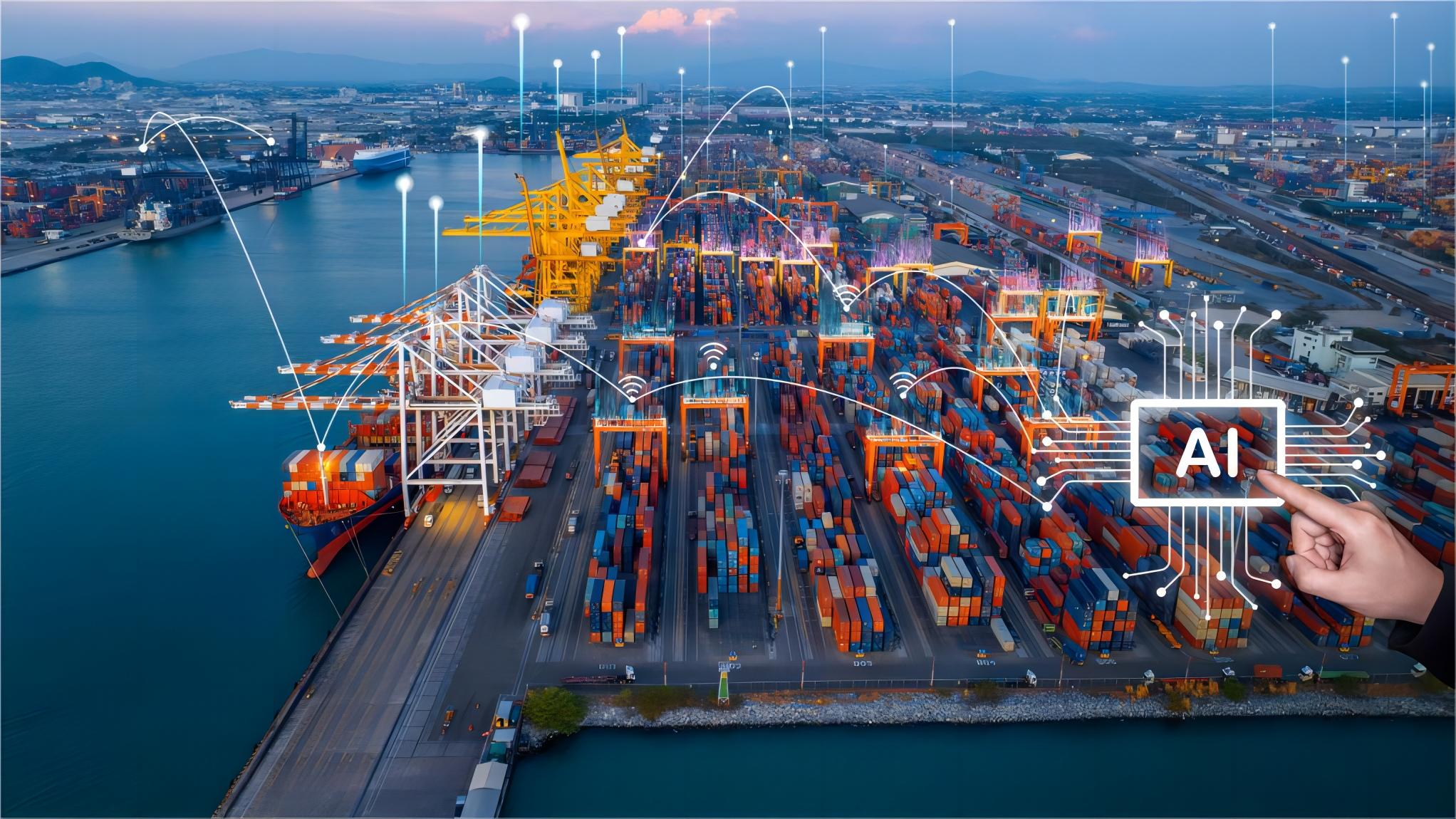
Analyzing the logistics landscape for 2026 reveals that rail transport has become a cornerstone of the China-Europe trade corridor. While sea freight is cheaper, the 30-day transit time can be a bottleneck for fast-moving ecommerce brands. In contrast, rail freight provides a reliable schedule that is less susceptible to the port congestion sometimes seen in Hamburg or Wilhelmshaven. Additionally, rail is often considered a more environmentally friendly alternative to air transport, which appeals to the growing segment of eco-conscious German consumers.
Choosing between these methods requires a clear understanding of your margin and delivery promises. For example, if your product has a short lifecycle, the speed of rail freight might justify the slight price premium over sea transport. Conversely, for low-margin items with steady demand, sea freight is almost always the superior financial choice. The table below provides a detailed comparison to assist in your decision-making process.
| Method | Cost Range | Transit Time | Limitations |
|---|---|---|---|
| Sea Freight | Lowest ($) | 30-45 Days | Slowest, port congestion risks |
| Rail Freight | Moderate ($$) | 16-22 Days | Limited to specific hubs |
| Air Freight | Highest ($$$$) | 3-7 Days | Strict weight/size limits |
| Sea-Air Hybrid | High ($$$) | 12-18 Days | Complex documentation |
Which Customs Documents Are Required for German Import?
Navigating the regulatory environment in Germany is one of the most challenging aspects of international fulfillment. Because Germany is a member of the European Union, all imports must comply with strict EU standards regarding safety, labeling, and taxation. Failure to provide the correct documentation can lead to significant delays, additional storage fees, or even the seizure of goods by authorities. Therefore, working with an experienced customs brokerage is essential for ensuring that your shipments clear the border without issue.
Documentation requirements vary depending on the type of product, but certain standard forms are always necessary. For instance, the Commercial Invoice and Packing List must accurately reflect the value and contents of the shipment to determine VAT and duty payments. Additionally, certificates of origin or specific safety certifications like CE marking are often required for electronics and toys. Using a professional service ensures that all paperwork is filed correctly and in a timely manner, preventing costly interruptions to your supply chain.
| Document Name | Purpose | Required For | Source |
|---|---|---|---|
| Commercial Invoice | Tax and duty valuation | All shipments | Shipper/Seller |
| Packing List | Inventory verification | All shipments | Shipper/Manufacturer |
| Bill of Lading | Contract of carriage | Sea/Rail freight | Carrier |
| EORI Number | EU customs identification | Commercial imports | German Customs |
How to Optimize Your Supply Chain with Amazon FBA Services?
Leveraging the power of Amazon in Germany can significantly boost your sales volume, but it requires precise logistics coordination. Many sellers choose Amazon FBA to handle the heavy lifting of storage, packing, and shipping within Europe. However, getting your goods from a factory in China to an Amazon fulfillment center in Germany involves several steps that must be executed perfectly. This includes adhering to Amazon specific labeling requirements and ensuring that shipments are delivered to the correct warehouse location.
Strategic planning is necessary to avoid high long-term storage fees at Amazon facilities. Consequently, many successful sellers use a secondary warehouse in Germany to drip-feed inventory into the FBA system as needed. This approach provides more control over stock levels and reduces overall fulfillment costs. Furthermore, by optimizing your inbound logistics, you can maintain a higher IPI (Inventory Performance Index) score, which leads to better storage limits and visibility on the Amazon marketplace. Indeed, a well-managed FBA strategy is a cornerstone of modern warehouse fulfillment China Germany ecommerce success.
Real-World Case Studies: Success Stories in 2026
Examining real-world examples provides valuable insights into how different logistics strategies perform in the current market. These cases highlight the importance of choosing the right shipping method and managing customs effectively. Based on Q1 2026 market rates, these scenarios illustrate typical costs and timelines for ecommerce businesses operating between China and Germany.
Case Study 1: Electronics from Shenzhen to Hamburg. Route: Shenzhen, China to Hamburg, Germany. Cargo: Consumer electronics, 12 CBM, 2,400 kg. Container: LCL. Shipping Details: Rail Freight via the Silk Road. Port of Loading: Shenzhen. Port of Discharge: Hamburg. Route Type: Direct. Cost Breakdown: Ocean/Rail Freight: $2,800. Origin Charges: $450. Destination Charges: $550. Customs and Duties: $1,200. Total Landed Cost: $5,000. Timeline: Booking to Loading: 3 days. Transit: 19 days. Customs: 2 days. Total Door-to-Door: 24 days. Key Insight: Rail provided the necessary speed for high-demand electronics without the extreme cost of air freight.
Case Study 2: Home Decor from Ningbo to Berlin. Route: Ningbo, China to Berlin, Germany. Cargo: Decorative items, 68 CBM, 15,000 kg. Container: 40HQ. Shipping Details: Sea Freight. Port of Loading: Ningbo. Port of Discharge: Bremerhaven. Route Type: Direct. Cost Breakdown: Ocean Freight: $3,600. Origin Charges: $600. Destination Charges: $700. Customs and Duties: $2,100. Total Landed Cost: $7,000. Timeline: Booking to Loading: 5 days. Sea Transit: 32 days. Customs: 3 days. Total Door-to-Door: 40 days. Key Insight: FCL sea freight offered the lowest unit cost for high-volume, low-margin goods, ensuring profitability in the Europe market.
Which Fulfillment Option Should You Choose for Your Business?
Deciding on a fulfillment strategy requires a deep dive into your business metrics and long-term goals. If your priority is budget, sea freight combined with a local 3PL in Germany is likely your best option. However, if your brand relies on speed and the latest trends, rail freight or air freight might be necessary to stay ahead of the competition. Additionally, consider the nature of your cargo; fragile or perishable items may require specialized handling that only certain providers can offer.
Furthermore, you should evaluate the volume thresholds at which switching methods becomes economical. For shipments under 15 CBM, LCL (Less than Container Load) is often the most cost-effective way to utilize sea or rail freight. Once you exceed this volume, booking a full 20GP or 40GP container provides better security and lower per-unit shipping costs. Ultimately, the best warehouse fulfillment China Germany ecommerce strategy is one that is flexible enough to adapt to changing market conditions and consumer demands in 2026.
Mastering Your Ecommerce Supply Chain
Successful warehouse fulfillment China Germany ecommerce operations are built on a foundation of reliable shipping, accurate inventory management, and expert customs handling. By choosing the right transport mode and leveraging professional logistics partners, businesses can significantly improve their delivery times and customer satisfaction levels. Whether you utilize rail, sea, or air, staying informed about market trends and regulatory changes is essential for long-term growth.
Note: Freight rates are subject to change based on fuel costs, carrier capacity, and seasonal demand. Contact us for a current quote tailored to your specific shipment. As we move through 2026, the brands that prioritize supply chain efficiency will be the ones that dominate the German ecommerce landscape.