

Import Shipping from China to Canada Commercial Cargo: 2026 Guide
Starting a commercial venture requires a reliable logistics partner to navigate the complexities of international trade. Global China Freight simplifies the process of import shipping from China to Canada commercial cargo for businesses of all sizes. This comprehensive guide explores everything from customs clearance to selecting the right freight mode for your 2026 supply chain needs.

What are the Primary Methods for Import Shipping from China to Canada Commercial Cargo?
Choosing the right transportation mode depends heavily on your budget, timeline, and the nature of your products. Most businesses operating in 2026 prioritize a balance between cost-efficiency and speed to maintain a competitive edge. Consequently, understanding the nuances of each shipping method is essential for successful supply chain management.
Sea freight remains the backbone of global trade due to its ability to handle massive volumes at a lower cost per unit. For large-scale operations, utilizing sea freight is often the most economical choice for transporting heavy machinery or bulk retail goods. Meanwhile, companies dealing with high-value electronics or urgent inventory replenishment typically opt for faster alternatives.
Air freight offers unparalleled speed for time-sensitive shipments across the Pacific. While the costs are significantly higher than ocean transport, air freight ensures that your commercial cargo reaches Canadian hubs like Toronto or Vancouver within days. Therefore, this method is ideal for perishable goods or high-demand product launches that cannot afford long transit times.
| Method | Transit Time | Cost Level | Best For |
|---|---|---|---|
| Sea Freight (FCL) | 25-40 Days | Low | Bulk goods, heavy items |
| Air Freight | 3-7 Days | High | Electronics, urgent stock |
| Express Service | 2-5 Days | Very High | Samples, small parcels |
| Sea-Air Hybrid | 15-22 Days | Medium | Balanced cost and speed |
Comparison of Shipping Modes for 2026
Evaluating the trade-offs between speed and expense helps in making an informed decision. For instance, a 40HQ container might take 30 days but save thousands of dollars compared to air transport. Moreover, the stability of freight rates in early 2026 has made long-term planning more predictable for Canadian importers.
How Does Sea Freight Compare to Other Shipping Options?
Ocean transport provides two main configurations: Full Container Load (FCL) and Less than Container Load (LCL). If your shipment occupies more than 15 cubic meters, FCL is generally the more cost-effective and secure option. On the other hand, LCL allows smaller businesses to share container space, making it a flexible choice for growing enterprises.
Direct routes from major Chinese ports like Shanghai to Vancouver are faster but often command a premium price. Conversely, transshipment routes via hubs in Southeast Asia might take an additional week but can reduce overall ocean freight costs by 10-15%. Accordingly, importers should weigh the importance of transit time against their profit margins when booking.
Container pricing as of early 2026 has remained relatively stable compared to the volatility of previous years. However, seasonal peaks during the late summer months still lead to temporary rate hikes and equipment shortages. Indeed, booking at least 3-4 weeks in advance is highly recommended to secure space on major carriers like COSCO or Maersk.
Why is Customs Brokerage Critical for Canadian Commercial Imports?
Navigating the Canada Border Services Agency (CBSA) requirements is often the most challenging part of the import process. Errors in documentation can lead to significant delays, storage fees, or even the seizure of goods at the port of entry. Therefore, professional customs brokerage services are indispensable for ensuring compliance with Canadian trade laws.
Specific permits are frequently required for commercial cargo including textiles, food products, or chemicals. Furthermore, the 2026 regulations have introduced stricter environmental reporting standards for imported manufactured goods. Consequently, having an expert who understands the Harmonized System (HS) codes will prevent costly misclassifications and duty overpayments.
Documentation checklists must be meticulously prepared before the vessel departs from China. Essential papers include the Commercial Invoice, Packing List, and the Bill of Lading. Additionally, a Canada Customs Invoice (CCI) is mandatory for any commercial shipment valued over 3,300 Canadian Dollars. Without a doubt, accuracy in these forms is the key to a smooth border crossing.
| Document Name | Purpose | Prepared By | Required For |
|---|---|---|---|
| Commercial Invoice | Value declaration | Shipper | All shipments |
| Packing List | Cargo details | Shipper | All shipments |
| Bill of Lading | Title of goods | Carrier | All shipments |
| Customs Invoice | CBSA compliance | Importer/Broker | Commercial cargo |

What are the Advantages of Door to Door Logistics?
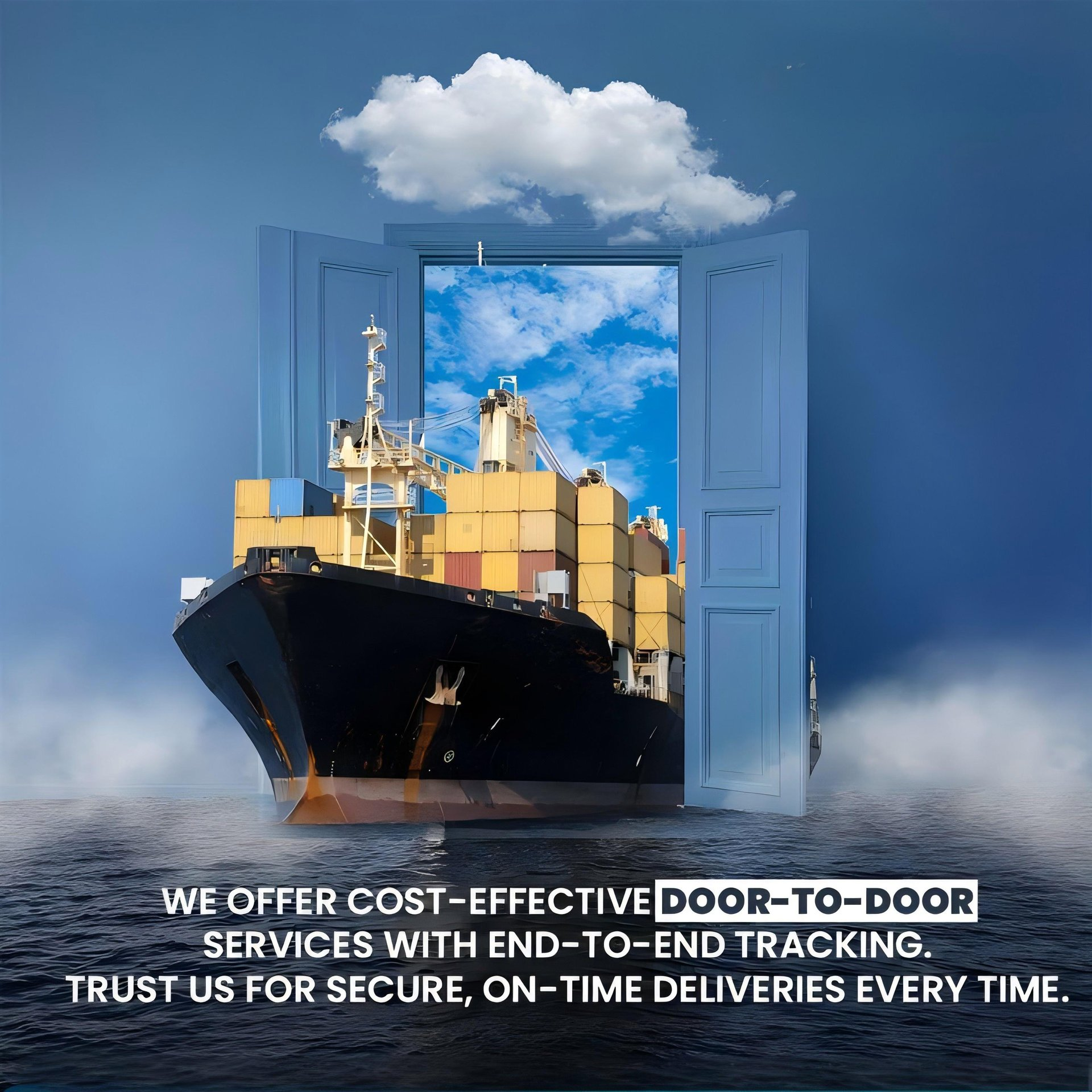
Managing multiple logistics providers can be overwhelming for business owners who prefer to focus on sales and marketing. By choosing door to door services, you delegate the entire chain of responsibility to a single freight forwarder. This approach streamlines communication and reduces the risk of cargo being stranded at intermediate transit points.
Inland transportation within Canada is a significant factor that many importers overlook during the initial planning phase. Whether your cargo arrives in Vancouver or Prince Rupert, it often needs to travel thousands of kilometers by rail or truck to reach Toronto or Montreal. Nevertheless, a comprehensive door-to-door solution includes this final mile delivery, ensuring a seamless transition from the port to your warehouse.
Transparency in pricing is another major benefit of this all-inclusive service model. Instead of receiving separate bills for ocean freight, terminal handling, and local trucking, you receive a single quote covering the entire journey. For instance, this predictability is vital for maintaining accurate landed cost calculations for your retail products.
Can You Use Amazon FBA for Commercial Cargo to Canada?
E-commerce sellers frequently utilize the Fulfillment by Amazon (FBA) network to reach the Canadian market efficiently. Specialized Amazon FBA logistics services handle the strict labeling and palletization requirements mandated by Amazon warehouses. Moreover, these services often include customs clearance, making the process virtually hands-off for the seller.
Shipping directly from China to an FBA center in Canada requires precise timing to avoid excessive storage fees. During the 2026 peak seasons, Amazon often implements inventory limits, making it crucial to coordinate your shipments with a knowledgeable freight forwarder. Consequently, many sellers choose to store overflow stock in third-party warehouses near the border to maintain a steady supply.
Efficiency is the primary driver for using FBA for commercial cargo. By leveraging Amazon’s vast distribution network, you can offer prime shipping to customers across all Canadian provinces. Indeed, this integration has become a standard strategy for international brands looking to scale their presence in North America quickly.
Case Studies: Real-World Scenarios for 2026
Analyzing actual shipments provides valuable insights into the costs and timelines associated with import shipping from China to Canada commercial cargo. These examples reflect the current market conditions and logistical challenges faced by importers today. Please note that rates are subject to change based on fuel costs and carrier capacity.
Case Study 1: Electronics from Shenzhen to Vancouver. This shipment involved high-value consumer goods requiring careful handling and rapid transit. By utilizing a direct sea route, the importer balanced cost and speed effectively. The total landed cost was kept within budget despite the 2026 environmental surcharges.
Case Study 2: Urgent Fashion Apparel from Shanghai to Toronto. Due to a sudden shift in market trends, this retailer required immediate stock replenishment. Air freight was chosen to ensure the products hit the shelves within a week. Although the cost was higher, the avoided lost sales more than justified the investment.
Case Study 1: Sea Freight Electronics
Route: Shenzhen, China to Vancouver, Canada. Cargo: Consumer Electronics, 28 CBM, 12,000 kg. Container: 40GP. Shipping Details: Carrier: Major carrier, Port of Loading: Shenzhen, Port of Discharge: Vancouver, Route Type: Direct. Cost Breakdown: Ocean Freight: $2,400, Origin Charges: $450, Destination Charges: $600, Customs and Duties: $1,200, Total Landed Cost: $4,650. Timeline: Booking to Loading: 5 days, Sea Transit: 16 days, Customs Clearance: 2 days, Total Door-to-Door: 25 days. Key Insight: Direct routes to the West Coast significantly reduce transit times compared to East Coast ports.
Case Study 2: Air Freight Fashion
Route: Shanghai, China to Toronto, Canada. Cargo: Apparel, 5 CBM, 800 kg. Shipping Method: Air Freight. Shipping Details: Port of Loading: Shanghai Pudong (PVG), Port of Discharge: Toronto Pearson (YYZ), Service: Standard Air. Cost Breakdown: Air Freight: $4,200, Origin Charges: $200, Destination Charges: $350, Customs and Duties: $900, Total Landed Cost: $5,650. Timeline: Booking to Loading: 2 days, Air Transit: 3 days, Customs Clearance: 1 day, Total Door-to-Door: 7 days. Key Insight: High-margin goods benefit from the speed of air freight during peak demand periods.
Which Option Should You Choose for Your Business?
Selecting the optimal shipping strategy requires a deep understanding of your business priorities and product characteristics. If your primary goal is to minimize expenses and you have long lead times, sea freight is the clear winner. However, if you are dealing with fragile, high-value, or time-sensitive items, the security and speed of air freight are worth the premium.
Hybrid solutions are gaining popularity in 2026 as a middle-ground alternative. For example, sea-air services involve shipping by sea to a hub like Dubai or Singapore and then flying the cargo to Canada. This method can save up to 40% in costs compared to pure air freight while being twice as fast as traditional ocean transport. Therefore, exploring these creative logistics strategies can provide a significant advantage.
Volume thresholds often dictate when it is time to switch from LCL to FCL. Once your cargo exceeds 15-18 CBM, the cost of a full 20-foot container is often lower than paying for individual cubic meters in a shared container. Additionally, FCL reduces the risk of damage since the container is loaded and sealed at the origin and only opened at the final destination.
What are the Best Cost-Saving Strategies for 2026?
Consolidating shipments is one of the most effective ways to reduce your overall logistics spend. Instead of sending multiple small orders, wait to combine them into a single larger shipment to take advantage of better freight rates. Furthermore, optimizing your packaging to reduce unused space within boxes can lower your chargeable weight for both air and sea transport.
Negotiating long-term contracts with freight forwarders can provide stability in a fluctuating market. While spot rates might occasionally be lower, a fixed contract protects your business from sudden price spikes during peak seasons. Meanwhile, always request a detailed breakdown of all charges to identify and eliminate any unnecessary middleman fees.
Utilizing a customs broker early in the process can save thousands of dollars in potential fines and delays. By ensuring your goods are correctly classified under the lowest legal duty rate, you directly improve your bottom line. Indeed, proactive compliance is far cheaper than reactive troubleshooting at the Canadian border.
Final Thoughts on Canadian Commercial Imports
Successfully managing import shipping from China to Canada commercial cargo involves a strategic blend of planning, mode selection, and regulatory compliance. By understanding the differences between sea and air freight, and leveraging professional customs services, you can ensure your goods arrive safely and on time. Remember that the logistics landscape is constantly evolving, and staying informed about 2026 trends is essential for long-term success.
Whether you are a small startup or a large corporation, the right freight partner makes all the difference in your international operations. Focus on building a resilient supply chain that can adapt to market changes while maintaining cost-efficiency. With the right approach, importing from China to Canada can be a seamless and highly profitable component of your commercial business.
Need a tailored shipping solution?
Optimizing your import shipping from China to Canada commercial cargo requires expertise and a dedicated support team. Contact Global China Freight today to receive a personalized quote and discover how our tailored logistics solutions can streamline your 2026 supply chain. Our team is ready to help you navigate customs and select the most efficient shipping routes for your business growth.