

Warehouse fulfillment china UK ecommerce: 2026 Strategy Guide
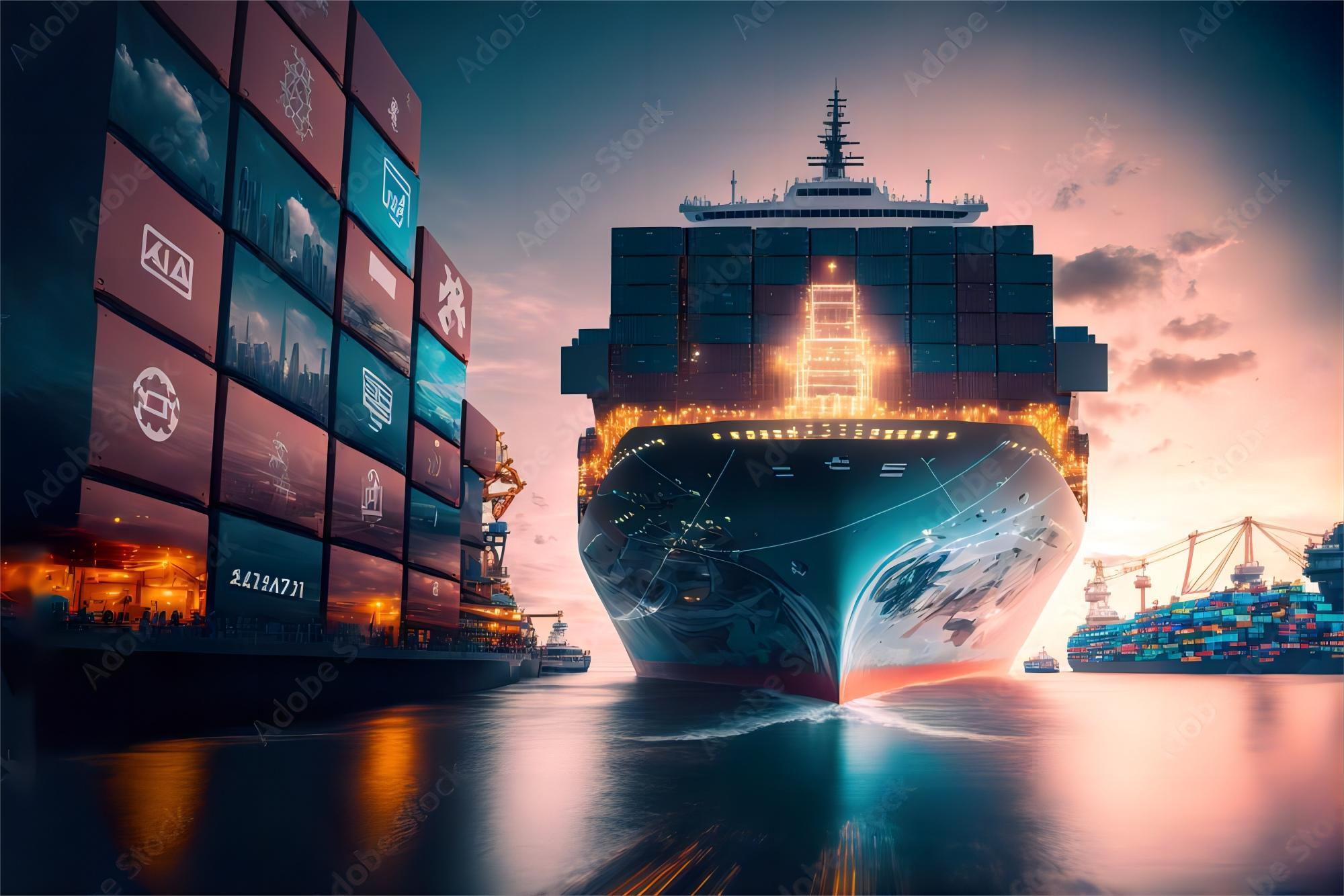
Warehouse fulfillment china UK ecommerce operations require a sophisticated logistics strategy to maintain competitive delivery schedules in the 2026 market. Managing cross-border inventory involves navigating complex shipping routes and fluctuating freight rates while ensuring rapid last-mile delivery. By partnering with Global China Freight, businesses can streamline their international operations and reduce overhead costs significantly. This comprehensive guide explores the essential components of a robust fulfillment network designed for the modern digital economy.
How Does Warehouse Fulfillment China UK Ecommerce Compare to Other Shipping Options?
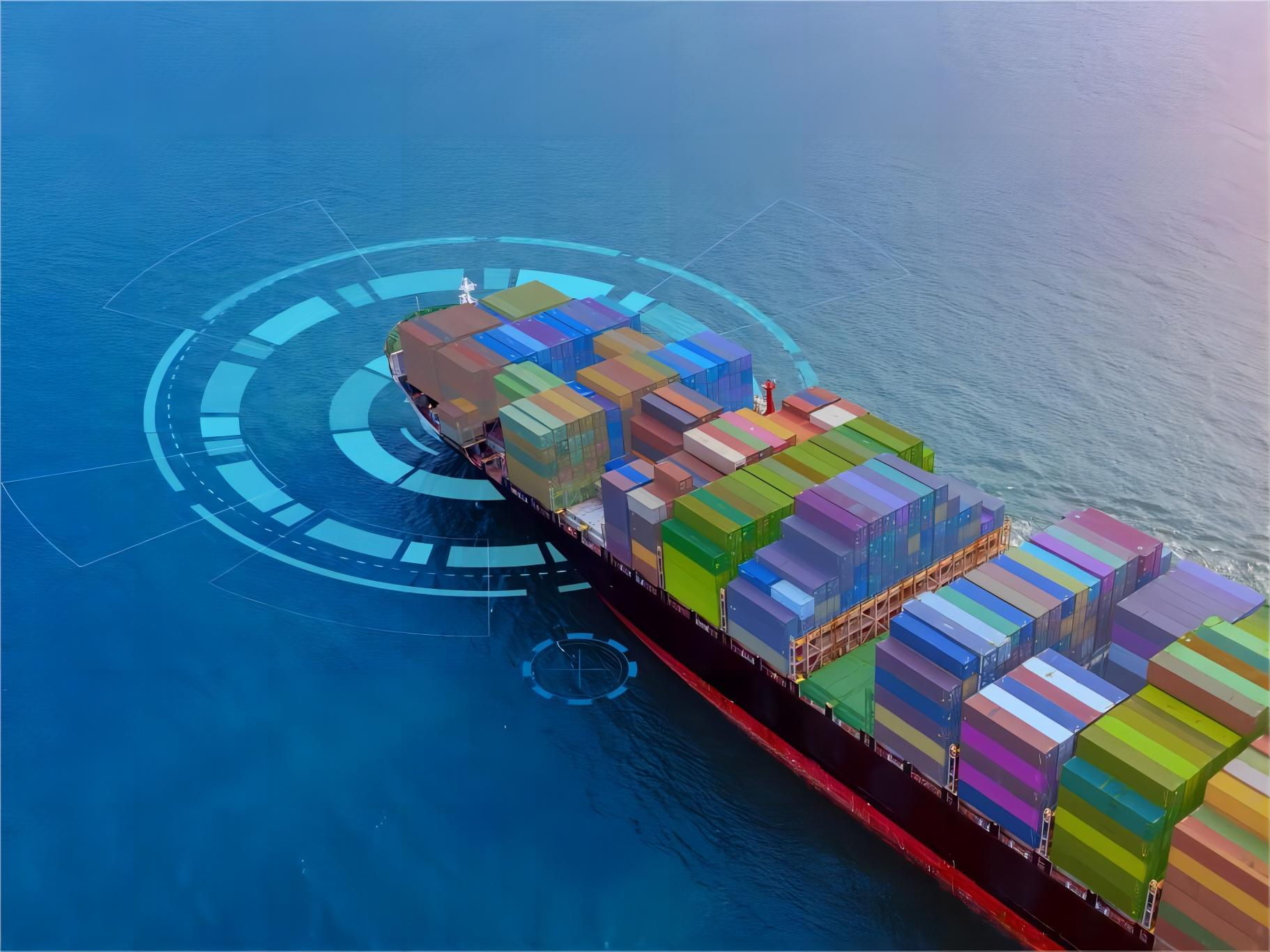
Choosing the right logistics model is critical for maintaining healthy profit margins in the UK market. However, many sellers struggle to balance the speed of air transport with the cost-effectiveness of maritime routes. Consequently, businesses often utilize a mix of services to handle seasonal demand spikes and standard inventory replenishment. Furthermore, the 2026 shipping landscape has seen a shift toward more sustainable rail options for mid-range budget requirements.

Moreover, comparing different shipping methods reveals significant variances in landed costs and inventory turnover rates. For instance, while express services offer the fastest turnaround, they can erode margins on low-value items. Therefore, a strategic analysis of volume and weight is necessary before selecting a primary transit mode. Additionally, market data from early 2026 suggests that sea freight remains the dominant choice for high-volume retailers despite longer transit times.
In contrast, small-scale sellers might find that consolidated shipments provide a better balance of risk and reward. Indeed, utilizing Less than Container Load (LCL) options allows for more frequent restocks without the high capital commitment of full containers. Meanwhile, the emergence of hybrid sea-air solutions has provided a middle ground for urgent inventory needs during peak seasons.
| Shipping Method | Cost Range | Transit Time | Best For |
|---|---|---|---|
| Sea Freight | $2,200 – $4,500 | 30 – 38 Days | Bulk Inventory |
| Air Freight | $5.50 – $9.00/kg | 5 – 8 Days | High-Value Goods |
| Rail Freight | $1.20 – $2.50/kg | 18 – 24 Days | Mid-Weight Cargo |
| Express Service | $9.00 – $15.00/kg | 3 – 5 Days | Urgent Samples |
Which Shipping Option Should You Choose for UK Fulfillment?
Determining the most suitable method depends heavily on your specific business goals and budget constraints. If your priority is minimizing shipping costs for large stock volumes, sea freight is undoubtedly the most economical choice. Conversely, businesses focusing on rapid product launches often prefer the speed of aviation. Accordingly, we recommend a tiered approach where core stock moves by sea while top-selling items utilize faster channels.
Cargo type also plays a pivotal role in the decision-making process for UK ecommerce. For example, electronics and high-fashion items often justify the higher expense of air freight due to their high value-to-weight ratio. On the other hand, heavy home goods or furniture are almost exclusively shipped via ocean carriers. Furthermore, volume thresholds often dictate when it becomes more efficient to switch from LCL to Full Container Load (FCL) shipments.
Market intelligence for 2026 indicates that rail freight has become a highly viable alternative for North China origins. Specifically, shipments from Xi’an or Zhengzhou can reach European hubs faster than sea routes while remaining cheaper than air. Therefore, sellers should evaluate their proximity to these rail hubs to potentially save on domestic transit costs within China.
The Critical Role of Customs Brokerage in Warehouse Fulfillment China UK Ecommerce
Navigating the complexities of UK import regulations is essential to avoid costly delays at the border. Indeed, improper documentation can lead to port storage fees that quickly negate any shipping savings. Consequently, professional customs brokerage services are vital for ensuring compliance with HMRC standards. Moreover, the post-Brexit regulatory environment requires precise VAT and duty calculations for every ecommerce consignment.
Additionally, sellers must ensure they have a valid EORI number and accurate commodity codes for all products. For instance, misclassifying goods can result in significant fines or even seizure of inventory by customs officials. Meanwhile, many successful UK brands utilize bonded warehouses to defer duty payments until the goods are actually sold. Therefore, integrating customs expertise into your supply chain is a strategic necessity rather than an optional service.
| Document Name | Purpose | Issuer | Requirement |
|---|---|---|---|
| Commercial Invoice | Value Declaration | Supplier | Mandatory |
| Packing List | Cargo Detail | Supplier | Mandatory |
| Bill of Lading | Title of Goods | Carrier | Mandatory |
| Certificate of Origin | Tariff Rate | Chamber of Commerce | Optional/Specific |
Optimizing Amazon FBA Fulfillment from China to the UK
Scaling an Amazon business requires a seamless transition from manufacturing hubs to UK distribution centers. Because Amazon has strict requirements for palletization and labeling, many sellers choose specialized Amazon FBA logistics providers. Furthermore, these providers can handle the necessary prep work in China to ensure goods are ready for immediate check-in upon arrival. Consequently, this reduces the risk of inventory being rejected at the FBA warehouse.
Moreover, inventory management becomes much easier when using a consolidated shipping approach for multiple FBA locations. For example, a single container can be deconsolidated at a UK port and then distributed to various regional centers. Additionally, monitoring transit times is crucial for maintaining the ‘In-Stock’ status that drives Amazon search rankings. Therefore, many high-volume sellers utilize a buffer stock strategy in local UK warehouses to mitigate shipping delays.
Benefits of Implementing a Door to Door Service for UK Ecommerce
Simplifying the logistics chain through a door to door service eliminates the need for multiple intermediaries. Indeed, this end-to-end solution covers everything from factory pickup in Shenzhen to final delivery in London or Manchester. As a result, business owners can focus on marketing and sales rather than managing freight forwarders and local hauliers. Furthermore, a single point of contact provides better visibility and tracking throughout the entire journey.
Consequently, the transparency offered by integrated services helps in more accurate financial forecasting for ecommerce brands. For instance, knowing the total landed cost upfront prevents unexpected expenses from surfacing during the final delivery phase. Additionally, consolidated invoicing simplifies accounting processes for small to medium-sized enterprises. Meanwhile, the streamlined communication reduces the likelihood of errors during transshipment or local delivery coordination.

Case Studies: Successful Warehouse Fulfillment China UK Ecommerce Shipments
Analyzing real-world examples provides valuable insights into the practicalities of international shipping in 2026. These cases reflect typical scenarios encountered by ecommerce businesses importing from major Chinese manufacturing hubs. Please note that freight rates are subject to change based on fuel costs, carrier capacity, and seasonal demand. Contact us for a current quote tailored to your specific shipment.
Box Case Study 1: Electronics Shipment to London. Route: Shenzhen, China to Felixstowe, UK. Cargo: Consumer electronics, 15 CBM, 3,200 kg. Container: LCL. Shipping Details: Major carrier, direct route. Cost Breakdown: Ocean Freight: $1,450; Origin Charges: $320; Destination Charges: $450; Customs and Duties: $1,200; Total Landed Cost: $3,420. Timeline: Booking to Loading: 4 days; Sea Transit: 34 days; Customs Clearance: 2 days; Total Door-to-Door: 45 days. Key Insight: Early booking during the Q3 peak season saved approximately 15 percent on freight costs.
Box Case Study 2: Apparel Restock to Manchester. Route: Shanghai, China to Southampton, UK. Cargo: Summer clothing, 68 CBM, 12,000 kg. Container: 40HQ. Shipping Details: COSCO, transshipment via Singapore. Cost Breakdown: Ocean Freight: $3,850; Origin Charges: $550; Destination Charges: $680; Customs and Duties: $2,400; Total Landed Cost: $7,480. Timeline: Booking to Loading: 6 days; Sea Transit: 38 days; Customs Clearance: 3 days; Total Door-to-Door: 52 days. Key Insight: Utilizing a 40HQ container provided the best volumetric efficiency for lightweight textile goods.
Strategic Cost-Saving Measures for 2026 Logistics
Reducing logistics expenses requires a proactive approach to supply chain optimization and carrier negotiation. For example, consolidating multiple small orders into a single large shipment can significantly lower the per-unit shipping cost. Moreover, optimizing product packaging to reduce dead space within containers is a highly effective way to maximize shipping efficiency. Additionally, staying informed about global logistics trends allows businesses to pivot between shipping methods as market conditions change.
Furthermore, establishing long-term relationships with reliable freight forwarders can lead to more favorable credit terms and priority space allocations. Consequently, sellers who plan their inventory cycles 3-4 months in advance are better positioned to avoid expensive last-minute air freight. Indeed, the most successful UK ecommerce brands view logistics as a core strategic pillar rather than just a business expense. Therefore, investing in high-quality fulfillment services pays dividends in customer satisfaction and long-term brand loyalty.
Final Thoughts on UK Ecommerce Fulfillment
Mastering warehouse fulfillment china UK ecommerce is a continuous process of optimization and adaptation to market shifts. By understanding the trade-offs between different shipping methods and leveraging professional customs brokerage, businesses can build a resilient supply chain. Whether you are a small startup or a large-scale retailer, the principles of efficiency and compliance remain the foundation of success.
In conclusion, the 2026 logistics landscape offers more options than ever for connecting Chinese manufacturing with UK consumers. Prioritizing data-driven decisions and reliable partnerships will ensure your ecommerce business remains competitive in an increasingly globalized market. Focus on long-term growth by implementing the strategic insights shared in this guide.

Need a tailored shipping solution?
Streamline your warehouse fulfillment china UK ecommerce operations today by partnering with industry experts. Our team provides tailored logistics solutions that ensure your goods arrive safely and on schedule. Visit our website to request a personalized quote and optimize your 2026 supply chain. Send Inquiry: https://globalchinafreight.com/