


Shipping Quote China to UK Logistics Company: 2026 Rates and Guide
Securing an accurate shipping quote China to UK logistics company is the first step toward building a resilient supply chain in 2026. Navigating the complexities of international trade requires more than just a price list; it demands a partnership with experts who understand the evolving maritime and aerial corridors between Asia and Europe. Whether you are a small business owner or a procurement manager for a large enterprise, Global China Freight provides the transparency and reliability needed to manage your imports effectively. In this guide, we will break down the current market rates, explore various transit methods, and help you determine the most cost-effective strategy for your cargo.

What Factors Influence Your Shipping Quote China to UK Logistics Company?
Determining the final cost of your shipment involves several variables that fluctuate based on global economic conditions. Fuel surcharges, also known as Bunker Adjustment Factors, remain a primary driver of price volatility in early 2026. Furthermore, the weight and volume of your goods dictate whether you should opt for Full Container Load or Less than Container Load services.
Seasonal demand significantly impacts pricing during peak periods like the pre-Chinese New Year rush or the late summer inventory build-up for the holidays. Consequently, booking your shipments at least three to four weeks in advance can often lead to more favorable rates. Logistics providers also consider the specific nature of your cargo, such as hazardous materials or oversized items, which require specialized handling and insurance.
Port congestion and labor availability in major UK hubs like Felixstowe or Southampton can introduce unexpected surcharges. Therefore, it is essential to request a comprehensive quote that includes all potential line items, from terminal handling charges to documentation fees. Understanding these components ensures that your landed cost calculations remain accurate and predictable.
How Does Sea Freight Compare to Other Shipping Options?
While air freight offers speed, sea freight remains the backbone of global trade due to its unmatched cost-efficiency for large volumes. For shipments exceeding 15 cubic meters, utilizing a full container is almost always the most economical choice. In contrast, smaller shipments can benefit from consolidated LCL services, though these may involve slightly longer transit times due to the sorting process.
The maritime route from China to the UK typically involves transit through the Suez Canal, although alternative routes around the Cape of Good Hope are still utilized during periods of regional instability. As of Q1 2026, freight rates have stabilized following the disruptions of previous years, making ocean transport a reliable option for non-urgent inventory. Below is a comparison of the primary shipping methods available for this route.
Note: Freight rates are subject to change based on fuel costs, carrier capacity, and seasonal demand. Contact us for a current quote tailored to your specific shipment.
| Shipping Method | Cost Range | Transit Time | Best For |
|---|---|---|---|
| Sea Freight (FCL) | $3,200 – $4,500 | 30 – 38 Days | Large bulk orders |
| Air Freight | $5.50 – $9.00/kg | 5 – 8 Days | High-value goods |
| Rail Freight | $2,100 – $2,900 | 18 – 24 Days | Medium-sized cargo |
| Express Service | $9.00 – $14.00/kg | 3 – 5 Days | Samples and documents |

Why Air Freight is the Best Choice for Urgent Shipments
When time is the most critical factor in your supply chain, air freight provides the rapid turnaround necessary to meet tight deadlines. This method is particularly popular for electronics, fashion items, and perishable goods that cannot withstand a month at sea. Moreover, the increased security and reduced handling associated with air transport minimize the risk of damage or theft.
Current market data suggests that air cargo capacity has expanded in 2026 as more passenger flights have resumed full schedules between major Chinese hubs and London Heathrow. Consequently, rates have become more competitive, though they remain significantly higher than sea or rail options. For shipments under 300 kilograms, air freight often provides a better balance of speed and cost than ocean LCL when factoring in destination port fees.
Choosing a logistics partner with strong carrier relationships ensures that your cargo receives priority space even during peak seasons. Additionally, air freight allows for more frequent inventory replenishment, which can reduce the capital tied up in large warehouse stocks. This just-in-time approach is a key strategy for businesses looking to optimize their cash flow in a high-interest environment.
Rail Freight: The Middle Ground for China-UK Trade
For businesses seeking a balance between the speed of air and the cost of sea, rail freight offers a compelling alternative. The Iron Silk Road connects major Chinese manufacturing hubs like Chengdu and Xi’an to European rail terminals, with final delivery to the UK via truck or short-sea ferry. This method typically cuts transit time by half compared to ocean freight while costing significantly less than air transport.
Environmental considerations are also driving the popularity of rail freight in 2026, as it boasts a lower carbon footprint than air or sea transport per ton-kilometer. Meanwhile, the reliability of rail schedules has improved, with fewer delays reported at border crossings in Central Asia. However, it is important to note that rail freight is best suited for palletized goods and is not available for certain restricted items.
As a result, many importers are adopting a hybrid strategy, using rail for their baseline inventory and air for urgent top-ups. This diversified approach mitigates the risk of total supply chain failure if one mode of transport faces disruption. Indeed, the flexibility of rail freight makes it an essential component of a modern logistics strategy.
Understanding Door to Door Services and Customs
Navigating the administrative requirements of international shipping can be daunting without professional assistance. Implementing a door to door solution simplifies the process by handling every stage of the journey, from the factory floor in China to your warehouse in the UK. This comprehensive service includes local pickup, international transit, and final mile delivery, providing you with a single point of contact.
A critical component of this process is customs brokerage, which ensures that all documentation complies with UK Global Tariff regulations. Failure to accurately declare goods or provide the correct HS codes can lead to significant delays and financial penalties. Therefore, working with an experienced broker is vital for maintaining a smooth flow of goods through the border.
In 2026, the UK’s customs systems have become increasingly digitized, requiring precise electronic data submissions. Our team stays updated on the latest regulatory changes, including VAT requirements and environmental levies. By outsourcing these complexities, you can focus on your core business activities while we manage the intricacies of international compliance.
Realistic Case Studies: China to UK Shipments
To provide a clearer picture of the current logistics landscape, we have compiled real-world examples of shipments handled in early 2026. These cases illustrate the costs and timelines associated with different cargo types and shipping methods.
Case Study 1: High-End Electronics. Route: Shenzhen to London Heathrow. Cargo: 120 cartons of consumer electronics, 4.2 CBM, 850 kg. Method: Air Freight. Ocean Freight: N/A. Origin Charges: $250. Destination Charges: $320. Customs and Duties: $1,450. Total Landed Cost: $8,420. Timeline: 7 days door-to-door. Key Insight: Speed was prioritized to meet a product launch date, justifying the higher air freight cost.
Case Study 2: Home Furniture. Route: Ningbo to Felixstowe. Cargo: Living room sets, 40HQ Container. Method: Sea Freight (FCL). Ocean Freight: $4,100. Origin Charges: $450. Destination Charges: $680. Customs and Duties: $2,100. Total Landed Cost: $7,330. Timeline: 36 days. Key Insight: Using a 40HQ container maximized volume efficiency, resulting in a low per-unit shipping cost.
Case Study 3: Industrial Parts. Route: Xi’an to Birmingham. Cargo: 6 Pallets of machinery components, 8 CBM, 2,200 kg. Method: Rail Freight. Ocean Freight: $2,450. Origin Charges: $300. Destination Charges: $450. Customs and Duties: $950. Total Landed Cost: $4,150. Timeline: 22 days. Key Insight: Rail provided a faster alternative to sea without the extreme expense of air freight.
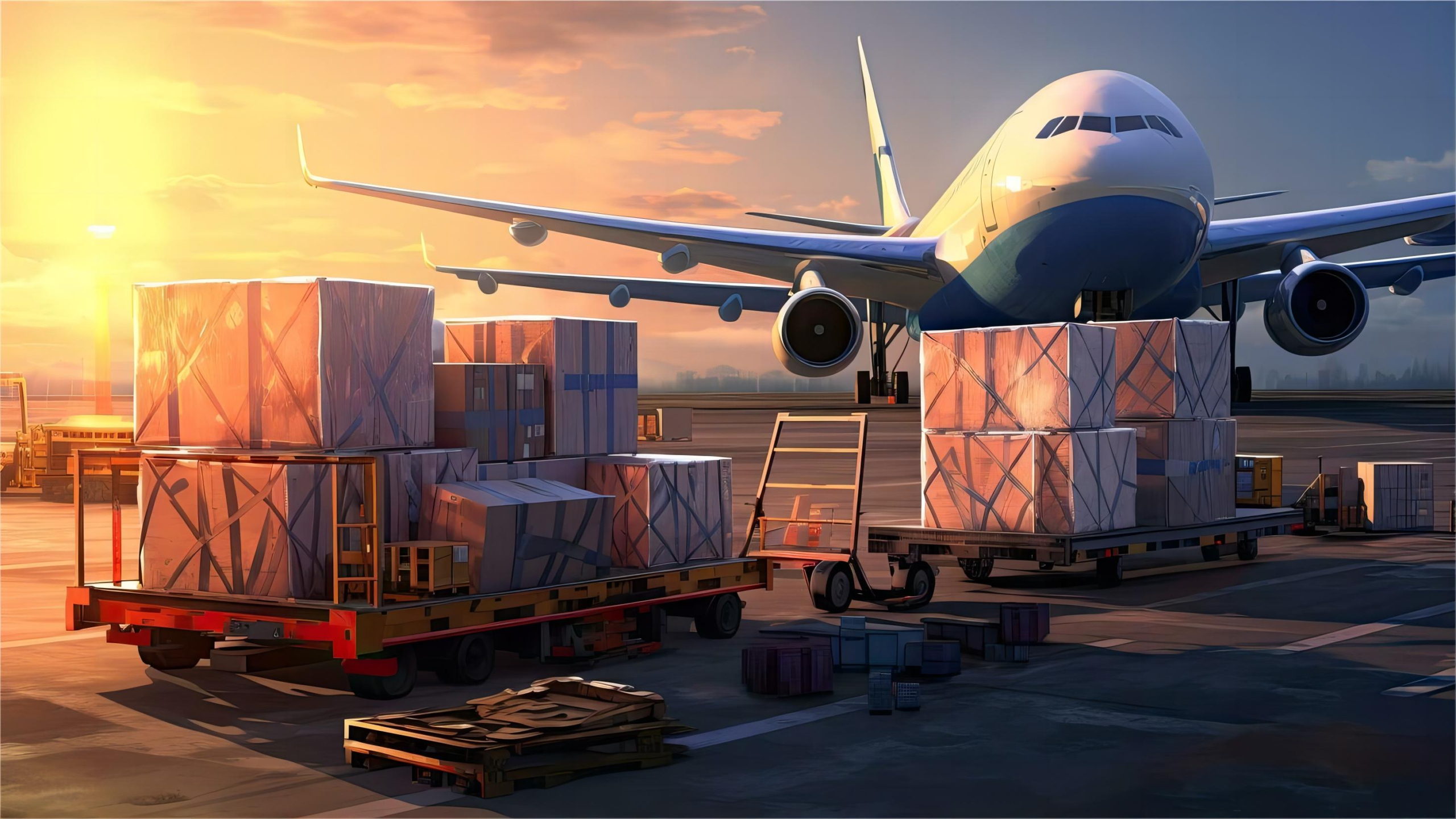
Decision Framework: Which Option Should You Choose?
Selecting the right shipping method depends on your specific priorities regarding budget, speed, and cargo volume. If your primary goal is cost reduction and your lead times allow for it, sea freight is the logical choice. However, if you are shipping high-value items or need to replenish stock quickly, air freight or express services are more appropriate.
Volume thresholds often dictate the switch between LCL and FCL. Generally, if your shipment exceeds 15 cubic meters, booking a 20GP container is more economical than paying for LCL space. For shipments between 1 and 10 cubic meters, rail freight LCL offers a middle-ground solution that satisfies both speed and budget constraints.
Consider the following criteria when making your decision: Budget priority points to sea freight. Speed priority points to air freight. Environmental priority points to rail freight. For a tailored recommendation, it is always best to consult with a logistics expert who can analyze your specific supply chain requirements.
Cost-Saving Strategies for 2026 Logistics
Reducing your international shipping expenses requires a proactive approach to planning and negotiation. One effective strategy is to consolidate shipments from multiple suppliers into a single container, which minimizes terminal handling fees and documentation costs. Additionally, optimizing your packaging to reduce wasted space can lead to significant savings, especially in air and LCL sea freight.
Furthermore, choosing the right Incoterms is crucial for controlling costs. While CIF (Cost, Insurance, and Freight) may seem convenient, FOB (Free on Board) often gives the buyer more control over the shipping rates and service levels. By managing the freight yourself through a trusted logistics partner, you can avoid the hidden markups often applied by suppliers.
Finally, staying informed about market trends allows you to time your shipments more effectively. Rates typically increase by 15-25% during the August-October peak season. By shifting your shipping schedule to off-peak months, you can take advantage of lower demand and more competitive pricing from carriers.
Final Thoughts on Choosing a Logistics Partner
In conclusion, finding the right shipping quote China to UK logistics company involves more than just looking for the lowest price. It requires a comprehensive understanding of transit modes, customs regulations, and market trends to ensure your goods arrive safely and on time. By considering sea, air, and rail alternatives, you can build a flexible logistics strategy that adapts to any challenge.
As we move through 2026, the importance of transparency and communication in the supply chain cannot be overstated. Partnering with a professional firm like Global China Freight ensures that you have the expertise and support needed to navigate the complexities of international trade. Start your journey today by requesting a detailed quote and taking control of your import operations.

Need a tailored shipping solution?
Ready to optimize your supply chain with a competitive shipping quote China to UK logistics company? Contact Global China Freight today to receive a personalized consultation and a detailed breakdown of the best shipping options for your business. Visit our website to request your quote and experience seamless international logistics tailored to the 2026 market.