

FCL Shipping China to UK 20GP Price: 2026 Cost Guide
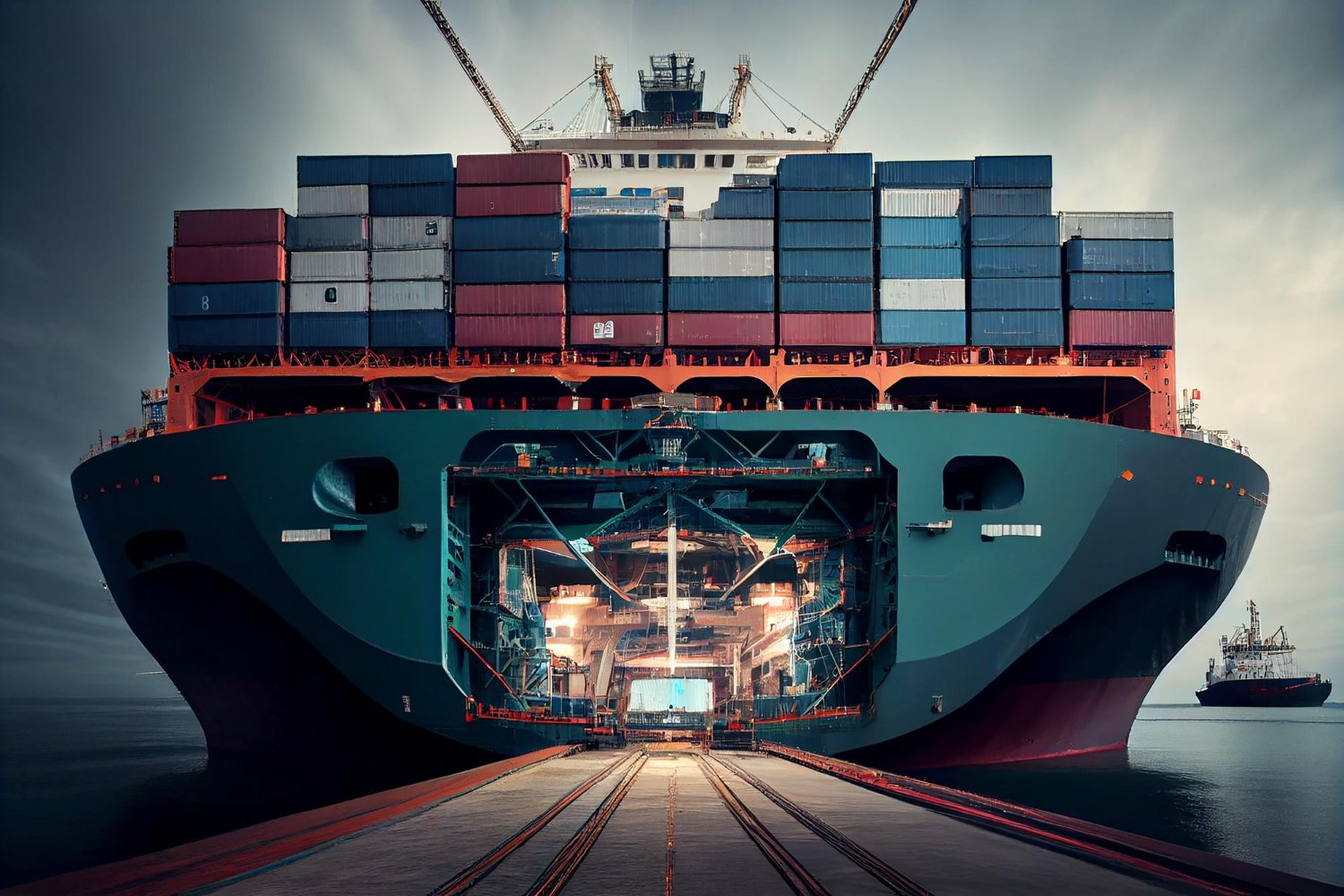
Navigating the complex logistics landscape requires a clear understanding of the FCL shipping China to UK 20GP price to maintain healthy profit margins. As global trade dynamics evolve in 2026, businesses must stay informed about container rates and transit efficiency to remain competitive. This comprehensive guide provides a detailed breakdown of current costs, strategic advice for UK importers, and market intelligence to help you optimize your supply chain. Whether you are a small business owner or a logistics manager for a large corporation, understanding these price points is essential for effective budgeting. We will explore the various factors that influence freight costs and provide actionable insights into managing your international shipments from major Chinese ports to the United Kingdom.

Current Market Overview of FCL Shipping China to UK 20GP Price
According to industry benchmarks, the early 2026 market shows a stabilization of rates following the disruptions seen in previous years. Importers should expect the FCL shipping China to UK 20GP price to hover between 2,100 USD and 2,900 USD depending on the specific port of origin and carrier selection. Meanwhile, seasonal surges during the late summer months often push these figures higher as demand for holiday inventory peaks across the British retail sector.
Furthermore, global carrier alliances such as the Ocean Alliance and the Gemini Cooperation continue to influence capacity on the Asia-Europe trade lane. Consequently, these alliances manage vessel deployments which directly impacts the weekly availability of 20GP containers. Shippers who plan their bookings at least three to four weeks in advance typically secure more favorable rates compared to last-minute spot market buyers.
Market data suggests that fuel prices remain a volatile component of the total landed cost. Specifically, the Bunker Adjustment Factor is adjusted monthly by most major lines to reflect the current price of low-sulfur fuel oil. Additionally, environmental regulations in 2026 have introduced new carbon surcharges that importers must account for when calculating their total logistics spend.
Key Factors Influencing the FCL Shipping China to UK 20GP Price
Several variables determine the final invoice you receive from your freight forwarder. Firstly, the choice of departure port in China plays a significant role in the base rate. For example, shipping from northern ports like Tianjin may carry a different price tag than shipping from southern hubs like Shenzhen due to feeder vessel requirements and local port authority fees.
Moreover, the time of year is a critical factor that every importer must monitor. During the peak season, which usually runs from August through October, carriers often implement a Peak Season Surcharge to manage the high volume of cargo heading to Europe. Indeed, failing to account for these seasonal adjustments can lead to significant budget overruns for unsuspecting businesses.
Local trucking and drayage costs at both the origin and destination also contribute to the overall sea freight expenditure. In the UK, the distance from the port of discharge to your final warehouse location will dictate the inland haulage fee. Therefore, selecting the port closest to your distribution center is a strategic move to minimize domestic transport costs.
Surcharges and Hidden Fees
Understanding the breakdown of surcharges is vital for accurate cost projection. Common fees include the Terminal Handling Charge at both ends, documentation fees, and the Low Sulfur Surcharge. Additionally, you should be aware of potential demurrage and detention charges if your cargo remains at the port longer than the allotted free time.
Professional logistics providers will typically include these in their initial quote. However, it is always wise to request a fully itemized breakdown to ensure no unexpected costs arise during transit. By doing so, you can compare different quotes on an apples-to-apples basis.
How Does FCL Shipping Compare to Other Shipping Options?
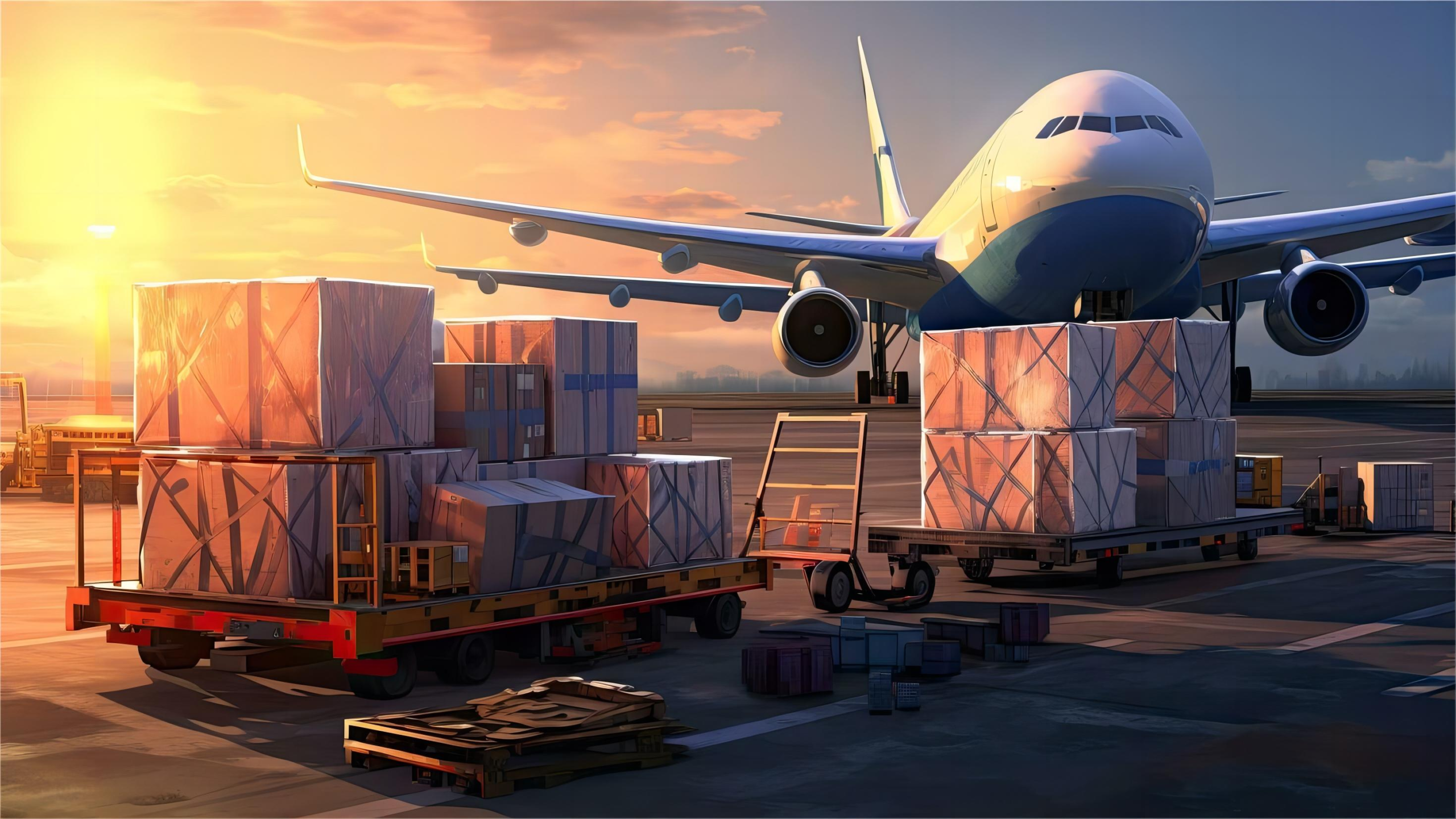
Choosing the right shipping method depends on your specific cargo volume, budget, and urgency. While FCL is the gold standard for large shipments, other alternatives might serve your needs better in certain scenarios. For instance, if you are shipping smaller quantities that do not fill a 20GP container, Less than Container Load might be more economical despite the higher cost per cubic meter.
On the other hand, rail freight has emerged as a viable middle ground for those importing to the UK. It offers faster transit times than sea freight while remaining significantly cheaper than air transport. Nevertheless, the capacity for rail is more limited and subject to geopolitical stability along the trans-continental routes.
| Shipping Method | Cost Range (20GP Equiv) | Transit Time | Best For |
|---|---|---|---|
| Sea FCL | 2,100 – 2,900 USD | 32 – 40 Days | Bulk goods and cost savings |
| Sea LCL | 60 – 120 USD / CBM | 35 – 45 Days | Shipments under 15 CBM |
| Rail Freight | 4,500 – 6,000 USD | 18 – 24 Days | Urgent bulk inventory |
| Air Freight | 5 – 9 USD / kg | 5 – 8 Days | High-value or perishable items |
Top Ports for FCL Shipping from China to the UK
China boasts some of the most efficient ports in the world, each serving different industrial regions. Shanghai and Ningbo-Zhoushan are the primary hubs for goods manufactured in eastern China, offering the highest frequency of sailings to the UK. Consequently, the competition among carriers at these ports often leads to more aggressive FCL shipping China to UK 20GP price options.
In the south, the Port of Shenzhen serves the massive Pearl River Delta manufacturing zone. This port is particularly popular for electronics and consumer goods destined for Amazon FBA warehouses in the UK. Meanwhile, Qingdao in the north is a major gateway for heavy machinery and industrial components.
Upon arrival in the UK, most FCL containers are discharged at Felixstowe, Southampton, or London Gateway. Felixstowe handles the largest volume of container traffic, providing excellent rail links to the Midlands and the North. However, Southampton is often preferred for shipments heading to the southern regions of England due to its strategic location.
Which Option Should You Choose? Decision Framework
Deciding between FCL and other methods requires a clear framework based on your business priorities. If your primary goal is cost minimization and your lead times allow for a 40-day window, sea FCL is undoubtedly the best choice. This method provides the lowest cost per unit for high-volume orders.
If you are dealing with high-value electronics or fashion items that need to hit the market quickly, air freight might justify its high cost. Furthermore, businesses experiencing sudden stockouts often use a hybrid approach, shipping a small portion via air and the remainder via sea to balance speed and expense.
Consider the following criteria when making your choice: Budget priority suggests sea freight; speed priority suggests air or rail; and cargo volume thresholds usually dictate the switch from LCL to FCL at around 15 cubic meters. By analyzing these factors, you can make an informed decision that supports your bottom line.
The Role of Customs and Documentation in UK Imports
Navigating UK customs is a critical step that can affect your total landed cost and delivery schedule. Every importer must have an Economic Operator Registration and Identification number to clear goods through UK customs. Additionally, accurate HS code classification is essential to determine the correct rate of import duty and VAT.
Engaging a professional customs brokerage service can prevent costly delays and penalties. They ensure that all documentation, including the Bill of Lading, Commercial Invoice, and Packing List, is submitted correctly to HM Revenue and Customs. Consequently, this streamlined process allows your 20GP container to move quickly from the quay to your warehouse.
Documentation errors are one of the most common causes of port congestion and extra storage fees. Therefore, double-checking every detail before the vessel departs China is a best practice that saves time and money. Professional forwarders will often provide a checklist to help you stay organized during the documentation phase.
Cost-Saving Strategies for UK Container Shipping
Reducing your FCL shipping China to UK 20GP price is possible through strategic planning and negotiation. One effective method is to consolidate shipments from multiple suppliers into a single 20GP container at a warehouse in China. This approach, known as buyer’s consolidation, allows you to benefit from FCL rates even if individual orders are small.
Another strategy involves optimizing your packaging to maximize the use of space within the 20ft container. Since you pay for the entire container regardless of how full it is, ensuring every cubic inch is utilized effectively lowers your per-unit shipping cost. Additionally, consider using door to door services to simplify your logistics chain and potentially reduce aggregate fees.
Finally, staying flexible with your transit times can lead to significant savings. Some carriers offer slower services with transshipment at intermediate ports which are priced lower than direct, fast-transit routes. If your inventory planning can accommodate an extra week of sea time, these ‘slow steaming’ options are worth exploring with your freight partner.
Realistic Case Studies for UK Container Shipping
Case Study 1: Electronics from Shenzhen to Felixstowe. A UK-based retailer imported consumer electronics totaling 28 CBM in a 20GP container. Using a major carrier like COSCO, the ocean freight was 2,450 USD. Origin charges amounted to 350 USD, while destination charges in the UK were 450 USD. With customs clearance and local delivery, the total landed cost was approximately 4,450 USD, excluding duties. The total door-to-door timeline was 35 days, including a 30-day sea transit.
Case Study 2: Furniture from Ningbo to Southampton. An office supply company shipped 30 CBM of flat-pack furniture. They chose a direct service via Maersk to minimize handling. The ocean freight rate was 2,600 USD during a moderately busy period. Including all port fees and UK haulage, the final logistics invoice reached 3,850 USD. The shipment arrived at the Southampton port in 38 days, and customs clearance was completed within 48 hours of arrival.
Case Study 3: Industrial Parts from Shanghai to London Gateway. A manufacturing firm required heavy components for a project in Essex. Despite the weight, the volume fit perfectly in a 20GP. They secured a rate of 2,200 USD by booking during a slack period in early Q2 2026. By using London Gateway, they saved 150 USD on inland trucking compared to using Felixstowe. The total transit time from factory to site was 42 days.

Future Trends in Shipping from China to Europe
Looking ahead, the logistics corridor for Europe is expected to see increased digitalization. Blockchain technology and real-time tracking are becoming standard features, providing importers with better visibility into their container’s journey. Consequently, this reduces the uncertainty associated with long-distance ocean freight.
Sustainability will also play a larger role in pricing as carriers invest in LNG-powered vessels and green methanol fuels. While these technologies initially increase capital expenditure, they aim to reduce the environmental impact of global trade. Importers may see ‘green surcharges’ but will benefit from more resilient and compliant supply chains in the long run.
Note: Freight rates are subject to change based on fuel costs, carrier capacity, and seasonal demand. Contact us for a current quote tailored to your specific shipment.
Summary of FCL Shipping Strategies
Successfully managing the FCL shipping China to UK 20GP price involves more than just finding the lowest rate. It requires a holistic view of the supply chain, from port selection in China to efficient customs clearance in the UK. By understanding the market trends of 2026 and utilizing the strategic frameworks discussed, you can ensure your goods arrive on time and within budget.
Ultimately, the key to success lies in planning, flexibility, and partnering with experienced logistics professionals. As the global trade environment continues to shift, staying informed about container costs and transit options will remain your greatest advantage in the competitive UK market.

Start Your Shipment
Optimizing your FCL shipping China to UK 20GP price is essential for maintaining a healthy bottom line in 2026. Our team of experts is ready to provide you with a personalized quote and a logistics strategy that fits your unique business needs. Visit our website to learn more about our comprehensive ocean freight solutions and start saving on your next shipment today. Send Inquiry
Request Quote