


Best Freight Forwarder China to USA Shipping Solutions for 2026
Finding the best freight forwarder China to USA shipping solutions is the fundamental step for any business looking to thrive in the 2026 global market. Navigating the complexities of transpacific logistics requires a partner that understands the nuances of modern supply chain management and evolving trade regulations. This guide explores how you can streamline your operations, reduce overhead costs, and ensure your inventory arrives on schedule despite shifting market conditions.
Why Identifying the Best Freight Forwarder China to USA Shipping Solutions Matters in 2026
Logistics trends in 2026 indicate that supply chain resilience is more critical than ever before. Companies must adapt to fluctuating freight rates to USA and potential port congestion that can disrupt delivery schedules.
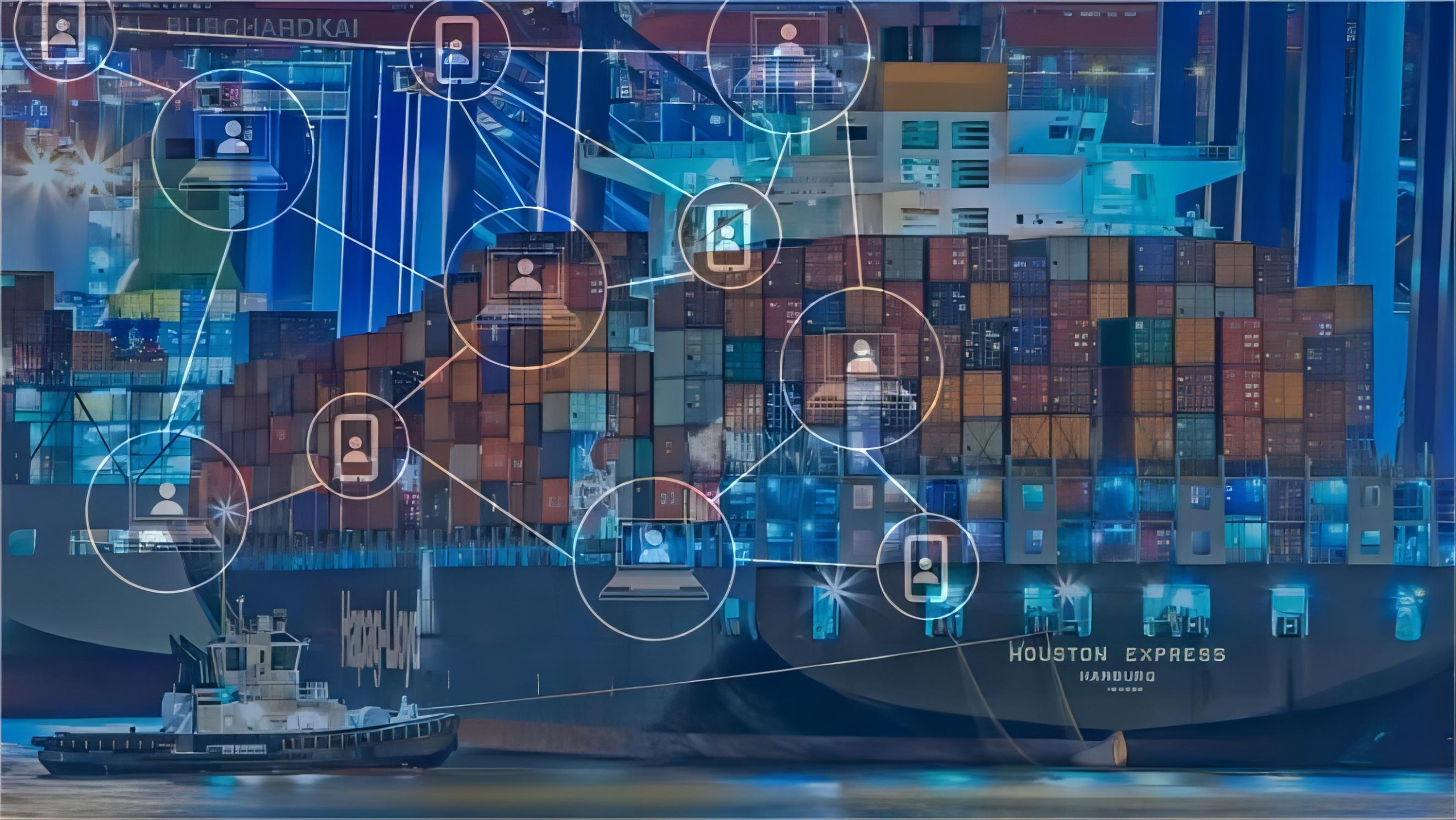
Moreover, a professional forwarder acts as your boots on the ground in China, managing everything from factory pickups to final delivery. They provide the necessary visibility to track shipments in real-time, which is essential for maintaining customer satisfaction.
Consequently, choosing a reliable partner ensures that you avoid common pitfalls like unexpected detention and demurrage charges. Their expertise in local regulations helps mitigate risks associated with international trade.
Indeed, the right strategy can significantly impact your bottom line by optimizing every link in the logistics chain. Investing time in selecting a top-tier provider pays dividends through improved reliability and lower landed costs.
What are the Primary Shipping Methods for Transpacific Routes?
Selecting the appropriate transport mode depends heavily on your budget, cargo volume, and required transit time. Most businesses rely on sea freight as their primary method for moving large quantities of goods economically.
Additionally, ocean transport offers various options such as Full Container Load (FCL) and Less than Container Load (LCL) to suit different shipment sizes. FCL is typically faster and more secure for high-volume importers.
On the other hand, LCL allows smaller businesses to share container space, making it a cost-effective solution for modest inventory levels. This flexibility is vital for startups testing new products in the American market.
Meanwhile, market data suggests that sea freight remains the backbone of the China-USA trade lane due to its high capacity. It handles everything from heavy machinery to consumer electronics with ease.
| Method | Average Cost | Transit Time | Best For |
|---|---|---|---|
| Sea Freight (FCL) | $3,000 – $5,500 | 18-35 Days | Bulk Inventory |
| Sea Freight (LCL) | $80 – $150/CBM | 22-40 Days | Small Shipments |
| Air Freight | $5 – $9/kg | 3-7 Days | Urgent/High Value |
| Express Service | $8 – $12/kg | 2-5 Days | Samples/E-commerce |
How Does Sea Freight Compare to Other Shipping Options?
While sea freight is the most common choice, comparing it against alternatives is necessary for a balanced logistics strategy. For instance, air cargo solutions provide unmatched speed for time-sensitive launches or seasonal peaks.
Furthermore, the cost difference between sea and air can be substantial, often reaching five to ten times higher for air transport. Therefore, sea freight is usually the winner for non-urgent, heavy shipments.
Nevertheless, some importers utilize hybrid solutions like sea-air combinations to balance cost and speed. This approach involves shipping by sea to a hub like Dubai or Busan and then flying the cargo to the USA.
Accordingly, understanding these trade-offs allows you to make informed decisions based on current inventory needs and market demand. Every shipping method has its specific place within a diversified supply chain.
| Shipping Method | Cost Range | Transit Time | Limitations |
|---|---|---|---|
| Direct Ocean | Moderate | 14-20 Days (West) | Port Congestion |
| Transshipment | Lower | 25-40 Days | Longer Lead Times |
| Standard Air | High | 5-8 Days | Weight Restrictions |
| Sea-Air Hybrid | Medium-High | 12-18 Days | Complex Handling |

Can Air Freight Accelerate Your Supply Chain?
Utilizing air freight is the best way to ensure your products reach the US market in the shortest possible time. This method is particularly effective for high-value items where the cost of capital tied up in transit is a concern.
Additionally, air transport offers higher security and a lower risk of damage compared to ocean voyages. This makes it ideal for fragile electronics or luxury goods that require careful handling.
In contrast, the environmental impact and higher fuel surcharges are factors that businesses must weigh carefully. Many companies reserve air cargo for emergency restocks or prototype testing.
Without a doubt, the speed of air delivery can be a competitive advantage during Q4 peak seasons. It allows for a more agile response to sudden shifts in consumer behavior.
How to Optimize Amazon FBA Logistics from China?
Managing Amazon FBA shipments requires strict adherence to labeling and packaging standards set by the retail giant. A specialized forwarder ensures that your goods are prepped correctly before they even leave China.
Furthermore, direct-to-FBA shipping can save significant time by bypassing your own warehouse. This streamlined process reduces handling fees and speeds up the time it takes for your products to become ‘Active’ on the platform.
Meanwhile, you must consider the various customs requirements for e-commerce imports into the United States. Utilizing a partner who understands Section 321 entries can help you save on duties for low-value shipments.
Consequently, integrating your FBA strategy with a reliable logistics provider minimizes the risk of rejected shipments at Amazon fulfillment centers. This consistency is vital for maintaining a high seller rating.
Why is Customs Brokerage Essential for US Imports?
Navigating the customs brokerage process is often the most challenging aspect of international shipping. Incorrect HTS codes or missing documentation can lead to expensive delays and potential fines from US Customs and Border Protection.
In addition, trade policies can change rapidly, as seen with the evolving tariffs and trade agreements in early 2026. A professional broker stays updated on these changes to protect your interests.
Therefore, having an expert handle your entries ensures that you pay the correct amount of duty and taxes. They also assist with complex requirements like Partner Government Agency (PGA) filings for specific products.
Specifically, the use of automated clearing systems has made the process faster, but human oversight remains necessary. A dedicated customs partner provides the peace of mind that your cargo is compliant with all federal laws.
Which Option Should You Choose? A Decision Framework
Choosing the right logistics path involves evaluating your specific business priorities and cargo characteristics. If your primary goal is cost reduction, sea freight FCL is the logical choice for large volumes.
However, if you are shipping small batches or samples, door to door express services might offer better value. This all-inclusive service simplifies the process by handling every step from the factory to your office.
For shipments between 1 and 15 CBM, LCL is usually the most balanced option. It provides a middle ground between the high cost of air and the high volume requirements of FCL.
Ultimately, you should diversify your shipping methods to handle different scenarios. Maintaining relationships for both air and sea transport allows your business to remain flexible during market disruptions.

Realistic Case Studies: China to USA Logistics
Reviewing real-world examples helps illustrate the practical application of these shipping strategies in 2026. These cases reflect typical scenarios handled by professional forwarders on the transpacific route.
Case Study 1: Electronics from Shenzhen to Los Angeles. A tech startup needed to move 25 CBM of consumer electronics urgently for a spring launch.
——————————————————— Route: Shenzhen, China to Los Angeles, USA Cargo: Consumer Electronics, 25 CBM, 4,500 kg Container: 40GP Shipping Details: – Carrier/Service: Major Carrier (Direct) – Port of Loading: Shenzhen – Port of Discharge: Los Angeles – Route Type: Direct Cost Breakdown: – Ocean Freight: $2,100 – Origin Charges: $450 – Destination Charges: $600 – Customs and Duties (estimated): $1,200 – Total Landed Cost: $4,350 Timeline: – Booking to Loading: 3 days – Sea Transit: 16 days – Customs Clearance: 2 days – Total Door-to-Door: 21 days Key Insight: Using a direct route to the West Coast saved 10 days compared to an East Coast discharge. ———————————————————
Case Study 2: Apparel from Ningbo to Savannah. A fashion retailer required a steady flow of inventory for the East Coast market using a cost-effective method.
——————————————————— Route: Ningbo, China to Savannah, USA Cargo: Apparel, 12 CBM, 2,800 kg Container: LCL Shipping Details: – Carrier/Service: Consolidation Service – Port of Loading: Ningbo – Port of Discharge: Savannah – Route Type: Transshipment via Panama Canal Cost Breakdown: – Ocean Freight: $960 ($80/CBM) – Origin Charges: $300 – Destination Charges: $550 – Customs and Duties (estimated): $2,400 – Total Landed Cost: $4,210 Timeline: – Booking to Loading: 5 days – Sea Transit: 32 days – Customs Clearance: 3 days – Total Door-to-Door: 40 days Key Insight: LCL allowed the retailer to ship smaller batches frequently, maintaining inventory levels without high storage costs. ———————————————————
Note: Freight rates are subject to change based on fuel costs, carrier capacity, and seasonal demand. Contact us for a current quote tailored to your specific shipment.
Strategies for Reducing Shipping Costs in 2026
Implementing cost-saving measures is essential for maintaining healthy margins in a competitive environment. One effective strategy is to consolidate shipments from multiple suppliers into a single FCL container.
Moreover, booking your shipments at least 2-3 weeks in advance can help you secure lower rates and guaranteed space. Last-minute bookings often come with premium pricing and limited carrier options.
Additionally, optimizing your packaging to reduce dead space can significantly lower your LCL or air freight costs. Using standardized pallet sizes also speeds up the loading and unloading process.
Finally, consider shipping to the US West Coast and using rail or truck transport for inland destinations. This ‘intermodal’ approach is often cheaper than shipping directly to East Coast ports via the Panama Canal.
Final Thoughts on China to USA Shipping
Successfully navigating the transpacific trade lane requires a combination of strategic planning and expert execution. By leveraging the best freight forwarder China to USA shipping solutions, you can overcome the challenges of 2026 logistics.
Remember to stay informed about market trends and maintain flexibility in your shipping methods. Whether you choose sea, air, or a hybrid approach, the right partner will ensure your business continues to grow efficiently.
Need a tailored shipping solution?
Ready to streamline your supply chain with the best freight forwarder China to USA shipping solutions? Our team of logistics experts is standing by to provide you with a customized quote and expert guidance for your next shipment. Send Inquiry to start optimizing your global operations today.