

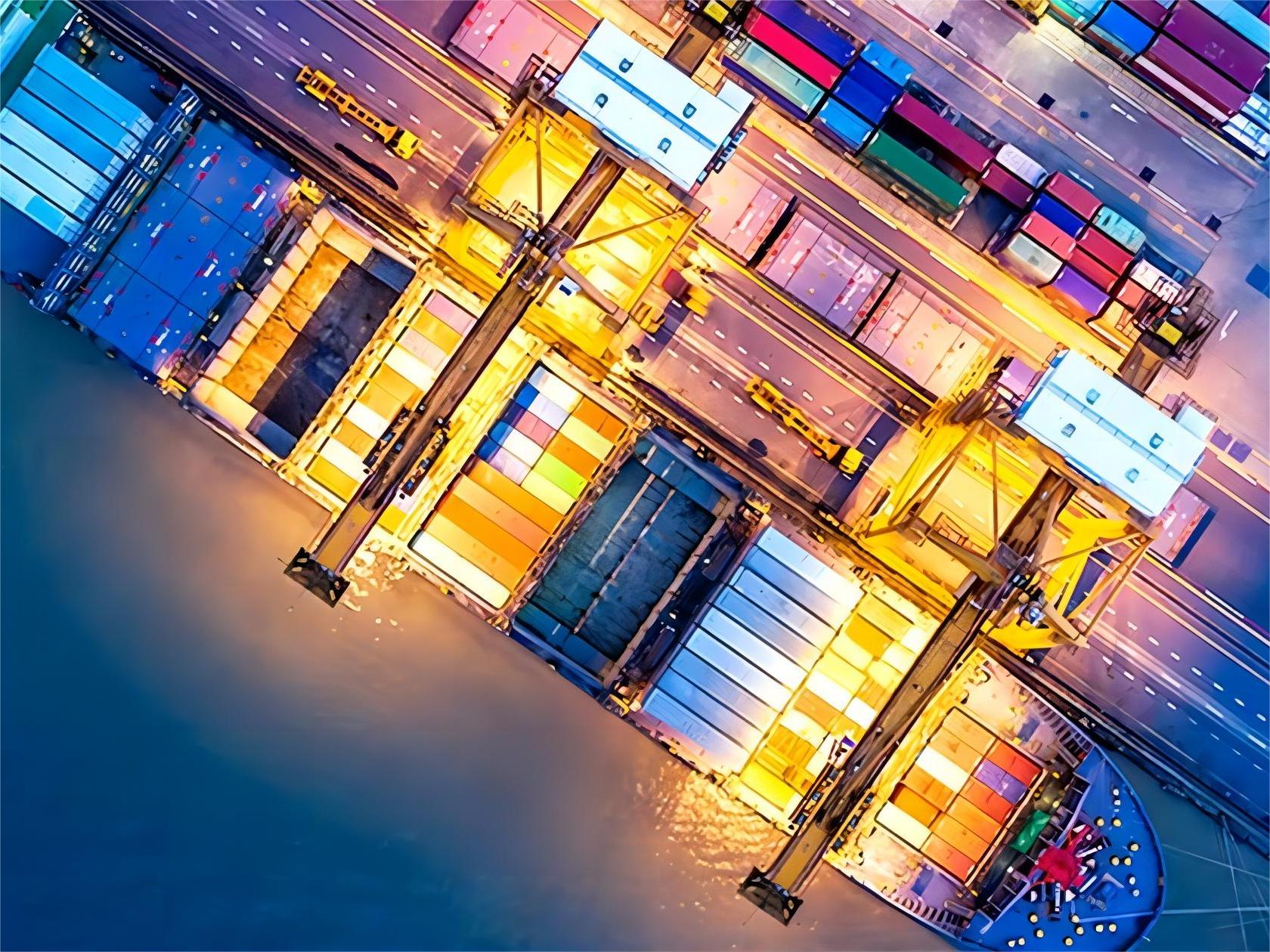
Warehouse Fulfillment China UAE Ecommerce: 2026 Logistics Guide
Mastering warehouse fulfillment China UAE ecommerce is the single most important factor for online brands seeking to dominate the Middle Eastern market in 2026. By partnering with Global China Freight, businesses can effectively bridge the gap between manufacturing excellence in China and the high consumer demand in Dubai and Abu Dhabi. Furthermore, the modern logistics landscape requires a sophisticated approach to inventory management and rapid delivery schedules to maintain a competitive edge. Consequently, this guide provides a comprehensive roadmap for navigating the complexities of international shipping, customs clearance, and local distribution strategies tailored for the UAE market.

Why Warehouse Fulfillment China UAE Ecommerce Matters
Identifying the right strategy for warehouse fulfillment China UAE ecommerce allows companies to reduce overhead costs while improving customer satisfaction through faster delivery. Specifically, the UAE has become a global hub for digital trade, necessitating a robust supply chain that starts at the Chinese factory floor. Moreover, the integration of advanced tracking technology ensures that every parcel is accounted for during the long journey across the Indian Ocean. Consequently, merchants who prioritize efficient logistics often see a significant increase in repeat customers and positive reviews.
Additionally, the economic landscape in 2026 shows that shipping volumes between China and the Middle East have reached record highs. Therefore, securing warehouse space in key Chinese hubs like Shenzhen or Guangzhou is essential for consolidating goods before they ship. Meanwhile, the UAE government continues to streamline import processes, making it easier for ecommerce players to enter the market. Indeed, the synergy between Chinese manufacturing and UAE logistics infrastructure creates a powerful engine for business growth.
The Role of Inventory Management
Effective inventory management serves as the backbone of any successful ecommerce operation. Notably, keeping stock closer to the source in China can lower storage fees compared to maintaining large inventories in expensive UAE free zones. Furthermore, real-time data synchronization between your warehouse and online store prevents stockouts and overstocking issues. Accordingly, professional fulfillment centers provide the scalability needed to handle seasonal spikes during Ramadan or White Friday sales.
How Does Warehouse Fulfillment China UAE Ecommerce Compare to Other Shipping Options?
Analyzing the various shipping methods is crucial for balancing speed and cost-effectiveness in your supply chain. For instance, sea freight remains the most popular choice for bulk shipments due to its significantly lower price point per cubic meter. However, businesses must account for longer transit times which can range from 20 to 30 days depending on the specific port of call. Conversely, air freight offers a rapid solution for high-value items that need to reach the UAE market within a week.
Specifically, the choice between FCL and LCL shipping depends entirely on your current inventory volume and budget constraints. While a full container provides the best protection and lowest unit cost, less-than-container load options allow smaller brands to maintain a steady flow of goods without massive upfront investments. Moreover, hybrid solutions like sea-air freight have gained traction in early 2026 as a way to mitigate port congestion while keeping costs manageable. Therefore, a careful evaluation of your product margins and delivery promises is necessary before selecting a primary shipping mode.
| Shipping Method | Cost Range | Transit Time | Best For |
|---|---|---|---|
| Sea Freight | $800 – $1,500 per TEU | 22 – 30 Days | Bulk Inventory |
| Air Freight | $4.50 – $7.00 per kg | 3 – 7 Days | High-Value Goods |
| Express Service | $8.00 – $12.00 per kg | 2 – 4 Days | Urgent Samples |
| Sea-Air Hybrid | $2.50 – $4.00 per kg | 12 – 18 Days | Mid-range Budget |

Evaluating Shipping Methods: From Sea to Air
Evaluating the benefits of air freight reveals that speed is often the determining factor for electronics and fashion brands. Although the costs are higher, the reduction in lead time allows for quicker capital turnover and more responsive inventory adjustments. Furthermore, the security measures at major airports like Dubai International ensure that sensitive cargo is handled with extreme care. Consequently, many premium ecommerce sellers allocate at least 20 percent of their logistics budget to air transport to handle urgent restocking needs.
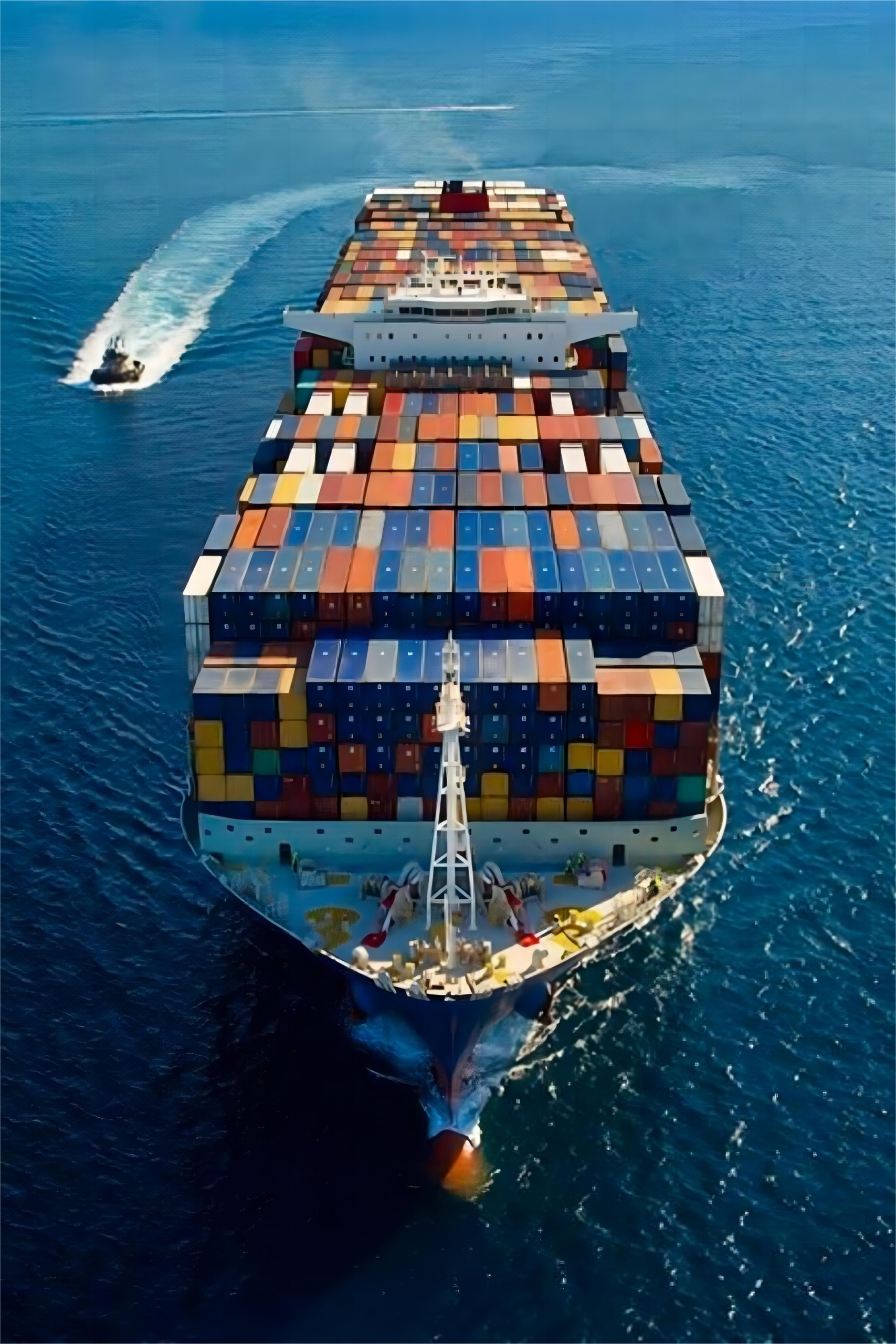
Similarly, the reliability of sea routes has improved in 2026 as carriers have optimized their schedules following previous years of disruption. Notably, direct sailings from Ningbo or Shanghai to Jebel Ali have become more frequent, providing a stable foundation for warehouse fulfillment China UAE ecommerce strategies. In addition, the use of larger vessels has helped stabilize freight rates even during peak seasons. Indeed, sea freight remains the undisputed king for heavy furniture, home appliances, and large-scale stock replenishments.
Managing Amazon FBA and Local Fulfillment
Managing Amazon FBA requirements is a specialized task that requires meticulous attention to detail regarding labeling and packaging. Specifically, Amazon has strict guidelines for how products must arrive at their UAE fulfillment centers to avoid rejection or additional fees. Furthermore, using a logistics partner that understands these specific rules can save your business weeks of delays. Therefore, integrating a professional prep service in China before the goods ship is a highly recommended strategy for 2026.
Additionally, local fulfillment options in the UAE provide an alternative for brands that want more control over their customer experience. By utilizing a private warehouse in Dubai, you can offer custom packaging and faster last-mile delivery than standard marketplace services. Moreover, this approach allows for easier returns management, which is a critical component of ecommerce success in the Middle East. Consequently, a hybrid model of using FBA for reach and local warehouses for brand loyalty is becoming the industry standard.
Customs Brokerage and Regulatory Compliance
Navigating the legalities of customs brokerage is often the most daunting part of the warehouse fulfillment China UAE ecommerce process. Notably, the UAE requires specific documentation including commercial invoices, certificates of origin, and detailed packing lists for every import. Furthermore, certain product categories like cosmetics or electronics may require additional approvals from local authorities. Accordingly, working with an experienced broker ensures that your cargo does not get stuck at the border due to paperwork errors.
Indeed, the 2026 regulatory environment has introduced new digital filing systems that speed up the clearance process for compliant businesses. However, any discrepancy in declared value or harmonized system codes can result in heavy fines or seizure of goods. Therefore, it is imperative to conduct a thorough audit of your shipping documents before the vessel leaves China. Meanwhile, staying updated on the latest VAT regulations in the UAE will help you manage your cash flow and pricing strategies more effectively.
| Document Type | Required For | Purpose | Format |
|---|---|---|---|
| Commercial Invoice | All Shipments | Value Declaration | Digital/Original |
| Packing List | All Shipments | Content Verification | Digital |
| Cert. of Origin | Most Shipments | Duty Calculation | Attested |
| Bill of Lading | Sea Freight | Title of Goods | Original/Telex |
Real Case Studies for Warehouse Fulfillment China UAE Ecommerce
Reviewing real-world examples provides valuable insights into the actual costs and timelines involved in modern logistics. Specifically, these cases highlight how different businesses choose their shipping methods based on cargo size and urgency. Furthermore, they demonstrate the importance of planning for origin and destination charges to avoid budget overruns. Consequently, these scenarios serve as a benchmark for your own shipping estimates in 2026.
Case Study 1: Electronics Distribution +———————————————————+ | Route: Shenzhen, China to Dubai, UAE | Cargo: Consumer Electronics, 12 CBM, 2500 kg | Container: LCL Shipment | | Shipping Details: | – Carrier/Service: Major Ocean Carrier | – Port of Loading: Shenzhen | – Port of Discharge: Jebel Ali | – Route Type: Direct | | Cost Breakdown: | – Ocean Freight: $2,100 | – Origin Charges: $380 | – Destination Charges: $550 | – Customs and Duties: $420 | – Total Landed Cost: $3,450 | | Timeline: | – Booking to Loading: 4 days | – Sea Transit: 20 days | – Customs Clearance: 2 days | – Total Door-to-Door: 26 days | | Key Insight: Early booking saved 15 percent on freight costs. +———————————————————+
Case Study 2: Fashion Apparel Expansion +———————————————————+ | Route: Ningbo, China to Abu Dhabi, UAE | Cargo: Spring Collection, 40HQ Container | Container: FCL 40HQ | | Shipping Details: | – Carrier/Service: COSCO Shipping | – Port of Loading: Ningbo | – Port of Discharge: Khalifa Port | – Route Type: Direct | | Cost Breakdown: | – Ocean Freight: $4,200 | – Origin Charges: $650 | – Destination Charges: $800 | – Customs and Duties: $1,100 | – Total Landed Cost: $6,750 | | Timeline: | – Booking to Loading: 5 days | – Sea Transit: 28 days | – Customs Clearance: 3 days | – Total Door-to-Door: 36 days | | Key Insight: Using FCL reduced the per-unit cost by 30 percent. +———————————————————+
Market data suggests that freight rates for 2026 have stabilized after the disruptions of previous years. Specifically, the average cost for a 20GP container from China to the UAE currently ranges between $1,800 and $2,400. However, these prices can fluctuate based on fuel surcharges and seasonal demand. Therefore, always request a current quote to ensure your financial planning remains accurate. Note: Freight rates are subject to change based on fuel costs, carrier capacity, and seasonal demand. Contact us for a current quote tailored to your specific shipment.
Which Warehouse Fulfillment China UAE Ecommerce Option Should You Choose?
Choosing the right logistics path requires a clear understanding of your business priorities and product characteristics. For instance, if your primary goal is budget optimization, sea freight is the logical choice for the majority of your inventory. On the other hand, if you are launching a new product with high market buzz, express service might be necessary to meet immediate demand. Furthermore, consider the shelf life and fragility of your goods when making this decision.
Specifically, businesses should use a decision framework based on volume thresholds. If your shipment is under 2 CBM, express or air freight is usually more economical than LCL sea freight once destination fees are considered. Conversely, for shipments exceeding 15 CBM, upgrading to a 20GP container often provides better security and value. Moreover, hybrid strategies allow you to split shipments, sending a small portion via air for immediate sales while the bulk follows by sea. Consequently, this balanced approach ensures you never run out of stock while keeping your average shipping cost low.
Alternative Strategies and Cost Saving Tips
Implementing alternative strategies can lead to significant savings in your warehouse fulfillment China UAE ecommerce operations. For example, consolidating goods from multiple suppliers into a single container in China reduces the number of individual shipments and associated paperwork fees. Additionally, choosing off-peak shipping windows, such as the period immediately following the Chinese New Year, can result in lower freight rates. Furthermore, optimizing your packaging to reduce dead space will lower your volumetric weight charges for air and express shipments.
Notably, some businesses are now exploring transshipment options via intermediate ports to take advantage of lower regional rates. While this may add a few days to the transit time, the cost savings can be substantial for non-urgent goods. Meanwhile, investing in high-quality shipping insurance is a small cost that provides massive protection against unforeseen losses at sea. Indeed, a proactive approach to risk management and cost control is what separates successful ecommerce ventures from those that struggle with thin margins. Clearly, the logistics choices you make today will define your profitability throughout 2026.
Final Thoughts on Logistics Success
Summarizing the key points of this guide, it is clear that warehouse fulfillment China UAE ecommerce requires a blend of strategic planning, regulatory knowledge, and reliable partnerships. By understanding the trade-offs between different shipping methods and staying compliant with UAE customs, you can build a resilient supply chain. Furthermore, the 2026 market offers numerous opportunities for brands that can deliver products quickly and efficiently. Finally, remember that logistics is not just a cost center but a competitive advantage that can significantly enhance your brand reputation in the UAE. Success in this region depends on your ability to adapt to changing trends and maintain a consistent flow of high-quality products from China.
Ready to streamline your logistics?
Ready to streamline your warehouse fulfillment China UAE ecommerce operations? Contact our expert team today for a customized logistics solution that saves you time and money. Visit our website to request a free quote and discover how we can help your business grow in the Middle East market. Send Inquiry link: https://globalchinafreight.com/
Request Quote