


Sea Freight vs Air Freight China Cost Comparison 2026 Guide
Choosing the right shipping method is vital for maintaining a healthy bottom line in your international trade operations. This sea freight vs air freight China cost comparison for 2026 provides the essential data you need to make informed logistics decisions. At Global China Freight, we understand that balancing speed and budget is the most significant challenge for modern importers. Consequently, this guide explores the nuances of pricing, transit times, and strategic alternatives to help you navigate the complex global supply chain effectively.

Understanding the Sea Freight vs Air Freight China Cost Comparison in 2026
Shipping costs from China have undergone significant shifts as we move into 2026, driven by fluctuating fuel prices and evolving trade lane demands. Indeed, the primary difference between these two modes remains the trade-off between speed and expense. While air freight offers unparalleled velocity, it comes at a premium price that can be five to ten times higher than ocean transport. On the other hand, sea freight provides a much lower cost per unit, making it the preferred choice for high-volume shipments and bulky goods.

Market data suggests that ocean freight rates have stabilized in early 2026 following the disruptions seen in previous years. Nevertheless, businesses must account for various surcharges and terminal handling fees that can impact the total landed cost. For instance, a standard 40-foot container might cost significantly less per kilogram than a small air cargo shipment, but the longer transit time requires more capital to be tied up in inventory. Therefore, analyzing the total cost of ownership is essential for any business importing from Chinese manufacturing hubs like Shenzhen or Ningbo.
Logistics trends in 2026 show an increasing reliance on data-driven decision-making to choose between these modes. Many companies now use hybrid models to balance their inventory needs without overspending on transport. Furthermore, the environmental impact of shipping is becoming a cost factor, as carbon taxes and green fuel surcharges begin to appear on freight invoices. Accordingly, understanding these variables is the first step in mastering your shipping strategy.
How Does Sea Freight Compare to Other Shipping Options?
Evaluating sea freight against other modes requires a comprehensive look at the entire logistics landscape, including rail and express services. While sea and air are the most common, rail freight has emerged as a middle-ground solution for shipments traveling from China to Europe. It offers a faster transit time than the ocean but at a lower price point than the air. Additionally, for very small packages, express service providers offer door-to-door convenience that simplifies the process for e-commerce sellers.
Choosing the right method depends heavily on the volume and weight of your cargo. For example, shipments under 100 kilograms are almost always more economical via air or express due to the high minimum fees associated with ocean bills of lading. In contrast, once a shipment exceeds 500 kilograms, the cost advantages of the sea become undeniable. Moreover, the geographic location of your destination port plays a role in the feasibility of certain routes, such as the lack of rail options for transpacific trade to North America.
| Shipping Method | Cost Range | Transit Time | Best For |
|---|---|---|---|
| Air Freight | $4.50 – $9.00 per kg | 3 – 7 Days | High-value, urgent goods |
| Sea Freight (LCL) | $40 – $90 per CBM | 25 – 45 Days | Small bulk shipments |
| Sea Freight (FCL) | $2,500 – $5,500 per 40HQ | 20 – 40 Days | Large inventory orders |
| Rail Freight | $120 – $180 per CBM | 15 – 22 Days | Mid-range China-Europe |
Analyzing Transit Times and Delivery Schedules
Time is often as valuable as money in the world of international trade. If your product launch depends on a strict deadline, air freight is the only reliable way to ensure your goods arrive within a week. However, the speed of air travel is often offset by the time required for ground handling and customs clearance at both ends. For instance, while the flight itself takes less than 15 hours, the total door-to-door process may still take five to eight days.
Ocean transit times vary significantly based on the destination and the specific service chosen. Direct routes from China to the U.S. West Coast can take as little as 14 days, whereas shipments to the U.S. East Coast or Northern Europe often exceed 30 days. Furthermore, port congestion and seasonal weather patterns can introduce delays that disrupt even the most carefully planned delivery schedule. Consequently, savvy importers always build a buffer of at least one week into their sea freight timelines to account for unforeseen circumstances.
Reliability is another factor where air and sea differ greatly. Air cargo schedules are generally more consistent and frequent, with multiple flights leaving daily from major hubs like Hong Kong and Shanghai. In contrast, missing a weekly vessel departure for a sea shipment can set your timeline back by seven days immediately. Therefore, if your supply chain has zero tolerance for delay, the higher cost of air transport may be a necessary insurance policy.
Sea Freight Economics: FCL vs LCL Breakdown
Understanding the difference between Full Container Load (FCL) and Less than Container Load (LCL) is critical for optimizing your sea freight expenses. FCL involves renting an entire 20-foot or 40-foot container for your exclusive use, which is usually the most cost-effective method for large volumes. On the other hand, LCL allows you to share container space with other shippers, paying only for the volume you occupy. Additionally, LCL is an excellent option for businesses that do not have enough inventory to fill a whole container but still want to benefit from low ocean rates.
Pricing for FCL is typically quoted as a flat rate per container, while LCL is priced per cubic meter (CBM). However, LCL shipments often incur higher destination charges and handling fees because the cargo must be consolidated and de-consolidated at specialized warehouses. For example, if your shipment exceeds 15 CBM, it is often cheaper to book a full 20-foot container even if you do not fill it completely. Furthermore, FCL shipments are generally safer and faster because they involve less handling and fewer stops during the journey.
Market rates for 2026 indicate that FCL remains the backbone of global trade. For businesses utilizing Amazon FBA, choosing between FCL and LCL can significantly impact the landed cost of each unit sold. To summarize, you should calculate the break-even point between these two methods for every major shipment to ensure you are not overpaying for space or handling.
| Destination | 20GP Container | 40HQ Container | Transit Time |
|---|---|---|---|
| USA West Coast | $1,800 – $2,400 | $2,900 – $3,800 | 14-18 Days |
| USA East Coast | $2,800 – $3,600 | $4,600 – $5,800 | 30-35 Days |
| Northern Europe | $2,000 – $2,700 | $3,200 – $4,400 | 28-35 Days |
| Australia | $900 – $1,300 | $1,500 – $2,100 | 12-18 Days |
Which Option Should You Choose? Decision Framework
Determining the best shipping method requires a balanced analysis of your budget, cargo type, and urgency. If your primary goal is cost reduction and you have a long lead time, sea freight is almost always the winner. Conversely, if you are shipping perishable goods, high-value electronics, or urgent replacement parts, air freight is the logical choice. Moreover, you should consider the ratio of the shipping cost to the total value of the goods; generally, shipping costs should not exceed 15-20% of the product value.
Budget priority dictates a move toward ocean transport, specifically FCL if volume permits. For those with a speed priority, air freight or express services are the only viable paths. Additionally, cargo type plays a huge role; hazardous materials or extremely heavy machinery may face restrictions or massive surcharges on aircraft. In contrast, very light but bulky items might be penalized by the volumetric weight calculations used in air cargo pricing. Indeed, many businesses find that a mix of both methods is the most resilient strategy.
Volume thresholds also serve as a useful guide for decision-making. For shipments under 0.5 CBM and 100kg, use express. For 100kg to 500kg, compare air freight and LCL sea freight carefully. Beyond 500kg or 2 CBM, sea freight becomes the most attractive option. To summarize, your decision should align with your specific inventory turnover and customer delivery expectations.
Real-World Case Studies: China Shipping Scenarios
Analyzing real-world examples helps clarify how these costs manifest in actual business operations. These cases reflect typical market conditions and rates observed in early 2026. Note that these are illustrative and actual quotes may vary based on daily market fluctuations.
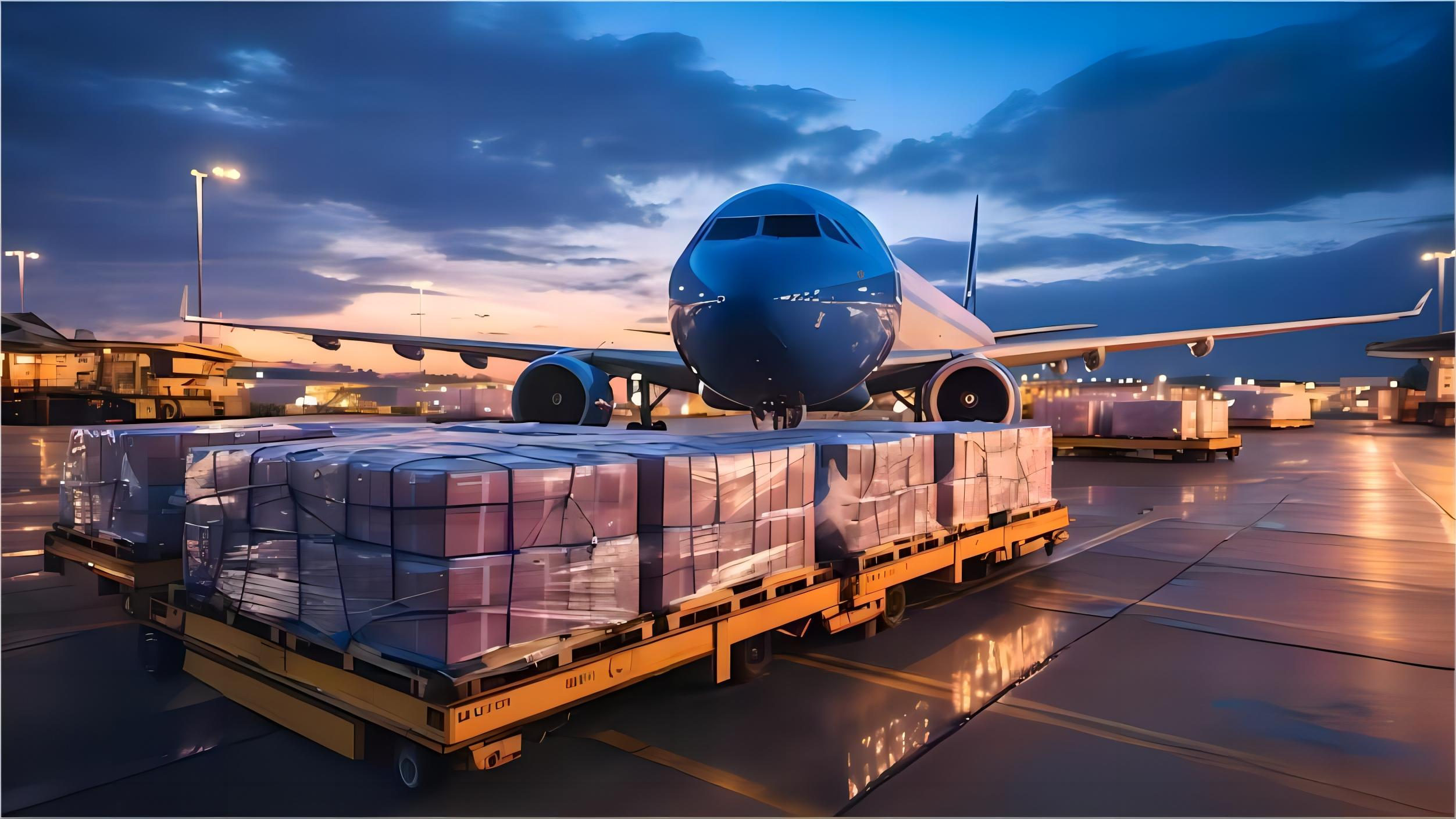
Case Study 1: Electronics to the USA. Route: Shenzhen to Los Angeles. Cargo: Consumer Electronics, 2.5 CBM, 450 kg. Method: Air Freight. Shipping Cost: $2,850. Transit Time: 6 days. Key Insight: The high value of the electronics justified the air cost to ensure a fast market launch and minimize the risk of theft or damage during a long sea voyage.
Case Study 2: Furniture to Europe. Route: Ningbo to Hamburg. Cargo: Flat-pack Furniture, 28 CBM. Method: Sea Freight (40GP). Shipping Cost: $3,600. Transit Time: 34 days. Key Insight: Given the low value-to-weight ratio of furniture, sea freight was the only way to maintain a profitable margin. The importer planned inventory three months in advance to accommodate the transit time.
Case Study 3: Seasonal Apparel to the UK. Route: Shanghai to Felixstowe. Cargo: 50 Cartons of Clothing, 4 CBM, 800 kg. Method: Sea Freight (LCL). Shipping Cost: $650. Transit Time: 38 days. Key Insight: Using LCL allowed the boutique brand to manage cash flow without committing to a full container, though they had to account for higher destination handling fees.
Hidden Costs and Customs Considerations in 2026
Total shipping costs involve much more than just the freight rate from port to port. You must also account for customs brokerage fees, import duties, and taxes which can significantly increase your expenses. Furthermore, insurance is a non-negotiable cost for most professional importers, typically ranging from 0.3% to 0.5% of the insured value. In addition, local trucking costs for the final mile delivery can sometimes be surprisingly high, especially if your warehouse is far from the port or airport.
Documentation errors are a common source of hidden costs in international logistics. Incorrectly labeled goods or missing paperwork can lead to storage fees, known as demurrage and detention, which accrue daily at the port. Consequently, working with an experienced freight forwarder is essential to ensure all compliance requirements are met. Moreover, in 2026, new environmental regulations require more detailed reporting on the carbon footprint of your shipments, which may involve administrative fees.
Customs duties vary based on the Harmonized System (HS) code of your product and the trade agreements between China and your destination country. For instance, certain goods may be subject to anti-dumping duties or specific tariffs that change without much notice. Therefore, always verify the current duty rates before finalizing your purchase order. To summarize, a successful sea freight vs air freight China cost comparison must include every link in the chain, from the factory floor to your warehouse door.
Final Thoughts on Sea Freight vs Air Freight China Cost Comparison
Mastering the sea freight vs air freight China cost comparison is a journey of constant adjustment and market awareness. In 2026, the logistics world is more dynamic than ever, requiring importers to stay agile and informed about shifting rates and trends. While sea freight remains the king of volume and cost-efficiency, air freight continues to be an essential tool for urgent and high-value requirements.
Ultimately, the best choice for your business depends on a deep understanding of your specific cargo, budget, and timeline. By leveraging the data and strategies outlined in this guide, you can build a more resilient and profitable supply chain. Remember that freight rates are subject to change based on fuel costs, carrier capacity, and seasonal demand. For the most accurate planning, we always recommend getting a current quote tailored to your unique shipment needs.
Get Your Shipping Quote Today
Are you ready to optimize your supply chain and reduce your shipping expenses? Whether you need the speed of air or the economy of the ocean, our team is here to provide tailored solutions for your business. Contact us today to receive a competitive quote and discover how we can streamline your logistics from China. Visit our website to learn more about our comprehensive shipping services. Visit: https://globalchinafreight.com/contact-us/
Request Quote