


Sea Freight China Global Import Export Shipping Solutions 2026
Navigating the complexities of Global China Freight ensures your business stays competitive in the 2026 market. Sea freight china global import export shipping remains the backbone of international trade for companies moving high volumes across continents. This comprehensive guide explores how to optimize your logistics for maximum efficiency and cost savings in the current economic landscape.

What is Sea Freight China Global Import Export Shipping?
International trade relies heavily on the movement of goods via ocean vessels because of the massive capacity these ships offer. Specifically, sea freight china global import export shipping involves the transportation of containerized cargo between Chinese hubs and international destinations. Businesses typically choose this method when they need to transport bulky items or large quantities of inventory cost-effectively.
Moreover, the infrastructure in China has evolved significantly by 2026 to support faster loading and unloading processes. Consequently, many exporters find that ocean transport provides the most reliable balance between cost and volume. Understanding the nuances of this shipping method is essential for any company looking to scale its international presence.
Furthermore, the global shipping network connects major ports like Shanghai, Ningbo, and Shenzhen to the rest of the world. Therefore, selecting the right port of origin can significantly impact your total landed cost and transit efficiency.
How Does Sea Freight Compare to Other Shipping Options?
Evaluating different transportation modes is a critical step in optimizing your supply chain strategy for 2026. While sea freight is the most economical for large loads, it may not suit every timeline. For instance, companies with urgent requirements often look toward more rapid alternatives despite the higher costs involved.
In contrast, air freight provides unparalleled speed for high-value or perishable goods. However, the price per kilogram is significantly higher than ocean transport, making it less viable for heavy machinery or bulk consumer goods. Additionally, rail freight offers a middle ground for Eurasian routes, providing faster transit than the sea and lower costs than the air.
As a result, businesses must weigh the trade-offs between speed, cost, and cargo volume. Choosing the wrong method can lead to either excessive logistics spending or missed market opportunities.
| Shipping Method | Cost Range | Transit Time | Best For | Limitations |
|---|---|---|---|---|
| Sea Freight | Low ($1,500 – $5,500) | 15 – 45 Days | Bulk Cargo, FCL/LCL | Longest Transit |
| Air Freight | High ($5 – $12/kg) | 3 – 7 Days | Urgent, High Value | Weight Limits |
| Rail Freight | Medium ($2,500 – $4,500) | 12 – 22 Days | Eurasia Land Routes | Limited Coverage |

Choosing Between FCL and LCL for Your Cargo
Full Container Load (FCL) shipping is the preferred choice for businesses moving enough goods to fill a 20-foot or 40-foot container. This method offers better security and often results in faster handling because the container is dedicated to a single consignee. Consequently, FCL is generally more cost-effective once your volume exceeds 15 cubic meters.
On the other hand, Less than Container Load (LCL) allows multiple shippers to share space within a single container. This approach is ideal for smaller shipments that do not justify the cost of an entire unit. Nevertheless, LCL shipments may experience slightly longer transit times due to the consolidation and deconsolidation processes at the ports.
Decision-making should involve a careful analysis of your inventory levels and delivery schedules. For example, if you are shipping to multiple locations, LCL might offer the flexibility you need despite the slightly higher price per unit.
Understanding 2026 Sea Freight Rates and Pricing
Market data suggests that ocean freight rates have stabilized in early 2026 following previous global disruptions. However, pricing remains subject to seasonal fluctuations, particularly during the peak season between August and October. During these months, rates typically increase by 15% to 25% as retailers prepare for the holiday rush.
Indeed, fuel surcharges and port congestion also play a significant role in determining the final quote you receive. Businesses should factor in origin charges such as terminal handling and documentation fees to avoid unexpected costs. According to industry benchmarks, a 40HQ container from China to Europe currently ranges between $3,000 and $4,500.
Note: Freight rates are subject to change based on fuel costs, carrier capacity, and seasonal demand. Contact us for a current quote tailored to your specific shipment.
| Route | 20GP Range | 40HQ Range | Transit Time |
|---|---|---|---|
| China to USA West | $1,500 – $2,200 | $2,800 – $3,800 | 14 – 18 Days |
| China to Europe | $1,800 – $2,500 | $3,000 – $4,200 | 28 – 35 Days |
| China to Australia | $800 – $1,200 | $1,400 – $2,000 | 12 – 18 Days |
| China to UK | $2,000 – $2,800 | $3,500 – $4,500 | 30 – 38 Days |
Essential Customs Documentation for Import and Export
Proper documentation is the foundation of a successful sea freight china global import export shipping operation. Without accurate paperwork, your cargo may face significant delays or even seizure by authorities. Therefore, working with an experienced customs brokerage is highly recommended for complex shipments.
Standard requirements include the Commercial Invoice, Packing List, and the Bill of Lading, which acts as a title to the goods. Additionally, certain products may require specific certificates of origin or safety permits depending on the destination country. Indeed, ensuring all information matches across all documents is vital for smooth clearance.
Meanwhile, digital customs filing has become the standard in 2026, allowing for faster processing times. Consequently, shippers who maintain organized digital records often see their cargo cleared within 24 to 48 hours of arrival.
Which Option Should You Choose for Your Business?
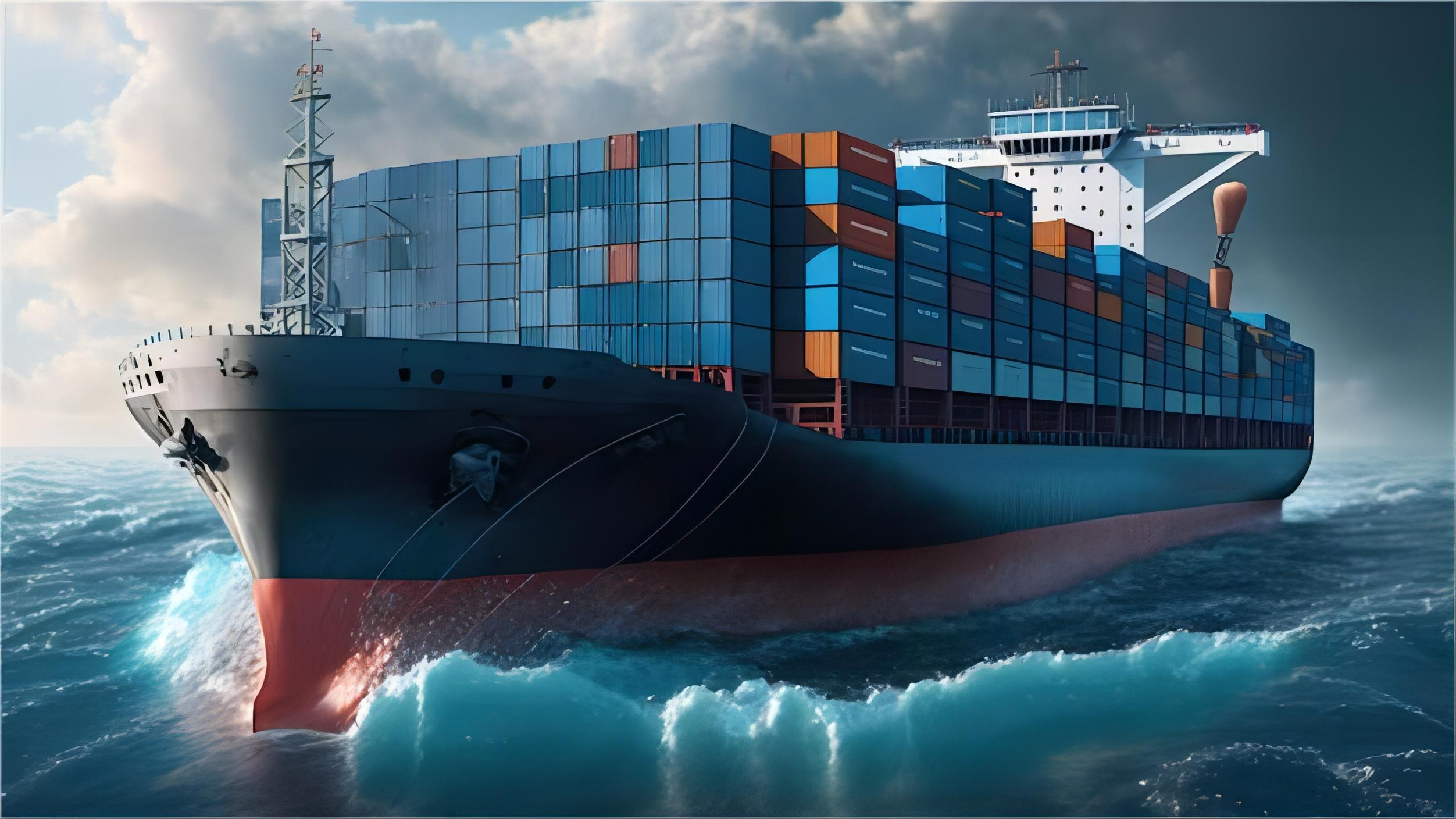
Selecting the right shipping strategy depends on your specific business priorities and cargo characteristics. If your primary goal is budget optimization, sea freight remains the undisputed leader for long-haul routes. For those selling on platforms like Amazon, utilizing an Amazon FBA shipping service can streamline the entire process.
Budget priority: Recommend Sea Freight FCL for large volumes to minimize the cost per unit. Speed priority: Recommend Air Freight or Express services for time-sensitive inventory. Hybrid solutions: Consider sea-air combinations for a balance of speed and cost-efficiency.
Volume thresholds often dictate when to switch from LCL to FCL. Typically, once your shipment reaches 15 CBM, the cost of a full 20GP container becomes more economical than paying for individual cubic meters in a shared container.
Real-World Case Studies of China Shipping Success
Case Study 1: Electronics Export to Rotterdam. Route: Shenzhen, China to Rotterdam, Netherlands. Cargo: Consumer Electronics, 68 CBM, 12,000 kg. Container: 40HQ. Shipping Details: Direct via COSCO. Ocean Freight: $3,450. Origin Charges: $450. Destination Charges: $600. Customs: $1,200. Total Landed Cost: $5,700. Timeline: 32 days door-to-door. Key Insight: Booking 3 weeks in advance secured a lower rate during the early 2026 peak.
Case Study 2: Furniture Import to Los Angeles. Route: Ningbo, China to Long Beach, USA. Cargo: Home Furniture, 25 CBM, 5,500 kg. Container: 20GP. Shipping Details: Direct via Maersk. Ocean Freight: $2,100. Origin Charges: $380. Destination Charges: $550. Customs: $850. Total Landed Cost: $3,880. Timeline: 18 days door-to-door. Key Insight: Using a direct route saved 6 days compared to transshipment options.
Mastering Global Logistics in 2026
Successfully managing sea freight china global import export shipping requires a combination of strategic planning and reliable partnerships. By understanding the differences between FCL and LCL, monitoring market rates, and ensuring documentation accuracy, businesses can significantly reduce their overhead.
Reliable logistics providers offer the expertise needed to navigate the ever-changing global trade environment. Whether you are moving small batches or large industrial equipment, the right sea freight strategy will ensure your goods arrive safely and on time. Start planning your next shipment today to take advantage of the current market stability.
Get Your Shipping Quote Today
Ready to optimize your supply chain with sea freight china global import export shipping? Contact our expert team today for a customized quote and professional logistics support. Visit our website to start your inquiry and secure the best rates for 2026. Send Inquiry: https://globalchinafreight.com/
Request Quote