

Amazon FBA Logistics China Prep Center Fulfillment Guide 2026
Managing a global supply chain requires precision and reliable partners to ensure products reach customers without delay. Many successful sellers now utilize amazon fba logistics china prep center fulfillment to streamline their operations before goods even leave Asia. By partnering with Global China Freight, businesses can significantly reduce overhead costs while maintaining high quality standards for their inventory. This approach allows for comprehensive inspection and labeling at the source, which prevents costly rejections at Amazon warehouses. Consequently, the integration of prep services with logistics provides a competitive edge in the fast-paced 2026 e-commerce market.
✦
What is Amazon FBA Logistics China Prep Center Fulfillment?
Specifically, this service involves a facility in China that receives products directly from manufacturers to prepare them for Amazon’s strict requirements. These centers handle tasks like labeling, kitting, and poly-bagging before the goods undergo international shipping. Moreover, the logistics component ensures that these prepared items move seamlessly through customs and into the FBA network. By centralizing these tasks in China, sellers often save 30 percent or more on labor costs compared to domestic US or European prep services.
Furthermore, using a prep center at the origin point allows for early detection of manufacturing defects. Sellers can resolve quality issues with the factory immediately rather than discovering problems after paying for expensive international freight. Therefore, this strategy minimizes the risk of negative reviews and account health issues. Indeed, the synergy between prep and logistics creates a more resilient supply chain for modern retailers.
How Does Amazon FBA Logistics China Prep Center Fulfillment Compare to Other Shipping Options?
Choosing the right shipping method is vital for maintaining healthy profit margins and meeting delivery deadlines. While some sellers ship direct from the factory, this often leads to compliance errors and rejected shipments at Amazon. In contrast, using a prep center ensures every box meets FBA standards. Additionally, sellers must weigh the trade-offs between speed and cost when selecting a carrier.
As of Q1 2026, market data suggests that hybrid shipping models are becoming increasingly popular. For instance, combining sea freight with local trucking can balance costs and speed effectively. Below is a detailed comparison of the primary shipping methods available for your FBA inventory.
| Shipping Method | Cost Range | Transit Time | Best For |
|---|---|---|---|
| Air Freight | $5.50-$9.00/kg | 5-9 Days | High-value items |
| Sea Freight | $150-$250/CBM | 25-40 Days | Bulk inventory |
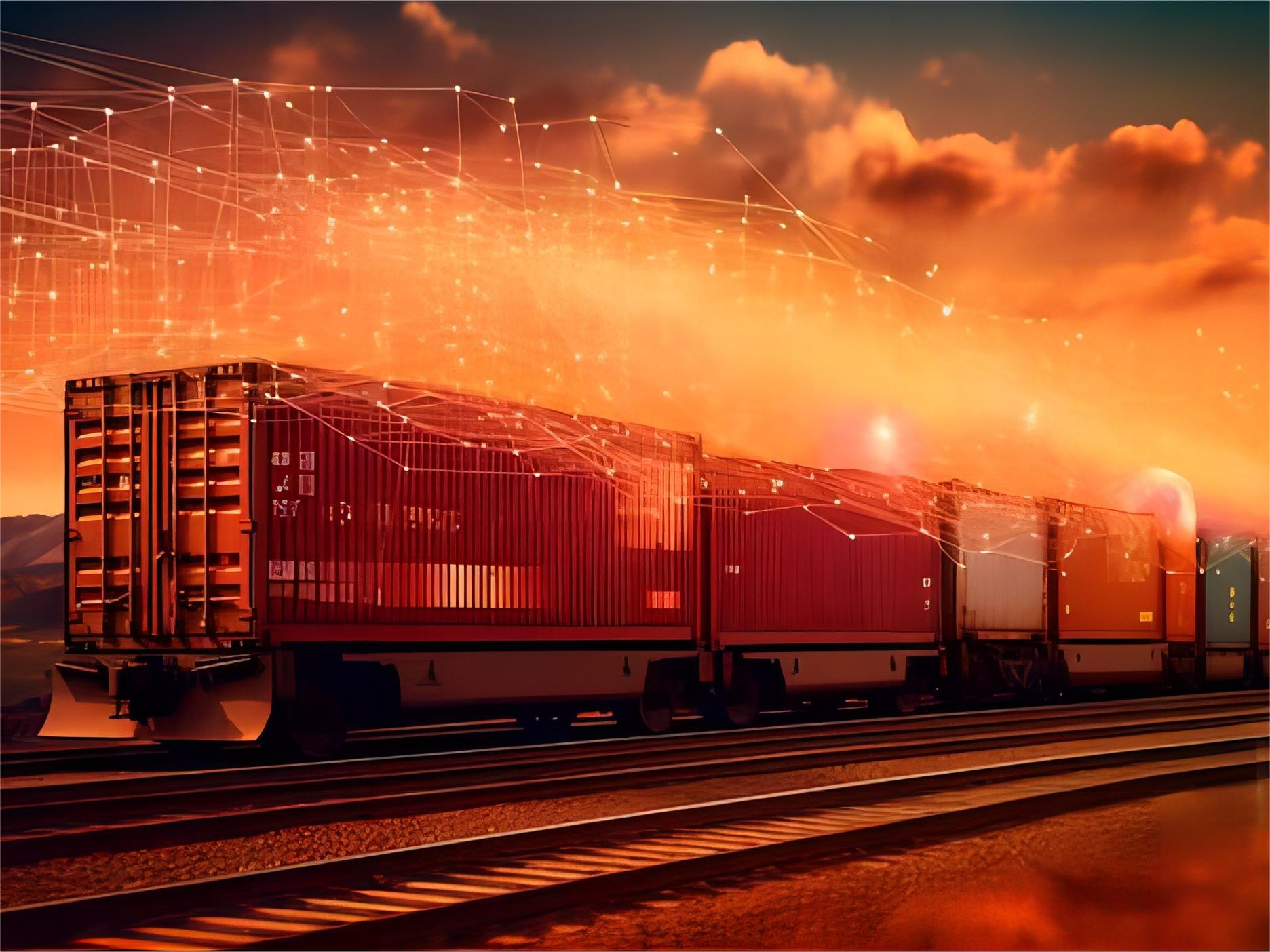
| Rail Freight | $1.50-$2.50/kg | 18-25 Days | Mid-weight goods |
| Express | $8.00-$12.00/kg | 3-5 Days | Urgent restocks |
Why Should You Use a Prep Center in China?
One major advantage is the significant reduction in shipping volume through professional repackaging. Many factories use oversized boxes that increase sea freight costs unnecessarily. A prep center can consolidate items into optimized cartons to maximize space. Consequently, you pay less for the same amount of inventory.
Another benefit involves the ability to bundle products or add marketing inserts at a lower cost. Labor rates in China remain competitive, allowing for complex kitting projects that would be too expensive elsewhere. Additionally, these centers are experts in Amazon’s Frequently Changing Global Shipping requirements. This expertise ensures your labels are always scannable and your packaging is durable enough for the journey.
Quality Control and Inspection
Nevertheless, the most critical function is often the quality control inspection. Standard prep services include a basic visual check of the packaging and product. However, you can also request detailed functional testing for electronics or textiles. Identifying a 5 percent defect rate in China is a minor setback, but finding it in the US is a financial disaster.
Scalability for Peak Seasons
During Q4 peak seasons, warehouse space in the US becomes extremely expensive and scarce. In contrast, prep centers in China offer flexible storage solutions to buffer your inventory. This allows you to drip-feed stock into FBA as needed, avoiding high long-term storage fees. Consequently, your cash flow remains more stable throughout the year.
Which Option Should You Choose for Your FBA Business?
Determining the best strategy depends heavily on your budget, product type, and speed requirements. If your priority is absolute lowest cost, then sea freight combined with a China prep center is the clear winner. However, if you are launching a new product and need market feedback quickly, air freight might be worth the investment. It is also important to consider the volume of your shipment.
For shipments under 15 CBM, LCL (Less than Container Load) is usually the most economical choice. Conversely, for large brands, FCL (Full Container Load) provides better security and lower per-unit costs. Always ensure your Amazon FBA strategy accounts for potential customs delays during holiday periods. Market intelligence from 2026 shows that early booking can save up to 15 percent on freight rates.
Real Case Studies: Successful FBA Shipments from China
To illustrate the effectiveness of these strategies, let us look at real-world examples from 2025 and early 2026. These cases highlight how proper planning and prep center usage can overcome common logistics hurdles. Each scenario demonstrates a different approach to the amazon fba logistics china prep center fulfillment model.
Case Study 1: Electronics Seller to USA West Coast. Route: Shenzhen to Los Angeles. Cargo: 500 units of smart home devices, 4 CBM. Shipping Method: Sea Freight LCL. Ocean Freight: $950. Origin Prep Charges: $350. Customs and Duties: $1,200. Total Landed Cost: $2,500. Timeline: 28 days total. Key Insight: Repackaging at the prep center reduced the total volume by 1.5 CBM, saving $300 in freight costs.
Case Study 2: Apparel Brand to Europe. Route: Ningbo to Hamburg. Cargo: 2,000 units of organic cotton shirts, 12 CBM. Shipping Method: Rail Freight. Freight Cost: $2,800. Prep and Labeling: $600. Total Door-to-Door: 24 days. Key Insight: Using rail freight provided a middle ground between air and sea, allowing the brand to restock before a major seasonal sale without paying air freight premiums.
Understanding Customs and Documentation Requirements
Navigating the complexities of international trade requires meticulous documentation to avoid delays. Specifically, you must provide an accurate Commercial Invoice and Packing List for every shipment. Additionally, the Bill of Lading serves as the contract between the shipper and the carrier. Without these documents, your goods may be held at the port, leading to significant demurrage charges.
Furthermore, utilizing a professional customs brokerage service is highly recommended for FBA sellers. They ensure that your HTS codes are correct, which determines the duty rates you pay. In 2026, customs authorities have increased scrutiny on e-commerce shipments, making compliance more important than ever. Below is a checklist of the essential documents required for your logistics chain.
| Document Name | Required By | Purpose | Criticality |
|---|---|---|---|
| Commercial Invoice | Customs | Value declaration | High |
| Packing List | Warehouse | Content details | High |
| Certificate of Origin | Customs | Duty determination | Medium |
| ISF (10+2) | US Customs | Security filing | Vital (US only) |

Door to Door Logistics for Amazon FBA
Many modern sellers prefer a hands-off approach known as door to door shipping. This service covers everything from picking up goods at the factory to the final delivery at the Amazon fulfillment center. Consequently, the seller does not need to worry about coordinating between multiple agents or carriers. This streamlined process is particularly effective when combined with a prep center.
Indeed, this model minimizes the communication gaps that often lead to shipping errors. The prep center acts as the first point of contact, ensuring the goods are ready for the logistics provider. Therefore, the entire journey is tracked under a single system, providing better visibility for the business owner. In 2026, advanced tracking technology allows sellers to see their inventory status in real-time across the globe.
Mastering Your FBA Supply Chain
In conclusion, implementing a robust amazon fba logistics china prep center fulfillment strategy is essential for long-term success. By handling inspections and labeling at the source, you reduce costs and improve product quality. Moreover, choosing the right shipping partner ensures that your goods navigate customs without unnecessary delays.
As market conditions evolve in 2026, staying informed about freight trends and compliance requirements will keep your business competitive. Whether you choose sea, air, or rail freight, the key is consistency and preparation. Start optimizing your logistics today to build a more profitable and reliable Amazon business.