
Freight Forwarder China to Europe Door Delivery: 2026 Guide
Navigating the complexities of international trade requires a reliable partner to manage your supply chain from origin to final destination. As a leading Global China Freight provider, we specialize in streamlining the logistics process for businesses of all sizes. Choosing a professional freight forwarder china to Europe door delivery service ensures your cargo moves efficiently through customs and reaches your warehouse without unnecessary delays. This comprehensive guide explores the most effective strategies for shipping goods from Chinese manufacturing hubs to European markets in 2026.
How Does Freight Forwarder China to Europe Door Delivery Work?
Door to door shipping represents the ultimate convenience in modern logistics by handling every step of the transit process. Initially, the forwarder arranges cargo pickup from the supplier factory in cities like Shenzhen, Ningbo, or Shanghai. Consequently, the provider manages all export documentation and inland transportation to the departure terminal.
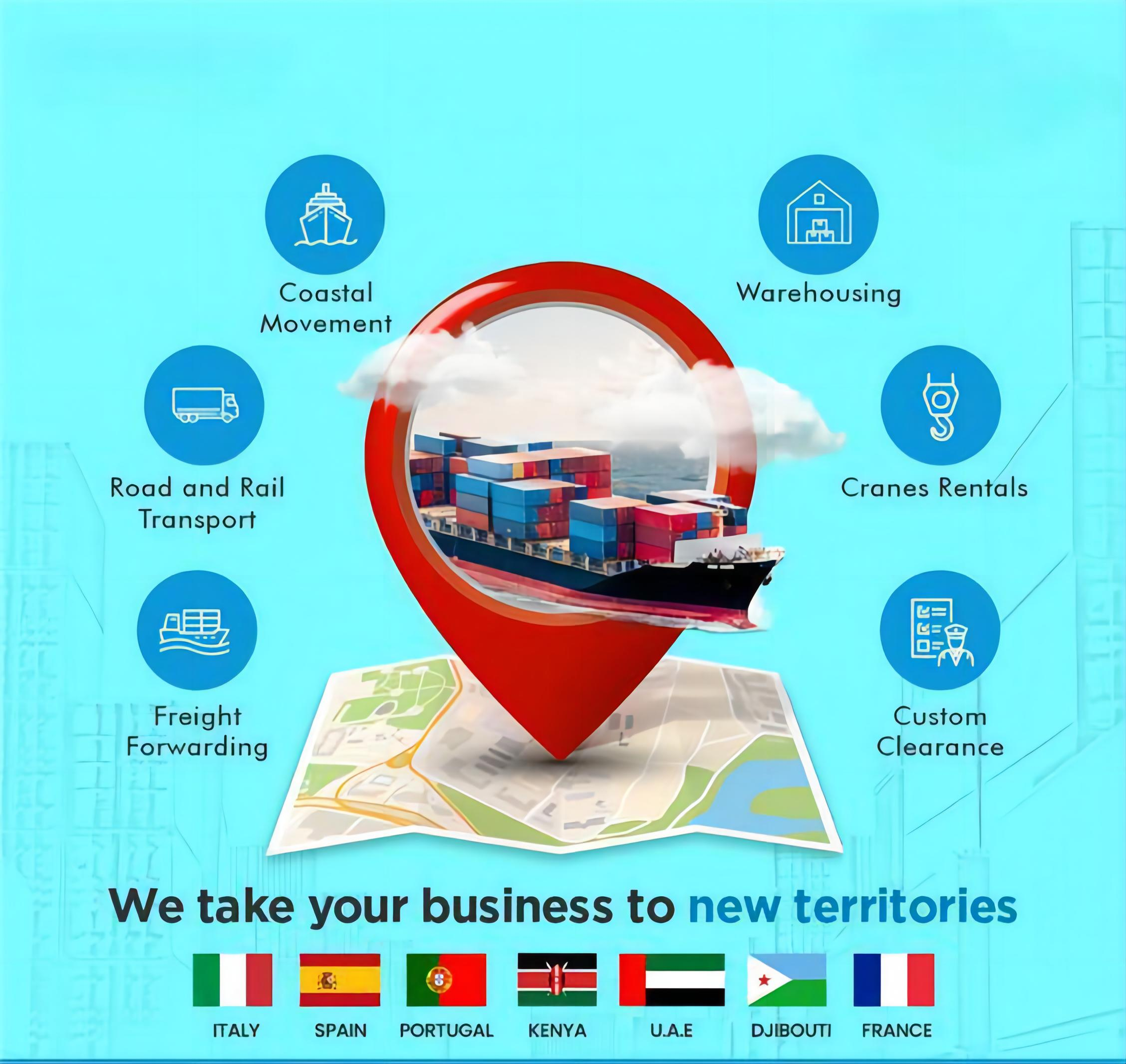
Selecting a comprehensive door to door delivery service eliminates the need for importers to coordinate multiple vendors. Furthermore, this model typically includes local drayage, international freight, and the critical last mile delivery to your specific European address. Most professional forwarders now offer real-time tracking to provide full visibility throughout the journey.
Integrated logistics solutions have become the standard for European businesses seeking to reduce overhead and simplify operations. Meanwhile, the forwarder takes responsibility for risk management and carrier selection to optimize both cost and speed. This end-to-end approach is particularly beneficial for small to medium enterprises that lack dedicated logistics departments.
The Role of DDP and DAP Incoterms
Understanding Incoterms is vital when arranging a freight forwarder china to Europe door delivery shipment. Delivered Duty Paid (DDP) means the seller or forwarder handles all costs, including duties and taxes, until the goods reach the buyer. Alternatively, Delivered at Place (DAP) requires the buyer to manage import VAT and duties upon arrival.
Choosing DDP is often the preferred strategy for e-commerce sellers using Amazon FBA services. This ensures that the shipment arrives at the fulfillment center with all financial obligations settled. However, DAP may offer more tax flexibility for established European companies with their own VAT deferment accounts.
What are the Primary Shipping Methods to Europe?
Shipping from China to Europe involves three main corridors: the traditional maritime route, the trans-continental rail network, and the high-speed air bridge. Each method offers a different balance of transit time and cost-effectiveness based on your specific cargo requirements. Consequently, businesses must evaluate their inventory turnover and budget before selecting a carrier.
Ocean transport remains the backbone of global trade due to its massive capacity and low per-unit cost. For large volumes, sea freight is the most economical choice for transporting heavy machinery or retail goods. Nevertheless, the longer transit times require careful planning to maintain consistent stock levels in the European market.
| Shipping Method | Average Transit Time | Cost Level | Best For |
|---|---|---|---|
| Sea Freight (FCL) | 35-45 Days | Low | Bulk goods and heavy items |
| Rail Freight | 18-24 Days | Moderate | Electronics and automotive parts |
| Air Freight | 5-9 Days | High | High-value or urgent cargo |
| Express Courier | 3-5 Days | Very High | Samples and small parcels |
Why Choose Rail Freight for Door Delivery?
Rail transport has emerged as a powerful middle-ground solution for the freight forwarder china to Europe door delivery route. Specifically, the China-Europe Railway Express connects major hubs like Chengdu and Xi’an directly to European terminals in Poland and Germany. This method is significantly faster than sea freight while remaining much cheaper than air transport.
Using rail freight allows companies to improve their cash flow by reducing the time capital is tied up in transit. Additionally, rail is often considered a greener alternative to air freight, aligning with 2026 sustainability goals. Many forwarders now offer LCL (Less than Container Load) rail services to accommodate smaller shipments that still require speed.
Is Air Freight Practical for Door to Door Shipping?
Urgent shipments often necessitate the speed of air freight to meet tight deadlines or product launch dates. Although the costs are higher, the reduction in transit time can prevent costly stockouts and improve customer satisfaction. Moreover, air transport provides the highest level of security for sensitive or high-value electronics.
Standard air cargo services usually deliver to the airport, but a door delivery package includes the final truck transport. If your shipment is under 100kg, using an express service might be even more efficient. These courier options provide a seamless transition from the Chinese factory to the European doorstep with minimal paperwork for the importer.
How Does Sea Freight Compare to Other Shipping Options?
Analyzing the trade-offs between maritime and overland routes is essential for optimizing your 2026 logistics budget. While sea freight costs $3,000-4,200 for a 40HQ container, air freight for the same volume could exceed $25,000. Therefore, sea freight is the clear winner for non-urgent, high-volume shipments that can withstand a 40-day lead time.
Direct routes from Shenzhen to Rotterdam cost roughly 15% more than transshipment options but save nearly a week in transit. For shipments under 15 CBM, LCL sea freight at $60-90 per CBM is often more economical than booking a full container. Businesses should weigh the risk of congestion at major ports against the savings offered by slower, indirect services.
| Method | Cost Range (2026) | Transit Time | Limitations |
|---|---|---|---|
| Direct Sea | $3,500 – $4,500 | 32-38 Days | Higher price than transshipment |
| Transship Sea | $2,800 – $3,600 | 42-50 Days | Higher risk of delays |
| Sea-Air Hybrid | $8,000 – $12,000 | 18-22 Days | Complex documentation |
Navigating Customs and Documentation in Europe
Successful import operations depend heavily on accurate customs brokerage to avoid fines and seizures. European customs authorities require specific documents, including the Commercial Invoice, Packing List, and Bill of Lading. Furthermore, 2026 regulations emphasize the correct classification of goods using HS codes to determine precise duty rates.
Importing into the European Union also involves navigating the VAT system and potential anti-dumping duties on certain products. Consequently, a freight forwarder china to Europe door delivery expert will review your paperwork before the cargo leaves China. This proactive approach ensures that all compliance standards, such as CE marking or REACH certifications, are met in advance.
Essential Customs Checklist
Every shipment must have a valid EORI number registered in the destination country to clear customs. In addition, the Certificate of Origin may be required to qualify for preferential tariff rates under specific trade agreements. Maintaining a digital archive of all customs entries is a best practice for future audits and tax compliance.
Case Studies: Real-World Door Delivery Examples
Case Study 1: Solar Panel Distribution. Route: Ningbo, China to Munich, Germany. Cargo: Solar modules, 28 CBM, 12,000 kg. Container: 40GP. Shipping Details: MSC direct sea service via Hamburg. Cost Breakdown: Ocean Freight $3,200, Origin Charges $450, Destination Charges $600, Total Landed Cost $4,250. Timeline: 42 days door-to-door. Key Insight: Early booking during the 2025 Q4 peak season secured a rate 15% below the market average.
Case Study 2: Fast Fashion Inventory. Route: Guangzhou, China to Paris, France. Cargo: Apparel, 5 CBM, 800 kg. Method: Rail Freight LCL. Shipping Details: Trans-Siberian route via Warsaw. Cost Breakdown: Freight $1,100, Customs $300, Delivery $250, Total $1,650. Timeline: 24 days door-to-door. Key Insight: Rail provided the necessary speed to meet seasonal fashion trends without the extreme cost of air transport.
Case Study 3: Electronics Launch. Route: Shenzhen, China to London, UK. Cargo: Smart home devices, 2 CBM, 400 kg. Method: Air Freight. Shipping Details: Direct flight to LHR. Cost Breakdown: Air Freight $2,800, Duties $1,200, Last Mile $150, Total $4,150. Timeline: 7 days door-to-door. Key Insight: Air freight was essential for a synchronized product launch across three European capitals.
Which Shipping Option Should You Choose?
Deciding on the best logistics strategy requires a clear understanding of your business priorities and cargo characteristics. If budget is your primary concern, sea freight remains the undisputed leader for large, heavy shipments. However, if you are handling high-value goods with a short shelf life, the speed of air or express services justifies the higher investment.
Volume thresholds often dictate when to switch from LCL to FCL shipping for better efficiency. Typically, if your cargo exceeds 15 CBM, booking a full 20GP container becomes more cost-effective than paying per cubic meter. For mid-range urgency, rail freight offers a strategic advantage by cutting transit times in half compared to the ocean route for a moderate price increase.
2026 Market Trends for China to Europe Logistics
Current market data suggests that freight rates have stabilized in early 2026 following the disruptions of previous years. However, seasonal peaks during the Golden Week in October and the weeks leading up to Chinese New Year still cause temporary price spikes. Smart shippers are increasingly using shipping from China to Europe data to predict these fluctuations and book capacity early.
Sustainability is no longer optional, as new European carbon taxes impact the total cost of transport. Carriers are investing in LNG-powered vessels and electric last-mile delivery vans to meet these stringent environmental standards. Consequently, forwarders who offer carbon-neutral shipping options are becoming the preferred partners for ESG-conscious European enterprises.
Mastering Your China to Europe Logistics Strategy
Successfully managing a freight forwarder china to Europe door delivery requires a deep understanding of transit modes, customs regulations, and market timing. By leveraging sea, rail, or air freight appropriately, you can balance cost and speed to maintain a competitive edge. Remember that the cheapest option is not always the most efficient if it results in stockouts or customs delays.
Partnering with an experienced logistics provider ensures that your cargo is handled with professional care from the factory floor to the final destination. As we move through 2026, staying adaptable and informed about industry trends will be the key to navigating the evolving trade landscape between China and Europe. Focus on building a resilient supply chain that can withstand global shifts while delivering consistent value to your customers.
Start Your Shipment
Streamline your international supply chain today with our expert freight forwarder china to Europe door delivery services. Our team provides transparent pricing and reliable schedules tailored to your specific business needs. Contact us now to receive a customized quote and experience hassle-free logistics from China to your doorstep. Send Inquiry: sales@globalchinafreight.com
Request Quote