


Container Shipping China 20GP 40HC Cost Estimator for 2026
Navigating the complexities of international logistics requires precise budgeting and reliable data to maintain profitability. If you are planning to move goods from Asia, utilizing a container shipping china 20GP 40HC cost estimator is essential for accurate financial forecasting. Global China Freight provides the expertise needed to manage these shipments efficiently while minimizing unexpected expenses in the 2026 market.

What Factors Define the Container Shipping China 20GP 40HC Cost Estimator
Understanding the primary drivers of ocean freight pricing is the first step toward effective supply chain management. Market demand, fuel costs, and seasonal fluctuations significantly influence how a container shipping china 20GP 40HC cost estimator calculates your final price. Moreover, the availability of equipment at major ports like Shanghai or Ningbo can cause sudden shifts in weekly rates.
Consequently, shippers must account for more than just the base ocean freight when planning their budgets. Port handling charges, documentation fees, and local drayage costs at both origin and destination add layers of complexity. Furthermore, the 2026 logistics landscape has seen new environmental surcharges that reflect the industry’s shift toward greener shipping practices.
Accurate estimations also depend on the specific container type selected for the journey. A standard 20GP container is often ideal for heavy, dense cargo such as machinery or tiles. In contrast, the 40HC container offers significantly more volume, making it the preferred choice for lightweight or bulky consumer goods.
Therefore, selecting the right container size directly impacts your cost per unit. Utilizing sea freight services allows businesses to leverage economies of scale that are unavailable through other transport methods. This approach ensures that your logistics strategy remains competitive in an increasingly globalized marketplace.
Comparing 20GP and 40HC Container Specifications
Choosing between a 20GP and a 40HC container requires a deep understanding of their physical capacities. A 20GP container typically holds about 28 to 30 cubic meters of cargo, which is suitable for many small to medium enterprises. Meanwhile, the 40HC container provides approximately 76 cubic meters, offering nearly double the volume for a relatively small price increase.
Additionally, the height difference between a standard 40GP and a 40HC is approximately one foot. This extra vertical space is crucial for shippers who need to stack pallets or move oversized equipment. Consequently, the 40HC has become the industry standard for most long-haul routes from China to North America and Europe.
Nevertheless, weight limitations are often more restrictive for the larger 40HC containers. Most maritime regulations limit the total weight of a 40HC to a level similar to that of a 20GP. As a result, shippers moving heavy materials like stone or liquids often find the 20GP to be a more cost-effective solution.
| Container Type | Internal Volume | Max Payload | Best Used For |
|---|---|---|---|
| 20GP (Standard) | 33.2 CBM | 25,000 kg | Heavy/Dense Goods |
| 40GP (Standard) | 67.7 CBM | 26,500 kg | General Cargo |
| 40HC (High Cube) | 76.3 CBM | 26,500 kg | Light/Bulky Goods |
How Does Sea Freight Compare to Other Shipping Options
Evaluating alternative transport modes is vital for optimizing your delivery schedule and budget. While ocean freight is the most economical choice for large volumes, it lacks the speed of air or rail alternatives. Specifically, a shipment from China to Europe might take 35 days by sea but only 18 days by rail.
Moreover, the cost difference between these methods can be substantial depending on the current market. Air freight remains the most expensive option, often costing five to ten times more than sea freight for the same volume. However, for high-value electronics or urgent medical supplies, the speed of air transport justifies the premium price.
Hybrid solutions like sea-air or rail-sea combinations have also gained popularity in 2026. These strategies allow shippers to balance cost and speed by using different modes for different segments of the journey. For instance, shipping by sea to a regional hub and then by air to the final destination can save both time and money.
| Shipping Method | Cost Range (USD) | Transit Time | Best For |
|---|---|---|---|
| Sea Freight (FCL) | $1,500 – $4,500 | 15 – 40 Days | Large Volume/Bulk |
| Rail Freight | $3,000 – $6,000 | 15 – 22 Days | Mid-range Speed |
| Air Freight | $8,000 – $25,000 | 3 – 7 Days | Urgent/High Value |
Estimated 2026 Freight Rates for Major Routes
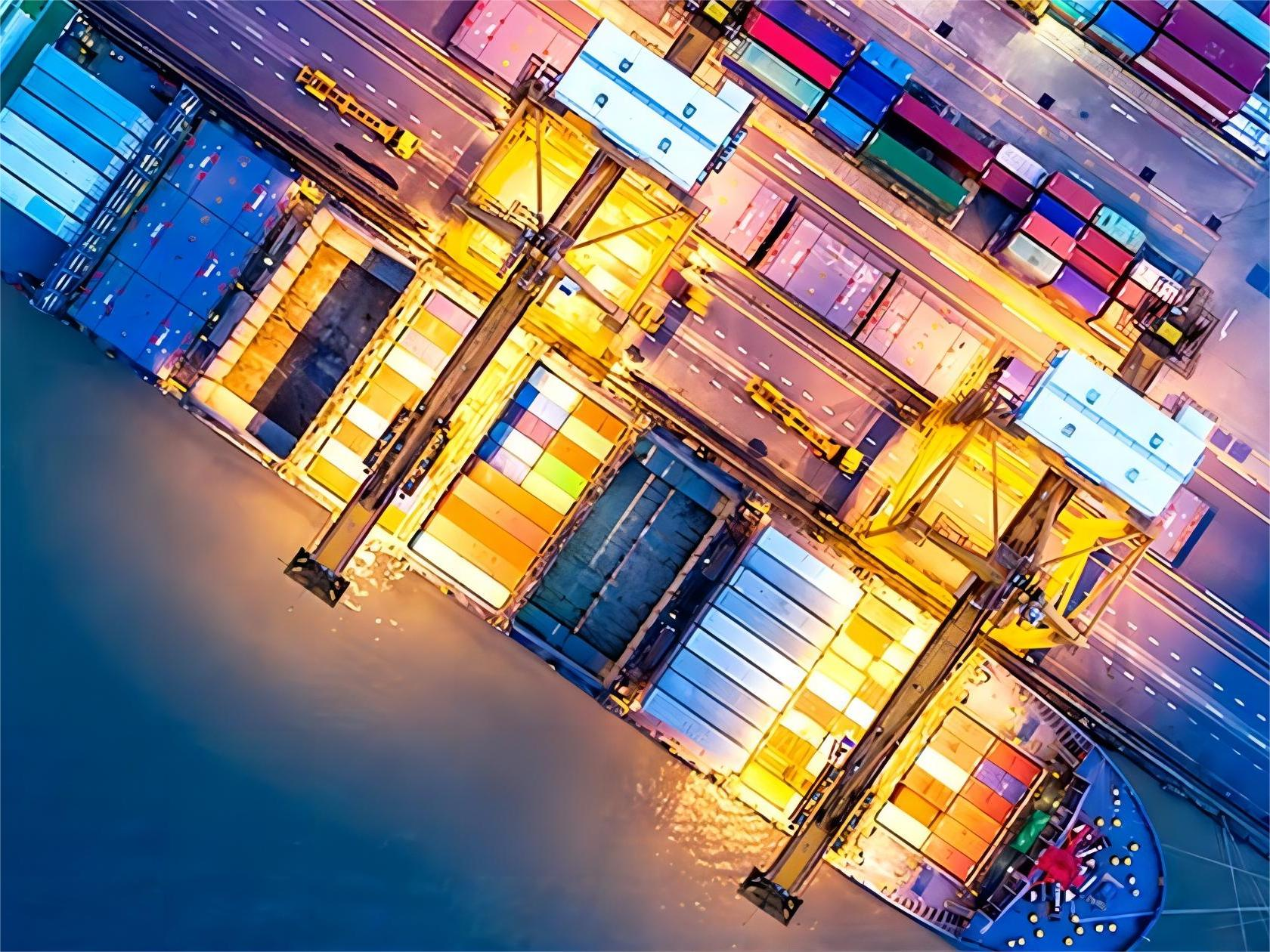
Predicting shipping costs involves analyzing current market trends and historical data. As of early 2026, freight rates have stabilized following the volatility seen in previous years. Specifically, the route from China to the US West Coast remains one of the most competitive corridors in the world.
Furthermore, rates to Europe and the Mediterranean are influenced by regional canal fees and seasonal demand. During the peak season from August to October, prices often rise by 20 percent or more. Therefore, booking your shipments well in advance is a proven strategy for securing lower rates and guaranteed space on vessels.
Shipments to Australia and Southeast Asia generally offer shorter transit times and lower costs compared to transpacific routes. However, regional port congestion can still impact the final delivery date. Consequently, working with a provider that offers comprehensive customs brokerage services is essential for avoiding delays.
| Route (From China) | 20GP Cost | 40HC Cost | Transit Time |
|---|---|---|---|
| To USA West Coast | $1,800 – $2,400 | $2,900 – $3,800 | 14-18 Days |
| To USA East Coast | $2,800 – $3,600 | $4,600 – $5,900 | 28-35 Days |
| To Northern Europe | $2,100 – $2,700 | $3,400 – $4,400 | 30-38 Days |
| To Australia | $900 – $1,300 | $1,500 – $2,100 | 12-18 Days |
Case Study Analysis: Real World Shipping Scenarios
Examining real-world examples provides valuable insight into the practical application of a container shipping china 20GP 40HC cost estimator. In our first case, a furniture retailer moved a 40HC container from Shenzhen to Los Angeles. The total landed cost was $4,200, including local drayage and customs clearance, with a transit time of 17 days.
Specifically, the retailer saved approximately $800 by choosing a 40HC over two 20GP containers. This decision was based on the bulky nature of the furniture, which maximized the internal volume of the high-cube unit. Consequently, the cost per unit of furniture was reduced by 15 percent, significantly improving their retail margins.
In a second case, a machinery manufacturer shipped a 20GP container from Ningbo to Hamburg. Because the cargo was extremely heavy, the 20GP was the only viable option to stay within maritime weight limits. The total cost reached $2,950, and the shipment arrived within the 34-day window despite minor port delays in Europe.
Ultimately, these cases highlight the importance of matching the container type to the specific needs of the cargo. Utilizing door to door shipping services further simplified the process for these businesses by centralizing all logistics tasks under one provider. This integrated approach minimizes the risk of communication errors between different carriers.
Which Container Option Should You Choose
Determining the best shipping method requires a careful analysis of your specific business priorities. If your primary goal is to minimize costs and you have a large volume of goods, the 40HC container is almost always the superior choice. However, if you are shipping smaller batches or very heavy materials, the 20GP may be more appropriate.
Moreover, businesses selling on platforms like Amazon must consider specific warehouse requirements. Using Amazon FBA shipping services ensures that your containers are packed and labeled according to strict guidelines. This prevents costly rejection of goods at the fulfillment center and speeds up the inventory availability process.
Budget priority usually leads shippers toward sea freight, while speed priority necessitates air or rail options. Additionally, you should consider the nature of your cargo, such as whether it requires temperature control or specialized handling. In conclusion, the right choice depends on a balance of volume, weight, urgency, and total budget.

Maximizing Efficiency with a Cost Estimator
Implementing a digital cost estimator into your planning phase allows for rapid comparison of different shipping scenarios. These tools provide instant feedback on how changes in port selection or container type affect your bottom line. Furthermore, they help identify hidden fees that might not be immediately apparent in a standard quote.
Additionally, a reliable estimator will include current fuel surcharges and currency adjustment factors. This level of detail is crucial for maintaining accurate financial records and avoiding end-of-month budget surprises. Consequently, many successful importers use these tools as a cornerstone of their procurement strategy.
Indeed, the transparency provided by a container shipping china 20GP 40HC cost estimator builds trust between shippers and freight forwarders. By having a clear breakdown of all charges, you can negotiate better terms and ensure you are receiving fair market value. Ultimately, this data-driven approach leads to a more resilient and efficient global supply chain.
Final Thoughts on Container Shipping Costs
Successfully managing international trade requires a proactive approach to logistics and cost control. By utilizing a container shipping china 20GP 40HC cost estimator, you can gain the clarity needed to make informed decisions about your cargo. Whether you are moving high-volume goods in a 40HC or heavy machinery in a 20GP, understanding the market dynamics of 2026 is essential.
Furthermore, partnering with a reliable freight forwarder ensures that your shipments are handled with care and delivered on time. Consequently, your business can focus on growth while the experts manage the complexities of global transportation. Start planning your next shipment today to take advantage of the most competitive rates available in the current market.
Need a tailored shipping solution?
Ready to optimize your logistics budget for 2026? Contact our team today to get a personalized quote and see how our container shipping china 20GP 40HC cost estimator can save you money on your next shipment. Send Inquiry today to get started.