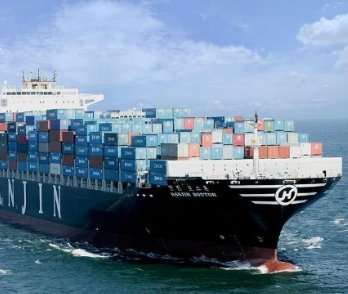
Many of our customers are based in Iraq, making it an important and rapidly growing market for our Middle East logistics services. Global China Freight has secured long-term contract rates with major carriers such as COSCO, OOCL, APL, EMC, MSK, and HMM. These strong partnerships allow us to offer highly competitive freight rates when shipping from China to key Iraqi ports, including Umm Qasr and Basra.
With Global China Freight as your logistics partner, shipping goods from China to Iraq becomes simple and worry-free. Just hand over your cargo to us, and our experienced team will manage the entire process—from pickup and export procedures to customs handling and final delivery to Baghdad, Erbil, Basra, Mosul, or any other destination. Our goal is to be your most reliable freight forwarder from China to Iraq. Request a better quote today.
Global China Freight provides reliable and cost-effective sea freight services from China to Iraq’s major ports, including Umm Qasr North, Umm Qasr South, and Basra. With long-term partnerships with COSCO, OOCL, APL, EMC, MSK, and HMM, we secure competitive freight rates and stable container availability. Whether shipping machinery, construction materials, home goods, textiles, or consumer products, our sea freight solutions ensure efficient and secure delivery across Iraq.

For urgent or high-value cargo, our air freight service offers fast, secure, and professional transport from China to Iraq. Global China Freight arranges optimal flight routes to Baghdad International Airport, Erbil International Airport, and Basra International Airport. From pickup and export procedures to customs clearance and final delivery, we manage the entire logistics chain—ideal for spare parts, electronics, medical supplies, and time-sensitive shipments.

Our door-to-door service provides complete end-to-end logistics support for importers in Iraq. Global China Freight handles factory pickup in China, export documentation, ocean or air transport, Iraqi customs processing, and last-mile delivery to Baghdad, Erbil, Basra, Najaf, Mosul, and beyond. With strong local agents and full shipment visibility, we ensure smooth and worry-free delivery even across complex customs and inland transport environments.

Global China Freight offers full-container-load (FCL) shipping supported by competitive carrier contracts and dependable space allocation. We manage container booking, loading supervision, export formalities, ocean shipping, and port handling upon arrival in Iraq. FCL shipping is perfect for bulk goods, machinery, building materials, electronics, and large commercial shipments requiring secure, predictable transport.
For smaller shipments, our less-than-container-load (LCL) service provides a flexible, budget-friendly solution. We consolidate cargo at major Chinese ports, arrange ocean transport to Umm Qasr or Basra, and handle customs clearance and final delivery in Iraq. LCL is ideal for SMEs, mixed-SKU shipments, e-commerce sellers, and businesses seeking affordable shipping without the need for a full container.
Global China Freight will provide most fuel efficient pickup service China
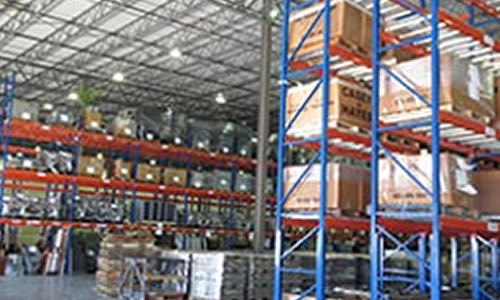
We provide free warehousing services for any of your goods.
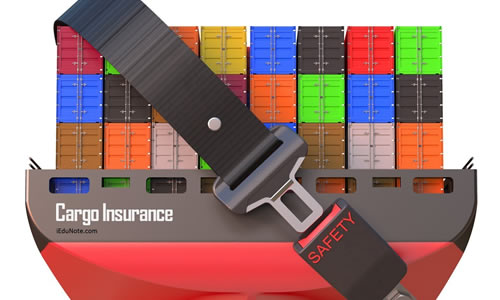
The cargo insurance protects your goods all the way to any Any FBA Warehouse

We handle all paperwork and other details for you.
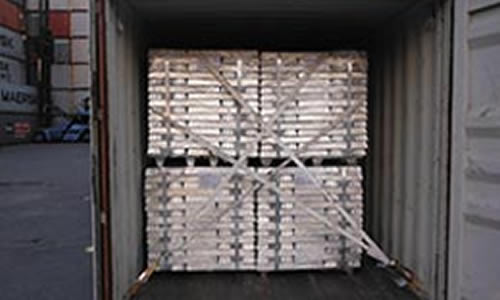
Ensure safe packaging and loading of goods in your suppliers' factory.
The shipping time from China to Iraq is influenced by the mode of transport (air or sea), the efficiency of logistics providers, customs processing times, and the distance between ports. Air freight is faster, but sea freight is more cost-effective.
Shipping costs depend on the mode of transport, cargo weight and volume, and any additional services like insurance or expedited handling. Air freight costs more than sea freight. For accurate pricing, request a quote from a freight forwarder with shipment details.
Yes, Iraq enforces specific import restrictions and regulations. Certain products may need special permits or meet particular standards. Verify with a customs broker or local authorities to ensure compliance with Iraqi import laws.
Use tracking numbers provided by your freight forwarder or carrier to monitor your shipment’s progress. Most carriers offer online tracking systems that provide real-time updates on the shipment's location and status.
Essential documents typically include a commercial invoice, packing list, bill of lading, and any required import permits or certificates. Ensure all documentation is accurate and complete to prevent delays at customs.
Although sea freight is slower, some expedited sea freight options can reduce transit time. For time-sensitive shipments, air freight remains the fastest option, but expedited sea services are available for less urgent needs.
Customs duties and taxes vary based on the nature and value of the goods. It is important to consult with a customs expert or refer to the latest tariff schedules to understand the specific duties and taxes applicable to your shipment.
Packaging should be robust and suitable for the cargo. Use quality materials to prevent damage during transit. Clearly label each package with handling instructions and destination information to ensure safe and efficient delivery.
Contact your freight forwarder or carrier immediately to inquire about the delay. They can provide updated information and an estimated delivery time. Ensure that all necessary documents are in order to avoid further issues.
Safety regulations include compliance with international shipping standards and specific Iraqi regulations. If shipping hazardous materials, follow safety guidelines meticulously and ensure all safety documentation is complete.
Operations deal with the way the vehicles are operated, and the procedures set for this purpose, and policies. In the transport industry, operat ions and ownership of infrastructure can be either country.