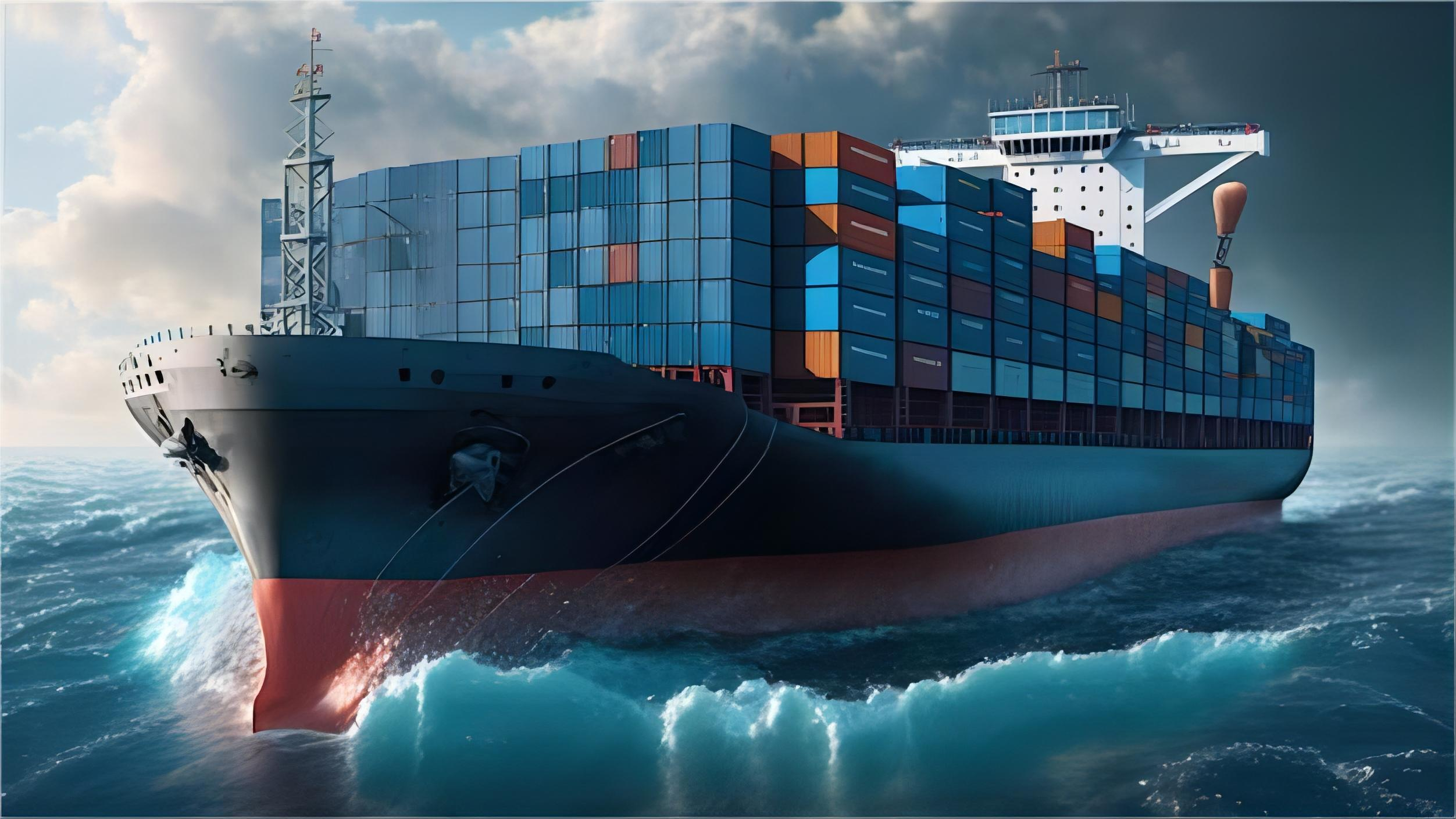


Import Shipping China to USA UK Freight Solutions for 2026
Managing international trade requires reliable import shipping China to USA UK freight solutions to maintain a competitive edge in today’s fast-paced market. Many businesses struggle with fluctuating costs and complex customs regulations that can delay delivery schedules significantly. Global China Freight offers comprehensive logistics management to help you navigate these challenges and ensure your cargo arrives safely and on time. This guide explores the most efficient methods for moving goods across major global trade lanes while minimizing expenses and maximizing reliability.
✦
Understanding the Landscape of Import Shipping China to USA UK Freight Solutions
Global trade dynamics in 2026 have shifted toward more resilient and diversified supply chain models. Consequently, selecting the right freight partner is more critical than ever for maintaining consistent inventory levels.
Shipping from China to the United States and the United Kingdom involves navigating different regulatory environments and port operations. Therefore, importers must understand the nuances of each route to avoid unexpected delays and additional fees.
Market data suggests that freight rates have stabilized after the disruptions of previous years, yet seasonal demand still impacts pricing. Specifically, the peak season from August to October often sees a 15-25 percent increase in ocean freight costs.
Modern logistics providers now offer integrated digital platforms to track shipments in real-time. As a result, businesses can better predict arrival times and manage their warehouse operations with greater precision.
How Does Sea Freight Compare to Other Shipping Options?
Choosing between different transport modes depends heavily on your budget, cargo volume, and required transit speed. While sea freight remains the most cost-effective choice for large volumes, it offers the longest transit times.
Moreover, ocean transport is ideal for bulky items or heavy machinery that would be prohibitively expensive to send by air. In contrast, smaller high-value shipments often benefit from the speed of air cargo services.
Rail freight has emerged as a viable middle ground for China-to-UK routes, offering faster delivery than sea and lower costs than air. However, this option is currently unavailable for shipments destined for the United States due to geographical constraints.
Importers should also consider hybrid solutions like sea-air combinations to balance cost and speed. For example, moving goods by sea to a hub like Dubai and then by air to Europe can save significant time compared to a full ocean voyage.
| Shipping Method | Cost Range | Transit Time | Best For | Limitations |
|---|---|---|---|---|
| Sea Freight (FCL) | Low ($2,500-$5,000) | 25-40 Days | Bulk Goods | Slowest Speed |
| Air Freight | High ($5-$12/kg) | 3-7 Days | Urgent Cargo | Weight Limits |
| Rail Freight (UK) | Medium ($3,500-$6,000) | 18-22 Days | Mid-size Volume | Regional Only |
| Express Service | Very High ($10+/kg) | 2-5 Days | Small Samples | Expensive |
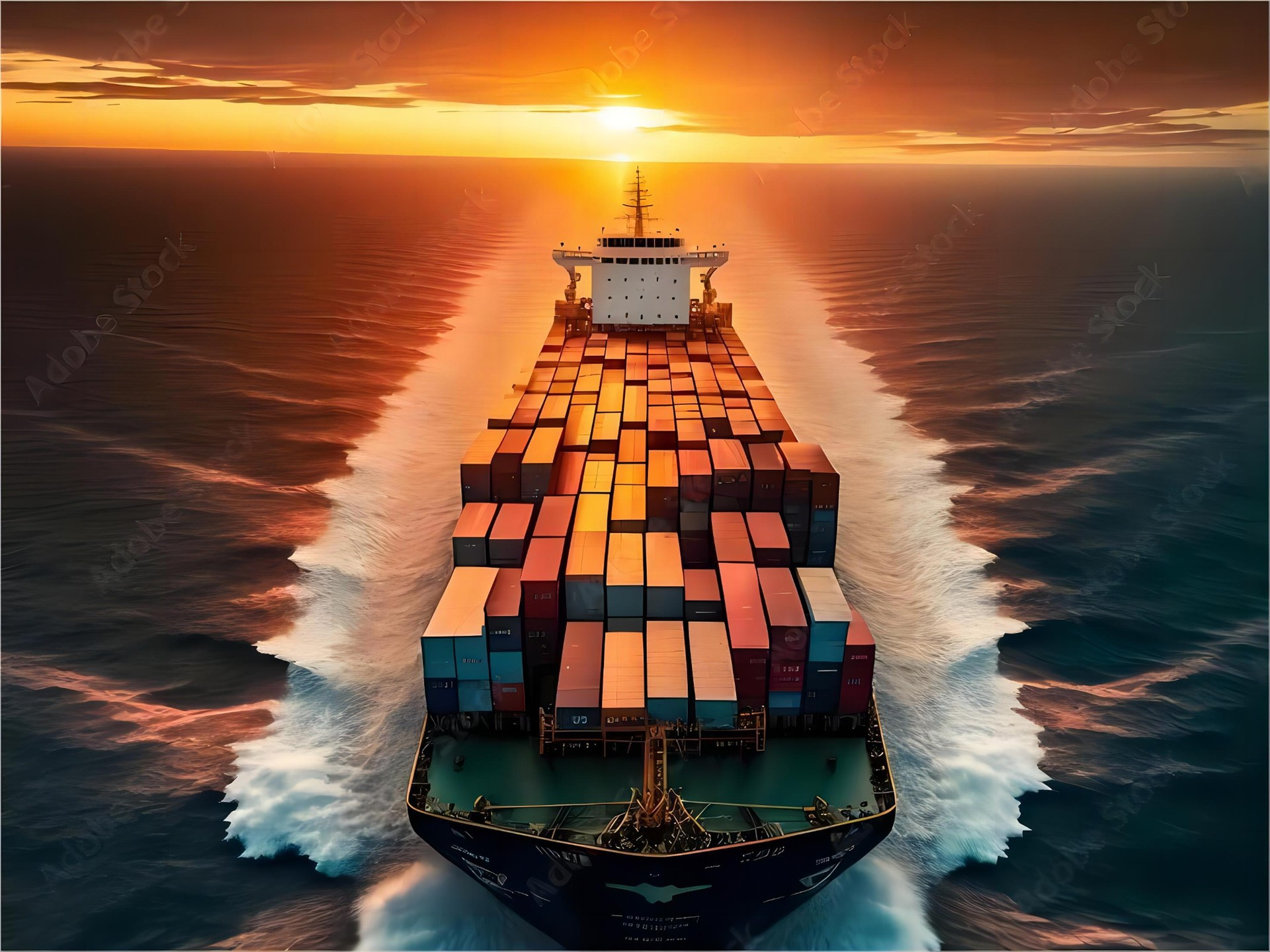
Maximizing Efficiency with Air Freight and Express Services
Time-sensitive shipments require the rapid turnaround provided by air freight solutions. This method is particularly popular for electronics, fashion items, and seasonal products that must hit shelves quickly.
Furthermore, air transport reduces the risk of damage and theft because the goods spend less time in transit and are handled more efficiently. Consequently, insurance premiums for air cargo are often lower than those for ocean freight.
Businesses often utilize express shipping for urgent documents or product prototypes. Indeed, these services provide door-to-door convenience with integrated customs clearance, making them perfect for smaller e-commerce orders.
Nevertheless, the carbon footprint of air transport is significantly higher than other methods. Therefore, companies with strict sustainability goals may prefer to limit air freight to only the most critical shipments.
Navigating Customs Brokerage and Compliance in 2026
Successful international trade depends on a seamless customs brokerage process to prevent costly border delays. Each country has specific documentation requirements that must be met with absolute accuracy.
Typically, you will need a commercial invoice, packing list, and bill of lading for every shipment. Additionally, certain products may require specialized certificates of origin or safety permits depending on the destination country’s laws.
Customs duties and taxes can significantly impact the total landed cost of your goods. As a result, working with an experienced broker helps ensure that your products are classified correctly under the Harmonized System (HS) codes.
Moreover, staying updated on trade agreements between China and the USA or UK is essential. For instance, changes in tariff structures can occur suddenly, requiring quick adjustments to your pricing and sourcing strategies.
| Document Type | Purpose | Required For | Issuer |
|---|---|---|---|
| Bill of Lading | Title of Goods | All Shipments | Carrier |
| Commercial Invoice | Value Declaration | Customs Clearance | Shipper |
| Packing List | Cargo Details | Inspection | Shipper |
| CO Certificate | Origin Proof | Tariff Benefits | Chamber of Commerce |
The Advantages of Door to Door Freight Solutions
Many importers prefer door to door services because they simplify the entire logistics chain. This all-inclusive option covers everything from factory pickup in China to final delivery at your warehouse.
By using a single provider for the whole journey, you reduce the risk of communication errors between different carriers. Furthermore, this approach often results in more predictable pricing and clearer accountability if issues arise.
Drayage services play a vital role in this process by moving containers from the port to inland destinations. Consequently, having a provider with a strong local trucking network is essential for efficient last-mile delivery.
Indeed, for smaller businesses without dedicated logistics teams, door-to-door solutions are often the most practical choice. They allow you to focus on sales and marketing while the freight forwarder handles the operational complexities.
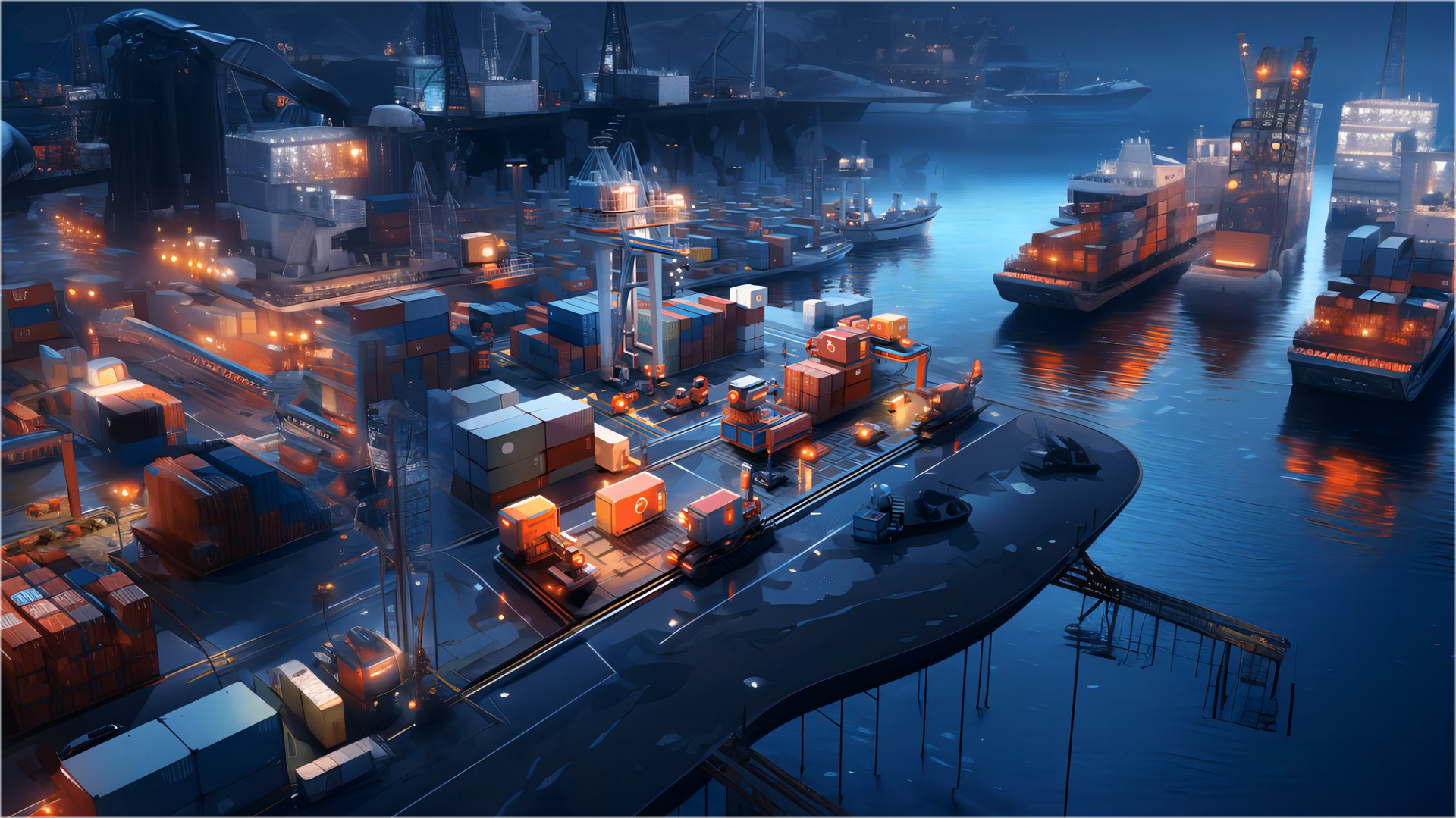
Shipping to North America: Market Trends and Port Insights
When importing to North America, port selection is a major factor in determining both cost and transit time. West Coast ports like Los Angeles and Long Beach generally offer the fastest routes from China.
However, East Coast ports such as New York and Savannah have become increasingly popular to avoid inland congestion. Meanwhile, the expansion of the Panama Canal has made all-water routes to the East Coast more competitive and reliable.
According to industry benchmarks, transit times to the West Coast currently average 14 to 18 days. In contrast, shipping to the East Coast via the canal typically takes 30 to 35 days but may reduce overall trucking costs for inland destinations.
Importers should also monitor labor negotiations at major ports, as these can lead to temporary slowdowns. Therefore, maintaining a flexible logistics strategy that includes alternative entry points is highly recommended for 2026.
2026 Price Reference and Market Intelligence
Freight rates are currently influenced by fuel price fluctuations and global economic stability. As of early 2026, the market has seen a moderate increase in capacity as new container ships enter service.
Specifically, FCL (Full Container Load) rates from Ningbo to Felixstowe are currently ranging between $3,200 and $4,200 for a 40GP container. For LCL (Less than Container Load) shipments, prices are often calculated per cubic meter, making it affordable for smaller batches.
Note: Freight rates are subject to change based on fuel costs, carrier capacity, and seasonal demand. Contact us for a current quote tailored to your specific shipment.
Furthermore, businesses should be aware of the ‘General Rate Increases’ (GRI) that carriers often implement at the start of each month. Consequently, booking your shipments at least two weeks in advance can help secure better rates and guaranteed space.
| Route | 20GP Container | 40HQ Container | Transit Time |
|---|---|---|---|
| China to USA West | $1,600 – $2,300 | $2,900 – $3,900 | 14-18 Days |
| China to USA East | $2,600 – $3,600 | $4,600 – $6,100 | 30-35 Days |
| China to UK | $2,100 – $2,900 | $3,600 – $4,600 | 30-38 Days |
| China to Australia | $900 – $1,300 | $1,500 – $2,100 | 12-18 Days |
Real-World Case Studies for Import Shipping China to USA UK Freight Solutions
Examining real-world examples helps importers understand the practical application of different freight strategies. These cases illustrate how specific choices impact the final landed cost and delivery timeline.
Case Study 1: Electronics to California. | Route: Shenzhen to Los Angeles | Cargo: Consumer Electronics, 28 CBM, 4500 kg | Container: 40HQ | Carrier: Major Carrier | Port of Loading: Shenzhen | Port of Discharge: Los Angeles | Route Type: Direct | Ocean Freight: $3,200 | Origin Charges: $450 | Destination Charges: $600 | Customs: $1,200 | Total Landed Cost: $5,450 | Sea Transit: 16 days | Total Door-to-Door: 24 days | Key Insight: Direct routing saved 5 days compared to transshipment options.
Case Study 2: Home Decor to London. | Route: Ningbo to Felixstowe | Cargo: Wooden Furniture, 12 CBM, 1800 kg | Container: LCL | Carrier: Major Carrier | Port of Loading: Ningbo | Port of Discharge: Felixstowe | Route Type: Transshipment via Singapore | Ocean Freight: $1,100 | Origin Charges: $300 | Destination Charges: $550 | Customs: $800 | Total Landed Cost: $2,750 | Sea Transit: 34 days | Total Door-to-Door: 45 days | Key Insight: LCL was 40 percent cheaper than booking a full 20GP container for this volume.
Based on Q1 2026 market rates, these examples reflect typical costs for standard cargo. However, specialized goods like hazardous materials or oversized equipment will incur additional surcharges and require extra documentation.
Which Option Should You Choose? Decision Framework
Selecting the best import shipping China to USA UK freight solutions requires a clear understanding of your business priorities. If your primary goal is cost reduction and you have flexible timelines, sea freight is the clear winner.
On the other hand, if you are launching a new product or replenishing out-of-stock items, the speed of air freight justifies the higher expense. Additionally, consider the value-to-weight ratio of your products when making this decision.
Volume thresholds also play a role in choosing between FCL and LCL. Generally, if your shipment exceeds 15 cubic meters, booking a full 20GP container becomes more economical than paying for LCL space.
Finally, always factor in the reliability of the carrier and the expertise of your freight forwarder. A slightly higher rate may be worth paying if it ensures better communication and fewer logistical headaches during the journey.
Mastering Your Freight Strategy for 2026
Successfully managing import shipping China to USA UK freight solutions requires a combination of strategic planning and expert execution. By understanding the differences between sea, air, and rail freight, you can make informed decisions that benefit your bottom line.
Furthermore, focusing on customs compliance and selecting the right ports will help you avoid unnecessary delays and fees. As global trade continues to evolve, staying adaptable and informed is the key to long-term logistics success.
Ultimately, partnering with a professional freight forwarder like Global China Freight ensures that your cargo is handled with care and arrives at its destination efficiently. Start planning your next shipment today to take advantage of the latest market trends and competitive rates.
Streamline your global supply chain today with our expert import shipping China to USA UK freight solutions. Contact the team at Global China Freight to receive a customized quote and discover how we can optimize your logistics operations for 2026. Visit our website to start your inquiry now.
Request Quote