

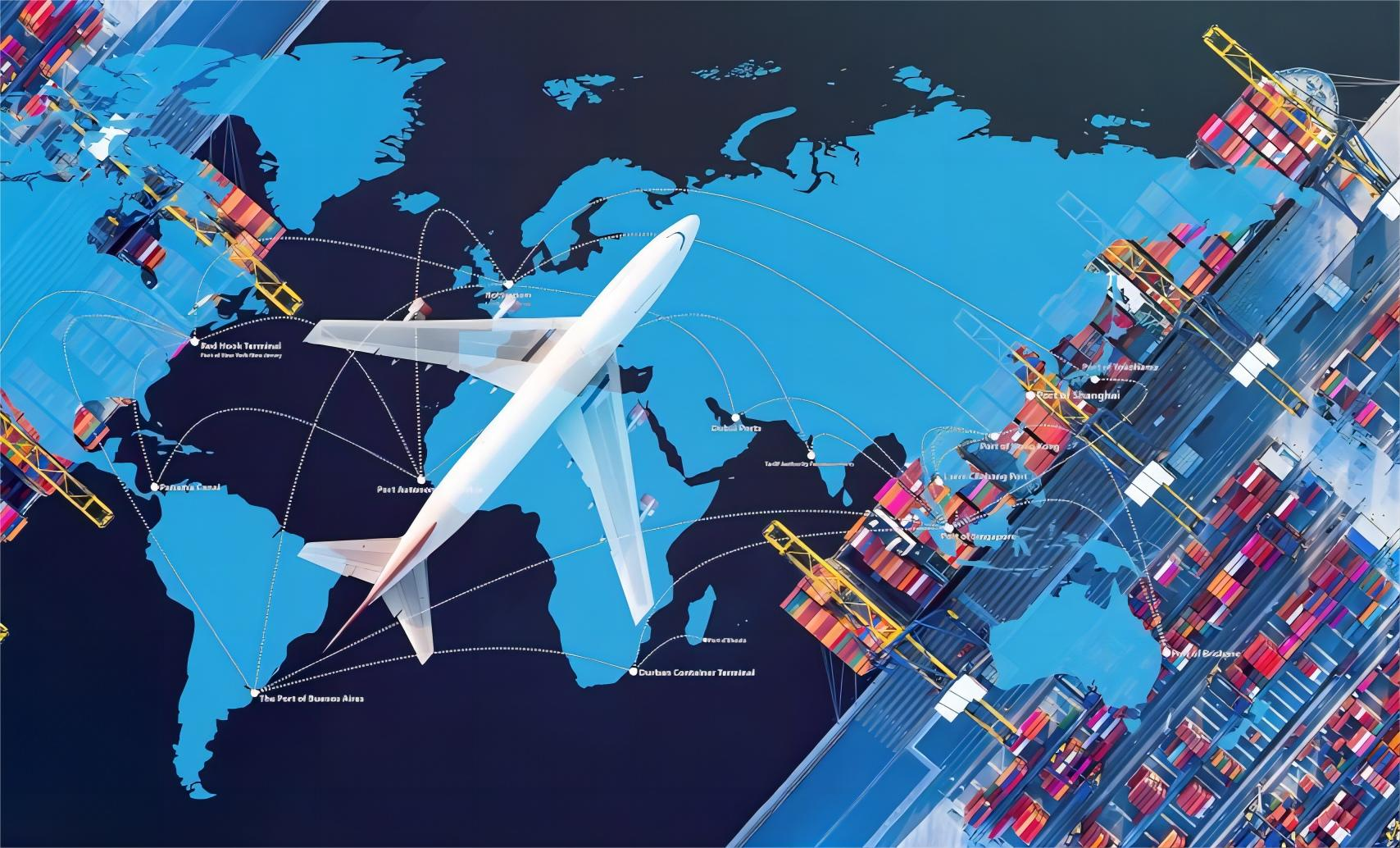
Container Shipping China to Australia Quote: 2026 Cost Guide
Navigating the complexities of international logistics requires a clear understanding of current market dynamics and pricing structures. Obtaining a precise container shipping China to Australia quote is the first step for businesses looking to optimize their supply chain efficiency in 2026. At Global China Freight, we provide comprehensive logistics solutions tailored to the unique demands of the Australian market. This guide explores the essential factors influencing freight costs, from port selections to seasonal fluctuations, ensuring you make informed decisions for your cargo.
What Factors Determine Your Container Shipping China to Australia Quote?
Several variables contribute to the final price reflected in your shipping estimate. Firstly, the choice between sea freight and other modes significantly impacts the base rate. Ocean freight remains the most cost-effective method for large volumes, although it is subject to various surcharges like the Bunker Adjustment Factor (BAF).
Secondly, the distance between the specific port of loading in China and the port of discharge in Australia dictates the transit time and fuel consumption. For instance, shipping from Shenzhen to Brisbane is typically faster and cheaper than shipping from Tianjin to Perth. Additionally, seasonal demand cycles, such as the peak period before the Chinese New Year, can cause rates to spike by 20% or more.
Thirdly, the type of cargo and the required container equipment play a crucial role in pricing. Standard dry containers are the norm, but specialized goods may require reefers or open-top containers, which command a premium. Furthermore, local charges at both ends, including terminal handling fees and documentation costs, must be factored into any comprehensive quote.
How Do FCL and LCL Costs Compare for the Australia Route?
Choosing between Full Container Load (FCL) and Less than Container Load (LCL) is a pivotal decision for any importer. FCL is generally preferred for shipments that can fill a 20ft or 40ft container, offering better security and faster handling. Conversely, LCL allows businesses to share container space, making it ideal for smaller volumes under 15 cubic meters.
Market data from early 2026 suggests that while FCL offers a lower cost per unit of volume, LCL provides the flexibility needed for lean inventory management. However, LCL shipments often incur higher destination charges because of the need for deconsolidation at the Australian port. Consequently, businesses must weigh the upfront savings of LCL against the potential for longer transit times and higher handling fees.
Moreover, the current shipping from China to Australia landscape shows that FCL rates have remained relatively stable throughout the first quarter of 2026. This stability allows for more predictable budgeting for large-scale operations. For those moving smaller quantities, LCL remains a vital alternative strategy to maintain consistent stock levels without the high cost of air transport.
| Feature | Full Container Load (FCL) | Less than Container Load (LCL) | Best For |
|---|---|---|---|
| Cost Structure | Flat rate per container | Price per CBM/Weight | Volume dependent |
| Transit Time | Direct and faster | Slower (includes consolidation) | Urgency level |
| Risk Factor | Lower (sealed container) | Moderate (shared space) | Fragile goods |
| Avg. Price (20GP/CBM) | $900 – $1,300 | $40 – $85 per CBM | Budget planning |
What Are the Typical Transit Times for Sea Freight to Australia?
Timing is just as critical as cost when requesting a container shipping China to Australia quote. Typically, direct services from major Chinese hubs like Shanghai or Ningbo to East Coast Australian ports take between 12 and 18 days. Meanwhile, shipments destined for Adelaide or Fremantle in Western Australia may take slightly longer depending on the carrier’s rotation.
Reliability has improved in 2026 as carriers have optimized their schedules to avoid previous bottlenecks. Nevertheless, unforeseen weather events or port congestion can still introduce delays of 3 to 5 days. For businesses requiring maximum speed, door to door services provide a streamlined timeline by managing every step from the factory floor to the final warehouse.
In addition to the sea voyage, importers must account for the time required for customs clearance and land transport. While the ocean transit is the longest phase, the pre-carriage and on-carriage stages add another 5 to 7 days to the total door-to-door timeline. Therefore, planning for a 25-30 day total window is advisable for most standard sea freight shipments.
| China Port | Sydney/Melbourne | Brisbane | Perth (Fremantle) |
|---|---|---|---|
| Shenzhen/Guangzhou | 12-15 Days | 14-17 Days | 18-22 Days |
| Shanghai/Ningbo | 14-18 Days | 16-20 Days | 20-25 Days |
| Qingdao/Tianjin | 18-22 Days | 20-24 Days | 25-30 Days |

How Does Sea Freight Compare to Other Shipping Options?
Evaluating alternatives is essential to ensure your logistics strategy aligns with your business goals. While sea freight is the dominant choice for the China-Australia route, air freight offers an unmatched speed advantage for high-value or time-sensitive items. However, the cost of air freight is significantly higher, often making it prohibitive for bulky commodities.
As of early 2026, the price gap between sea and air has widened slightly due to increased fuel surcharges in the aviation sector. For instance, a shipment that costs $1,200 by sea might cost upwards of $8,000 by air. Consequently, most businesses utilize sea freight for their primary inventory and reserve air freight for emergency restocks or product launches.
Hybrid solutions, such as sea-air combinations, are less common for the Australia route compared to Europe-bound shipments. Instead, many importers focus on optimizing their sea freight through better consolidation or by using air freight only for the most urgent components. Choosing the right method depends entirely on your margin requirements and the urgency of the delivery.
| Shipping Method | Cost Range | Transit Time | Best For |
|---|---|---|---|
| FCL Sea Freight | $1,000 – $2,200 | 12-25 Days | Bulk goods/Large volume |
| LCL Sea Freight | $50 – $100/CBM | 18-30 Days | Small business/Lean stock |
| Air Freight | $4.50 – $8.00/kg | 3-7 Days | High-value/Urgent |
| Express Service | $7.00 – $12.00/kg | 2-5 Days | Samples/Documents |
Real-World Case Studies: Shipping to Australia in 2026
Case Study 1: Electronics Distribution to Sydney Route: Shenzhen, China to Sydney, Australia Cargo: Consumer Electronics, 28 CBM, 4,500 kg Container: 20GP Full Container Shipping Details: – Carrier/Service: Major Direct Carrier – Port of Loading: Shenzhen (Yantian) – Port of Discharge: Sydney (Botany) – Route Type: Direct Cost Breakdown: – Ocean Freight: $1,150 – Origin Charges: $280 – Destination Charges: $420 – Customs & Duties: $1,200 (estimated) – Total Landed Cost: $3,050 Timeline: – Booking to Loading: 3 days – Sea Transit: 14 days – Customs Clearance: 2 days – Total Door-to-Door: 21 days Key Insight: Direct routing from South China saved 4 days compared to transshipment via Singapore.
Case Study 2: Boutique Furniture Import to Melbourne Route: Ningbo, China to Melbourne, Australia Cargo: Handcrafted Furniture, 6 CBM, 1,200 kg Container: LCL (Less than Container Load) Shipping Details: – Carrier/Service: Consolidation Service – Port of Loading: Ningbo-Zhoushan – Port of Discharge: Melbourne – Route Type: Direct Consolidation Cost Breakdown: – Ocean Freight: $480 – Origin Charges: $150 – Destination Charges: $380 – Customs & Duties: $650 (estimated) – Total Landed Cost: $1,660 Timeline: – Booking to Loading: 5 days – Sea Transit: 17 days – Customs Clearance: 3 days – Total Door-to-Door: 28 days Key Insight: Utilizing LCL was 60% cheaper than a 20GP container for this specific volume.
Note: Freight rates are subject to change based on fuel costs, carrier capacity, and seasonal demand. Contact us for a current quote tailored to your specific shipment.
Understanding Customs and Documentation for Australian Imports
Navigating the Australian Border Force (ABF) requirements is a vital component of your logistics strategy. Australia has strict biosecurity laws, particularly regarding wood packaging and organic materials. Consequently, ensuring all wooden pallets are heat-treated and accompanied by a valid fumigation certificate is mandatory to avoid costly delays or fines.
Documentation accuracy is the cornerstone of a smooth customs brokerage process. You will need a commercial invoice, a detailed packing list, and a Bill of Lading. Furthermore, the China-Australia Free Trade Agreement (ChAFTA) allows for reduced or zero tariffs on many goods, provided you supply a valid Certificate of Origin.
Incorrectly declared values or misclassified HS codes can lead to audits and significant financial penalties. Therefore, partnering with an experienced freight forwarder who understands the nuances of Australian customs is highly recommended. Indeed, a proactive approach to documentation can reduce your total landed cost by maximizing available trade concessions.
Which Shipping Option Should You Choose?
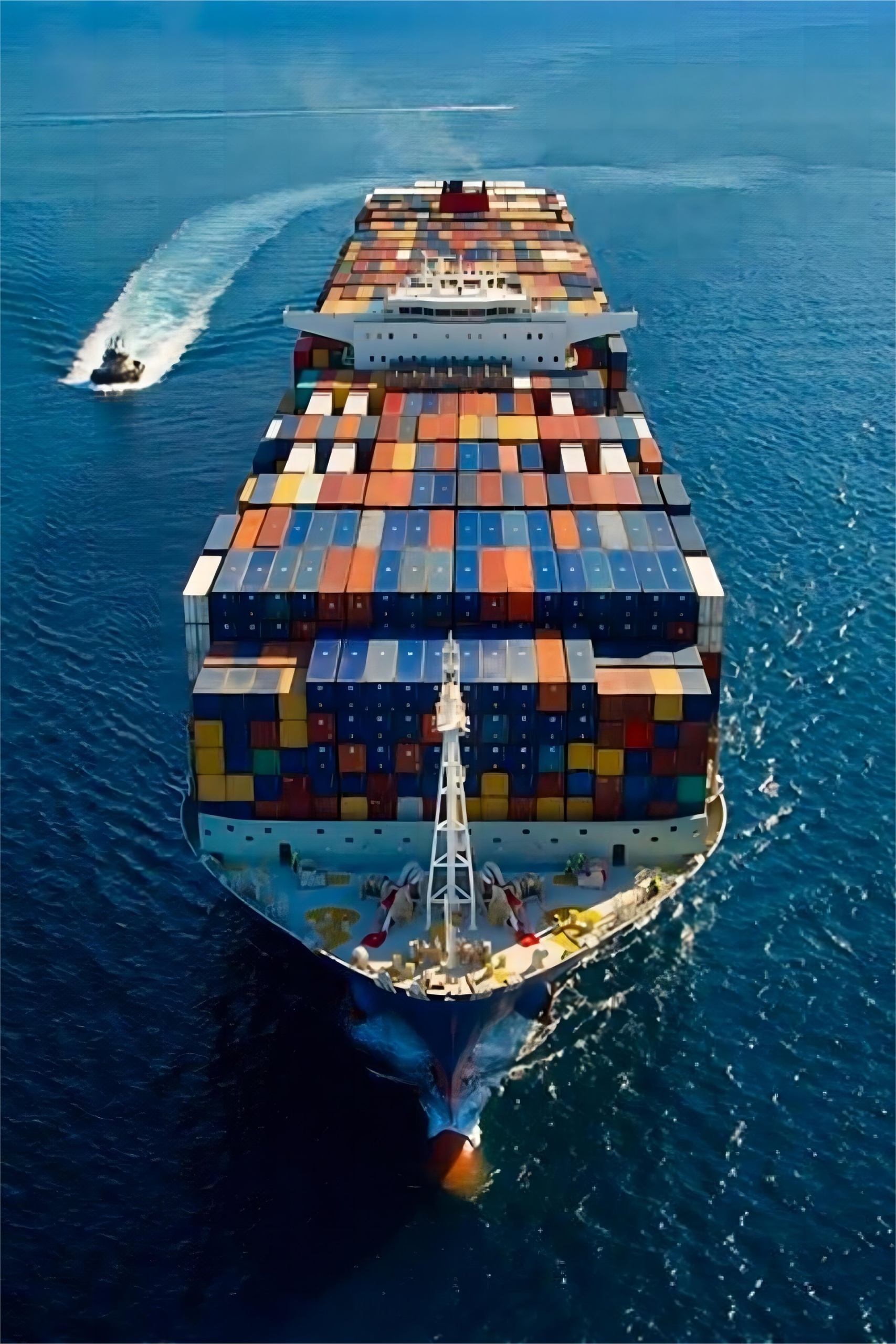
Budget priority is the most common factor for established businesses. If your primary goal is to minimize costs and your lead times allow for it, sea freight FCL is the undisputed winner for volumes over 15 CBM. For smaller businesses, LCL provides the best balance between cost and inventory flexibility.
Speed priority dictates a move toward air freight or express services. If you are launching a new product or facing a stockout, the higher cost of air transport is often justified by the potential lost revenue of a 20-day delay. Additionally, cargo type considerations, such as the need for temperature control or hazardous material handling, will narrow your choices to specific carriers and container types.
Volume thresholds are also critical for decision-making. Once your shipment exceeds 12-14 CBM, the cost of LCL often approaches the price of a full 20ft container. In such cases, upgrading to FCL is usually more economical and provides better protection for your goods. Always request a comprehensive container shipping China to Australia quote that compares both options if your volume is in this middle range.
Final Thoughts on Shipping from China to Australia
Securing a reliable container shipping China to Australia quote is essential for maintaining a competitive edge in the 2026 market. By understanding the differences between FCL and LCL, monitoring transit times, and preparing accurate documentation, you can significantly reduce shipping risks. Remember to account for seasonal trends and leverage trade agreements like ChAFTA to optimize your costs. Whether you are a small startup or a large enterprise, choosing the right logistics partner will ensure your cargo arrives safely and on schedule.

Start Your Shipment
Ready to streamline your supply chain and secure the most competitive rates for 2026? Get your personalized container shipping China to Australia quote today and experience professional logistics support. Send Inquiry: https://globalchinafreight.com/
Request Quote