


LCL Shipping China to Australia Rates: 2026 Complete Cost Guide
Navigating the complexities of international trade requires a deep understanding of LCL shipping china to Australia rates to ensure your business remains profitable. As global trade volumes fluctuate in early 2026, finding a reliable partner like Global China Freight becomes essential for managing your supply chain efficiently. Consequently, importers must stay informed about changing ocean freight dynamics and port processing fees. This guide provides a comprehensive breakdown of current market trends, pricing structures, and strategic advice for small to medium-sized shipments.

What Factors Influence LCL Shipping China to Australia Rates in 2026?
Multiple variables determine the final price you pay for transporting less-than-container-load cargo across the ocean. For instance, fuel surcharges, known as Bunker Adjustment Factors, fluctuate based on global oil prices and environmental regulations. Additionally, peak season demand during the lead-up to the Australian Christmas period often causes a spike in baseline freight charges. Moreover, the specific port of origin in China significantly impacts the local handling fees and trucking costs involved.
Carrier capacity remains a primary driver of price volatility in the current 2026 market. Furthermore, port congestion in major hubs like Shanghai or Ningbo can lead to equipment imbalances and additional storage fees. Therefore, businesses should consider sea freight options carefully to balance cost and speed. Indeed, understanding these underlying factors allows for better budget forecasting and more accurate landed cost calculations.
How to Calculate Your LCL Shipping Costs from China?
Calculating the cost of LCL shipments involves understanding the Weight or Measure (W/M) rule used by most freight forwarders. Specifically, carriers charge based on whichever is greater: the total volume in cubic meters or the total weight in metric tons. Most LCL shipments are volume-heavy, meaning the CBM measurement usually dictates the price. Consequently, optimizing your packaging to reduce dead space can lead to significant savings on your overall freight bill.
Inland transportation from your supplier to the consolidation warehouse represents another critical cost component. Furthermore, you must account for origin charges such as terminal handling, documentation fees, and export clearance. Meanwhile, destination charges in Australia, including port service functions and de-consolidation fees, often catch new importers by surprise. Accordingly, requesting a comprehensive door-to-door quote is the best way to avoid hidden expenses.
LCL vs FCL: Which Option Offers Better Value for Your Cargo?
Choosing between LCL and Full Container Load (FCL) depends largely on your total shipment volume and urgency. Generally, LCL is the more economical choice for shipments ranging from 1 to 15 cubic meters. However, once your volume exceeds 15 CBM, the flat rate of a 20-foot container might become more cost-effective. Furthermore, FCL offers faster transit times because the container does not need to be opened for consolidation or de-consolidation.
Security is another factor to consider when comparing these two primary ocean shipping methods. While LCL cargo is handled more frequently during the loading and unloading process, modern consolidation techniques minimize the risk of damage. Therefore, for businesses managing Amazon FBA inventory, LCL provides the flexibility to send smaller, more frequent batches. Indeed, this strategy helps maintain stock levels without over-investing in high-volume shipping.
| Feature | LCL Shipping | FCL (20GP) | FCL (40HQ) |
|---|---|---|---|
| Best Volume | 1 – 15 CBM | 15 – 28 CBM | Over 55 CBM |
| Cost Structure | Per CBM basis | Flat rate per box | Flat rate per box |
| Transit Time | 18 – 25 Days | 12 – 18 Days | 12 – 18 Days |
| Handling Risk | Moderate | Minimal | Minimal |

How Does LCL Shipping Compare to Other Shipping Options?
Objective analysis shows that LCL sea freight is the middle ground between high-speed air transport and high-volume container shipping. For example, while air freight might deliver goods in 5 days, the cost is often five to ten times higher than LCL rates. Consequently, LCL remains the preferred method for non-urgent commercial goods and bulky consumer products. Moreover, the environmental impact of sea transport is significantly lower than that of air transport, aligning with modern sustainability goals.
Alternative strategies such as sea-air hybrid solutions can offer a compromise for time-sensitive shipments. In this scenario, cargo moves by sea to a hub like Singapore and then completes the journey to Australia via air. Additionally, for very small parcels under 100kg, international express services might be more convenient despite higher unit costs. Therefore, evaluating all viable alternatives ensures you select the most appropriate logistics strategy for your specific cargo type.
| Shipping Method | Cost Range | Transit Time | Best For |
|---|---|---|---|
| LCL Sea Freight | $30-$90 per CBM | 18-25 Days | General Cargo |
| FCL Sea Freight | $800-$1,800 | 12-18 Days | High Volume |
| Air Freight | $4.50-$8.00/kg | 3-7 Days | Urgent/High Value |
| Express Courier | $7.00-$12.00/kg | 2-4 Days | Samples/Documents |
Which Option Should You Choose? Decision Framework
Selecting the right shipping method requires a balanced assessment of your budget, timeline, and product characteristics. If your primary goal is cost minimization and your lead times allow for three weeks of transit, LCL is undoubtedly the superior choice. On the other hand, if you are launching a new product and need stock immediately, air freight might justify the higher expense. Furthermore, consider the fragility of your items, as fewer handling points in FCL or air freight reduce the risk of breakage.
Volume thresholds play a decisive role in shifting from LCL to FCL shipping. Market data suggests that the break-even point for a 20GP container often sits around 13 to 15 CBM in the 2026 freight market. Consequently, if your shipment is approaching this size, requesting quotes for both methods is highly recommended. Indeed, a professional customs brokerage service can help you navigate the different duty implications for each method.
Essential Documentation for Smooth Australia Customs Clearance
Navigating Australian customs requires precise documentation to avoid costly delays and storage fees at the wharf. Specifically, the Commercial Invoice and Packing List must accurately reflect the contents, value, and weight of your LCL shipment. Furthermore, a Packing Declaration is mandatory for all sea freight entering Australia to address biosecurity concerns regarding packaging materials. Moreover, certain goods may require a Certificate of Origin to take advantage of the China-Australia Free Trade Agreement (ChAFTA).
Biosecurity risks are taken very seriously by the Australian Department of Agriculture, Fisheries and Forestry. Therefore, ensuring your wooden pallets are ISPM 15 compliant is a non-negotiable requirement for LCL shipping. Additionally, providing clear descriptions of your goods helps customs officers classify them correctly under the Harmonized System (HS) codes. Consequently, partnering with an experienced logistics provider ensures all paperwork is filed correctly and on time.
| Document Name | Required By | Purpose | Critical Detail |
|---|---|---|---|
| Bill of Lading | Carrier | Title to goods | Must match invoice |
| Commercial Invoice | Customs | Valuation | Currency and terms |
| Packing List | Warehouse | Cargo verification | Piece count/weight |
| Packing Declaration | Biosecurity | Pest control | Timber treatment |
Typical Transit Times for LCL Shipments to Major Australian Ports
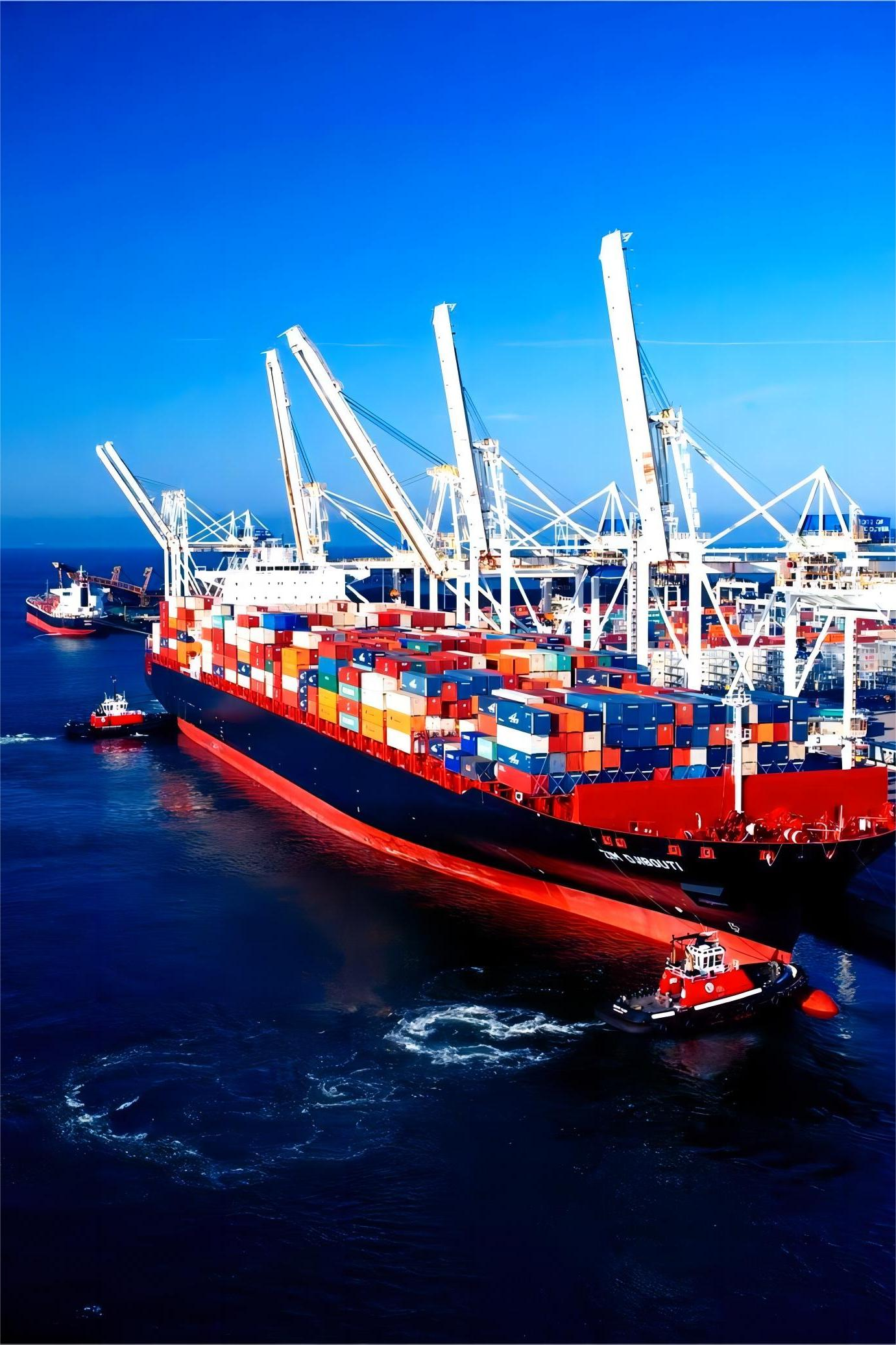
Transit times for LCL shipments are generally longer than FCL because of the time required for consolidation at the origin and de-consolidation at the destination. For instance, a direct vessel from Shanghai to Sydney typically takes 12 to 14 days on the water. However, you must add 3 to 5 days at each end for warehouse processing and customs clearance. Consequently, the total door-to-door time for LCL shipping from China to Australia usually averages between 22 and 28 days.
Regional differences in Australia also affect the delivery schedule for your cargo. While Sydney, Melbourne, and Brisbane enjoy frequent direct calls from major Chinese ports, shipments to Perth or Adelaide may involve transshipment or longer coastal voyages. Furthermore, weather conditions and port industrial actions can occasionally disrupt these schedules. Therefore, always build a buffer of at least one week into your supply chain planning to account for unforeseen delays.
Real Case Studies: Successful LCL Shipments to Australia
Case Study 1: Electronics Distribution to Melbourne. Route: Shenzhen to Melbourne. Cargo: 50 cartons of consumer electronics, 4 CBM, 850 kg. Method: LCL Sea Freight via major carrier. Shipping Details: Port of Loading: Shenzhen; Port of Discharge: Melbourne; Route Type: Direct. Cost Breakdown: Ocean Freight: $320; Origin Charges: $150; Destination Charges: $280; Customs & Duties: $450; Total Landed Cost: $1,200. Timeline: Booking to Loading: 4 days; Sea Transit: 15 days; Customs Clearance: 2 days; Total Door-to-Door: 21 days. Key Insight: Early booking during the Q3 2025 peak helped secure a competitive rate before the 2026 price adjustments.
Case Study 2: Boutique Furniture Import to Sydney. Route: Ningbo to Sydney. Cargo: Handcrafted wooden chairs, 8 CBM, 1,200 kg. Method: LCL Sea Freight. Shipping Details: Port of Loading: Ningbo; Port of Discharge: Sydney; Route Type: Direct. Cost Breakdown: Ocean Freight: $580; Origin Charges: $210; Destination Charges: $340; Customs & Duties: $620; Total Landed Cost: $1,750. Timeline: Booking to Loading: 5 days; Sea Transit: 14 days; Customs Clearance: 3 days; Total Door-to-Door: 22 days. Key Insight: Ensuring ISPM 15 compliance for all wooden components prevented biosecurity delays that frequently affect furniture shipments.
Case Study 3: Industrial Parts to Brisbane. Route: Shanghai to Brisbane. Cargo: Steel valves and fittings, 2 CBM, 1,500 kg. Method: LCL Sea Freight. Shipping Details: Port of Loading: Shanghai; Port of Discharge: Brisbane; Route Type: Transshipment via Singapore. Cost Breakdown: Ocean Freight: $190; Origin Charges: $120; Destination Charges: $240; Customs & Duties: $310; Total Landed Cost: $860. Timeline: Booking to Loading: 3 days; Sea Transit: 19 days; Customs Clearance: 2 days; Total Door-to-Door: 24 days. Key Insight: Utilizing a door to door service simplified the complex logistics of transshipment for this heavy industrial cargo.
Hidden Fees to Watch Out for When Shipping LCL to Australia
Hidden fees can quickly erode the cost advantages of LCL shipping if you are not vigilant. Specifically, ‘kickback’ rates at the origin often lead to inflated destination charges, a practice sometimes used by unscrupulous forwarders. Furthermore, storage fees at the de-consolidation warehouse can accumulate rapidly if your customs clearance is delayed. Moreover, additional charges for tail-lift delivery or residential access in Australia can add hundreds of dollars to your final invoice.
To protect your margins, always request an itemized quote that includes both origin and destination costs. Additionally, clarify who is responsible for paying the Goods and Services Tax (GST) and any applicable import duties before the cargo arrives. Consequently, maintaining clear communication with your supplier and your freight forwarder is the best defense against unexpected bills. Indeed, a transparent shipping to Australia strategy relies on full cost visibility from the outset.
Final Thoughts on Navigating LCL Shipping Rates
Successfully managing LCL shipping china to Australia rates requires a combination of market awareness, meticulous documentation, and strategic planning. By understanding the factors that drive costs and transit times, you can make informed decisions that benefit your bottom line. Moreover, leveraging the expertise of a professional freight forwarder helps mitigate risks associated with customs and port handling.
As we move through 2026, the logistics landscape continues to evolve, presenting both challenges and opportunities for importers. Consequently, staying flexible and exploring alternative shipping methods when necessary will ensure your goods reach the Australian market efficiently. Therefore, prioritize transparency and reliability in your shipping partnerships to achieve long-term success in international trade.

Start Your Shipment
Optimizing your LCL shipping china to Australia rates is the key to maintaining a competitive edge in the 2026 market. Contact our expert logistics team today to receive a personalized quote and discover how we can streamline your trans-Pacific supply chain. Visit our website to learn more about our comprehensive freight solutions and start saving on your next shipment. See: https://globalchinafreight.com/
Request Quote