


FCL shipping china to Australia 40HC cost: 2026 Market Guide
Managing your logistics budget effectively requires a deep understanding of the current FCL shipping china to Australia 40HC cost and market dynamics. Importers frequently face fluctuating rates due to fuel prices and seasonal demand changes across major shipping lanes. This guide provides a comprehensive breakdown of expenses, transit times, and strategic alternatives to help you optimize your supply chain in 2026.
What Factors Determine the FCL Shipping China to Australia 40HC Cost?
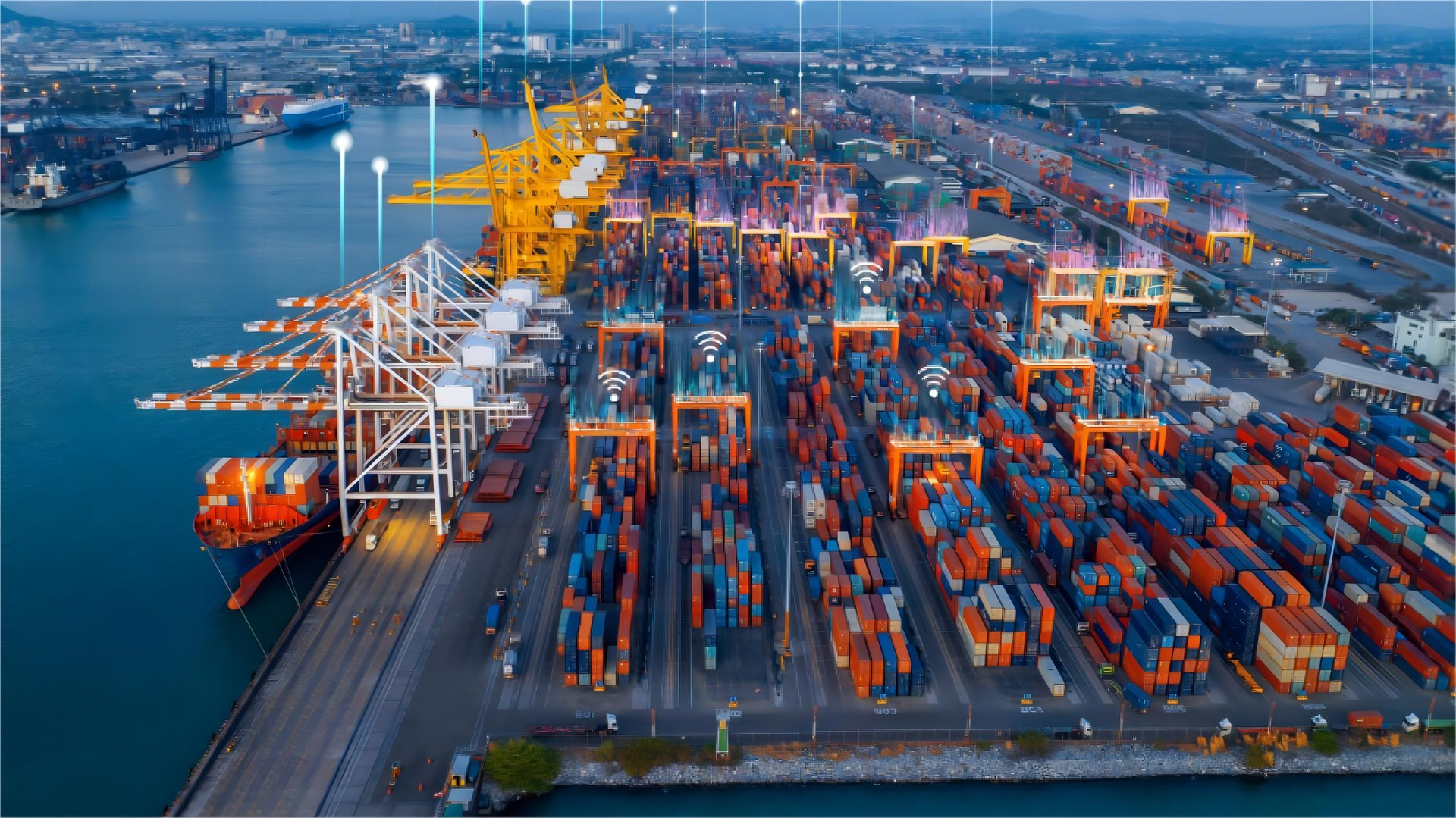
Fuel prices remain a primary driver of container pricing, often reflected through the bunker adjustment factor. Carriers adjust these surcharges monthly to account for global oil market volatility. Consequently, even a small shift in crude prices can impact your total shipping invoice.
Peak season freight rates typically spike between August and October as retailers prepare for the holiday rush. During this period, container availability drops and demand for space on vessels increases significantly. Therefore, booking well in advance is essential to avoid premium spot market pricing.
Port congestion in major hubs like Shanghai or Shenzhen can lead to additional surcharges and longer waiting times. When terminals become overcrowded, shipping lines may implement congestion surcharges to cover the cost of idling vessels. Furthermore, the specific choice of shipping line and service level will influence the final rate.
Container loading supervision and cargo insurance also add to the overall expense but provide necessary security. Without proper insurance, your business remains vulnerable to losses from maritime accidents or cargo damage. Investing in these services ensures a smoother transition through the international supply chain.
Current Market Rates for 40HC Containers in 2026
Recent data suggests that shipping container costs 2026 have stabilized compared to the volatility of previous years. Market intelligence indicates that global capacity has finally caught up with demand, leading to more predictable pricing structures. This stability allows businesses to forecast their landing costs with greater accuracy.
For instance, a standard 40HC container from China to Australia currently ranges between 1,400 USD and 2,000 USD depending on the route. These prices often fluctuate based on the specific port of loading and the destination city. Visit our dedicated page on shipping from China to Australia to see how regional port differences affect these numbers.
Market data suggests that rates from Ningbo or Shanghai to Sydney are often more competitive than routes to smaller ports like Adelaide. In addition, high-cube containers offer significantly more volume than standard 40GP units for a relatively small price difference. This makes the 40HC the preferred choice for lightweight, high-volume consumer goods.
| Container Type | Average Cost (USD) | Capacity (CBM) | Best For |
|---|---|---|---|
| 20GP Standard | $850 – $1,250 | 33 CBM | Heavy/Dense Goods |
| 40GP Standard | $1,300 – $1,750 | 67 CBM | General Cargo |
| 40HC High Cube | $1,400 – $2,000 | 76 CBM | Voluminous Goods |

How Does FCL Shipping Compare to Other Shipping Options?
Selecting the right method depends heavily on your cargo volume and urgency requirements. While sea freight is the most economical for large volumes, air freight offers unmatched speed for urgent deliveries. Businesses must weigh the cost savings of ocean transit against the inventory carrying costs of longer lead times.
FCL vs LCL Australia comparisons show that FCL is generally cheaper per cubic meter once you exceed 15 CBM of cargo. When you book a full container, you avoid the consolidation and deconsolidation fees associated with shared shipments. Moreover, FCL shipments generally face fewer handling risks and faster processing at the port.
Alternative strategies like sea-air hybrid solutions can bridge the gap between cost and speed. For example, shipping by sea to a regional hub and then by air to Australia can save 30% compared to pure air freight. However, for most bulk importers, the 40HC container remains the gold standard for cost-efficiency.
| Method | Cost Range | Transit Time | Best For |
|---|---|---|---|
| FCL (40HC) | $1,400 – $2,000 | 12-18 Days | Bulk/Large Volume |
| LCL (Per CBM) | $50 – $90 | 18-25 Days | Small Shipments |
| Air Freight | $4.50 – $7.00/kg | 3-7 Days | Urgent/High Value |
Transit Times and Delivery Schedules for 2026
Predicting your transit time China to Melbourne or Sydney is crucial for maintaining inventory levels. Most direct vessels departing from Shenzhen or Guangzhou reach Australian shores in approximately two weeks. Nevertheless, weather conditions and port productivity can occasionally cause minor delays in the schedule.
Direct services from Southern China ports usually take between 12 and 18 days to reach major Australian gateways. Consequently, transshipment routes via Singapore or Port Klang may take longer but sometimes offer lower freight rates. Shippers should evaluate whether the 5-7 day delay is worth the potential cost savings.
Industry average for this route suggests that port-to-port time is only one part of the equation. You must also account for the time required for container drayage, loading at the factory, and final delivery in Australia. Total door-to-door timelines typically range from 25 to 35 days depending on the inland distance.
| Origin Port | Destination Port | Transit (Days) | Service Type |
|---|---|---|---|
| Shanghai | Sydney | 14-16 | Direct |
| Shenzhen | Melbourne | 12-15 | Direct |
| Ningbo | Brisbane | 15-18 | Direct |
| Qingdao | Fremantle | 20-25 | Transshipment |
Understanding Surcharges and Hidden Logistics Fees
Ocean freight surcharges like Terminal Handling Charges (THC) are mandatory fees paid at both origin and destination ports. These fees cover the cost of moving the container from the vessel to the storage yard. In addition, documentation fees and port security charges also contribute to the total landed cost of your shipment.
Moreover, marine insurance costs should never be overlooked, as they protect your investment against unforeseen transit risks. While most shipments arrive safely, the cost of insurance is negligible compared to the value of a full 40HC container. Utilizing a professional customs brokerage service can help you navigate these complex fee structures efficiently.
Bunker Adjustment Factor (BAF) and Currency Adjustment Factor (CAF) are other variables that can change mid-transit. Although these are standard in the industry, they can surprise inexperienced importers who only look at the base freight rate. Always request an all-in quote to see the true FCL shipping china to Australia 40HC cost.
Customs Clearance and Australian Import Duties
Navigating the customs clearance fees Australia involves understanding both the service fees and the government taxes. Every shipment entering the country must be declared to the Australian Border Force. Failure to provide accurate documentation can result in significant fines and lengthy delays at the port.
GST on imported goods Australia is typically 10% of the value of the taxable importation, including freight and insurance. Additionally, certain products may attract specific import duties depending on their classification under the Australian Customs Tariff. You should verify your HS codes early in the process to calculate these costs accurately.
Choosing a door to door service often simplifies this process by bundling customs handling into the total price. This approach reduces the administrative burden on your team and ensures that all regulatory requirements are met. Professional freight forwarders handle the complex paperwork so you can focus on your core business operations.
Real-World Case Studies for 2026 Shipments
Examining real-world examples helps importers benchmark their own FCL shipping China to Australia 40HC cost. The following cases illustrate typical scenarios involving different cargo types and port pairs. These details are based on Q1 2026 market rates and represent standard industry performance.
Case Study 1: Shenzhen to Sydney Route: Shenzhen, China to Sydney, Australia Cargo: Consumer Electronics, 65 CBM, 12,000 kg Container: 40HC Shipping Details: – Carrier: Major Direct Carrier – Ocean Freight: $1,850 – Origin/Dest Charges: $450 – Customs/GST: Calculated on value – Total Landed Cost (Freight): $2,300 Timeline: 14 days sea transit, 28 days door-to-door. Key Insight: Early booking during the off-peak season saved the client 15% on freight.
Case Study 2: Ningbo to Melbourne Route: Ningbo, China to Melbourne, Australia Cargo: Flat-pack Furniture, 72 CBM, 18,000 kg Container: 40HC Shipping Details: – Carrier: Regional Specialist – Ocean Freight: $1,920 – Origin/Dest Charges: $500 – Total Landed Cost (Freight): $2,420 Timeline: 16 days sea transit, 32 days door-to-door. Key Insight: Using a 40HC instead of two 20GP containers reduced shipping costs by $600.
Which Option Should You Choose? Decision Framework
Budget-conscious shippers should prioritize FCL for shipments that fill at least 70% of a 40HC container. If your volume is lower, LCL might seem attractive, but the risk of damage increases with more handling. On the other hand, if you are shipping goods for Amazon FBA, speed and reliability might outweigh the lowest price.
Cargo handling requirements, such as temperature control or hazardous material status, will also dictate your choice of carrier. For instance, perishable goods require reefer containers, which cost significantly more than standard 40HC units. Always consider the nature of your cargo before selecting the cheapest available freight option.
Speed priority dictates a direct route, even if the ocean freight cost is 10% higher than a transshipment service. In contrast, for non-urgent replenishment stock, taking a slower route via Singapore can improve your profit margins. Evaluate your supply chain needs carefully to find the right balance between cost and transit time.
Strategic Cost-Saving Tips for Importers
Booking your shipment at least 3-4 weeks in advance can help you secure lower rates and guaranteed space. Last-minute bookings often fall victim to overbooked vessels, leading to rolled cargo and additional storage fees. Furthermore, maintaining a consistent shipping schedule allows you to negotiate better contract rates with freight forwarders.
Consolidating multiple smaller orders into a single 40HC container is a highly effective way to reduce the cost per unit. This strategy minimizes the fixed costs associated with documentation and terminal handling. Additionally, optimizing your packaging to maximize the use of the 40HC’s extra height can lead to substantial savings.
Finally, working with an experienced freight forwarder China to Australia ensures you have access to competitive contract rates. They have the volume leverage to secure better pricing than individual shippers can obtain on the spot market. Note: Freight rates are subject to change based on fuel costs, carrier capacity, and seasonal demand. Contact us for a current quote tailored to your specific shipment.
Mastering Your Shipping Costs in 2026
In conclusion, understanding the FCL shipping China to Australia 40HC cost is essential for any business importing goods into the Australian market. By monitoring market trends and choosing the right logistics partners, you can significantly reduce your overheads. Factors like fuel surcharges, port choice, and timing all play a role in your final landed cost.
Stay informed about the latest shipping container costs 2026 to maintain a competitive edge in your industry. Whether you choose direct sea freight or a hybrid solution, planning ahead remains the best strategy for success. We are here to help you navigate the complexities of international trade with ease and efficiency.

Need a tailored shipping solution?
Ready to optimize your supply chain and reduce your FCL shipping China to Australia 40HC cost? Our team provides transparent pricing and reliable schedules for all your sea freight needs. Contact Global China Freight today for a customized quote and expert logistics advice. Send Inquiry: https://globalchinafreight.com/