


Cheapest Shipping from China to Canada Sea Air Comparison 2026
Finding the cheapest shipping from china to Canada sea air comparison allows businesses to maintain healthy profit margins in the competitive 2026 market. Moreover, understanding the nuances between ocean and air transport helps importers select the most efficient route for their specific cargo needs. Consequently, this guide provides a comprehensive analysis of costs, transit times, and logistics strategies for the trans-Pacific trade lane.

Why is the Cheapest Shipping from China to Canada Sea Air Comparison Important?
Understanding the differences between shipping methods is the foundation of a successful supply chain strategy. Furthermore, as market conditions evolve in 2026, the gap between air and sea pricing fluctuates based on fuel surcharges and carrier capacity.
Additionally, businesses must weigh the trade-off between speed and cost to meet customer expectations. Therefore, conducting a regular comparison ensures that you are not overpaying for urgency that your inventory levels do not require.
Consequently, choosing the wrong method can lead to significant financial losses or stock shortages. Indeed, a detailed analysis of freight rates and transit times is essential for anyone importing goods into the Canadian market this year.
Analyzing Sea Freight Costs and Benefits for 2026
Ocean transport remains the backbone of international trade due to its massive capacity and lower price point. Specifically, sea freight offers the most economical solution for heavy or bulky items that do not require immediate delivery.
Moreover, the introduction of more fuel-efficient vessels in 2026 has helped stabilize rates despite global economic shifts. Nevertheless, importers should account for port handling fees and inland trucking costs when calculating their total landed expense.
Typically, sea freight is categorized into Full Container Load (FCL) and Less than Container Load (LCL) options. As a result, even small businesses can take advantage of ocean shipping by sharing container space with other importers.
| Method | Avg Cost (2026) | Transit Time | Best For |
|---|---|---|---|
| FCL 20GP | $2,200 – $3,200 | 18-25 Days | Bulk Goods |
| FCL 40HQ | $3,500 – $4,800 | 20-30 Days | Large Volume |
| LCL Shipping | $90 – $160/CBM | 25-35 Days | Small Batches |
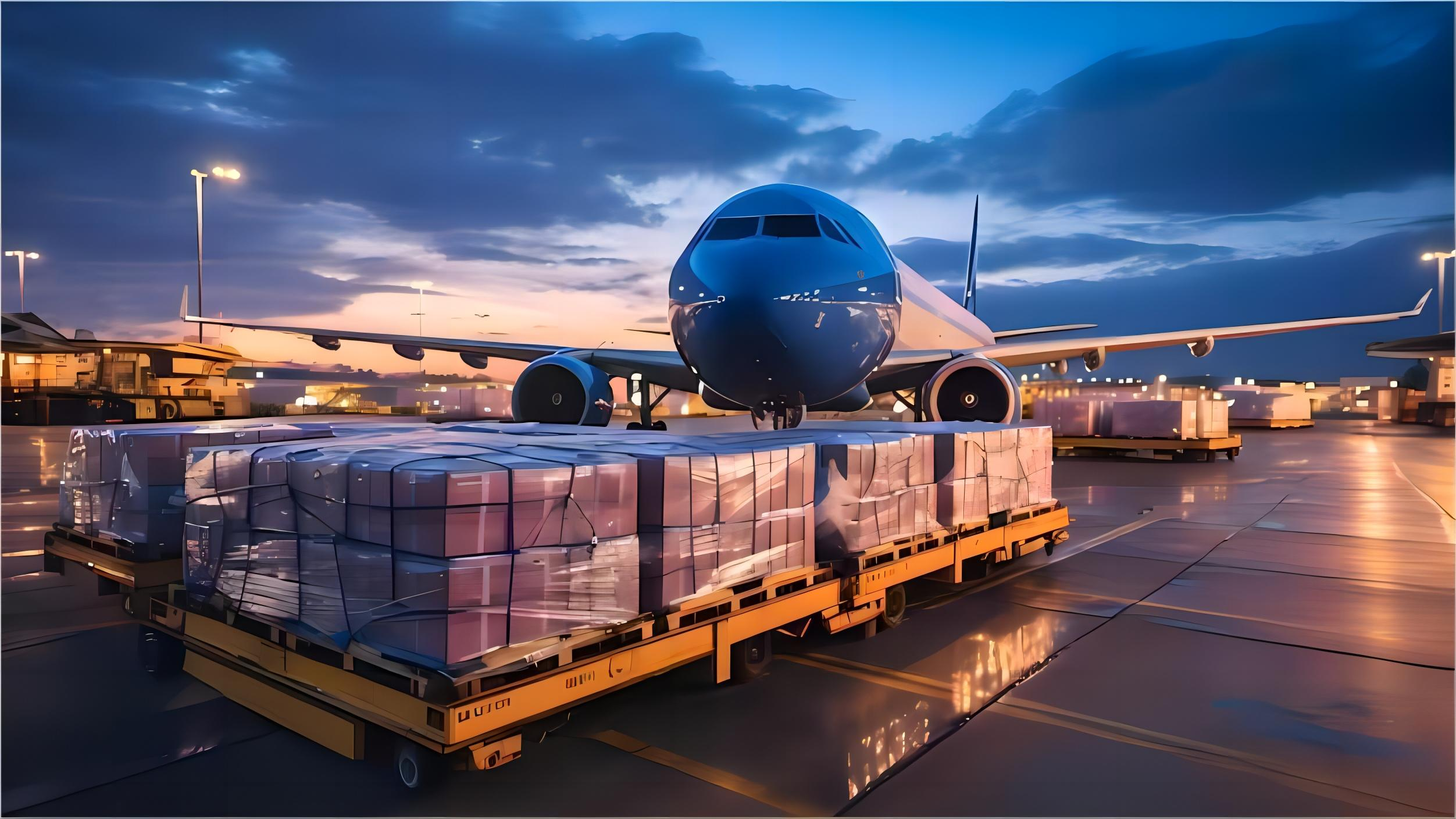
When to Choose Air Freight for Canadian Imports
Speed is the primary advantage of choosing air freight for your logistics needs. Indeed, high-value electronics or seasonal fashion items often justify the higher expenditure to ensure they reach the Canadian market before trends shift.
However, air cargo rates are significantly higher than ocean freight and are calculated based on either actual weight or volumetric weight. Therefore, optimizing your packaging is crucial to avoid paying for empty space during transit.
In addition, air transport provides greater security and lower insurance premiums compared to sea routes. Consequently, many high-tech firms prefer this method to minimize the risk of damage or theft during long ocean voyages.
How Does Sea Freight Compare to Other Shipping Options?
Comparing sea freight to alternatives like air or hybrid solutions is vital for optimizing North America logistics. While sea freight is the cheapest, it lacks the agility of air or express delivery services.
Furthermore, hybrid sea-air solutions have gained popularity in early 2026 as a middle-ground option. For instance, cargo might move by sea to a hub like Dubai or Busan before flying to Canada, saving both time and money.
Regardless of the method, each alternative offers specific trade-offs regarding reliability and cost. Specifically, businesses must evaluate their priority whether it is the bottom line or the delivery deadline.
| Shipping Method | Cost Range | Transit Time | Limitations |
|---|---|---|---|
| Sea Freight | $2,500-$4,800 | 18-35 Days | Slow Transit |
| Air Freight | $12,000-$20,000 | 3-7 Days | High Cost |
| Sea-Air Hybrid | $6,000-$9,000 | 12-18 Days | Complex Setup |

Which Option Should You Choose? Decision Framework
Managers should follow a structured decision framework when selecting the cheapest shipping from china to Canada sea air comparison. First, determine the total weight and volume of the shipment to see if LCL or FCL is more appropriate.
Secondly, calculate the impact of transit time on your cash flow and inventory turnover rates. For example, if the cost of holding inventory for 30 days exceeds the air freight premium, then flying the goods is actually more profitable.
Finally, consider the nature of the goods and any specific Canadian import regulations that might apply. In contrast, heavy machinery will almost always move by sea due to the extreme costs associated with heavy-lift air cargo.
Real-World Case Studies for Shipping to Canada
Analyzing real-world scenarios provides clarity on how these costs manifest in actual business operations. Specifically, these cases reflect market rates observed in Q1 2026 across major trade lanes.
Case Study 1: Electronics from Shenzhen to Vancouver. Route: Shenzhen to Vancouver. Cargo: Consumer Electronics, 12 CBM, 2500 kg. Container: LCL. Shipping Details: Major carrier, direct route. Cost Breakdown: Ocean Freight: $1,100; Origin Charges: $400; Destination Charges: $550; Customs and Duties: $600; Total Landed Cost: $2,650. Timeline: Booking to Loading: 3 days; Sea Transit: 14 days; Customs: 2 days; Total: 19 days. Key Insight: Using LCL saved the client $1,400 compared to a 20GP container.
Case Study 2: Industrial Parts from Shanghai to Toronto. Route: Shanghai to Toronto. Cargo: Machinery Parts, 40HQ. Container: 40HQ FCL. Shipping Details: Maersk, via Prince Rupert. Cost Breakdown: Ocean Freight: $4,200; Origin Charges: $500; Destination Charges: $850; Customs and Duties: $1,200; Total Landed Cost: $6,750. Timeline: Booking to Loading: 5 days; Sea Transit: 18 days; Rail to Toronto: 7 days; Customs: 3 days; Total: 33 days. Key Insight: Routing through Prince Rupert saved 4 days compared to the Vancouver gateway.
Note: Freight rates are subject to change based on fuel costs, carrier capacity, and seasonal demand. Contact us for a current quote tailored to your specific shipment.
Navigating Customs Brokerage and Compliance
Professional customs brokerage is essential for avoiding delays at the Canadian border. Moreover, the Canada Border Services Agency (CBSA) requires precise documentation for all incoming international shipments.
Additionally, misclassifying your goods under the Harmonized System (HS) codes can result in heavy fines or seizures. Therefore, working with an experienced broker ensures that your paperwork is accurate and compliant with the latest 2026 regulations.
Consequently, the cost of brokerage services is a small price to pay for the peace of mind it provides. Indeed, most successful importers integrate customs clearance into their overall logistics planning from the very beginning.
Door to Door Logistics and Final Mile Delivery
Choosing a door to door service simplifies the entire process by consolidating multiple legs of the journey. Furthermore, this approach eliminates the need for the importer to manage separate contracts with truckers and warehouse operators.
In addition, final mile delivery in Canada can be challenging due to the vast geography and weather conditions in 2026. Therefore, a provider with a strong local network can navigate these obstacles more effectively than a general carrier.
Meanwhile, visibility throughout the shipping process is enhanced when a single provider handles the cargo from the factory in China to the warehouse in Toronto. As a result, you can provide more accurate delivery estimates to your end customers.
Strategies to Reduce Your International Shipping Costs
Reducing expenses requires a proactive approach to supply chain management and carrier negotiations. Specifically, booking your shipments at least 3-4 weeks in advance can help you secure lower rates during peak seasons.
Moreover, consolidating multiple small orders into a single FCL shipment can significantly lower the cost per unit. For instance, many businesses find that increasing their order frequency while decreasing volume actually raises their total logistics spend.
Finally, always request multiple quotes to ensure you are receiving the most competitive price in the current market. Indeed, the cheapest shipping from china to Canada sea air comparison often reveals that small adjustments in timing can lead to big savings.
Final Thoughts on Canadian Shipping Strategies
To summarize, finding the cheapest shipping from china to Canada sea air comparison requires a balance of cost analysis and operational requirements. While sea freight offers unmatched savings for large volumes, air freight remains the go-to for urgent shipments.
Furthermore, by utilizing the right combination of services and staying informed about market trends, you can maintain a competitive edge. Therefore, evaluate your needs carefully and choose the method that best aligns with your business goals for 2026.

Get Your Shipping Quote Today
Optimizing your logistics strategy is the key to success in the 2026 trade market. Our team provides expert guidance on the cheapest shipping from china to Canada sea air comparison to help you save money and time. Contact us today to receive a personalized freight quote and streamline your supply chain. Visit globalchinafreight.com to get started now.
Request Quote