


Cargo Shipping China to UK Reliable Forwarder: 2026 Logistics Guide
Navigating the complexities of international trade requires a partner who understands the shifting dynamics of the 2026 logistics market. Selecting a cargo shipping china to UK reliable forwarder ensures that your goods arrive safely and on schedule despite global supply chain fluctuations. Consequently, businesses must prioritize transparency and expertise when choosing their freight partners to maintain a competitive edge in the United Kingdom market. This guide provides a comprehensive overview of the current shipping landscape, offering actionable insights for importers and exporters alike.
Why You Need a Cargo Shipping China to UK Reliable Forwarder in 2026
Finding a cargo shipping china to UK reliable forwarder has become more critical as we move through 2026, especially with new carbon emission standards and digital customs protocols. These professionals manage the intricate details of logistics, from port of origin to final delivery, allowing you to focus on core business operations. Moreover, a dedicated forwarder provides the necessary buffer against sudden market shifts, such as fuel price volatility or port congestion.
Consequently, the role of a forwarder has evolved from a simple booking agent to a strategic supply chain consultant. They offer real-time tracking, risk mitigation strategies, and consolidated billing, which are essential for modern retail and manufacturing sectors. Furthermore, their established relationships with major carriers like COSCO and Maersk often result in better space allocations during peak seasons.
Businesses often struggle with the sheer volume of paperwork required for international trade between China and the UK. Therefore, a reliable partner ensures that every document, from the bill of lading to the certificate of origin, is handled with precision to avoid costly delays. Additionally, they provide insights into the most efficient ports of entry, such as Felixstowe or Southampton, based on your final destination.
Comparing Sea, Air, and Rail Freight Options
Choosing the right transportation mode is the first step in optimizing your logistics strategy for the current year. For instance, sea freight remains the most cost-effective solution for large-scale shipments, despite longer transit times. Meanwhile, air freight provides the speed necessary for high-value electronics or seasonal fashion items that require rapid turnover.
Furthermore, rail freight has emerged as a viable middle ground for businesses looking to balance cost and speed. Although rail routes have faced geopolitical challenges in the past, the 2026 infrastructure improvements have stabilized transit times between Chinese hubs like Xi’an and European terminals. Nevertheless, sea freight continues to dominate the route due to its massive capacity and lower environmental impact per ton-mile.
Specifically, when evaluating these methods, importers must consider the total landed cost rather than just the initial freight rate. This includes port charges, inland haulage, and potential storage fees that can accumulate if the logistics chain is not managed efficiently. Ultimately, a balanced approach using multiple modes of transport often yields the best results for complex inventory requirements.
| Shipping Method | Avg Cost (2026) | Transit Time | Best For |
|---|---|---|---|
| Sea Freight (FCL) | $3,200 – $4,500 | 30 – 38 Days | Bulk Goods |
| Air Freight | $5.50 – $9.00/kg | 5 – 8 Days | Urgent Cargo |
| Rail Freight | $160 – $260/CBM | 18 – 24 Days | Medium Priority |
| Express Courier | $9.00 – $14.00/kg | 3 – 5 Days | Small Samples |
How Does Sea Freight Compare to Other Shipping Options?
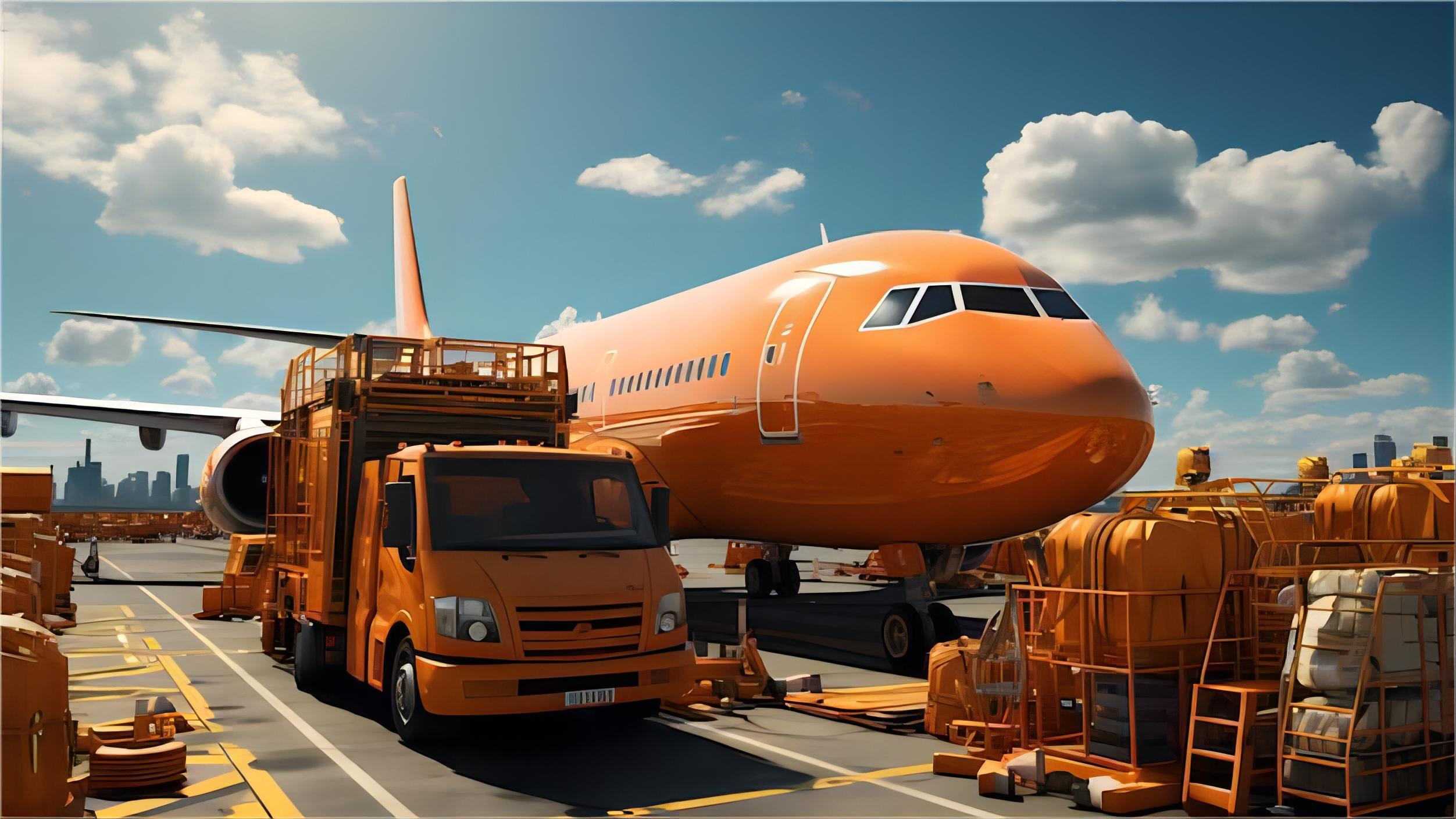
Comparing sea freight to alternative methods reveals significant trade-offs in terms of budget and delivery schedules. While sea freight costs significantly less than air transport, it requires much more advanced planning to account for the month-long journey across the ocean. For example, a 40HQ container might cost $4,000 via sea, whereas the same volume moved by air could exceed $30,000 in 2026 market conditions.
However, for shipments under 15 CBM, Less than Container Load (LCL) shipping at $60-90 per CBM may be more economical than hiring a full container. This flexibility allows smaller businesses to compete by importing smaller batches more frequently. In contrast, Full Container Load (FCL) offers better security and faster handling at the ports since the container does not need to be deconsolidated.
Direct routes from major Chinese ports like Shanghai or Shenzhen to the UK typically cost 10-15 percent more than transshipment options. Nevertheless, they save approximately 5-7 days of transit time and reduce the risk of cargo damage during handling at intermediate ports like Singapore. Therefore, the choice between direct and transshipment should depend on your specific inventory lead times and budget constraints.
Which Option Should You Choose?
Budget priority: If your primary goal is cost reduction, sea freight LCL or FCL is the recommended option for almost all non-perishable goods. Speed priority: When deadlines are tight, air freight or express services are the only viable ways to meet UK market demands. Cargo type considerations: Heavy machinery and bulk raw materials are best suited for sea freight, while high-value tech is safer in air transit.
Volume thresholds: Once your shipment exceeds 15-20 CBM, switching from LCL to a 20GP container usually becomes more cost-effective. Hybrid solutions: Consider sea-air combinations where goods are moved by sea to a hub like Dubai and then flown to London to save both time and money.
Specialized Logistics: Amazon FBA and Door to Door Solutions
Managing the requirements for Amazon FBA shipping requires a forwarder who understands strict labeling and palletization rules. Failure to comply with these standards can result in rejected shipments at UK fulfillment centers, leading to significant financial losses. Consequently, many sellers opt for specialized services that handle the entire process from the Chinese factory to the Amazon warehouse.
Similarly, door to door services have become the standard for businesses seeking a hassle-free import experience. This all-inclusive model covers pickup, export customs, international freight, UK customs clearance, and final mile delivery. Moreover, it provides a single point of contact, which simplifies communication and accountability throughout the shipping journey.
Efficiently managing these specialized routes involves leveraging local expertise in both China and the UK. For instance, a forwarder with a strong presence in the Pearl River Delta can coordinate faster pickups from multiple suppliers. Furthermore, their UK-based teams can navigate the specific local traffic and delivery regulations in cities like London, Manchester, and Birmingham.
Navigating Shipping Costs and Transit Times
Understanding the factors that influence shipping costs is essential for accurate financial forecasting in 2026. Ocean freight rates fluctuate based on seasonal demand, with prices typically rising by 15-25 percent during the peak period from August to October. Additionally, fuel surcharges and currency adjustment factors can impact the final invoice, making it vital to get a detailed quote before booking.
Traditionally, transit times from China to the UK range from 30 to 40 days depending on the specific port pair and weather conditions. Meanwhile, port efficiency in the UK has improved with the implementation of AI-driven scheduling, but seasonal congestion can still add several days to the delivery schedule. Therefore, adding a buffer of at least one week to your planning is a prudent strategy for maintaining stock levels.
Furthermore, the choice of port in the UK can significantly affect the inland transportation costs and overall speed. Felixstowe handles the majority of container traffic, but Southampton and London Gateway offer excellent alternatives for cargo destined for the southern regions. Consequently, your forwarder should help you select the port of discharge that minimizes the road haulage distance to your warehouse.
| UK Port | Avg Transit (Days) | Primary Region | Efficiency Rating |
|---|---|---|---|
| Felixstowe | 32 – 35 | South / East UK | Very High |
| Southampton | 30 – 34 | South / Central UK | High |
| London Gateway | 31 – 35 | London / SE | Excellent |
| Liverpool | 35 – 40 | North / Midlands | Medium |
Managing Customs Brokerage and Essential Documentation
Handling the legal requirements of import/export is often the most challenging part of the process for new businesses. Utilizing a professional customs brokerage service ensures that your goods are classified correctly under the UK Global Tariff. Specifically, incorrect commodity codes can lead to overpaying duties or facing penalties from HMRC, which can jeopardize your trading status.
Moreover, the documentation must be flawless to ensure a smooth transition through the border. The commercial invoice, packing list, and bill of lading form the core of the document package, but additional certificates may be required for specific goods. For example, electrical items often need compliance certificates to meet UK safety standards before they can be legally sold.
Consequently, a reliable forwarder will review all paperwork before the ship even leaves the Chinese port. This proactive approach allows for corrections to be made early, preventing the cargo from being held at the UK border for inspection. Similarly, they can advise on VAT deferment schemes that help businesses manage their cash flow more effectively during the import process.
| Document Name | Required By | Primary Purpose | Complexity |
|---|---|---|---|
| Commercial Invoice | HMRC / Customs | Value Declaration | Low |
| Bill of Lading | Carrier / Bank | Title of Goods | Medium |
| Packing List | Customs / Port | Inspection Guide | Low |
| Cert. of Origin | Customs | Trade Agreement | Medium |
Real-World Case Studies for China to UK Routes
Reviewing actual shipping scenarios provides a realistic expectation of costs and timelines in the 2026 market. For example, a recent shipment of high-end furniture from Ningbo to a warehouse in Birmingham demonstrated the efficiency of FCL shipping. By using a 40GP container, the importer avoided the handling risks associated with LCL and benefited from a direct sailing to Southampton.
Additionally, a small electronics startup used a hybrid air-express model to launch a new product line before the holiday season. While the cost per kilogram was higher, the five-day door-to-door delivery allowed them to capture early market demand and reinvest profits into a larger sea freight order. Notably, these examples highlight how different business needs dictate the choice of logistics strategy.
Ultimately, success in international shipping depends on detailed planning and the ability to adapt to unforeseen circumstances. As of Q1 2026, freight rates from China to Europe have stabilized after the previous year’s disruptions, but capacity management remains a priority for all reliable forwarders. Therefore, staying informed about market trends is just as important as choosing the right shipping method.
Case Study 1: High-Volume Electronics Export
Route: Shenzhen, China to London, UK. Cargo: Consumer Electronics, 68 CBM, 14,000 kg. Container: 40HQ. Shipping Details: Carrier: COSCO Shipping; Port of Loading: Shenzhen (Yantian); Port of Discharge: Felixstowe; Route Type: Direct. Cost Breakdown: Ocean Freight: $3,950; Origin Charges: $450; Destination Charges: $600; Customs and Duties: $1,200; Total Landed Cost: $6,200. Timeline: Booking to Loading: 4 days; Sea Transit: 32 days; Customs Clearance: 2 days; Total Door-to-Door: 38 days. Key Insight: Direct routing avoided transshipment delays in Singapore and reduced the risk of damage.
Case Study 2: Boutique Furniture LCL Shipment
Route: Ningbo, China to Manchester, UK. Cargo: Designer Furniture, 8 CBM, 1,200 kg. Container: LCL. Shipping Details: Carrier: Major Carrier; Port of Loading: Ningbo; Port of Discharge: Southampton; Route Type: Transshipment via Singapore. Cost Breakdown: Ocean Freight: $720; Origin Charges: $180; Destination Charges: $350; Customs and Duties: $450; Total Landed Cost: $1,700. Timeline: Booking to Loading: 6 days; Sea Transit: 38 days; Customs Clearance: 3 days; Total Door-to-Door: 47 days. Key Insight: LCL was the most economical choice for this volume, despite the longer transit time due to deconsolidation.
Mastering Your China to UK Logistics Strategy
Securing a cargo shipping china to UK reliable forwarder is the foundation of a successful international trade business in 2026. By understanding the nuances of sea, air, and rail freight, you can make informed decisions that balance speed and cost. Moreover, staying updated on customs regulations and market trends will prevent unnecessary delays and expenses.
Note: Freight rates are subject to change based on fuel costs, carrier capacity, and seasonal demand. Contact us for a current quote tailored to your specific shipment. Ultimately, the right logistics partner acts as an extension of your team, ensuring your goods move efficiently across the globe.
Ready to streamline your logistics?
Partner with a cargo shipping china to UK reliable forwarder to streamline your 2026 supply chain operations. Our team of experts is ready to provide you with a competitive, tailored quote that meets your specific business needs. Send Inquiry: https://globalchinafreight.com/
Request Quote