

FCL Shipping China to USA 20GP Price: 2026 Freight Cost Guide
Navigating the complexities of international trade requires a clear understanding of the FCL shipping China to USA 20GP price to maintain healthy profit margins. Businesses often struggle with fluctuating ocean freight rates and hidden surcharges that impact the total landed cost. This comprehensive guide provides a detailed breakdown of current market trends and logistical strategies to help you secure the best possible rates for your 20-foot containers in 2026. Whether you are a seasoned importer or new to the industry, understanding these costs is vital for your supply chain success.
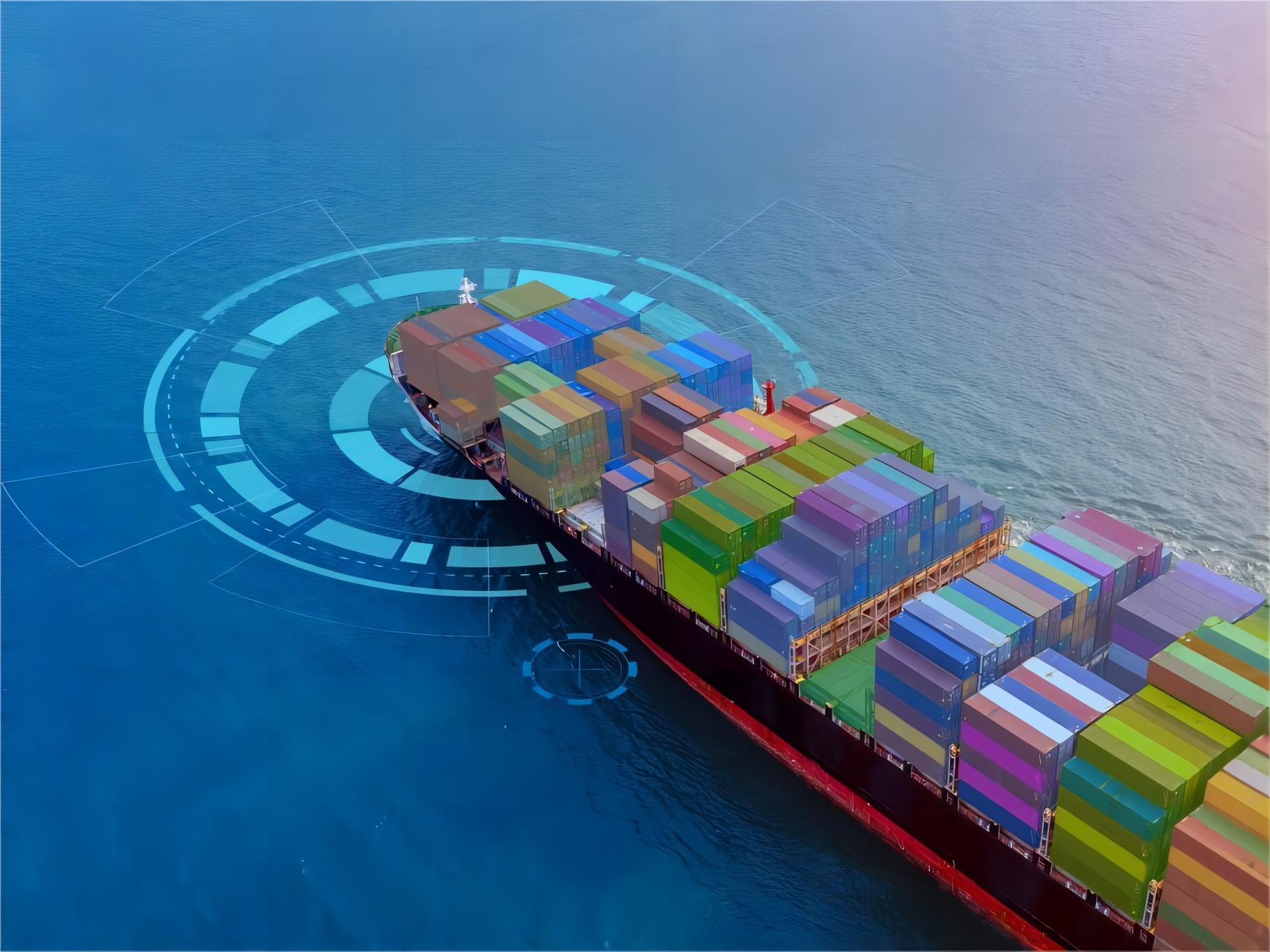
What Determines the FCL Shipping China to USA 20GP Price?
Several factors contribute to the final quote you receive from a freight forwarder. Market demand and vessel capacity are the primary drivers of base ocean freight rates. Furthermore, fuel prices, often calculated as the Bunker Adjustment Factor, fluctuate monthly and directly influence the total expense. Consequently, shipping during peak seasons usually incurs higher costs due to increased demand for space.
Port congestion and labor availability at major US gateways also play a significant role. For instance, delays at the Port of Los Angeles can lead to congestion surcharges that shippers must absorb. In addition, the specific origin port in China affects the price, as ports like Shenzhen or Shanghai have different local handling charges. Understanding these variables allows you to plan your shipments more effectively.
Marine insurance and container drayage are often overlooked when calculating the total cost. Moreover, destination terminal handling charges and customs bonds add to the financial requirements of the shipment. Therefore, it is essential to request a transparent breakdown of all potential fees from your logistics provider. This approach ensures there are no surprises when your cargo arrives at the destination.
Current 2026 Market Rates for 20ft Containers
As of early 2026, the market has seen a stabilization in freight rates compared to the volatile periods of previous years. Typical sea freight rates for a 20GP container currently range between 1,800 and 3,500 USD depending on the destination coast. Specifically, shipping to the US West Coast remains more affordable than shipping to the East Coast due to the shorter distance.
Market data suggests that rates for 2026 are influenced by new environmental regulations affecting vessel speeds and fuel types. Consequently, carriers have adjusted their pricing models to account for these operational changes. Meanwhile, the introduction of larger container ships has helped maintain capacity, preventing drastic price spikes during the first quarter. Importers should monitor these trends closely to time their bookings for maximum savings.
Note: Freight rates are subject to change based on fuel costs, carrier capacity, and seasonal demand. Contact us for a current quote tailored to your specific shipment.
| Route Type | 20GP Price Range | Average Transit Time | Main US Ports |
|---|---|---|---|
| China to US West Coast | $1,750 – $2,300 | 14-18 Days | LA, Long Beach, Seattle |
| China to US East Coast | $2,800 – $3,600 | 28-35 Days | NY, Savannah, Norfolk |
| China to US Gulf Coast | $3,000 – $3,800 | 30-38 Days | Houston, Mobile, New Orleans |
How Does FCL Compare to Other Shipping Options?
Choosing between Full Container Load and other methods depends largely on your shipment volume and urgency. While FCL offers the lowest cost per unit for large volumes, Less than Container Load might be better for smaller batches. However, FCL provides better security as the container is sealed at the origin and only opened at the destination. This reduces the risk of damage or loss during transit.
Air freight is the primary alternative for time-sensitive cargo that cannot wait for sea transit. Although it is significantly more expensive, it reduces inventory carrying costs and meets tight deadlines. In contrast, sea freight remains the backbone of global trade for bulky items like furniture or machinery. Selecting the right method requires balancing speed against the total budget.
Hybrid solutions like sea-air are also gaining popularity for shipments that need a middle ground. For example, cargo can be shipped by sea to a hub and then flown to the final destination to save time. Nevertheless, for most standard imports, the 20GP container remains the most cost-effective choice for shipments exceeding 15 cubic meters.
| Shipping Method | Cost Level | Transit Time | Best For |
|---|---|---|---|
| FCL (20GP) | Moderate | 15-35 Days | Bulk goods, 15+ CBM |
| LCL Shipping | Low per CBM | 20-40 Days | Small loads, 1-14 CBM |
| Air Freight | High | 3-7 Days | High-value, urgent |
| Express | Very High | 2-5 Days | Samples, documents |

Transit Times and US Port Considerations
Transit times vary significantly based on whether you choose a direct service or one with transshipment. Direct routes to the West Coast are the fastest, often taking just over two weeks from major Chinese hubs. On the other hand, all-water routes to the East Coast via the Panama Canal take considerably longer. Therefore, your choice of port impacts both the timeline and the door to door delivery schedule.
Weather conditions and seasonal typhoons in the Pacific can also cause unexpected delays. Indeed, during the winter months, North Pacific routes may experience slower transit times due to rough seas. To mitigate these risks, many shippers work with experienced forwarders who can reroute cargo if necessary. Proper planning ensures that your inventory levels remain stable despite these external factors.
Selecting the right discharge port is crucial for minimizing inland trucking costs. For instance, if your warehouse is in the Midwest, shipping to a West Coast port and using rail may be faster than shipping to the East Coast. However, this intermodal approach requires careful coordination to avoid storage fees at the rail ramp. Always consider the total journey from the factory to your final destination.
Essential Documentation for US Customs Clearance
Accurate documentation is the most critical component of a successful import process. The Commercial Invoice and Packing List must detail the goods, their value, and the HTS codes correctly. Furthermore, the Bill of Lading serves as the contract of carriage and the title to the goods. Any errors in these documents can lead to costly delays and inspections by US Customs and Border Protection.
Utilizing a professional customs brokerage service can streamline this complex process. Brokers ensure that all necessary filings, such as the Importer Security Filing, are completed on time. Consequently, you avoid the heavy fines associated with late or inaccurate ISF submissions. In addition, they can advise on duty-saving programs like the Generalized System of Preferences if applicable.
Importers must also maintain a valid Customs Bond to guarantee payment of duties and taxes. Without a bond, your container will not be released from the port, leading to expensive demurrage charges. Therefore, setting up a continuous bond is recommended for frequent shippers to save on per-entry bond costs. Keeping digital copies of all records for five years is a legal requirement you must follow.
Real-World Case Studies: 20GP Shipping Scenarios
Case Study 1: Efficient Electronics Logistics. Route: Shenzhen to Los Angeles. Cargo: Consumer Electronics, 26 CBM, 8,000 kg. Container: 20GP. Shipping Details: Major carrier, direct route. Ocean Freight: 1,950 USD. Origin Charges: 350 USD. Destination Charges: 450 USD. Customs and Duties: 1,200 USD. Total Landed Cost: 3,950 USD. Timeline: 16 days sea transit, 3 days clearance. Key Insight: Booking 3 weeks in advance secured a lower rate during a minor peak.
Case Study 2: Industrial Machinery Import. Route: Ningbo to Savannah. Cargo: Machinery Parts, 22 CBM, 12,000 kg. Container: 20GP. Shipping Details: Transshipment via Busan. Ocean Freight: 3,250 USD. Origin Charges: 400 USD. Destination Charges: 550 USD. Customs and Duties: 2,500 USD. Total Landed Cost: 6,700 USD. Timeline: 33 days sea transit, 5 days clearance. Key Insight: Choosing an all-water route avoided high West Coast rail congestion fees.
Based on Q3 2025 and early 2026 market rates, these examples illustrate how different routes and cargo types affect the total investment. For urgent shipments, some clients still opt for air freight when the 20GP price spikes unexpectedly. However, for the majority of these cases, sea freight remains the most sustainable long-term option.

Strategies to Reduce Your FCL Shipping China to USA 20GP Price
Negotiating with multiple freight forwarders is the most effective way to find competitive rates. Since different forwarders have different contracts with carriers, their pricing for the same route can vary. Additionally, consider shipping during the off-peak season, typically from February to April, when demand is lowest. This strategy can save you hundreds of dollars per container.
Optimizing your packaging to fit more goods into the 20GP container also lowers the cost per unit. If you can increase the density of your cargo, you maximize the value of the flat ocean freight rate. Furthermore, using a freight forwarder that offers consolidation services can help if you have multiple suppliers in the same region. This reduces the number of separate shipments and administrative fees.
Implementing a long-term contract with a logistics provider can provide price stability. While spot rates might occasionally be lower, a contract protects you from sudden market spikes during peak periods. Moreover, ensure your cargo is ready for pickup on time to avoid detention and demurrage fees. These small operational efficiencies collectively result in significant annual savings for your business.
Final Thoughts on 20GP Shipping Costs
Understanding the FCL shipping China to USA 20GP price is essential for any business involved in trans-Pacific trade. By monitoring market trends and choosing the right shipping partners, you can navigate the complexities of international logistics with confidence. Remember that the cheapest rate is not always the best if it results in delays or poor service.
Ultimately, a balanced approach that considers cost, speed, and reliability will serve your business best in 2026. Stay informed, plan ahead, and utilize the expertise of professional freight forwarders to keep your goods moving efficiently. With the right strategy, you can turn your logistics operations into a competitive advantage for your company.

Start Your Shipment
Ready to optimize your supply chain and secure a competitive FCL shipping China to USA 20GP price for your next shipment? Contact our expert team today for a customized freight quote and professional logistics support. Visit Global China Freight to start your inquiry.
Request Quote