

FCL Shipping China International France: The Complete 2025 Logistics Guide
Managing fcl shipping china international france requires a strategic approach to balance speed, cost, and reliability. Global China Freight provides comprehensive solutions tailored to modern supply chain demands between these two global economic hubs. Consequently, businesses can minimize delays and ensure their goods arrive safely at French ports like Le Havre or Marseille.
Understanding FCL Shipping China International France
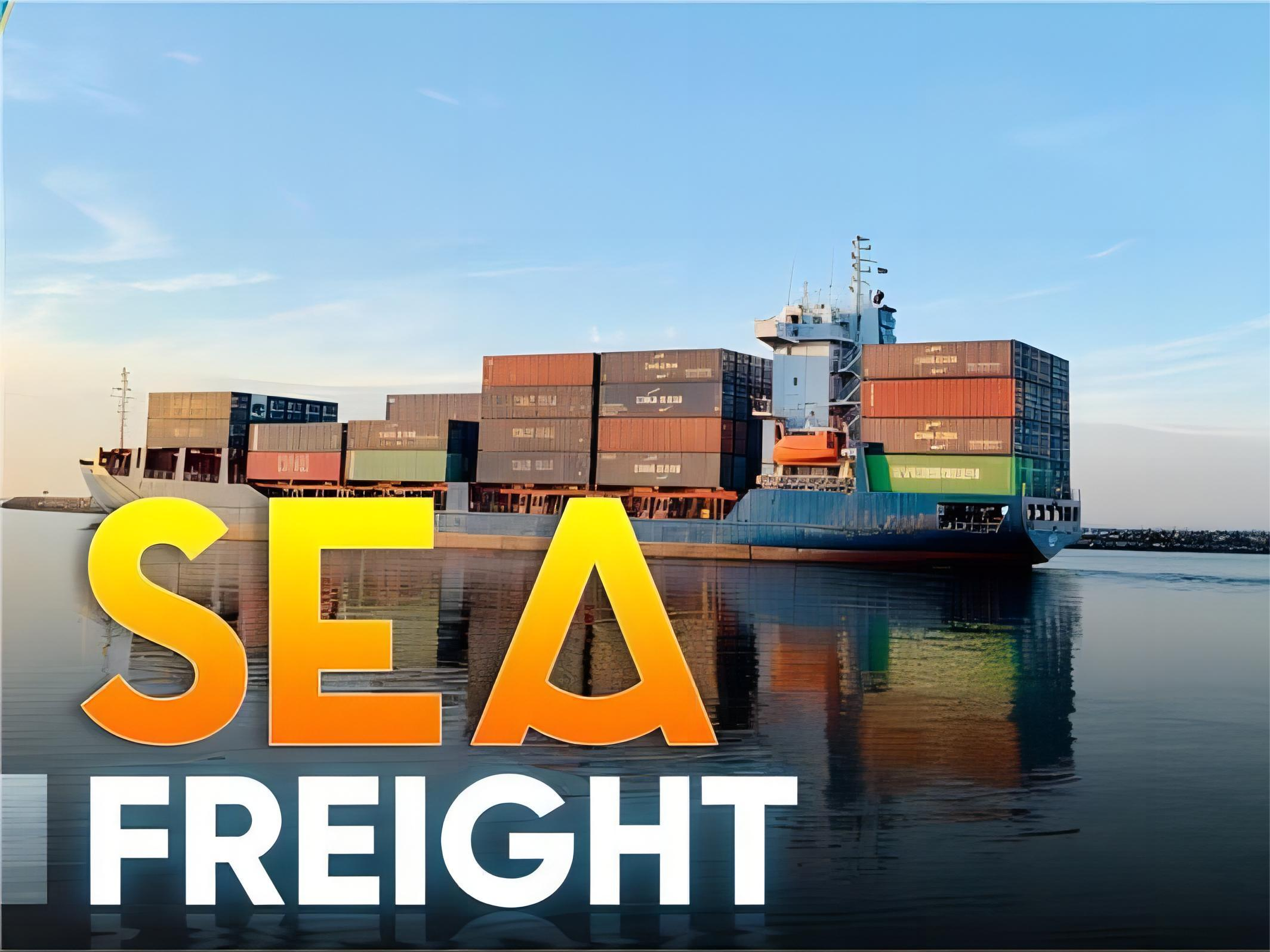
Full Container Load (FCL) stands as the most efficient method for transporting large volumes of goods across the ocean. When you choose sea freight for your shipments to France, you gain exclusive use of a 20ft or 40ft container. This exclusivity reduces the risk of damage because your cargo is not handled alongside other shippers’ products.
Moreover, FCL shipping offers better security and faster transit times compared to Less than Container Load (LCL) options. Importers typically prefer this method when their cargo volume exceeds 15 cubic meters. Indeed, the cost per unit drops significantly as you fill the container, making it a favorite for high-volume traders.
Selecting the right container size is crucial for optimizing your logistics budget. A standard 20GP container holds about 28-30 cubic meters, while a 40HQ can accommodate up to 76 cubic meters. Consequently, understanding your cargo dimensions helps in choosing the most cost-effective container type for your needs.
How Does FCL Compare to Other Shipping Options?
Selecting the ideal transport mode depends on your budget, timeline, and the nature of your goods. While FCL is the backbone of international trade, Air Freight provides a much faster alternative for urgent deliveries. However, the cost of air transport is substantially higher, often five to ten times that of sea freight.
Furthermore, businesses must weigh the pros and cons of each method carefully. For instance, sea freight costs $1,800-3,500 for a 40HQ container, whereas air freight for the same volume would be prohibitively expensive. In contrast, rail options offer a middle ground in terms of both speed and pricing.
Hybrid solutions like sea-air combinations are also gaining popularity for their balanced approach. These strategies allow shippers to save money while still meeting relatively tight deadlines. Nevertheless, FCL remains the most stable and predictable choice for the majority of retail and industrial goods.
| Shipping Method | Cost Range | Transit Time | Best For |
|---|---|---|---|
| FCL Sea Freight | $1,800 – $4,200 | 28 – 40 Days | Bulk goods and large inventory |
| LCL Sea Freight | $50 – $120/CBM | 35 – 45 Days | Small shipments under 15 CBM |
| Air Freight | $4.50 – $8.50/kg | 5 – 8 Days | Urgent or high-value items |
| Rail Freight | $1,200 – $2,500 | 18 – 25 Days | Time-sensitive industrial parts |
Key Factors Influencing FCL Shipping Costs to France
Freight rates fluctuate based on several market variables, including fuel surcharges and seasonal demand. During the peak season from August to October, prices often rise by 15-25% due to increased consumer demand. Additionally, global events and port congestion can lead to sudden price spikes in the maritime industry.
Market data suggests that as of Q1 2025, freight rates from China to Europe have stabilized after recent disruptions. Importers should also account for terminal handling charges (THC) and documentation fees at both origin and destination ports. Therefore, requesting an all-in quote is essential to avoid hidden costs during the shipping process.
Note: Freight rates are subject to change based on fuel costs, carrier capacity, and seasonal demand. Contact us for a current quote tailored to your specific shipment.
Transit Times and Port Selection for China-France Routes
Transit times vary depending on the specific port of loading in China and the discharge port in France. For example, shipping from Shenzhen to Marseille is generally faster than shipping from Ningbo to Le Havre. Specifically, direct routes save time but often come at a premium compared to transshipment routes via Singapore.
Moreover, the efficiency of port operations significantly impacts the total door-to-door delivery schedule. Le Havre is the primary gateway for northern France, while Marseille serves as the main hub for the Mediterranean region. Consequently, choosing a port closer to your final warehouse destination can reduce inland trucking costs.
Typical transit times for FCL shipments range from 30 to 38 days under normal conditions. However, weather patterns and seasonal port congestion can add several days to this estimate. Planning your shipments at least 4-6 weeks in advance is a wise strategy for maintaining a consistent supply chain.
| China Port | France Port | Transit Time | Service Type |
|---|---|---|---|
| Shanghai | Le Havre | 32 – 35 Days | Direct |
| Shenzhen | Marseille | 28 – 32 Days | Direct |
| Ningbo | Le Havre | 34 – 38 Days | Transshipment |
| Qingdao | Fos-sur-Mer | 35 – 40 Days | Direct |
Customs Clearance and Documentation in France
Navigating French customs requires meticulous attention to detail and accurate documentation. Utilizing professional Customs Brokerage services can prevent costly delays and penalties. Specifically, the Commercial Invoice and Bill of Lading must perfectly match the physical cargo being imported.
Additionally, France requires a Packing List and, in many cases, a Certificate of Origin to determine applicable duties. Importers must also ensure their goods comply with European Union safety and environmental standards. Consequently, failing to provide the correct HS codes can result in the seizure of goods or heavy fines.
Documentation accuracy is the foundation of a smooth import process into the European market. Indeed, most delays at the Port of Le Havre stem from administrative errors rather than physical logistics issues. Therefore, double-checking every document before the vessel departs China is a critical step for every business.
| Document Name | Purpose | Required By |
|---|---|---|
| Bill of Lading | Title of goods | Carrier/Customs |
| Commercial Invoice | Value declaration | Customs |
| Packing List | Cargo details | Customs/Warehouse |
| EORI Number | EU Import ID | French Customs |
Alternative Strategies for Shipping from China to France
While sea freight is the standard, Rail Freight has emerged as a viable alternative for many businesses. This method connects major Chinese rail hubs to European terminals in approximately 18 to 25 days. Consequently, it serves as a perfect middle ground for cargo that is too urgent for sea but too heavy for air.
Furthermore, LCL shipping remains a strategic choice for smaller inventory refills or testing new products. For shipments under 15 CBM, paying for a portion of a container is often more economical than booking a full 20GP. However, LCL involves more handling, which slightly increases the risk of transit damage.
Businesses can also consider transshipment strategies to reduce overall ocean freight costs. By routing cargo through major hubs like Colombo or Port Klang, shippers can sometimes find lower rates than direct services. Nevertheless, this approach requires careful management to ensure the added transit time does not disrupt sales cycles.
Realistic Case Studies of FCL Shipments
Case Study 1: Furniture Import to Marseille Route: Ningbo, China to Marseille, France Cargo: Home Furniture, 65 CBM, 12,000 kg Container: 40HQ Shipping Details: – Carrier: CMA CGM – Port of Loading: Ningbo – Port of Discharge: Marseille – Route Type: Direct Cost Breakdown: – Ocean Freight: $3,950 – Origin Charges: $450 – Destination Charges: $600 – Customs and Duties: $1,200 – Total Landed Cost: $6,200 Timeline: – Booking to Loading: 5 days – Sea Transit: 31 days – Customs Clearance: 3 days – Total Door-to-Door: 42 days Key Insight: Using a 40HQ maximized the volume-to-cost ratio for this bulky furniture shipment.
Case Study 2: Electronics Components to Le Havre Route: Shenzhen, China to Le Havre, France Cargo: Electronic Parts, 25 CBM, 8,000 kg Container: 20GP Shipping Details: – Carrier: Maersk – Port of Loading: Shenzhen – Port of Discharge: Le Havre – Route Type: Direct Cost Breakdown: – Ocean Freight: $2,100 – Origin Charges: $380 – Destination Charges: $520 – Customs and Duties: $2,400 – Total Landed Cost: $5,400 Timeline: – Booking to Loading: 4 days – Sea Transit: 34 days – Customs Clearance: 2 days – Total Door-to-Door: 45 days Key Insight: Direct routing from Shenzhen reduced the risk of handling damage for sensitive electronics.
Which Shipping Option Should You Choose?
Choosing the right method requires a clear understanding of your business priorities and cargo characteristics. If your primary goal is cost reduction for high-volume goods, FCL shipping to Europe is almost always the best choice. Specifically, the predictability of container schedules allows for better inventory planning.
In contrast, if you are dealing with perishable items or high-value electronics with short lifecycles, speed may outweigh cost. In such cases, air freight or rail freight should be your go-to options. Furthermore, volume thresholds play a major role; once you hit 15 CBM, the switch from LCL to FCL usually pays for itself.
Finally, consider the geographical location of your final delivery point within France. Southern regions benefit from Mediterranean routes, while northern industrial hubs are better served by Atlantic ports. By aligning your shipping route with your distribution network, you can significantly lower your total landed costs.
Optimizing Your China-France Logistics Strategy
Mastering fcl shipping china international france is essential for any business looking to maintain a competitive edge in the global market. By understanding the nuances of container sizes, transit times, and customs requirements, you can make informed decisions that protect your bottom line. Moreover, working with an experienced freight forwarder ensures that your cargo navigates the complexities of international trade with ease.
As market conditions evolve in 2025, staying flexible and informed remains the key to logistics success. Whether you prioritize cost-efficiency or speed, the right shipping strategy will support your long-term growth. To summarize, FCL shipping remains the most robust and scalable solution for moving goods from China to the heart of France.
Ready to streamline your logistics?
Streamline your supply chain today with expert fcl shipping china international france services. Our team provides transparent pricing and reliable container solutions to help your business grow. Contact us now to request a customized quote and experience hassle-free logistics. Send Inquiry: https://globalchinafreight.com/
Request Quote