

Sea Freight China Singapore: The Ultimate 2025 Logistics Guide
Navigating the complexities of sea freight china singapore requires a strategic approach to ensure timely and cost-effective delivery for your business. Many importers face challenges with fluctuating market rates and strict customs regulations during the shipping process. Consequently, choosing a reliable partner like Global China Freight can streamline your entire supply chain and reduce overhead costs. This comprehensive guide provides the essential insights needed to optimize your logistics operations between these two major global trade hubs.
How Does Sea Freight China Singapore Compare to Other Shipping Options?
Selecting the most appropriate shipping method depends heavily on your specific business requirements and inventory timelines. While air freight provides the fastest transit times for urgent cargo, it often exceeds the budget for bulk goods or heavy machinery. Conversely, sea freight remains the primary choice for international trade due to its high capacity and significantly lower cost per unit.
Shippers must evaluate the trade-offs between speed and expense when planning their seasonal inventory cycles. For instance, air freight might cost five times more than sea transport for the same volume of goods. Therefore, understanding the differences between these modes is crucial for maintaining a healthy profit margin in a competitive market.
Moreover, hybrid solutions like sea-air combinations can sometimes offer a middle ground for specific logistics needs. However, for the China to Singapore route, the short geographical distance often makes direct sea transport the most logical alternative to expensive air shipments. Indeed, the efficiency of the Singapore port makes sea freight a highly reliable option for most commercial enterprises.
Market data suggests that over 90 percent of trade volume between these regions moves via ocean lanes. This is because modern container ships can carry thousands of TEUs, providing economies of scale that other methods simply cannot match. Without a doubt, sea freight is the backbone of the regional supply chain.
| Shipping Method | Cost Range | Transit Time | Best For | Limitations |
|---|---|---|---|---|
| Sea Freight (FCL) | $800 – $1,500 | 5 – 10 Days | Large Volumes | Slower than air |
| Sea Freight (LCL) | $40 – $90/CBM | 8 – 14 Days | Small Shipments | More handling |
| Air Freight | $2.5 – $5.0/kg | 1 – 3 Days | Urgent Cargo | High cost |

Understanding FCL and LCL Sea Freight China Singapore
Full Container Load (FCL) shipping involves renting an entire container for your exclusive use. This method is generally faster and more secure because the container remains sealed from the point of origin to the destination. Additionally, FCL is often more cost-effective if your cargo volume exceeds 15 cubic meters, as you pay a flat rate for the space.
Less than Container Load (LCL) allows multiple shippers to share space within a single container. This approach is ideal for smaller businesses that do not have enough inventory to fill a 20-foot or 40-foot unit. Meanwhile, LCL shipments require consolidation at the port of loading and deconsolidation at the destination, which can add a few days to the total transit time.
Choosing between these options requires a careful analysis of your total cargo volume and urgency. For example, if you are shipping 10 cubic meters of goods, LCL might be cheaper, but the risk of damage increases slightly due to extra handling. Furthermore, sea freight specialists can help you calculate the exact break-even point for your specific shipment size.
Typically, a 20GP container holds about 28 to 30 CBM, while a 40HQ container can accommodate up to 76 CBM. If your shipment is close to these thresholds, FCL is almost always the superior choice for both safety and speed. Consequently, many regular importers prefer FCL to maintain better control over their logistics timeline.
Key Factors Influencing Sea Freight China Singapore Costs
Freight rates are never static and fluctuate based on several global and regional economic factors. Fuel surcharges, often referred to as Bunker Adjustment Factors (BAF), represent a significant portion of the total ocean freight cost. Additionally, seasonal demand spikes, such as those occurring before the Lunar New Year, can lead to sudden price increases and capacity shortages.
Port congestion is another critical variable that can impact the final price of your shipment. When major ports in China experience delays, carriers often implement congestion surcharges to offset their operational losses. Moreover, the type of cargo you are shipping, such as hazardous materials or oversized items, will attract additional handling fees.
Currency fluctuations between the US Dollar and local currencies also play a role in determining the final invoice amount. Because most international shipping contracts are denominated in USD, a weak local currency can make imports more expensive for Singaporean businesses. As a result, many savvy shippers look for fixed-rate agreements during periods of high volatility.
Note: Freight rates are subject to change based on fuel costs, carrier capacity, and seasonal demand. Contact us for a current quote tailored to your specific shipment.
| Route | 20GP Container | 40GP Container | 40HQ Container | Transit Time |
|---|---|---|---|---|
| Shenzhen to Singapore | $850 – $1,100 | $1,300 – $1,600 | $1,400 – $1,800 | 5-7 Days |
| Shanghai to Singapore | $950 – $1,250 | $1,500 – $1,900 | $1,600 – $2,100 | 8-10 Days |
| Ningbo to Singapore | $900 – $1,200 | $1,450 – $1,850 | $1,550 – $2,000 | 7-9 Days |
Major Ports Involved in Sea Freight China Singapore
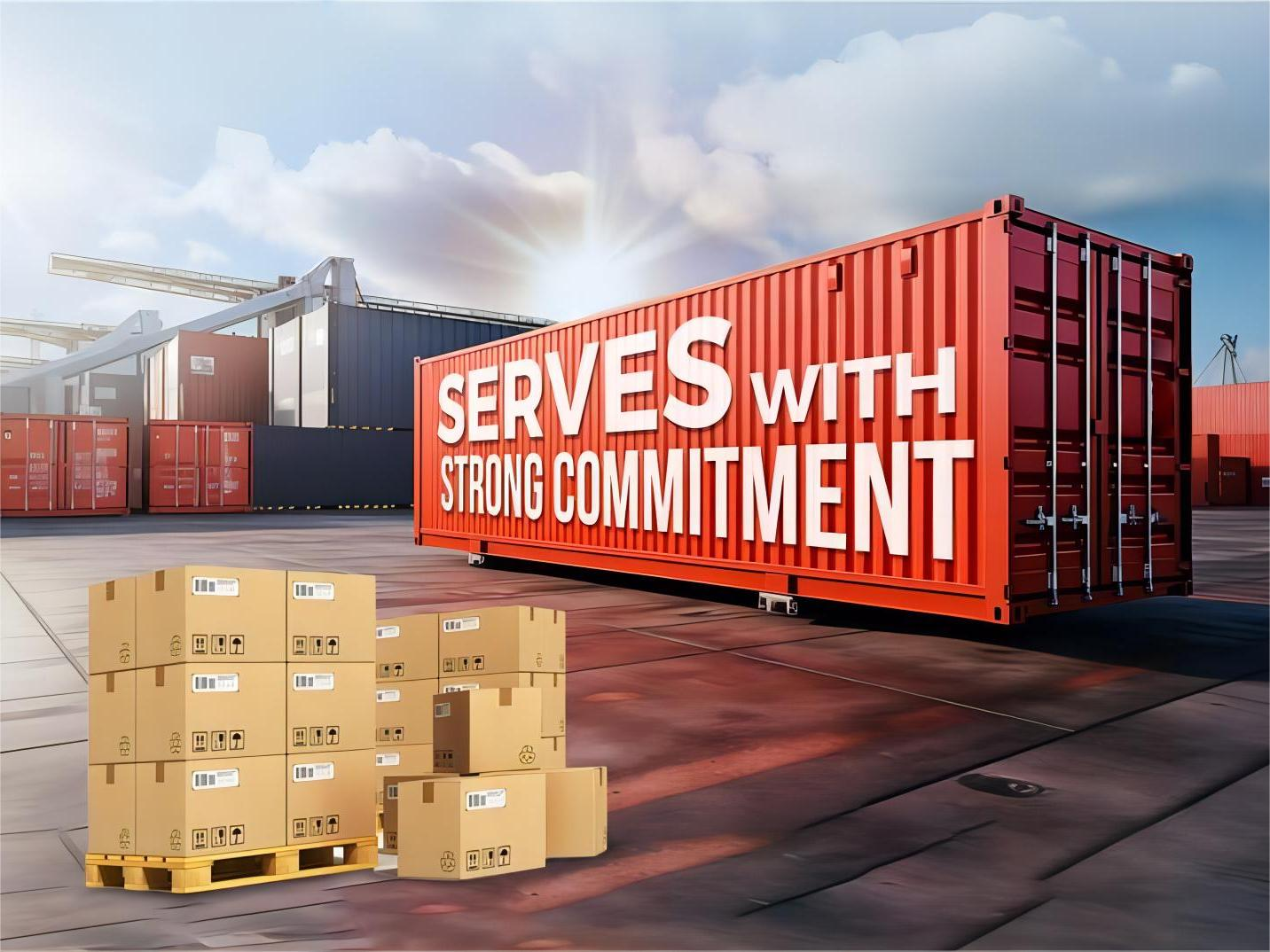
China boasts several of the world’s busiest ports, each serving as a vital gateway for exports to Southeast Asia. The Port of Shanghai and the Port of Shenzhen are the most frequent departure points for goods bound for Singapore. Specifically, Shenzhen is highly favored for electronics and consumer goods due to its proximity to major manufacturing hubs.
Singapore serves as a global transshipment hub, meaning many containers arriving there are destined for other regional markets. However, for local imports, the Port of Singapore offers world-class efficiency and rapid clearance procedures. Choosing a door to door service can further simplify the transition from the port to your final warehouse location.
Other significant Chinese ports include Ningbo-Zhoushan, Qingdao, and Guangzhou. Depending on where your supplier is located, selecting the nearest port can significantly reduce domestic trucking costs within China. For instance, if your factory is in Zhejiang province, Ningbo is the most logical choice for your sea freight operations.
Efficient port operations in both countries ensure that the sea transit remains one of the most reliable links in the global supply chain. Nevertheless, shippers should always monitor port status updates to anticipate any potential labor strikes or weather-related disruptions. Indeed, staying informed is the best way to prevent unexpected delays.
Required Documentation for Smooth Customs Clearance
Accurate documentation is the foundation of a successful international shipping operation. Missing or incorrect paperwork can lead to expensive storage fees at the port and lengthy delays in delivery. Therefore, you must ensure that your commercial invoice, packing list, and bill of lading are all perfectly aligned with the actual cargo.
Singapore Customs requires a specific set of declarations for all imported goods, including the Harmonized System (HS) codes for each product. Utilizing a professional customs brokerage service can help you navigate these technical requirements and ensure compliance with local laws. Furthermore, certain goods may require additional permits from agencies like the Singapore Food Agency or the Health Sciences Authority.
Certificate of Origin (CO) is another vital document that can potentially reduce your duty burden under various trade agreements. If your products qualify for preferential treatment, the CO serves as the official proof required by customs officials. In addition, keeping digital copies of all documents can speed up the communication process with your freight forwarder.
Failure to provide the correct documentation can result in the seizure of goods or heavy fines. To summarize, meticulous attention to detail during the preparation phase is the most effective way to avoid administrative headaches. Most successful importers maintain a standardized checklist for every shipment they manage.
| Document Name | Purpose | Required By | Format |
|---|---|---|---|
| Commercial Invoice | Value declaration | Customs | Digital/Physical |
| Packing List | Content detail | Port Authority | Physical |
| Bill of Lading | Title of goods | Carrier | Original/Telex |
| Certificate of Origin | Duty assessment | Customs | Govt Issued |
Real Case Studies: Successful Sea Freight China Singapore Operations
Case Study 1: Electronics Shipment from Shenzhen. Route: Shenzhen, China to Singapore. Cargo: Consumer Electronics, 15 CBM, 4500 kg. Container: 20GP. Shipping Details: Carrier: COSCO; Port of Loading: Shenzhen; Port of Discharge: Singapore; Route Type: Direct. Cost Breakdown: Ocean Freight: $950; Origin Charges: $250; Destination Charges: $300; Customs and Duties: $450; Total Landed Cost: $1,950. Timeline: Booking to Loading: 3 days; Sea Transit: 6 days; Customs Clearance: 2 days; Total Door-to-Door: 11 days. Key Insight: Direct routing from Shenzhen minimized handling risks for sensitive electronics.
Case Study 2: Furniture Import from Ningbo. Route: Ningbo, China to Singapore. Cargo: Home Furniture, 8 CBM, 1200 kg. Container: LCL. Shipping Details: Carrier: Major Carrier; Port of Loading: Ningbo; Port of Discharge: Singapore; Route Type: Direct. Cost Breakdown: Ocean Freight: $480; Origin Charges: $150; Destination Charges: $200; Customs and Duties: $350; Total Landed Cost: $1,180. Timeline: Booking to Loading: 5 days; Sea Transit: 9 days; Customs Clearance: 3 days; Total Door-to-Door: 17 days. Key Insight: Using LCL allowed the small retailer to manage inventory without the cost of a full container.
Case Study 3: Industrial Machinery from Shanghai. Route: Shanghai, China to Singapore. Cargo: CNC Machines, 55 CBM, 12000 kg. Container: 40HQ. Shipping Details: Carrier: Maersk; Port of Loading: Shanghai; Port of Discharge: Singapore; Route Type: Direct. Cost Breakdown: Ocean Freight: $1,800; Origin Charges: $400; Destination Charges: $500; Customs and Duties: $2,200; Total Landed Cost: $4,900. Timeline: Booking to Loading: 4 days; Sea Transit: 10 days; Customs Clearance: 3 days; Total Door-to-Door: 17 days. Key Insight: Heavy machinery requires specialized lashing and securing, which was handled efficiently at the Shanghai terminal.
Transit Times: How Long Does Sea Freight China Singapore Take?
Transit times for sea freight between China and Singapore are among the fastest in the international shipping industry. Typically, a direct vessel from South China ports like Shenzhen or Guangzhou takes between 4 to 7 days to reach Singapore. In contrast, shipments departing from North China ports like Qingdao or Tianjin may take 12 to 15 days due to the longer distance.
Weather conditions and seasonal typhoons in the South China Sea can occasionally cause minor delays in the delivery schedule. However, major shipping lines operate frequent and reliable loops that minimize the impact of these natural events. Additionally, the time required for loading and unloading at each port must be factored into your overall logistics plan.
Customs clearance in Singapore is exceptionally efficient, often taking less than 48 hours for standard commercial goods. Meanwhile, the pre-shipment phase in China, including export clearance and container drayage, usually requires 3 to 5 days. Consequently, a realistic door-to-door timeline for this route ranges from 12 to 20 days depending on the specific cities involved.
Monitoring your shipment through real-time tracking tools allows you to keep your customers informed and manage their expectations. Most modern freight forwarders provide automated updates that notify you of any changes in the vessel’s estimated arrival time. To summarize, while sea freight is slower than air, its predictability makes it an excellent choice for consistent supply chain management.
How to Choose the Right Freight Forwarder for This Route?
Selecting a logistics partner with specific expertise in the China-Singapore corridor is essential for avoiding common pitfalls. An experienced forwarder will have established relationships with major carriers, allowing them to secure better rates and priority space. Furthermore, they should offer comprehensive services, including amazon fba support for e-commerce sellers.
Transparency in pricing is another critical factor to consider when evaluating potential partners. You should look for a company that provides detailed quotes with no hidden fees or unexpected surcharges. Moreover, excellent customer service and a dedicated account manager can make a significant difference when resolving urgent issues or tracking complex shipments.
Local knowledge of both Chinese export regulations and Singaporean import laws is invaluable for maintaining compliance. A forwarder that understands the nuances of the regional market can provide proactive advice on how to optimize your shipping strategy. Indeed, the right partner acts as an extension of your own business team.
Finally, check for industry certifications and positive client testimonials to verify the reliability of your chosen provider. A proven track record in handling similar cargo types will give you the confidence that your goods are in safe hands. Without a doubt, the quality of your freight forwarder directly impacts the success of your international trade ventures.
Final Thoughts on Shipping from China to Singapore
Optimizing your sea freight china singapore strategy is a continuous process that requires attention to market trends and regulatory changes. By understanding the differences between FCL and LCL, preparing accurate documentation, and choosing the right port of departure, you can significantly reduce your shipping costs. Moreover, partnering with an expert logistics provider ensures that your supply chain remains resilient and efficient. As global trade continues to evolve, staying informed and adaptable will be the key to your long-term success in the international marketplace.
Ready to streamline your logistics?
Ready to streamline your logistics? Contact us today to receive a competitive quote for your next sea freight china singapore shipment and experience a hassle-free shipping process tailored to your business needs.
Request Quote