

China to Australia Shipping Fast UAE: The Professional Guide
Managing international trade requires a reliable logistics partner who understands the nuances of global supply chains. When businesses seek china to australia shipping fast uae solutions, they often prioritize a balance between transit speed and cost-effectiveness. This guide provides a comprehensive overview of how to streamline your cargo movements between these major economic regions.
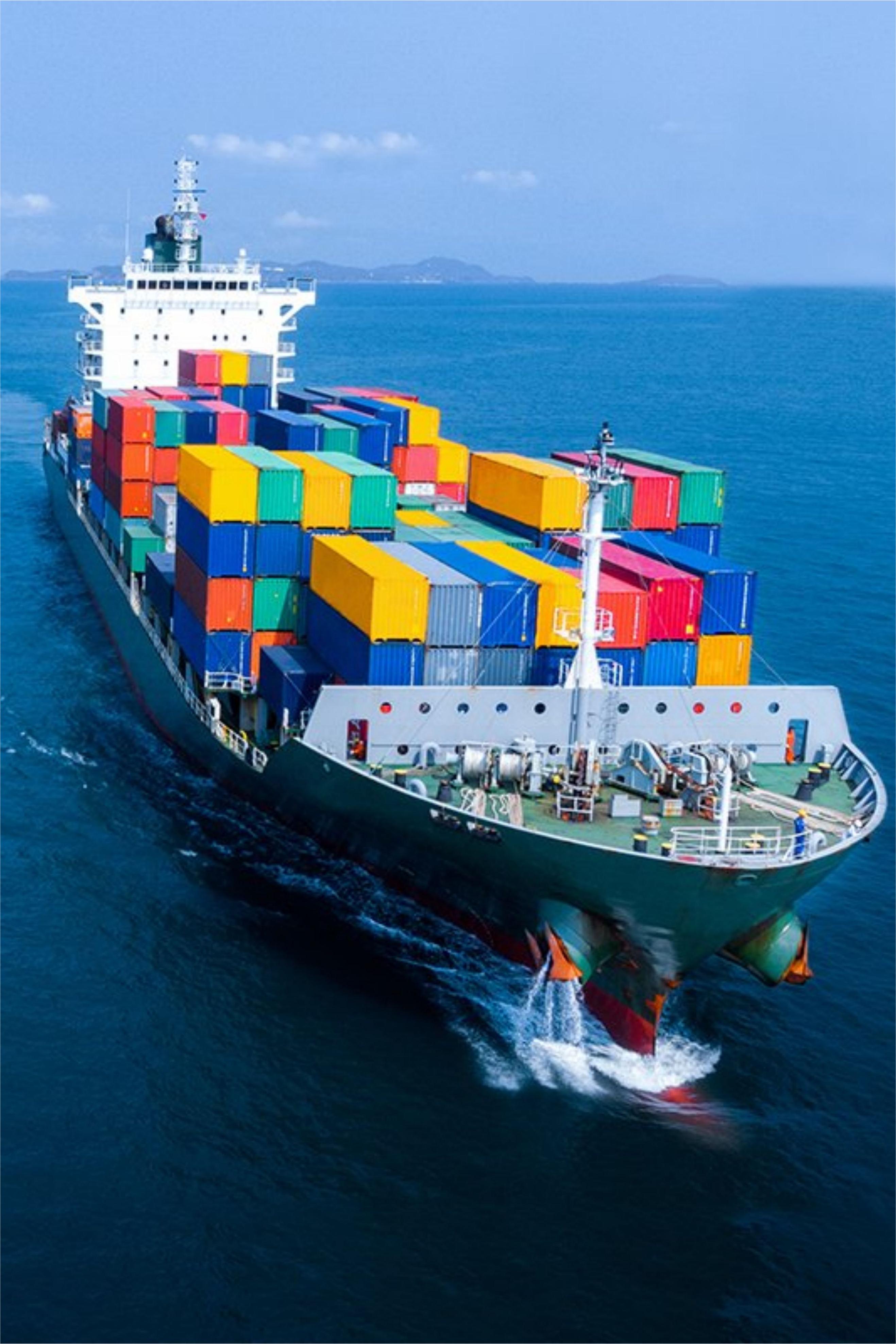
What Makes China to Australia Shipping Fast UAE Routes Unique?
Logistics networks today often leverage global hubs to expedite the movement of goods. Specifically, using UAE-based logistics strategies for China to Australia routes can offer unique advantages in terms of cargo handling and redistribution.
Furthermore, many freight forwarders utilize the advanced infrastructure in the UAE to manage transshipments more efficiently than traditional direct routes. This approach often results in a more reliable delivery schedule for high-priority shipments.
Additionally, the integration of sophisticated tracking technology ensures that every package is monitored throughout its journey. Consequently, importers can maintain better control over their supply chain management processes.
How Does Air Freight Compare to Other Shipping Options?
Choosing the right transportation method is critical for maintaining a competitive edge in the Australian market. While air freight remains the fastest option, it typically involves higher costs compared to sea-based alternatives.
Moreover, businesses must weigh the urgency of their shipment against their available budget. For instance, high-value electronics or urgent medical supplies often justify the premium price of air transport.
In contrast, bulkier items might be better suited for different methods. However, if speed is the primary concern, air cargo remains the unrivaled choice for most importers.
| Shipping Method | Cost Range | Transit Time | Best For |
|---|---|---|---|
| Air Freight | $5.00 – $12.00 per kg | 3 – 7 Days | High-value, urgent goods |
| Sea Freight (FCL) | $1,200 – $2,000 per 20GP | 18 – 25 Days | Large volume, bulk items |
| Express Service | $8.00 – $15.00 per kg | 2 – 5 Days | Small parcels, documents |
| Sea-Air Hybrid | Moderate | 10 – 15 Days | Cost-speed balance |
Is Sea Freight a Viable Alternative for Speed?
Many importers wonder if sea freight can ever be considered fast. While it is naturally slower than air, choosing direct routes and premium carriers can significantly reduce the standard transit time.
Additionally, efficient port operations in both China and Australia play a major role in the total door-to-door timeline. Therefore, selecting the right port of loading is just as important as the vessel itself.
Specifically, ports like Shenzhen or Ningbo often offer more frequent departures to major Australian hubs like Sydney and Melbourne. As a result, the waiting time for the next available vessel is minimized.

Decision Framework: Which Option Should You Choose?
Selecting the optimal strategy depends on several key factors including volume, weight, and budget. If your budget is the priority, we generally recommend sea freight for shipments over 15 CBM.
Conversely, if speed is your priority, air cargo or express service is the most logical recommendation. Small volume thresholds often make express shipping more economical than LCL sea freight.
Cargo type also considerations play a role. For example, perishable goods or seasonal fashion items require the rapid turnaround that only air-based solutions can provide.
Case Study 1: Expedited Electronics Distribution
Case Study 1: Electronics Distribution. Route: Shenzhen, China to Melbourne, Australia. Cargo: Consumer Tablets, 5 CBM, 1200 kg. Container: LCL. Shipping Details: Major carrier via UAE transshipment hub. Port of Loading: Shenzhen. Port of Discharge: Melbourne. Route Type: Transshipment.
Cost Breakdown: Ocean Freight: $1,100. Origin Charges: $350. Destination Charges: $480. Customs and Duties: $400. Total Landed Cost: $2,330. Timeline: Booking to Loading: 3 days. Sea Transit: 15 days. Customs Clearance: 2 days. Total Door to Door: 20 days.
Key Insight: Utilizing a fast transshipment hub in the UAE allowed the client to bypass congestion at direct ports during peak season. This strategy saved approximately 5 days compared to standard direct sea routes.
Case Study 2: Industrial Machinery Parts
Case Study 2: Machinery Parts. Route: Shanghai, China to Brisbane, Australia. Cargo: Steel Components, 28 CBM, 8500 kg. Container: 20GP. Shipping Details: Direct carrier service. Port of Loading: Shanghai. Port of Discharge: Brisbane. Route Type: Direct.
Cost Breakdown: Ocean Freight: $1,450. Origin Charges: $420. Destination Charges: $550. Customs and Duties: $600. Total Landed Cost: $3,020. Timeline: Booking to Loading: 4 days. Sea Transit: 17 days. Customs Clearance: 3 days. Total Door to Door: 24 days.
Key Insight: Direct routing for a full container load provided the most stable pricing and predictable delivery schedule. Based on early 2025 market rates, this remains the most efficient method for heavy industrial cargo.
The Role of Customs Brokerage in Fast Shipping
Navigating the complexities of international trade regulations is a major hurdle for many businesses. Utilizing a professional customs brokerage service can prevent costly delays at the border.
Furthermore, experts in Australian customs law ensure that all documentation is accurate and compliant with current standards. This preparation is essential for avoiding inspections and additional storage fees.
Indeed, the speed of your shipment is often determined by how quickly it clears the port of discharge. Therefore, investing in proper documentation is a fundamental part of any fast shipping strategy.
Market Context and Logistics Trends for 2025
According to industry benchmarks, the logistics landscape is shifting toward more resilient and flexible supply chains. As of Q1 2025, freight rates from China to Australia have stabilized after previous global disruptions.
Moreover, market data suggests that rates typically increase by 15 to 25 percent during the peak season from August to October. Importers should plan their shipments accordingly to avoid these seasonal price hikes.
Typical rates as of early 2025 indicate that carrier capacity is meeting demand, though fuel surcharges remain a variable factor. Consequently, staying informed about market trends is vital for accurate budgeting.
| Route | 20GP Container | 40HQ Container | Transit Time |
|---|---|---|---|
| China to Sydney | $850 – $1,250 | $1,500 – $2,100 | 14 – 18 Days |
| China to Melbourne | $900 – $1,300 | $1,600 – $2,200 | 16 – 20 Days |
| China to Brisbane | $800 – $1,200 | $1,450 – $2,000 | 12 – 16 Days |
| China to Perth | $1,000 – $1,400 | $1,800 – $2,400 | 20 – 25 Days |
Alternative Strategies for Cost-Saving
For businesses looking to reduce expenses without sacrificing too much speed, several alternative approaches exist. One effective method is consolidating multiple smaller shipments into a single larger one.
Additionally, switching from air freight to a sea-air hybrid solution can offer a middle ground for transit times. This strategy often utilizes hubs in Southeast Asia or the Middle East to optimize the route.
Notably, choosing DAP or DDP incoterms can also simplify the process for the buyer, though it requires a trust-worthy partner for shipping to Australia. Each alternative comes with specific trade-offs regarding control and cost.
Final Thoughts on Fast Shipping to Australia
To summarize, achieving success in china to australia shipping fast uae routes requires a combination of strategic planning and the right logistics partners. Whether you prioritize the speed of air cargo or the volume of sea freight, understanding the market context is essential.
Indeed, by focusing on efficient customs clearance and choosing the right shipping methods, businesses can significantly improve their delivery schedules. Always remember that freight rates are subject to change based on fuel costs and carrier capacity.
Ultimately, the goal is to create a seamless flow of goods that supports your business growth in the competitive Australian market.

Ready to streamline your logistics?
Streamline your international logistics today by partnering with experts who understand the china to australia shipping fast uae route. Contact Global China Freight to receive a customized quote and optimize your supply chain for 2025. Send Inquiry link: Visit https://globalchinafreight.com/.
Request Quote