

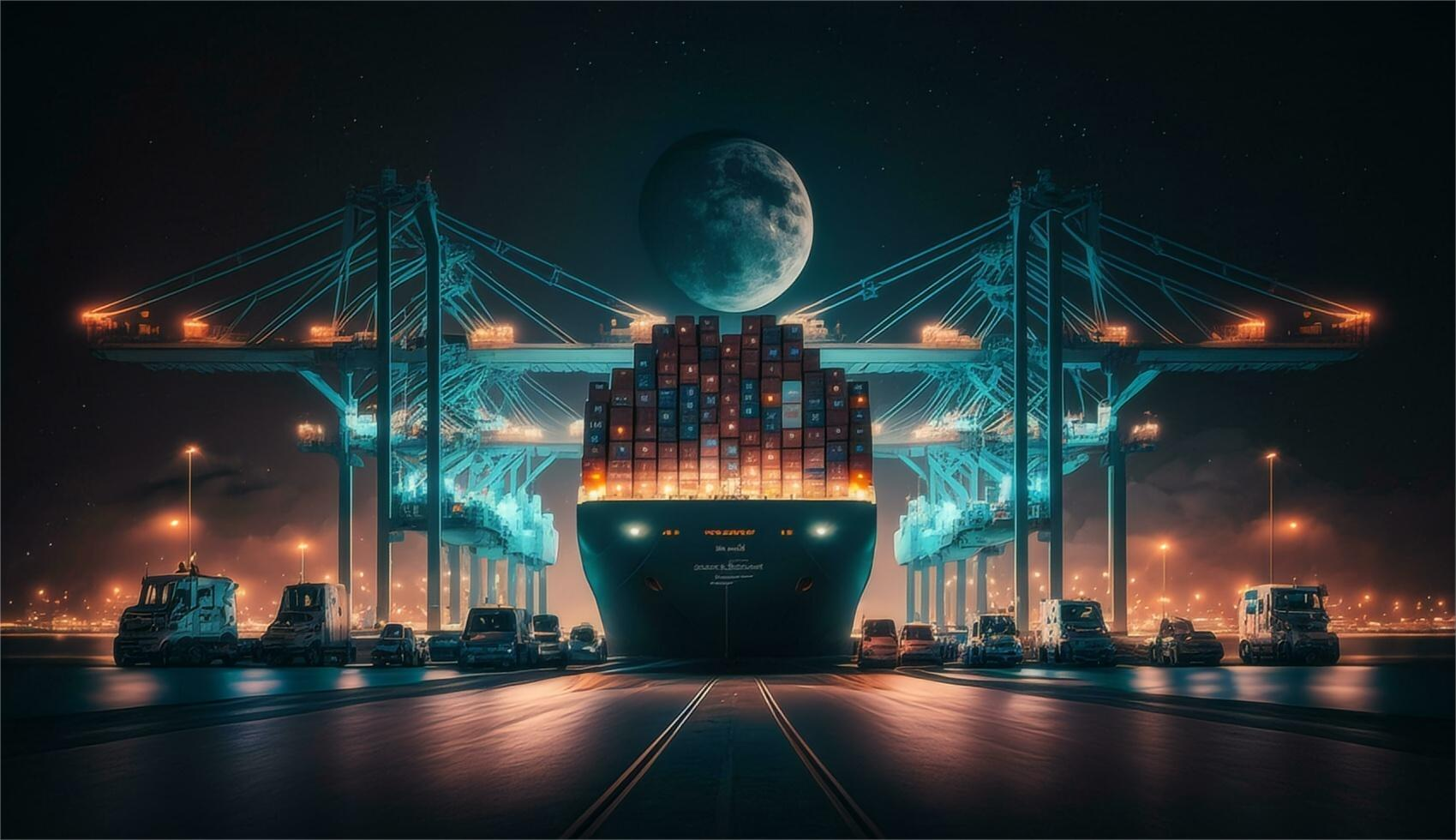
FCL Shipping China for Ecommerce Mexico: The Ultimate 2025 Logistics Guide
FCL shipping China for ecommerce Mexico has become a cornerstone for businesses looking to scale their operations in the Latin American market. Consequently, understanding how to manage full container loads effectively can determine the profitability of your online store. By partnering with Global China Freight, you gain access to expert logistics solutions tailored for the Mexican market. Therefore, this guide will explore every aspect of the shipping process to ensure your business remains competitive and efficient.
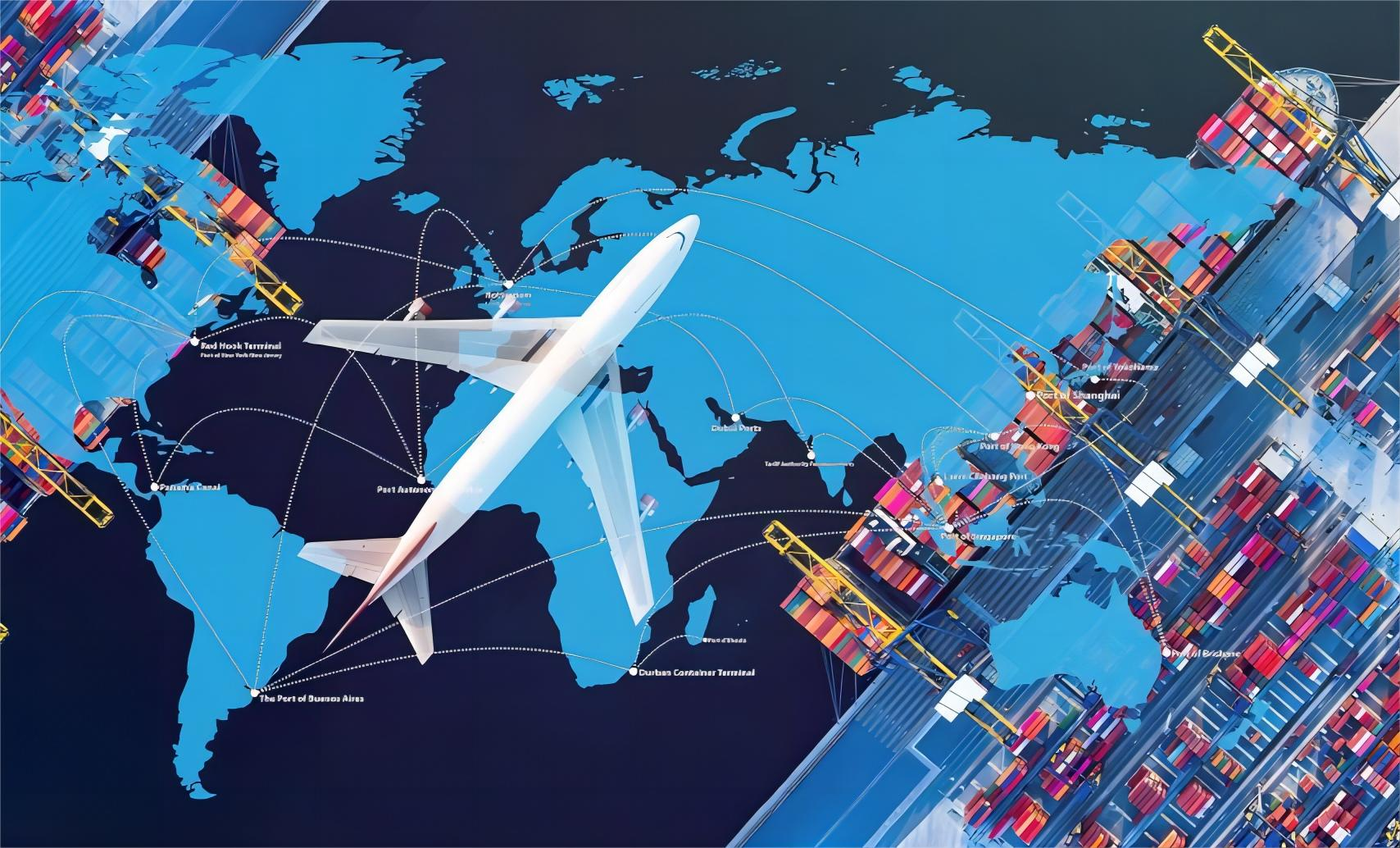
Why FCL Shipping China for Ecommerce Mexico is Essential
FCL shipping China for ecommerce Mexico offers unparalleled security for high-volume sellers. Specifically, having a dedicated container reduces the risk of damage because your goods are not mixed with other shipments. Moreover, the cost per unit significantly decreases when you fill an entire container. This advantage allows you to maintain better margins on your ecommerce platforms.
Additionally, the speed of handling is often superior to other methods. Since the container does not need to be consolidated or deconsolidated at various hubs, you experience fewer delays. Consequently, your inventory reaches the Mexican fulfillment centers much faster. This reliability is crucial for maintaining high seller ratings and customer satisfaction.
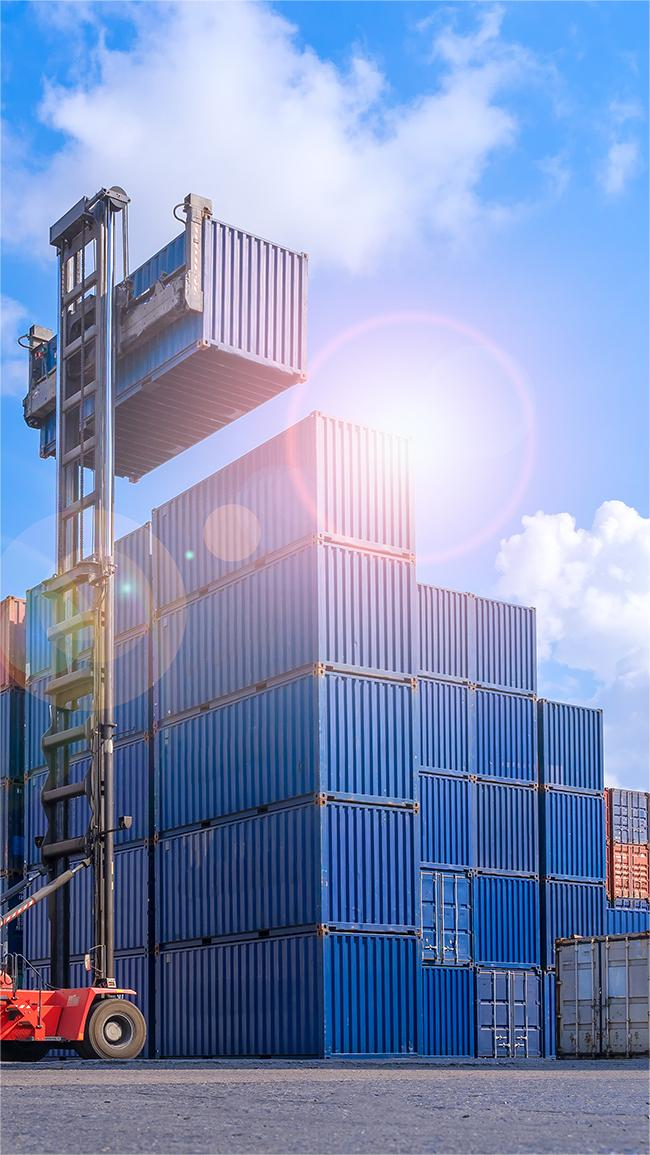
Furthermore, managing a full container load simplifies the tracking process. You can monitor the progress of your entire inventory as a single unit across the ocean. Indeed, this transparency helps you plan your marketing campaigns and stock levels with greater precision. Most successful sellers choose FCL to avoid the complexities of shared shipping spaces.
How Does FCL Shipping Compare to Other Shipping Options?
When evaluating your logistics strategy, you must compare FCL against alternatives like LCL and air freight. While sea freight remains the most popular choice for bulk goods, each method has specific use cases. For instance, air freight is unbeatable for speed but carries a much higher price tag.
On the other hand, Less than Container Load (LCL) is suitable for smaller batches but often involves more handling. This increased handling can lead to longer transit times and a higher risk of minor damages. Therefore, FCL is typically the preferred choice once your volume exceeds 15 to 20 cubic meters.
Hybrid solutions like sea-air combinations are also gaining traction for urgent restocking. However, these methods require careful coordination to be cost-effective. For most established ecommerce brands, the consistency of FCL shipping China for ecommerce Mexico provides the best balance of cost and reliability.
| Shipping Method | Cost Range | Transit Time | Best For |
|---|---|---|---|
| FCL Sea Freight | $2,500 – $4,800 | 25 – 35 Days | Bulk Inventory |
| LCL Sea Freight | $150 – $300/CBM | 35 – 45 Days | Trial Orders |
| Air Freight | $6.00 – $12.00/kg | 5 – 10 Days | Urgent Restocks |
| Express Service | $9.00 – $15.00/kg | 3 – 5 Days | High-Value Items |
Understanding FCL Shipping Costs for Mexico
Shipping costs are influenced by several factors including fuel surcharges, seasonal demand, and container availability. Typically, prices for a 40HQ container from China to Mexico fluctuate throughout the year. For example, rates often spike during the months leading up to the holiday season. Planning your shipments in advance can help you secure more favorable rates.
Moreover, you must account for origin and destination charges. These include terminal handling fees, documentation costs, and port security surcharges. Consequently, the ocean freight rate is only one part of the total landed cost. Working with a transparent provider ensures you do not encounter unexpected expenses at the port of discharge.
Note: Freight rates are subject to change based on fuel costs, carrier capacity, and seasonal demand. Contact us for a current quote tailored to your specific shipment.
| Container Type | Volume Capacity | Estimated Cost | Average Payload |
|---|---|---|---|
| 20GP Container | 33 CBM | $2,200 – $3,000 | 18,000 kg |
| 40GP Container | 67 CBM | $3,200 – $4,200 | 26,000 kg |
| 40HQ Container | 76 CBM | $3,500 – $4,800 | 26,000 kg |

Transit Times and Major Port Routes
The transit time for FCL shipping China for ecommerce Mexico depends largely on the specific ports of loading and discharge. Most shipments from China originate in major hubs like Shanghai, Shenzhen, or Ningbo. Meanwhile, the primary entry points in Mexico are Manzanillo and Lazaro Cardenas on the Pacific coast.
Direct routes usually take between 22 and 30 days depending on the carrier and weather conditions. However, transshipment through other ports can extend this timeline by an additional week. Therefore, selecting a direct service is often worth the slight premium for ecommerce businesses. Speedy delivery allows you to maintain lower safety stock levels.
Additionally, port congestion can occasionally impact your delivery schedule. During peak seasons, vessels may wait several days before docking at Mexican ports. Consequently, you should always build a buffer into your supply chain planning. Monitoring real-time tracking data helps you manage customer expectations effectively.
| Origin Port | Destination Port | Direct Transit | Transshipment |
|---|---|---|---|
| Shenzhen | Manzanillo | 24 – 28 Days | 32 – 38 Days |
| Shanghai | Lazaro Cardenas | 26 – 30 Days | 35 – 40 Days |
| Ningbo | Manzanillo | 25 – 29 Days | 34 – 39 Days |
| Qingdao | Ensenada | 22 – 26 Days | 30 – 35 Days |
Navigating Mexico Customs Clearance for Ecommerce
Customs clearance is often the most complex part of the shipping process. Mexico has strict regulations regarding product labeling and safety certifications. Therefore, employing a professional customs brokerage service is highly recommended. They ensure that all your documentation complies with Mexican law to avoid costly delays.
Moreover, you must have a valid Tax ID and be registered in the Padron de Importadores. Without these credentials, your shipment cannot legally enter the country. Consequently, many sellers choose to work with an Importer of Record (IOR) if they lack a local legal entity. This strategy simplifies the entry process for international brands.
Furthermore, you should be prepared for potential inspections by Mexican customs officials. They frequently verify the value and classification of imported goods to ensure correct duty payments. Indeed, accurate invoicing and detailed packing lists are essential for a smooth clearance experience. Any discrepancy can lead to fines or even the seizure of your inventory.
Real-World Case Studies for Mexico Shipping
Case Study 1: High-Volume Electronics Restock. Route: Shenzhen, China to Manzanillo, Mexico. Cargo: Consumer electronics, 68 CBM, 14,000 kg. Container: 40HQ. Shipping Details: Direct service via major carrier. Port of Loading: Shenzhen. Port of Discharge: Manzanillo. Cost Breakdown: Ocean Freight $3,900, Origin Charges $450, Destination Charges $600, Customs & Duties $1,200. Total Landed Cost: $6,150. Timeline: Booking to Loading 4 days, Sea Transit 26 days, Customs Clearance 3 days. Total Door-to-Door: 33 days. Key Insight: Choosing a direct route saved the client 8 days compared to their previous transshipment method.
Case Study 2: Home Decor Seasonal Launch. Route: Ningbo, China to Lazaro Cardenas, Mexico. Cargo: Home furniture and decor, 29 CBM, 9,000 kg. Container: 20GP. Shipping Details: Transshipment via Busan. Port of Loading: Ningbo. Port of Discharge: Lazaro Cardenas. Cost Breakdown: Ocean Freight $2,400, Origin Charges $380, Destination Charges $550, Customs & Duties $900. Total Landed Cost: $4,230. Timeline: Booking to Loading 5 days, Sea Transit 34 days, Customs Clearance 4 days. Total Door-to-Door: 43 days. Key Insight: Despite the longer transit, the lower freight rate allowed the seller to maintain a 40 percent profit margin during the off-peak season.
Which Option Should You Choose for Your Business?
Choosing the right shipping strategy depends on your specific business needs and inventory volume. If your priority is budget and you have high-volume goods, FCL is clearly the winner. However, if you are testing a new product line, LCL might be a safer initial investment. You should evaluate your stock turnover rates before making a final decision.
Additionally, consider the destination within Mexico. If your warehouse is near the coast, door to door sea freight is incredibly efficient. Conversely, if you are shipping to Mexico City, you must factor in the inland trucking costs from the port. Most sellers find that a comprehensive logistics partner can manage these domestic legs seamlessly.
For those selling on major platforms, specialized Amazon FBA shipping services can simplify the process. These services ensure that your containers meet the strict delivery appointments required by fulfillment centers. Consequently, you avoid the penalties associated with late or non-compliant deliveries.
Strategic Tips for Cost-Saving and Efficiency
To maximize your efficiency, always try to optimize your packaging to fit as much as possible into a single container. For instance, reducing the size of individual product boxes can allow you to fit hundreds of extra units. Moreover, consolidate shipments from multiple suppliers into one FCL container at a China warehouse. This approach reduces the number of separate shipments you need to manage.
Furthermore, stay informed about the latest logistics trends and port conditions. Consequently, you can shift your shipping dates to avoid peak surcharges or known congestion periods. Indeed, flexibility in your delivery schedule can lead to substantial savings over the course of a year. Many successful ecommerce entrepreneurs use this data-driven approach to stay ahead of their competition.
Lastly, always insure your cargo. While FCL shipping China for ecommerce Mexico is generally safe, the ocean is unpredictable. A small investment in insurance provides peace of mind and protects your capital against unforeseen disasters. Therefore, never skip this step regardless of how reliable your carrier may seem.
Final Thoughts on FCL Shipping to Mexico
FCL shipping China for ecommerce Mexico remains the most effective way to move large quantities of goods across the Pacific. By understanding the costs, transit times, and customs requirements, you can build a resilient and profitable supply chain. Moreover, selecting the right logistics partner will allow you to navigate the challenges of 2025 with confidence.
In summary, focusing on FCL shipping China for ecommerce Mexico gives you the scale and security needed to dominate your niche. Whether you are shipping electronics or home goods, the benefits of a full container are undeniable. Start planning your next shipment today to secure the best rates and transit times for your business.
Ready to streamline your logistics?
Ready to optimize your supply chain and reduce costs? Visit Global China Freight today to request a custom quote for your FCL shipping China for ecommerce Mexico needs. Our experts are standing by to help you navigate the complexities of international logistics and ensure your business thrives in the Mexican market. Send Inquiry: Visit https://globalchinafreight.com/contact-us/
Request Quote