

Door to Door Shipping China Poland: The Complete Logistics Guide for 2025
Door to door shipping China Poland represents one of the most efficient ways for modern businesses to manage their international supply chains without the headache of coordinating multiple logistics providers. By choosing a comprehensive service from Global China Freight, importers can focus on their core operations while experts handle the entire journey from the factory floor in Shenzhen to the warehouse shelf in Warsaw. This seamless approach eliminates the traditional complexities associated with port-to-port logistics and ensures a predictable delivery schedule for your valuable cargo.
What are the Benefits of Door to Door Shipping China Poland?
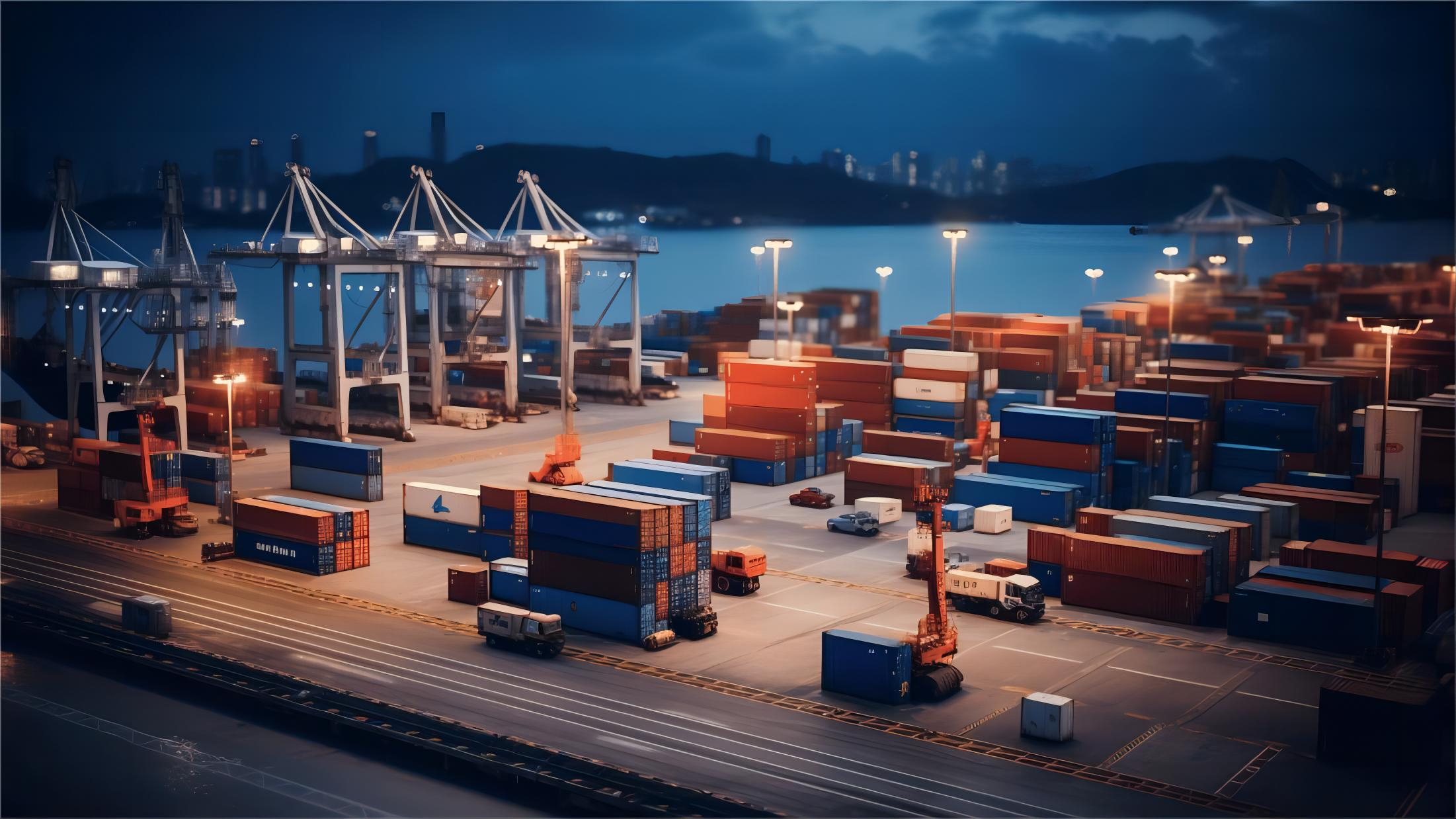
Choosing a door to door shipping China Poland service offers unparalleled convenience by consolidating all logistics stages into a single contract. Consequently, businesses no longer need to communicate separately with trucking companies, ocean carriers, and customs brokers. This integrated model provides a single point of accountability, which significantly reduces the risk of communication errors during the transit process.
Furthermore, this method allows for better cost predictability throughout the shipping cycle. Because the freight forwarder provides an all-in quote, importers can avoid unexpected local charges at the port of discharge that often surprise those using port-to-port terms. Additionally, the streamlined nature of door-to-door logistics often results in faster overall transit times by minimizing the idle periods between different transport modes.
Specifically, the service covers everything from the initial pick-up at the supplier’s warehouse to the final delivery at the destination. Meanwhile, the logistics provider manages all documentation and regulatory requirements, ensuring that the cargo moves smoothly across international borders. Therefore, small and medium enterprises can compete more effectively by leveraging professional logistics expertise without maintaining an in-house shipping department.
How Does Door to Door Shipping Compare to Other Shipping Options?
Evaluating the different modes of transport is essential for optimizing your logistics strategy between China and Poland. While sea freight remains the most economical choice for massive volumes, rail freight has emerged as a powerhouse for the Polish market due to the country’s strategic location on the New Silk Road. In contrast, air freight serves as the premium option for high-value or time-sensitive electronics and automotive components.
Moreover, the choice between FCL (Full Container Load) and LCL (Less than Container Load) depends heavily on your specific volume requirements. For shipments exceeding 15 cubic meters, FCL is generally more cost-effective and offers better security. On the other hand, LCL allows smaller businesses to share container space, making it a flexible alternative for trial orders or low-volume inventory replenishment.
To summarize the market landscape, the following table provides a clear comparison of the primary shipping methods currently available for the China-Poland route.
| Shipping Method | Cost Range (USD) | Transit Time | Best For |
|---|---|---|---|
| Sea Freight (FCL) | $3,000 – $4,500 | 35-45 Days | Bulk goods and large machinery |
| Rail Freight | $2,500 – $3,800 | 16-22 Days | Mid-range budget and speed |
| Air Freight | $5.50 – $9.00/kg | 5-8 Days | Urgent or high-value cargo |
| Express Service | $8.00 – $12.00/kg | 3-5 Days | Samples and small parcels |
Understanding the Role of Sea Freight in Poland Logistics
Utilizing sea freight remains the backbone of trade between China and Poland, especially for heavy industrial equipment and consumer goods. Most shipments arrive at major Polish ports like Gdansk or Gdynia, which serve as critical gateways for the Central European market. Nevertheless, some importers prefer routing their cargo through larger hubs like Hamburg or Rotterdam before trucking it to Poland.
Ocean freight offers the lowest carbon footprint per ton of cargo moved over long distances. Accordingly, it is the preferred choice for companies looking to meet sustainability goals while maintaining low landed costs. However, the longer transit times require careful inventory planning to avoid stockouts during peak seasons like the lead-up to Christmas.
Indeed, the maritime route involves navigating the Suez Canal, which can occasionally face disruptions. Despite these challenges, the reliability of major carriers like COSCO and Maersk ensures a consistent flow of goods. Consequently, businesses that can afford longer lead times will find sea freight to be the most financially viable door-to-door solution.
Why Rail Freight is the Strategic Choice for Poland?
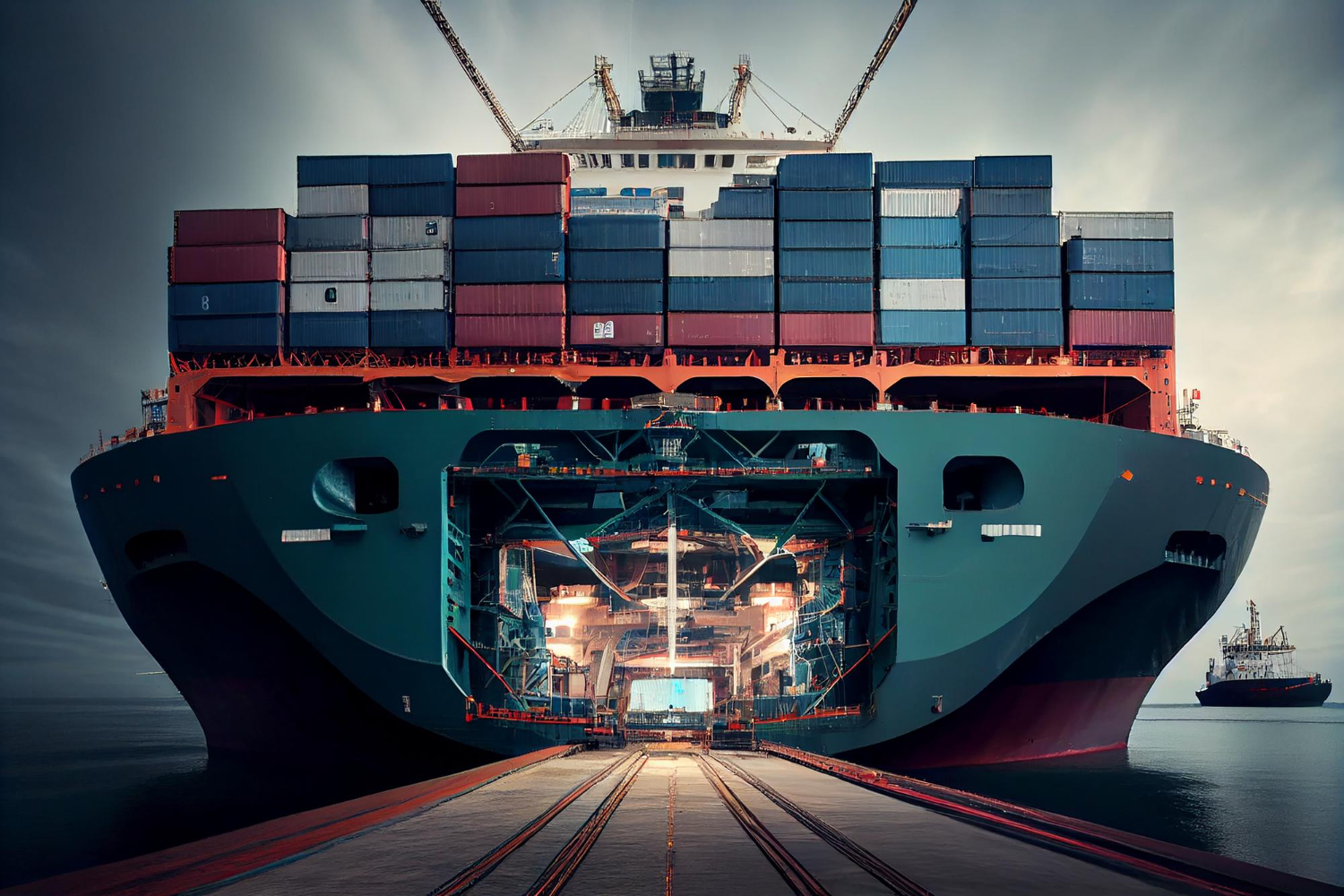
Poland occupies a unique position in the Eurasian logistics network, acting as the primary entry point for rail freight coming from China. The border crossing at Malaszewicze handles the vast majority of container trains traveling along the North-South corridor. As a result, rail transport offers a perfect middle ground, being significantly faster than sea and much cheaper than air.
Transit times for rail shipments typically range from 16 to 22 days, making it ideal for the fashion and electronics industries. Furthermore, rail freight is less susceptible to the weather-related delays that can plague air and sea transport. Consequently, many Polish importers have shifted their primary logistics strategy toward the iron silk road to balance speed and cost.
Additionally, rail services offer high security and stable pricing compared to the volatile ocean freight market. Because the infrastructure is fixed, the delivery schedules are often more predictable. Therefore, if your cargo is too heavy for air but too urgent for sea, rail freight door-to-door is the most logical recommendation.
Using Air Freight for Time-Sensitive Polish Imports
When speed is the absolute priority, air freight provides the fastest connection between Chinese manufacturing hubs and Polish airports. Major hubs such as Warsaw Chopin Airport (WAW) receive daily shipments of high-tech components and pharmaceutical products. Moreover, the security protocols at air terminals are the most stringent, reducing the risk of theft for luxury items.
While the costs are higher, the reduction in inventory holding costs can often justify the investment. For instance, launching a new product line simultaneously across Europe requires the rapid replenishment capabilities that only air transport can provide. Meanwhile, the door-to-door service ensures that the final mile delivery from the airport to your facility is handled with the same level of urgency.
Without a doubt, air freight is the best solution for emergency situations or seasonal peaks where demand outstrips supply. In addition, the shorter transit time means that your capital is tied up in transit for days rather than weeks. Consequently, air freight remains a vital tool for maintaining a responsive and agile supply chain in the Polish market.
Navigating Customs Brokerage and Compliance in Poland
Successful door to door shipping China Poland depends heavily on efficient customs brokerage to avoid costly delays. Polish customs authorities require precise documentation, including the Commercial Invoice, Packing List, and a valid EORI number. Furthermore, understanding the specific HS codes for your products is crucial for determining the correct duty and VAT rates.
Logistics providers often handle the VAT deferment process, which can significantly improve cash flow for Polish importers. Specifically, under certain conditions, the VAT can be settled in the monthly tax return rather than paid immediately at the border. This financial flexibility is a major advantage of working with an experienced freight forwarder who understands local Polish regulations.
Moreover, ensuring compliance with EU safety standards and CE marking is mandatory for many product categories. Consequently, failing to provide the necessary certificates can lead to cargo seizures or mandatory returns to China. Therefore, verifying all compliance requirements before the cargo leaves the factory is a critical step in the door-to-door process.
| Document Type | Purpose | Required By | Criticality |
|---|---|---|---|
| Commercial Invoice | Value declaration | Customs | High |
| Packing List | Cargo details | Warehouse/Customs | High |
| Bill of Lading | Title to goods | Carrier/Bank | High |
| Certificate of Origin | Duty determination | Customs | Medium |
Which Option Should You Choose? A Decision Framework
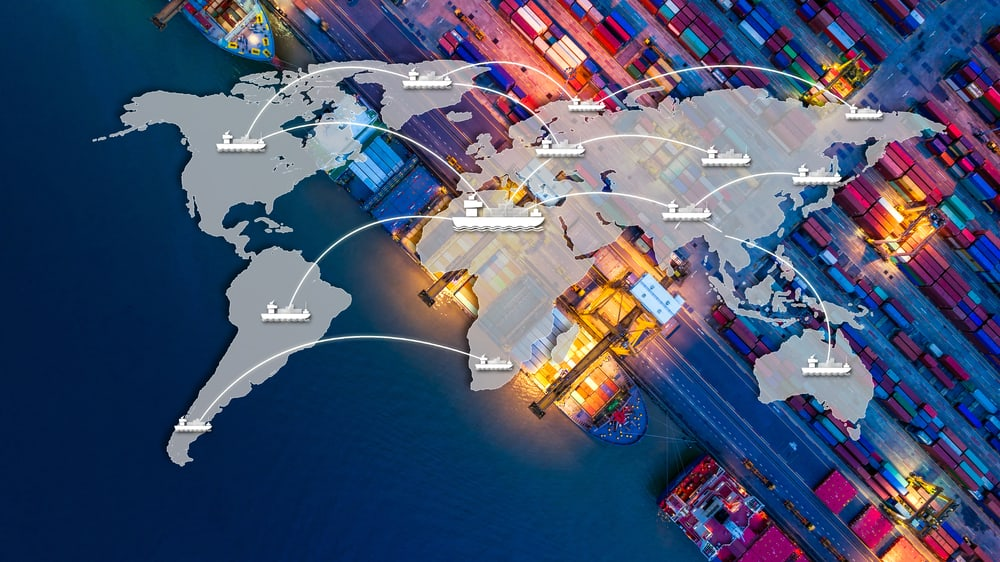
Selecting the right shipping method requires a balanced analysis of your budget, timeline, and cargo characteristics. If your primary goal is cost reduction and you have a flexible schedule, sea freight is the undisputed winner. Conversely, if you are shipping high-value electronics that lose value quickly, air freight is the necessary choice to protect your margins.
For most businesses operating in the Europe region, rail freight offers the most balanced value proposition. It provides the speed necessary to keep up with market trends without the exorbitant costs of air transport. Additionally, consider hybrid solutions like sea-air or rail-sea if you need to optimize specific segments of your journey for cost or speed.
Indeed, volume thresholds play a significant role in this decision. For shipments under 100kg, express couriers are often the most efficient. Between 100kg and 500kg, air freight becomes competitive. For anything larger, rail or sea freight should be your primary consideration. Consequently, reviewing your shipping data quarterly can help you adjust your strategy as your business scales.
Real-World Case Studies: China to Poland Shipments
Examining real-world examples helps to illustrate the practicalities of door to door shipping China Poland. These cases reflect typical scenarios encountered by importers in the current market environment. Note that rates are based on early 2025 market data and are subject to seasonal fluctuations and fuel surcharges.
Case Study 1: Electronics Distribution in Warsaw. A technology wholesaler needed to ship 500kg of high-end tablets from Shenzhen. By choosing air freight, they avoided a stockout during a major promotional event, despite the higher freight cost per unit.
Case Study 2: Furniture Retailer in Krakow. A home decor brand imported a full 40HQ container of modular sofas via sea freight. This choice allowed them to maintain a low retail price point, which was their primary competitive advantage in the Polish market.
Case Study 1: High-Value Electronics via Air Freight
Route: Shenzhen, China to Warsaw, Poland
Cargo: Tablets and Accessories, 2.5 CBM, 480 kg
Shipping Method: Air Freight Door-to-Door
Cost Breakdown: Air Freight $3,100; Origin/Dest Charges $450; Total Landed Cost $3,550
Timeline: 6 Days total door-to-door
Key Insight: Using air freight allowed the client to meet a strict product launch deadline that rail or sea could not accommodate.
Case Study 2: Industrial Machinery via Rail Freight
Route: Chengdu, China to Lodz, Poland
Cargo: CNC Spare Parts, 12 CBM, 3,200 kg
Container: LCL (Shared Container)
Cost Breakdown: Rail Freight $1,850; Customs Clearance $200; Delivery $350; Total Landed Cost $2,400
Timeline: 20 Days total door-to-door
Key Insight: Rail provided a 50% time saving compared to sea freight at only 30% higher cost, making it the perfect middle-ground solution.
Final Thoughts on Poland-China Logistics
Navigating the complexities of door to door shipping China Poland requires a combination of strategic planning and expert execution. By understanding the trade-offs between sea, rail, and air freight, you can build a more resilient supply chain that adapts to market changes. Moreover, the convenience of a door-to-door service allows you to focus on growth while professionals manage the tactical details of international transport.
As Poland continues to grow as a major European logistics hub, the options for efficient shipping will only expand. Therefore, staying informed about the latest trends in customs regulations and infrastructure developments is vital. Ultimately, the right logistics partner will not only move your cargo but also provide the market intelligence needed to thrive in the global economy.
Ready to streamline your logistics?
Optimizing your door to door shipping China Poland strategy is essential for maintaining a competitive edge in today’s fast-paced market. Whether you require the speed of air or the economy of rail, our team is ready to provide a tailored quote that fits your specific business needs. Contact us today to learn more about our integrated logistics solutions and how we can simplify your import process. Visit our inquiry page to get started with a professional freight assessment.
Request Quote