
Global Freight Forwarder China Door to Door Service: 2026 Logistics Guide
Navigating the complexities of international trade requires a reliable global freight forwarder china door to door service to manage every step of the logistics process. Importers often struggle with coordinating multiple carriers and navigating strict customs regulations at various borders. Consequently, this comprehensive guide provides the necessary insights to streamline your shipping operations and ensure timely deliveries in 2026.
✦
What Is a Global Freight Forwarder China Door to Door Service?
A door to door service provides a seamless logistics solution where the forwarder handles the entire journey from the supplier in China to the final destination. This comprehensive approach eliminates the need for importers to manage separate contracts for trucking, ocean freight, and customs clearance. Consequently, businesses can focus on their core operations while logistics experts oversee the movement of goods across continents.
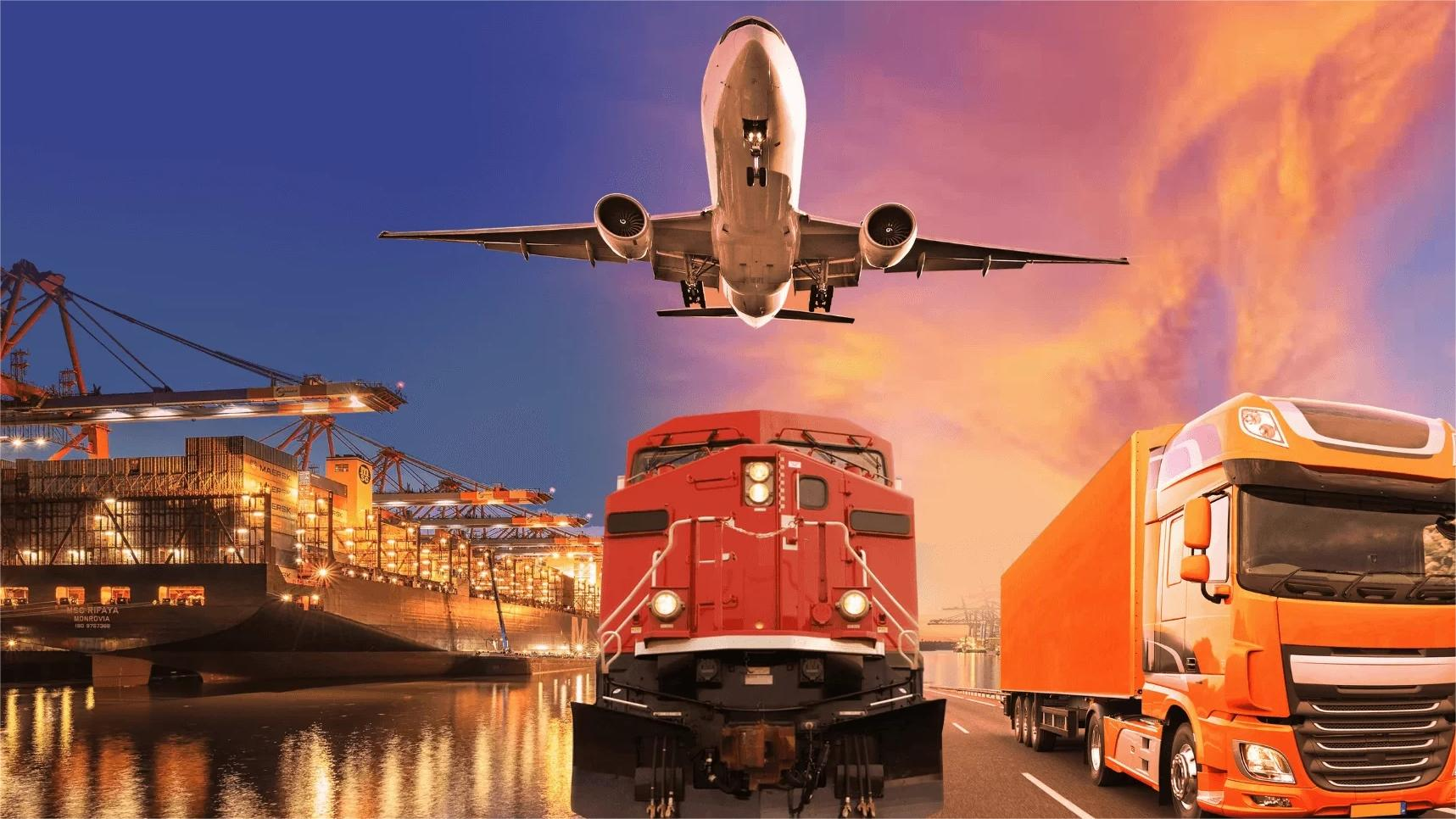
Moreover, this service model integrates various transportation modes to optimize transit times and reduce overall costs. Most providers offer a single point of contact, which significantly improves communication and visibility throughout the shipping cycle. Therefore, choosing a qualified partner is essential for maintaining a resilient and efficient supply chain in the modern market.
Additionally, the forwarder takes responsibility for the cargo at the origin and ensures it reaches the recipient’s warehouse safely. This involves meticulous planning of pickup schedules, container loading, and local delivery routes. Indeed, the efficiency of this model has made it the preferred choice for companies looking to simplify their import processes from China.
How Does Door to Door Shipping Compare to Other Options?
Understanding the differences between shipping terms is vital for calculating the true cost of your imports. While Port-to-Port services may seem cheaper initially, they often result in hidden costs and logistical headaches during the final mile. In contrast, a comprehensive door to door solution provides a fixed price that covers all necessary steps, including destination handling and trucking.
Furthermore, alternative strategies such as Sea-Air hybrid solutions are gaining popularity in 2026 for their balance of speed and cost. For instance, shipping by sea to a hub like Dubai and then by air to Europe can save significant time compared to pure ocean freight. Nevertheless, the simplicity of a single-provider door to door service remains unmatched for most standard commercial shipments.
When evaluating options, consider the trade-offs between speed, cost, and convenience. For urgent cargo, air freight is the logical choice despite the higher expense. On the other hand, sea freight offers the best value for large volumes, provided your inventory planning can accommodate longer lead times.
| Shipping Method | Cost Range | Transit Time | Best For | Limitations |
|---|---|---|---|---|
| Sea Freight (FCL) | $2,500 – $4,500 | 30 – 45 Days | Large volumes | Slow transit |
| Air Freight | $5.50 – $9.00/kg | 5 – 8 Days | High-value goods | High cost |
| Rail Freight | $1,800 – $3,200 | 18 – 25 Days | Mid-sized cargo | Limited routes |
| Express Service | $8.00 – $12.00/kg | 3 – 5 Days | Samples/Small parcels | Size limits |
Why You Need an Integrated Supply Chain Solution
Efficiency in cargo handling is a major advantage of using a sea freight expert for your door to door needs. Professional forwarders utilize advanced tracking systems to provide real-time updates on your shipment’s location and status. Consequently, you can provide accurate delivery schedules to your customers and improve overall satisfaction.
Additionally, a dedicated forwarder manages all aspects of documentation, which is often the most challenging part of international shipping. They ensure that commercial invoices, packing lists, and certificates of origin are correctly prepared to avoid delays. Therefore, the risk of incurring expensive demurrage or detention charges is greatly minimized.
Moreover, the integration of customs brokerage within the door to door package ensures that your goods clear regulatory hurdles without issue. Experts stay updated on the latest tariff changes and trade agreements, allowing them to optimize your tax liabilities. Indeed, this proactive approach to compliance is a hallmark of a top-tier logistics partner.
Which Shipping Option Should You Choose in 2026?
Selecting the right method depends heavily on your specific budget, cargo type, and urgency. If your primary goal is cost reduction, sea freight remains the most economical solution for bulk shipments. However, if you are shipping electronics or seasonal fashion items, the speed of air freight may justify the additional investment.
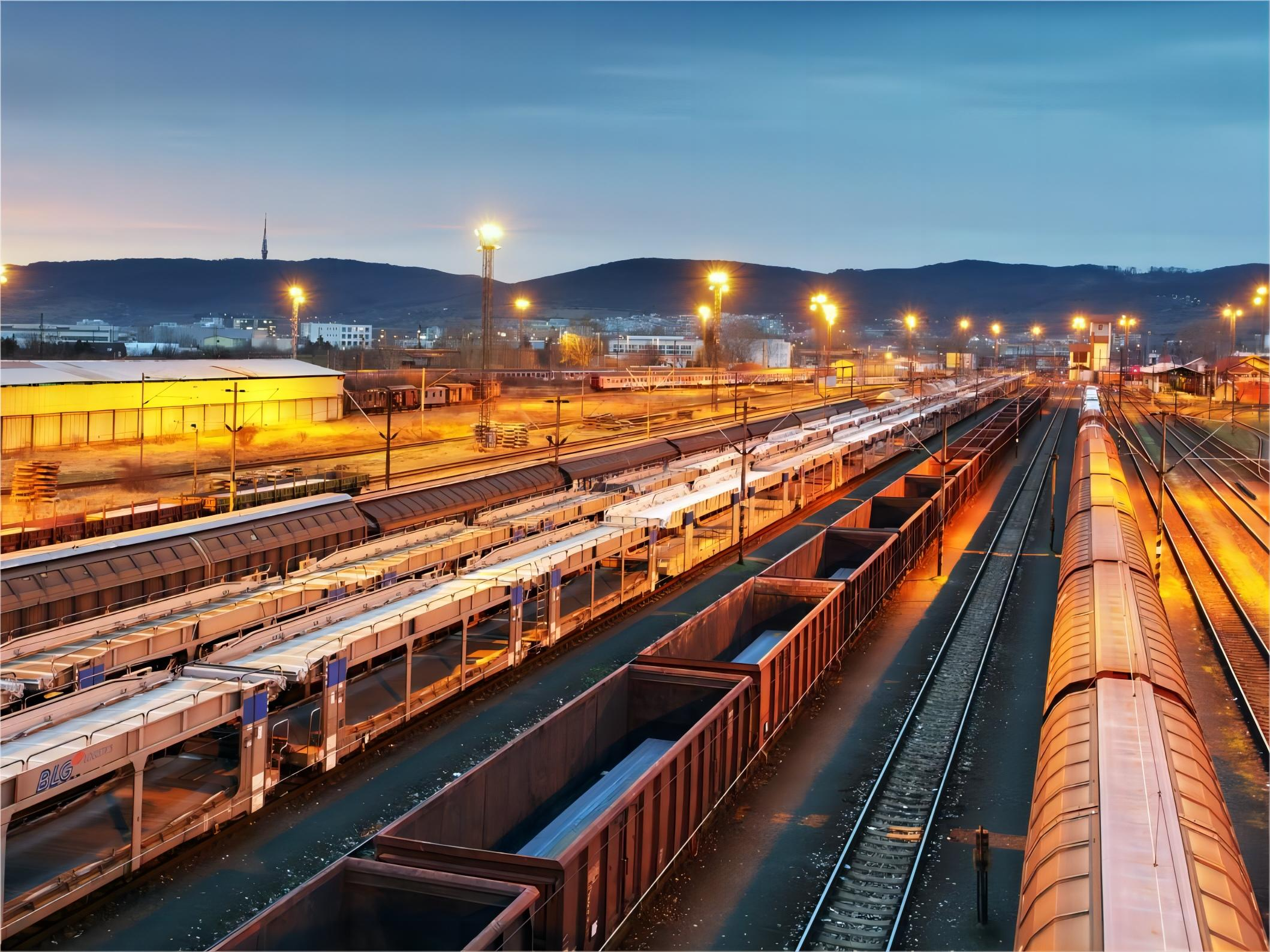
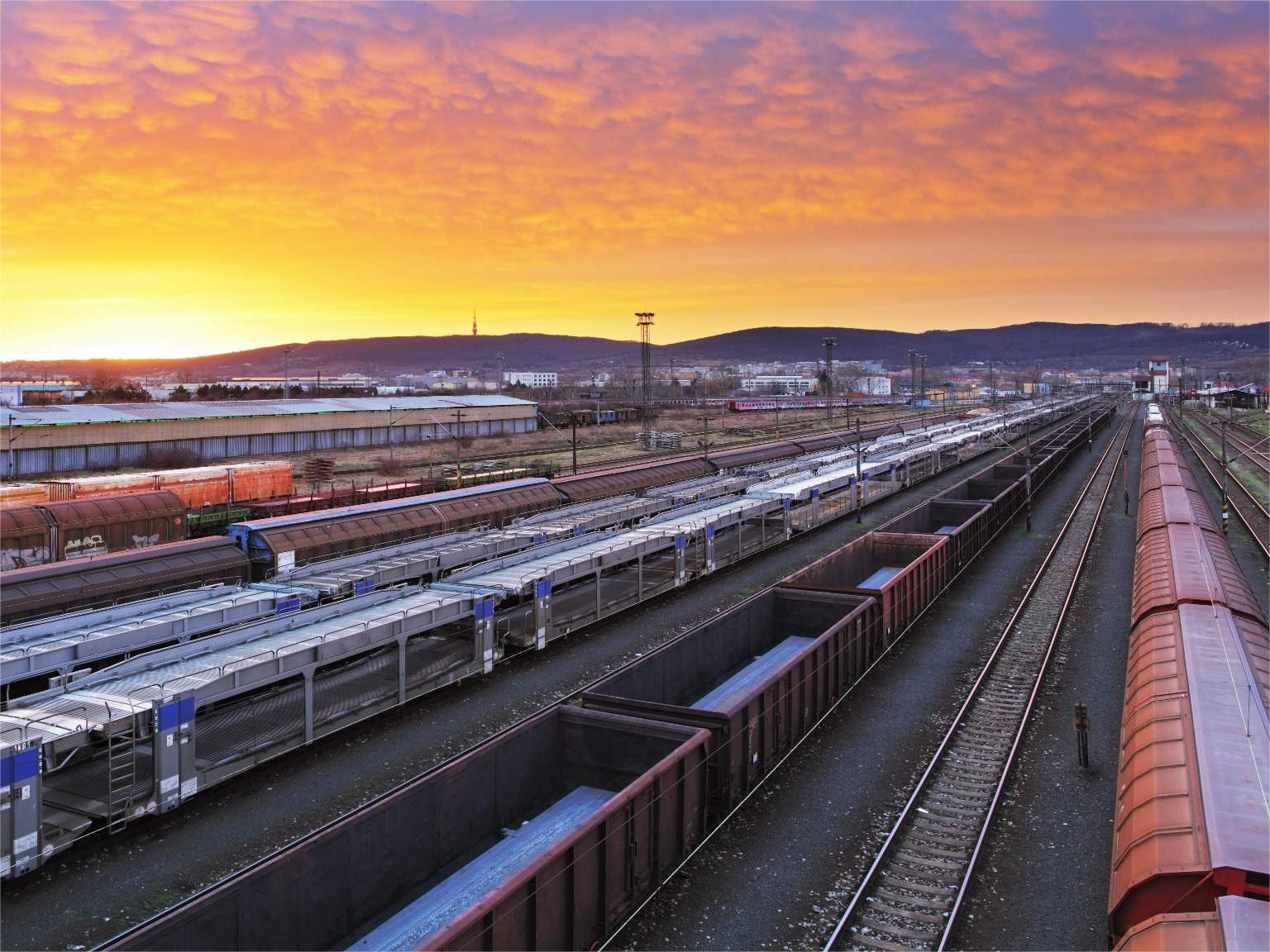
For businesses shipping to landlocked regions or Central Europe, rail freight offers a compelling middle ground. It is faster than sea freight and significantly cheaper than air transport, making it ideal for automotive parts and industrial machinery. Specifically, the China-Europe Railway Express continues to expand its capacity and reliability in 2026.
E-commerce sellers should consider specialized Amazon FBA services that cater to the unique requirements of fulfillment centers. These services include labeling, palletizing, and strict adherence to delivery appointments. Consequently, sellers can maintain high performance metrics and avoid inventory stockouts.
Decision Criteria for Logistics Managers
Budget priority: Recommend Sea Freight (LCL/FCL) for non-urgent shipments to maximize profit margins. Speed priority: Recommend Air Freight or Express for time-sensitive cargo and high-demand products. Cargo type: Use Reefer containers for perishables and Open Top containers for oversized machinery. Volume thresholds: For shipments over 15 CBM, FCL is generally more cost-effective than LCL.
Understanding 2026 Freight Rates and Market Trends
Market data suggests that freight rates have stabilized in early 2026 after the volatility seen in previous years. However, seasonal peaks such as the period leading up to the Lunar New Year still cause temporary price spikes. Therefore, it is advisable to book your shipments at least 3 to 4 weeks in advance to secure the best possible rates.
Furthermore, environmental regulations are influencing shipping costs as carriers invest in greener technologies and alternative fuels. These changes often result in small fuel surcharges, but they contribute to a more sustainable global supply chain. Notably, many forwarders now offer carbon-neutral shipping options for environmentally conscious brands.
Typical rates as of early 2026 reflect a balanced demand-supply dynamic across major trade lanes. While transpacific routes remain competitive, shipping to Europe has seen a slight increase due to updated port infrastructure fees. To summarize, staying informed about these trends allows you to budget more effectively for your annual logistics expenses.
| Route (From China) | 20GP Container | 40GP Container | 40HQ Container | Transit Time |
|---|---|---|---|---|
| USA West Coast | $1,600 – $2,300 | $2,600 – $3,600 | $2,900 – $3,900 | 15 – 20 Days |
| USA East Coast | $2,600 – $3,600 | $4,100 – $5,600 | $4,600 – $6,100 | 32 – 38 Days |
| Europe (Main Ports) | $1,900 – $2,600 | $2,900 – $3,900 | $3,100 – $4,300 | 30 – 36 Days |
| Australia | $900 – $1,300 | $1,300 – $1,900 | $1,500 – $2,100 | 14 – 20 Days |
Real-World Case Studies: Successful Door to Door Deliveries
Examining real-world examples helps illustrate the practical benefits of an integrated logistics strategy. These cases highlight how a global freight forwarder china door to door service can overcome common obstacles. By analyzing these scenarios, businesses can better prepare for their own shipping journeys.
Case Study 1: Electronics Distribution to Los Angeles. Route: Shenzhen to Los Angeles. Cargo: Consumer electronics, 22 CBM, 4,500 kg. Container: 1 x 20GP. Shipping Details: Direct sea transit via major carrier. Port of Loading: Shenzhen. Port of Discharge: Los Angeles. Cost Breakdown: Ocean Freight $2,100, Origin Charges $450, Destination Charges $600, Customs $1,200. Total Landed Cost: $4,350. Timeline: 22 days door to door. Key Insight: Early booking during the Q3 peak season saved the client 15% on freight costs.
Case Study 2: Industrial Parts to Hamburg. Route: Shanghai to Hamburg. Cargo: Precision machinery parts, 12 CBM, 3,200 kg. Shipping Method: LCL Sea Freight. Port of Loading: Shanghai. Port of Discharge: Hamburg. Cost Breakdown: Ocean Freight $1,100, Origin Charges $350, Destination Charges $500, Customs $800. Total Landed Cost: $2,750. Timeline: 35 days door to door. Key Insight: Utilizing a professional customs broker prevented potential delays related to technical documentation.
Case Study 3: Retail Goods to Sydney. Route: Ningbo to Sydney. Cargo: Apparel and textiles, 65 CBM. Container: 1 x 40HQ. Shipping Method: FCL Sea Freight. Port of Loading: Ningbo. Port of Discharge: Sydney. Cost Breakdown: Ocean Freight $1,800, Origin Charges $400, Destination Charges $550, Customs $1,100. Total Landed Cost: $3,850. Timeline: 18 days door to door. Key Insight: Direct routing minimized handling risks and ensured the cargo arrived in pristine condition for the retail season.
Customs Documents Checklist for Smooth Importation
Accurate documentation is the foundation of a successful import operation from China. Missing or incorrect paperwork can lead to severe delays and significant financial penalties at the port of entry. Therefore, it is essential to verify all documents before the cargo departs the origin.
Furthermore, specific products may require additional certifications, such as FDA approval for medical devices or CE marking for electronics in Europe. A knowledgeable forwarder will guide you through these requirements to ensure full compliance with local laws. In addition, maintaining a digital archive of all shipping documents is recommended for future audits.
Based on industry benchmarks, the following table outlines the standard documents required for most international shipments. Ensure your supplier provides these in a timely manner to facilitate pre-clearance whenever possible.
| Document Name | Responsibility | Key Information | Importance |
|---|---|---|---|
| Commercial Invoice | Supplier | Value, description, HS code | Critical for duties |
| Packing List | Supplier | Weight, dimensions, count | Required for inspection |
| Bill of Lading | Carrier/Forwarder | Title to goods, route | Legal transport doc |
| Certificate of Origin | Supplier/Chamber | Country of manufacture | Used for trade deals |
How to Select the Right China Freight Forwarder
Choosing the right partner involves more than just comparing the lowest price quotes. You should evaluate their experience in your specific industry and their network of local agents at the destination. Moreover, check for relevant certifications and memberships in international logistics organizations to verify their credibility.
Additionally, transparency in pricing is a crucial factor to consider during the selection process. A reputable forwarder will provide a detailed breakdown of all costs, including potential surcharges and handling fees. Consequently, you can avoid unexpected expenses that might impact your product’s profitability.
Finally, prioritize companies that offer robust digital tools for shipment tracking and communication. In the fast-paced world of 2026 logistics, having instant access to data is a competitive advantage. Indeed, a forwarder who embraces technology will likely provide a more efficient and reliable service overall.
Mastering Your Imports with Door to Door Logistics
To summarize, utilizing a global freight forwarder china door to door service is the most effective way to manage the complexities of modern international trade. By consolidating all logistics tasks under a single provider, you gain better control over your costs and delivery schedules. This approach not only reduces administrative burdens but also enhances the reliability of your supply chain.
As we move through 2026, the importance of having a resilient and flexible logistics strategy cannot be overstated. Whether you choose sea, air, or rail freight, the key is to work with a partner who understands the nuances of global shipping and customs compliance. Start optimizing your operations today to ensure your business remains competitive in the global marketplace.