

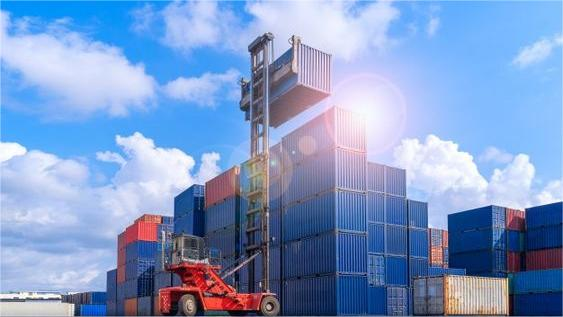
Freight Forwarding China Global Logistics Solution Provider: 2026 Expert Guide
“Navigating the complexities of international trade requires a reliable freight forwarding china global logistics solution provider to ensure your goods move efficiently across borders. Many businesses face significant hurdles when managing supply chains, especially with fluctuating market rates and evolving customs regulations in 2026. Consequently, choosing an expert partner becomes the most critical decision for your import-export success. This guide explores how professional logistics services can streamline your operations and reduce overall costs.”
What Defines a Top Freight Forwarding China Global Logistics Solution Provider?
❖A professional logistics partner acts as the backbone of your international trade operations. They manage the intricate details of moving cargo from Chinese factories to global destinations. Moreover, they handle everything from documentation to final delivery.
Effective freight forwarding involves more than just booking space on a ship or plane. It requires deep knowledge of local regulations and carrier networks. Therefore, a provider must offer integrated solutions that address specific business needs.
In 2026, technology plays a vital role in how logistics providers operate. Advanced tracking systems and AI-driven route optimization have become standard requirements. Consequently, shippers now expect real-time visibility and proactive communication.
Industry experts suggest that the right partner can reduce transit times by up to 20 percent. This efficiency is achieved through better planning and established relationships with major carriers. Indeed, reliability is the most valuable currency in modern logistics.
How Does Sea Freight Compare to Other Shipping Options?
❖Sea freight remains the most popular choice for large-scale shipments due to its cost-effectiveness. However, it is important to weigh this benefit against longer transit times. For many businesses, sea freight provides the ideal balance for bulk inventory.
When comparing options, you must consider the nature of your cargo and your budget constraints. Air freight offers unmatched speed but comes at a significantly higher price point. Meanwhile, rail freight has emerged as a middle-ground solution for Eurasian routes.
For instance, moving a 40HQ container via sea might take 35 days but costs only a fraction of air transport. On the other hand, air cargo can deliver the same goods in less than a week. Consequently, the choice depends on your inventory turnover requirements.
The following table provides an objective analysis of all viable alternatives for shipping from China in early 2026.
| Shipping Method | Cost Range | Transit Time | Best For | Limitations |
|---|---|---|---|---|
| Sea Freight (FCL) | $2,500 – $4,500 | 25-45 Days | Bulk goods, heavy machinery | Slowest transit time |
| Air Freight | $5.50 – $9.00/kg | 3-7 Days | Electronics, urgent stock | Very high cost |
| Rail Freight | $1,800 – $3,200 | 15-22 Days | Mid-value goods to Europe | Geographic limitations |
| Express Service | $8.00 – $15.00/kg | 2-5 Days | Samples, small parcels | Size/Weight restrictions |
Strategic Alternatives for Global Logistics in 2026
❖Businesses should not limit themselves to a single shipping method for every scenario. Instead, implementing hybrid solutions can often lead to better results. For example, sea-air combinations can save money while maintaining reasonable speed.
If you are shipping to the United States, consider using West Coast ports and rail transfers for inland destinations. This strategy often bypasses the congestion seen at East Coast ports. Additionally, it can reduce your total landed cost significantly.
For shipments under 15 CBM, LCL at $60-90/CBM may be more economical than a full container. However, if your volume exceeds 15 CBM, a 20GP container usually becomes the more cost-effective choice. Therefore, always calculate the threshold before booking.
Direct routes typically cost 10-15 percent more than transshipment options. Nevertheless, they save 5-7 days of transit time and reduce the risk of cargo damage. As a result, high-value shipments should prioritize direct services whenever possible.
Case Study 1: Scaling Electronics Distribution to Europe
❖Route: Shenzhen, China to Rotterdam, Netherlands
Cargo: Consumer Electronics, 28 CBM, 4,500 kg
Container: 40GP (FCL)
Shipping Details: Carrier: COSCO, Port of Loading: Shenzhen, Port of Discharge: Rotterdam, Route Type: Direct
Cost Breakdown: Ocean Freight: $3,200, Origin Charges: $450, Destination Charges: $550, Customs and Duties: $1,200, Total Landed Cost: $5,400
Timeline: Booking to Loading: 4 days, Sea Transit: 32 days, Customs Clearance: 2 days, Total Door-to-Door: 38 days
Key Insight: Using a direct sea route ensured the electronics arrived without the handling risks associated with transshipment. Based on Q1 2026 market rates.
Case Study 2: Urgent Inventory Restock via Air Freight
❖Route: Shanghai, China to Los Angeles, USA
Cargo: Apparel and Textiles, 2.5 CBM, 600 kg
Shipping Method: Air Freight
Shipping Details: Carrier: Cathay Pacific, Port of Loading: Shanghai PVG, Port of Discharge: LAX, Route Type: Direct
Cost Breakdown: Air Freight: $4,200, Origin Charges: $200, Destination Charges: $300, Customs and Duties: $800, Total Landed Cost: $5,500
Timeline: Booking to Loading: 1 day, Transit: 2 days, Customs Clearance: 1 day, Total Door-to-Door: 4 days
Key Insight: While expensive, air freight saved the client from a stock-out during a major sales event. Typical rates as of early 2026.
Understanding Container Pricing and Market Trends
❖Freight rates in 2026 have stabilized following the volatility of previous years. However, seasonal peaks still cause price fluctuations during the third quarter. Consequently, savvy importers book their space at least four weeks in advance during these periods.
Market data suggests that fuel surcharges remain a significant component of the total cost. Furthermore, environmental regulations in 2026 have introduced new green shipping levies. Therefore, you must factor these additional fees into your budget planning.
The table below outlines typical container pricing across major global trade lanes for early 2026.
| Route | 20GP Container | 40GP Container | 40HQ Container | Avg. Transit |
|---|---|---|---|---|
| China to USA West | $1,900 – $2,400 | $2,800 – $3,600 | $3,100 – $4,000 | 16 Days |
| China to USA East | $2,800 – $3,800 | $4,200 – $5,800 | $4,700 – $6,300 | 32 Days |
| China to UK | $2,200 – $3,000 | $3,400 – $4,500 | $3,700 – $4,800 | 34 Days |
| China to Australia | $900 – $1,300 | $1,400 – $2,000 | $1,600 – $2,200 | 15 Days |
The Importance of Professional Customs Brokerage
❖Inaccurate documentation is the leading cause of shipment delays at international borders. Therefore, utilizing a professional customs brokerage service is essential for compliance. They ensure that all tariff classifications and valuations are correct.
Customs regulations in 2026 require digital filing for almost all types of cargo. Moreover, specific products like batteries or chemicals need specialized hazardous material certifications. Without these documents, your goods could be seized or heavily fined.
A qualified freight forwarding china global logistics solution provider will manage the entire paperwork trail. This includes the Bill of Lading, Commercial Invoice, and Packing List. Indeed, having an expert handle these details provides peace of mind for the importer.
Note: Freight rates are subject to change based on fuel costs, carrier capacity, and seasonal demand. Contact us for a current quote tailored to your specific shipment.
Optimizing Rail Freight for Eurasian Trade
❖For businesses shipping to Europe, rail freight offers a compelling alternative to sea and air. It is significantly faster than ocean transport while remaining much cheaper than air cargo. Consequently, it has become a staple for mid-value industrial goods.
The China-Europe Railway Express connects major hubs like Xi’an and Chengdu directly to Germany and Poland. Specifically, transit times hover around 18 to 22 days. Furthermore, rail transport is considered more environmentally friendly than air or sea options.
However, rail freight is not a viable option for every destination. For instance, routes to North America or Australia must rely on sea or air. As a result, you must choose your provider based on their regional expertise and network reach.
Which Shipping Option Should You Choose?
❖Selecting the right method requires a clear understanding of your business priorities. If budget is your primary concern, sea freight is almost always the best choice. On the other hand, if speed is critical, air freight is the only viable path.
Consider the volume of your cargo before making a final decision. For small shipments, Amazon FBA logistics or express services might be more efficient. Meanwhile, full container loads offer the best security for high-volume inventory.
Ultimately, a balanced supply chain often utilizes multiple methods. You might use sea freight for your base stock and air freight for emergency replenishments. This approach ensures you remain agile in a competitive global market.
Maximizing Efficiency with the Right Logistics Partner
In conclusion, choosing a freight forwarding china global logistics solution provider is a strategic investment in your business growth. By understanding the nuances of different shipping methods and market trends in 2026, you can significantly reduce costs and transit times.
Whether you require sea, air, or rail solutions, the key is to find a partner that offers transparency and reliability. Start optimizing your global logistics today to stay ahead of the competition and ensure your goods reach their destination safely.
Ready to streamline your logistics?
Ready to streamline your supply chain with a trusted freight forwarding china global logistics solution provider? Contact Global China Freight today for a customized quote and expert guidance on your next shipment. Send Inquiry: Visit https://globalchinafreight.com/
Request Quote