

Freight Forwarder China to USA UK EU Australia UAE: 2026 Logistics Guide
Finding a reliable freight forwarder China to USA UK EU Australia UAE is essential for businesses navigating the complex global supply chain of 2026. At Global China Freight, we understand that modern importers face fluctuating rates and evolving customs regulations. Consequently, choosing a logistics partner that offers comprehensive door-to-door solutions is the most effective way to ensure timely delivery. This guide provides a detailed analysis of current shipping trends, costs, and strategies to optimize your international trade operations.
How a Freight Forwarder China to USA UK EU Australia UAE Streamlines Your Business
Managing international logistics involves more than just moving boxes from one point to another. Indeed, a professional freight forwarder China to USA UK EU Australia UAE acts as a strategic partner that manages the entire supply chain lifecycle. They handle everything from supplier coordination and warehousing to final mile delivery.
Moreover, the complexities of 2026 trade agreements require expert knowledge of local regulations in diverse regions like the European Union and the Middle East. Therefore, leveraging the expertise of a seasoned forwarder can prevent costly delays at customs. Additionally, these professionals provide real-time tracking and risk management services that are vital for high-value shipments.
Furthermore, businesses can significantly reduce their overhead by utilizing consolidated shipping services. For instance, smaller importers often benefit from Less than Container Load (LCL) options that allow them to share space and costs. Meanwhile, larger enterprises might prefer Full Container Load (FCL) to maximize efficiency and security for their bulk inventory.

Comparative Analysis: Shipping Methods and Costs in 2026
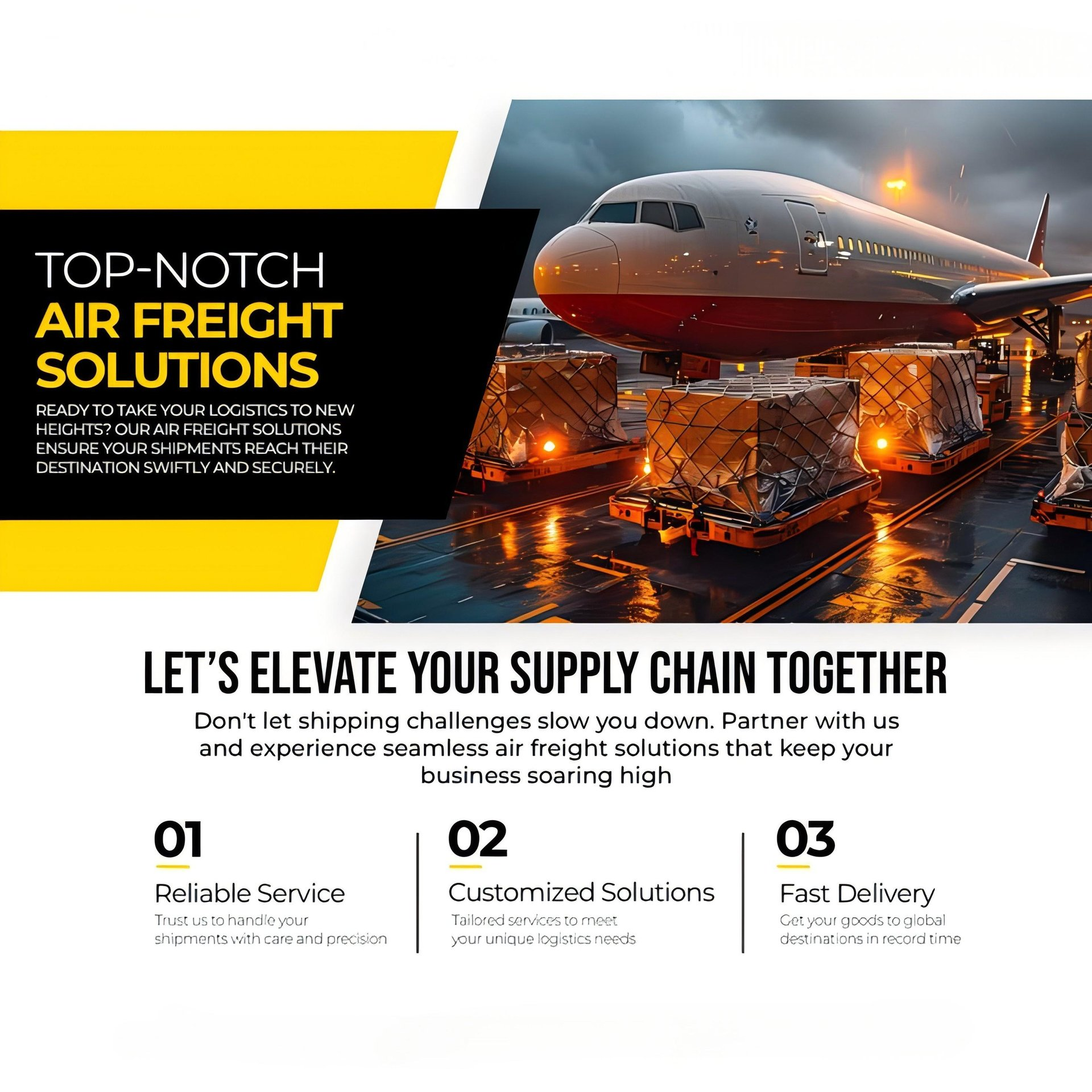
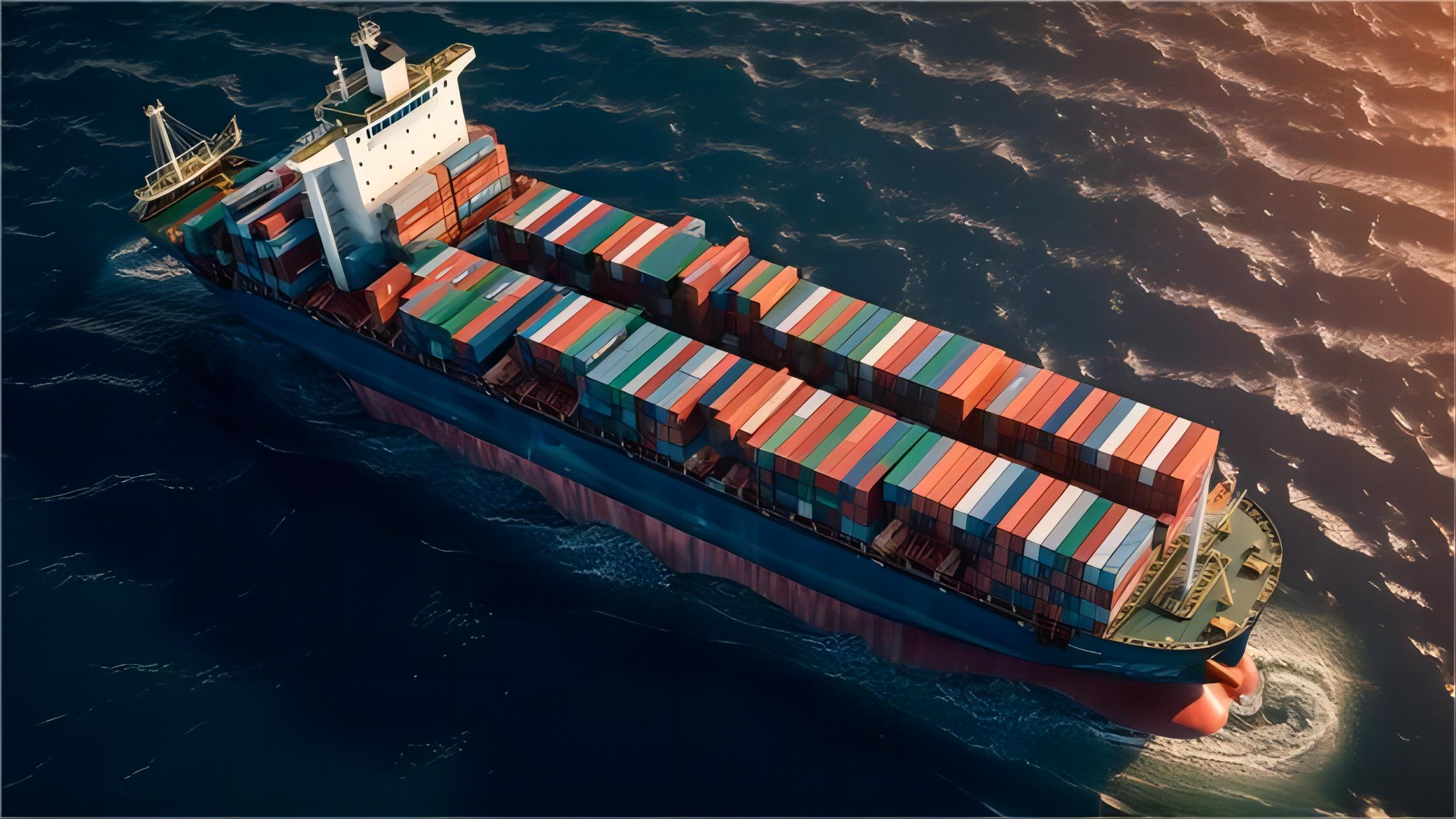
Selecting the right transportation mode depends on your specific budget and urgency. Currently, sea freight remains the most popular choice for large-scale shipments due to its cost-effectiveness. On the other hand, air freight is indispensable for time-sensitive goods or high-tech electronics.
According to industry benchmarks, ocean freight rates have stabilized in early 2026 compared to the volatility seen in previous years. Nevertheless, seasonal demand during the third quarter usually leads to a 15 to 25 percent increase in pricing. Consequently, planning your shipments well in advance is a critical strategy for maintaining your profit margins.
In addition to traditional methods, rail freight has become a viable alternative for shipments destined for the EU. However, it is important to note that rail options are not available for island nations or distant regions like Australia. Therefore, your choice must align with the geographic realities of the destination country.
| Shipping Method | Average Cost | Transit Time | Best For |
|---|---|---|---|
| Sea Freight (FCL) | $2,500 – $5,500 | 18-40 Days | Bulk Goods |
| Air Freight | $5.00 – $9.00/kg | 3-7 Days | Urgent Cargo |
| Rail Freight | $1.50 – $3.00/kg | 15-22 Days | EU Shipments |
| Express Courier | $8.00 – $15.00/kg | 2-5 Days | Small Samples |
How Does Sea Freight Compare to Other Shipping Options?
When evaluating a freight forwarder China to USA UK EU Australia UAE, it is essential to compare sea freight against alternative strategies. While sea freight offers the lowest cost per unit, the long transit times can tie up your capital in inventory for weeks. In contrast, air freight offers rapid turnover but at a significantly higher price point.
For shipments under 15 CBM, LCL is often more economical than paying for a full 20GP container. However, LCL shipments require more handling at the port, which slightly increases the risk of damage. Meanwhile, hybrid solutions like sea-air combinations via hubs like Singapore or Dubai can offer a middle ground between speed and cost.
Without a doubt, the decision should be based on your inventory turnover requirements and the value of the goods. For example, low-margin products like furniture are almost always shipped via ocean. Conversely, seasonal fashion items might require the speed of air transport to meet market demand.
| Shipping Method | Cost Range | Transit Time | Limitations |
|---|---|---|---|
| Direct Ocean | Lowest | 30-40 Days | Slow Speed |
| Transshipment | Medium-Low | 35-50 Days | Handling Risk |
| Sea-Air Hybrid | Medium | 15-20 Days | Complex Logistics |
| Direct Air | Highest | 3-5 Days | Weight Limits |
Strategic Logistics for North America and the USA
Shipping to North America involves navigating different port dynamics between the West Coast and East Coast. For instance, Los Angeles and Long Beach are the primary gateways for goods coming from China. Consequently, these ports often face congestion during peak seasons, which can impact your delivery schedule.
Moreover, inland transportation via rail or truck is a significant factor in the total landed cost for USA destinations. Therefore, a competent forwarder will offer intermodal solutions to move your cargo from the port to your final warehouse efficiently. Indeed, many businesses now use East Coast ports like Savannah to avoid West Coast bottlenecks, despite the longer sea transit time.
Market data suggests that freight rates to the USA East Coast are typically 30 to 40 percent higher than West Coast rates. Nevertheless, the proximity to major population centers in the East can reduce domestic trucking costs. Accordingly, you should calculate the total door-to-door expense before finalizing your port of entry.
Navigating Shipping Routes to the UK and Europe
For businesses targeting Europe, the logistics landscape in 2026 is defined by diverse transport modes. While the Suez Canal remains the primary maritime route, the China-Europe Railway Express provides a faster land-based alternative for landlocked countries. As a result, shippers have more flexibility than ever before.
Furthermore, the UK has unique customs requirements following its exit from the EU. Consequently, your freight forwarder China to USA UK EU Australia UAE must be proficient in both EU and UK tax regulations to avoid compliance issues. For example, ensuring correct EORI numbers and VAT documentation is vital for smooth clearance at ports like Felixstowe or Rotterdam.
In addition, many European importers are now prioritizing sustainable logistics. Therefore, choosing carriers that utilize LNG-powered vessels or carbon-offset programs can enhance your brand reputation. Meanwhile, transit times to Northern Europe generally range from 30 to 38 days for direct ocean services.
Logistics Solutions for Australia and the UAE
Shipping from China to Australia is relatively fast due to the shorter geographic distance compared to Western routes. Typically, ocean transit to Sydney or Melbourne takes between 12 and 18 days. However, Australia has very strict biosecurity laws, which means your cargo must be perfectly documented and often treated for pests.
On the other hand, the UAE serves as a major logistics hub for the entire Middle East. Most shipments enter through Jebel Ali port in Dubai, which offers world-class infrastructure and rapid processing. Consequently, many companies use the UAE as a distribution center to reach markets in Africa and South Asia.
Without a doubt, DDP (Delivered Duty Paid) services are highly recommended for the UAE to simplify the import process. Additionally, express services are frequently used for the thriving e-commerce sector in Dubai and Abu Dhabi. Therefore, your forwarder should offer a mix of sea and air options to cater to different market segments.
Managing Customs and Documentation Requirements
The success of international shipping depends heavily on accurate documentation. Indeed, missing or incorrect paperwork is the leading cause of cargo delays globally. Your forwarder should provide expert customs brokerage services to ensure all declarations are filed correctly.
Key documents usually include the Commercial Invoice, Packing List, Bill of Lading, and Certificate of Origin. Moreover, certain products like electronics or chemicals may require specific safety certificates or import licenses. Consequently, proactive communication with your logistics provider during the production phase is essential.
Furthermore, understanding the Incoterms used in your contract is vital for defining responsibilities. For instance, under FOB (Free on Board) terms, the buyer is responsible for the freight costs once the goods are loaded. In contrast, EXW (Ex Works) requires the buyer to manage the entire transport process from the factory door.
Realistic Case Studies for 2026 Shipments
To illustrate how a freight forwarder China to USA UK EU Australia UAE operates in practice, consider the following real-world examples based on early 2026 market conditions. These cases highlight the importance of choosing the right method for specific cargo types and destinations.
Case Study 1: Electronics to USA. A tech company in Shenzhen needed to ship 40HQ containers of consumer electronics to Los Angeles. By booking four weeks in advance, they secured a rate of $3,200 per container. The total door-to-door time was 22 days, including 15 days at sea and 3 days for customs and local trucking.
Case Study 2: Textiles to the UK. A retailer in Ningbo shipped 8 CBM of apparel via LCL to Felixstowe. The ocean freight cost was $65 per CBM, with origin and destination charges bringing the total to $1,100. Despite minor port congestion, the goods arrived in 36 days, allowing the client to meet their seasonal launch deadline.
Case Study 3: Spare Parts to UAE. An industrial firm in Guangzhou required urgent machine parts for a project in Dubai. They utilized air freight for the 250kg shipment. The cost was $6.50 per kg, and the cargo was delivered to their facility in just 4 days, preventing a costly production shutdown.
Which Option Should You Choose? Decision Criteria
Deciding on the best logistics strategy requires a clear understanding of your priorities. If your primary goal is cost reduction and you have flexible timelines, sea freight is the obvious choice. However, if you are dealing with perishable goods or urgent contract deadlines, the speed of air transport justifies the higher expense.
For shipments that fall in between, consider the volume thresholds. Generally, once a shipment exceeds 15 CBM, it becomes more cost-effective to book a 20GP container rather than using LCL. Meanwhile, for very small parcels under 100kg, express courier services provide the best value and convenience.
Finally, always consider the total landed cost rather than just the shipping rate. This includes duties, taxes, insurance, and local handling fees. By working with a transparent freight forwarder China to USA UK EU Australia UAE, you can avoid hidden costs and ensure a predictable supply chain.

Conclusion
In summary, navigating the logistics landscape from China to major global markets requires a blend of strategic planning and expert execution. Whether you are shipping to the USA, UK, EU, Australia, or UAE, understanding the nuances of each route is essential for success. By partnering with a professional freight forwarder China to USA UK EU Australia UAE, you gain access to the tools and knowledge needed to minimize costs and maximize efficiency.
As we move through 2026, staying informed about market trends and regulatory changes will remain a competitive advantage. Remember to weigh the trade-offs between speed and cost, and always ensure your documentation is in perfect order. With the right approach, your international trade operations can thrive in the dynamic global economy.
Need a tailored shipping solution?
Ready to optimize your global supply chain? Contact our expert team today for a competitive quote and personalized logistics strategy. Visit our website to learn more and Send Inquiry to start your shipment.