

FCL LCL Shipping China Container Solutions: 2026 Logistics Guide
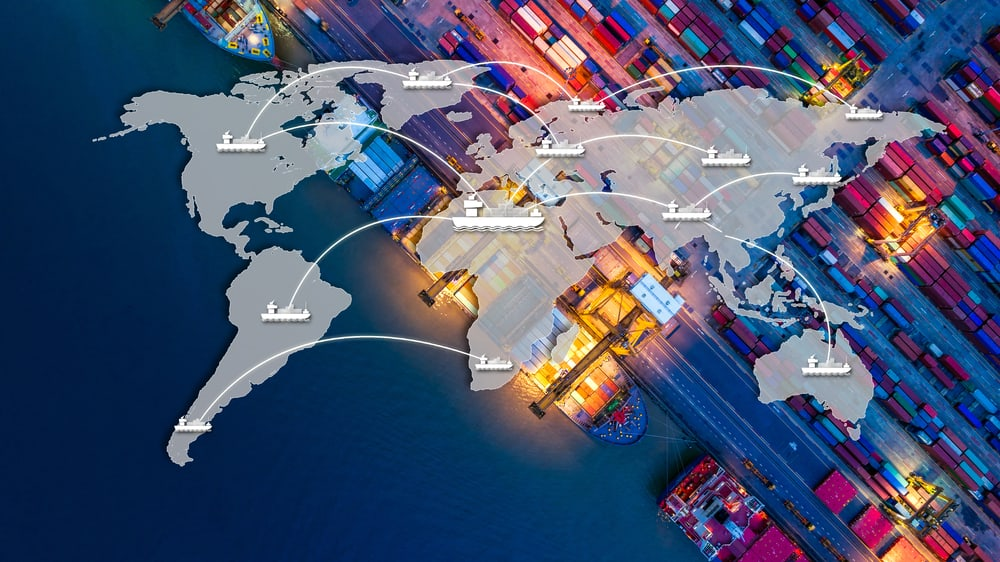
Navigating the complexities of international trade requires robust FCL LCL shipping china container solutions to maintain a competitive market edge. Businesses frequently struggle with selecting the most efficient transport method, but Global China Freight provides the expertise needed to streamline these global operations. Consequently, understanding the nuances between full and partial container loads ensures your supply chain remains resilient and cost-effective throughout 2026.

What Are FCL LCL Shipping China Container Solutions?
Full Container Load (FCL) refers to a shipment where a single importer occupies an entire container for their goods alone. This method is highly preferred for large volumes because it offers better security and faster transit times since the container is sealed from origin to destination.
Less than Container Load (LCL) allows multiple shippers to share space within a single container, making it an ideal choice for smaller cargo volumes. Specifically, this solution helps businesses reduce overhead costs by paying only for the volume they occupy, measured in cubic meters.
Choosing between these FCL LCL shipping china container solutions depends heavily on your specific cargo volume, budget constraints, and delivery deadlines. Historically, FCL becomes more economical once your shipment exceeds 15 cubic meters, whereas LCL serves smaller batches perfectly.
Moreover, the logistics landscape in 2026 has evolved to offer more flexible hybrid options for diverse shipping needs. Therefore, understanding the technical differences between these two modes is the first step toward optimizing your international logistics strategy.
How Does Sea Freight Compare to Other Shipping Options?
Selecting the right transportation mode involves balancing speed against total landed costs. While sea freight remains the backbone of global trade, other methods offer unique advantages for specific scenarios.
Air transport provides unparalleled speed for high-value or perishable items that cannot afford long ocean voyages. In contrast, sea freight offers the lowest carbon footprint and the most competitive pricing for heavy industrial components.
Rail freight has emerged as a middle-ground solution for shipments moving from China to landlocked regions. Nevertheless, ocean shipping remains the dominant force for most international trade routes due to its massive capacity and infrastructure.
| Method | Cost Range | Transit Time | Best For |
|---|---|---|---|
| Sea Freight | $1,500 – $6,000 | 14-45 Days | Bulk & Large Cargo |
| Air Freight | $5,000 – $25,000 | 3-7 Days | Urgent Shipments |
| Rail Freight | $2,500 – $5,000 | 18-25 Days | Mid-range Speed |
| Express | $200 – $1,500 | 2-5 Days | Samples & Docs |
Understanding 2026 Market Rates for China Container Shipping
Current market data suggests that ocean freight rates have stabilized in early 2026 after previous global supply chain disruptions. Indeed, typical rates for a 40HQ container from China to major Western ports currently range between $3,000 and $5,500 depending on the specific route.
Seasonal demand continues to play a significant role in pricing fluctuations throughout the year. For instance, rates typically increase by 15-25% during the peak season from August to October as retailers prepare for the holiday rush.
Note: Freight rates are subject to change based on fuel costs, carrier capacity, and seasonal demand. Contact us for a current quote tailored to your specific shipment.
| Route | 20GP Container | 40HQ Container | Transit Time |
|---|---|---|---|
| China to USA West | $1,500-$2,200 | $2,800-$3,800 | 14-18 Days |
| China to Europe | $1,800-$2,500 | $3,000-$4,200 | 28-35 Days |
| China to Australia | $800-$1,200 | $1,400-$2,000 | 12-18 Days |
| China to UK | $2,000-$2,800 | $3,500-$4,500 | 30-38 Days |
Why Choose LCL Shipping for Smaller Consignments?
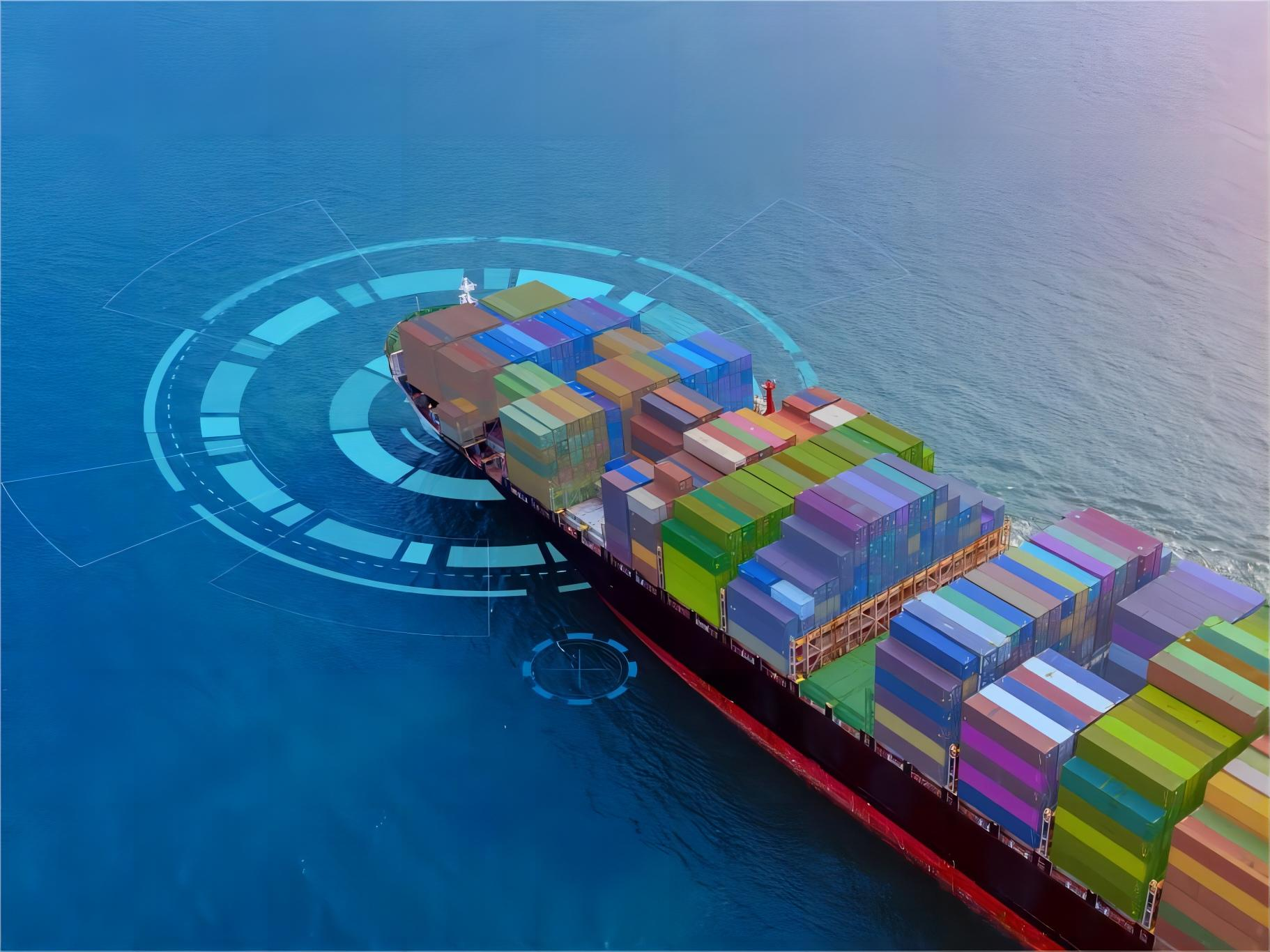
Small businesses often find LCL shipping to be the most accessible entry point into international trade. By sharing a container, you avoid the high cost of paying for unused space, which is critical for maintaining healthy profit margins.
However, LCL shipments require more handling at both the origin and destination ports. Consequently, the risk of minor damage or delays during the consolidation and deconsolidation process is slightly higher than with FCL.
Furthermore, LCL transit times are usually 5-7 days longer than FCL because of the time needed to group multiple shipments. Despite this, it remains the most viable solution for cargo volumes under 15 cubic meters.
Essential Customs Documentation and Brokerage
Navigating the legal requirements of international shipping necessitates professional customs brokerage services. Proper documentation ensures that your goods pass through regulatory checks without incurring expensive storage fees or fines.
Standard requirements include the Commercial Invoice, Packing List, and Bill of Lading. Additionally, certain products may require specific certificates of origin or safety compliance documents depending on the destination country.
Failure to provide accurate documentation can lead to significant delays at the port of discharge. Therefore, many experienced importers rely on experts to manage these complex filings on their behalf.
Case Study 1: High-Volume Electronics to North America
Case Study 1: Efficient Tech Distribution. Route: Shenzhen, China to Los Angeles, USA. Cargo: Consumer Electronics, 65 CBM, 12,000 kg. Container: 1 x 40HQ.
Shipping Details: Carrier: Major carrier. Port of Loading: Shenzhen. Port of Discharge: Los Angeles. Route Type: Direct. Cost Breakdown: Ocean Freight: $3,200. Origin Charges: $450. Destination Charges: $600. Customs: $1,200. Total Landed Cost: $5,450.
Timeline: Booking to Loading: 3 days. Sea Transit: 16 days. Customs Clearance: 2 days. Total Door-to-Door: 21 days. Key Insight: Using FCL for North America routes saved 15% compared to multiple LCL shipments.
Case Study 2: Boutique Furniture LCL to Europe
Case Study 2: Specialized Furniture Import. Route: Ningbo, China to Hamburg, Germany. Cargo: Designer Chairs, 8 CBM, 1,500 kg. Container: LCL 8 CBM.
Shipping Details: Carrier: Major consolidator. Port of Loading: Ningbo. Port of Discharge: Hamburg. Route Type: Transshipment via Singapore. Cost Breakdown: Ocean Freight: $640 ($80/CBM). Origin Charges: $200. Destination Charges: $350. Customs: $800. Total Landed Cost: $1,990.
Timeline: Booking to Loading: 5 days. Sea Transit: 32 days. Customs Clearance: 3 days. Total Door-to-Door: 40 days. Key Insight: LCL allowed the business to maintain inventory flow to Europe without overstocking warehouse space.
Which Option Should You Choose? Decision Framework
Determining the best FCL LCL shipping china container solutions requires a clear evaluation of your business priorities. If your primary concern is the lowest possible cost per unit and you have high volume, FCL is the undisputed winner.
Speed and security also favor FCL, as the container remains sealed throughout the journey. On the other hand, if you are testing a new product or have limited warehouse space, LCL provides the flexibility needed for smaller batches.
For urgent but heavy cargo, consider hybrid sea-air solutions. Meanwhile, for standard retail goods, a well-planned FCL schedule often provides the best balance of reliability and affordability.
Optimizing Your Supply Chain with Door to Door Logistics
Modern importers increasingly prefer door to door services to simplify their logistics management. This comprehensive solution handles everything from the factory pickup in China to the final delivery at your warehouse.
By consolidating all services under one provider, you reduce the risk of communication gaps between different agents. Consequently, this integrated approach often leads to faster transit times and more predictable costs for the importer.
Additionally, tracking technologies in 2026 allow for real-time visibility of your container’s location. This transparency is vital for managing inventory levels and meeting customer expectations in a fast-paced market.
Mastering Global Trade with the Right Container Solutions
Successfully managing international logistics requires a deep understanding of FCL LCL shipping china container solutions and their impact on your bottom line. Whether you choose full containers for maximum efficiency or shared space for flexibility, the right strategy is essential for 2026 growth.
By partnering with experienced freight forwarders and utilizing modern tracking tools, you can navigate the complexities of global shipping with confidence. Always prioritize a balance between cost, speed, and cargo safety to ensure long-term success in the competitive import-export market.
Start Your Shipment
Ready to optimize your supply chain with professional FCL LCL shipping china container solutions? Contact Global China Freight today for a customized quote and expert guidance on your next shipment. Send Inquiry
Request Quote