

Export Logistics China to Australia Services: 2026 Comprehensive Guide
Reliable export logistics china to Australia services are the backbone of modern trade between these two major economic partners. Businesses looking to scale must partner with a professional logistics provider like Global China Freight to ensure seamless cargo movement. Navigating the complexities of international shipping requires a deep understanding of current market trends and regulatory requirements in 2026. This guide provides actionable insights into optimizing your supply chain for maximum efficiency and cost-effectiveness.
The Evolution of Export Logistics China to Australia Services in 2026
The landscape of global trade has shifted significantly as we enter 2026, with a renewed focus on sustainability and digital integration. Consequently, export logistics china to Australia services have become more transparent, allowing shippers to track their cargo in real-time with high precision. Furthermore, the implementation of advanced AI-driven routing has helped carriers avoid congestion at major ports like Shanghai and Sydney.
Market data suggests that trade volumes remain robust, particularly in the sectors of renewable energy components and consumer electronics. Therefore, choosing a logistics partner that understands these specific industry needs is paramount. Additionally, the integration of green logistics practices is no longer optional but a standard requirement for many Australian importers.
Moreover, the trade relationship continues to benefit from established free trade agreements, which minimize tariffs on many goods. Nevertheless, staying updated on documentation requirements is essential to avoid costly delays at the border. Indeed, a proactive approach to logistics management can save businesses thousands of dollars annually.
How Does Sea Freight Compare to Other Shipping Options?
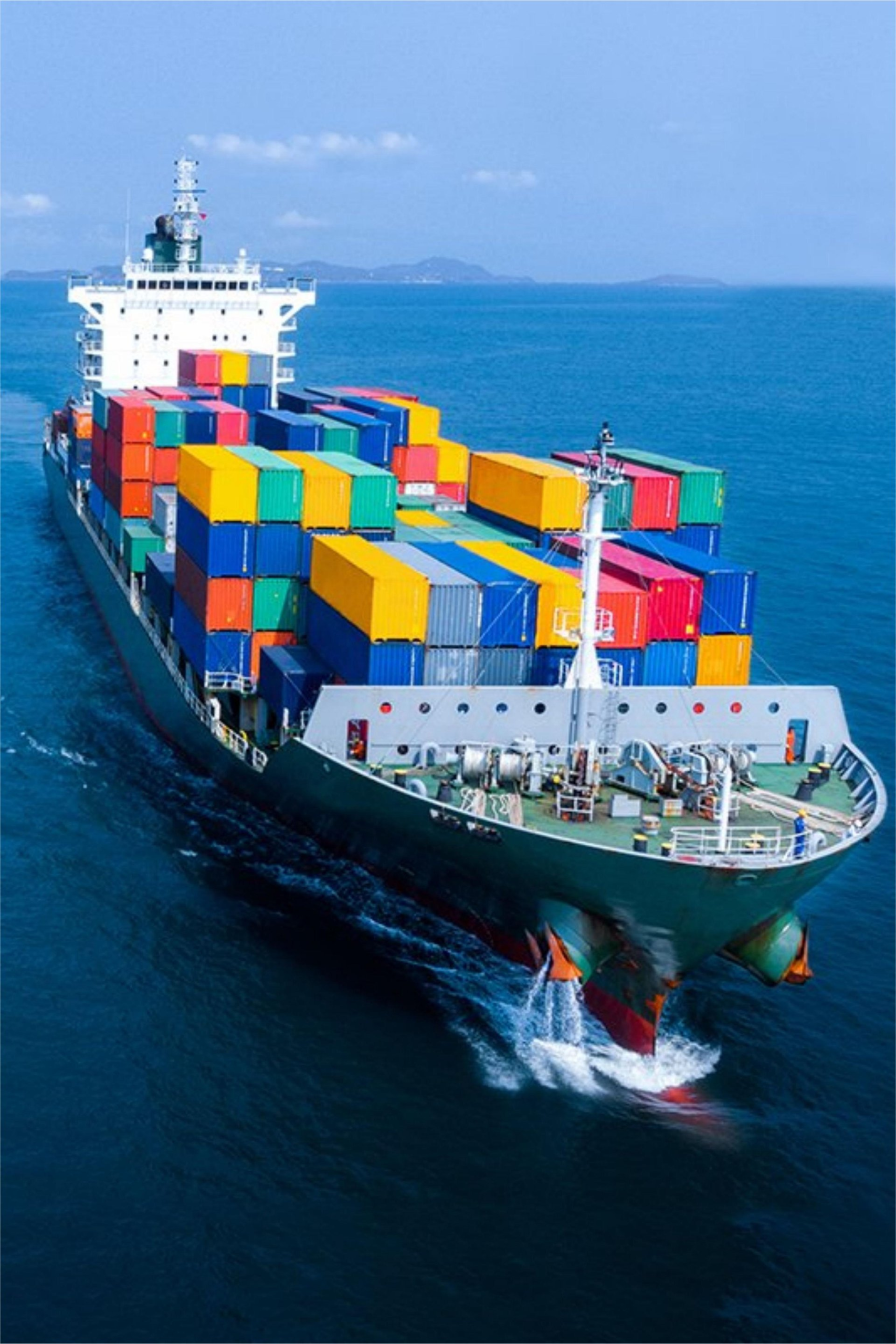
When evaluating export logistics china to Australia services, choosing between sea and air freight is often the most critical decision for a business. While sea freight remains the most economical choice for large volumes, it requires careful planning due to longer lead times. On the other hand, air freight offers unmatched speed for urgent or high-value shipments.
For shipments exceeding 15 CBM, sea freight is almost always the most cost-effective solution. In contrast, smaller shipments may benefit from Less than Container Load (LCL) options, which allow multiple shippers to share container space. As a result, businesses can maintain lower inventory levels without incurring the high costs of Full Container Load (FCL) shipping.
Direct routes from major Chinese ports like Shenzhen to Brisbane usually take between 12 to 18 days. However, transshipment through hubs like Singapore can add 5 to 7 days to the total transit time but may offer lower freight rates. Consequently, shippers must weigh the importance of speed against their total logistics budget.
| Shipping Method | Cost Range (USD) | Transit Time | Best For |
|---|---|---|---|
| Sea Freight (FCL 20GP) | $800 – $1,200 | 12-18 Days | Bulk goods, heavy machinery |
| Sea Freight (LCL per CBM) | $50 – $90 | 18-25 Days | Small to medium shipments |
| Air Freight (per kg) | $4.50 – $7.50 | 3-7 Days | Electronics, urgent spares |
| Express Service | $8.00 – $12.00 | 2-4 Days | Samples, high-value documents |
Optimizing Air Freight for Urgent Cargo Requirements
For time-sensitive shipments, utilizing air freight is the most reliable way to meet tight deadlines. Furthermore, the 2026 market has seen an increase in dedicated cargo flights between major Chinese manufacturing hubs and Australian cities. Therefore, capacity is generally more stable than in previous years, though prices still fluctuate based on fuel surcharges.
High-value goods such as medical equipment and luxury items are best suited for air transport due to the reduced risk of damage and theft. Additionally, the shorter transit time significantly reduces the insurance premiums associated with the shipment. Consequently, the total landed cost may be more competitive than initially expected when considering these secondary factors.
Meanwhile, shippers should be aware that air freight is subject to stricter volumetric weight calculations. For instance, bulky but light items may be charged based on their size rather than their actual weight. In addition, it is vital to ensure all hazardous materials are correctly declared to avoid heavy fines or shipment rejection.

Navigating Customs Brokerage and Compliance in Australia
Successful export logistics china to Australia services depend heavily on efficient customs brokerage to navigate the Australian Border Force (ABF) requirements. Without a doubt, incorrect documentation is the leading cause of delivery delays and additional storage fees at the port. Therefore, partnering with a licensed broker who understands the latest 2026 regulations is crucial.
Australia has very strict biosecurity laws, especially regarding wooden packaging and organic materials. Consequently, all timber packaging must be treated and marked according to ISPM 15 standards to prevent quarantine issues. Furthermore, providing a complete and accurate packing list and commercial invoice is non-negotiable for smooth clearance.
Moreover, the Australian Trusted Trader program offers benefits for frequent importers, including prioritized processing and deferred GST payments. In addition, businesses should verify if their products qualify for tariff concessions under the China-Australia Free Trade Agreement (ChAFTA). As a result, thorough preparation can significantly reduce the overall tax burden on imported goods.
| Document Name | Purpose | Required By | Key Detail |
|---|---|---|---|
| Commercial Invoice | Valuation of goods | ABF / Customs | Must show currency |
| Packing List | Inventory check | Port Authority | Details per carton |
| Bill of Lading | Title of goods | Carrier | Required for release |
| Packing Declaration | Biosecurity check | DAFF | Must mention wood |
The Benefits of Door to Door Shipping Solutions
Many modern businesses prefer door to door shipping because it simplifies the entire logistics chain into a single point of contact. Instead of managing multiple carriers and agents, the shipper relies on one provider to handle everything from the Chinese factory to the Australian warehouse. Indeed, this model significantly reduces the administrative burden on small and medium enterprises.
Furthermore, door-to-door services often include the final mile delivery, which can be the most complex part of the journey in cities like Melbourne or Perth. Additionally, these services usually provide all-inclusive pricing, which helps businesses budget more accurately without worrying about hidden port fees. Consequently, the transparency offered by this service is highly valued in the 2026 market.
On the other hand, shippers must ensure that their provider has a strong local network in both countries to ensure reliability. For example, a provider with its own trucking fleet can offer better flexibility during peak seasons. Therefore, verifying the reach and reputation of your logistics partner is a vital step in the selection process.
Real Case Studies: Successful Export Logistics China to Australia Services
Examining real-world examples helps illustrate the practical application of different shipping strategies. Below are three case studies based on typical 2026 market scenarios for the China-Australia route.
Case Study 1: Electronics Distribution to Sydney. Route: Shenzhen to Sydney. Cargo: Consumer electronics, 28 CBM, 4500 kg. Container: 40GP. Shipping Details: Direct sea freight via OOCL. Port of Loading: Shenzhen. Port of Discharge: Sydney. Timeline: Sea transit 14 days, total door-to-door 22 days. Total Landed Cost: $3,200. Key Insight: Early booking during the Q3 peak season saved the client 15% on freight rates.
Case Study 2: Furniture Retailer in Melbourne. Route: Ningbo to Melbourne. Cargo: Flat-pack furniture, 12 CBM. Method: Sea Freight LCL. Port of Loading: Ningbo. Port of Discharge: Melbourne. Timeline: Sea transit 18 days, total door-to-door 28 days. Total Landed Cost: $1,850. Key Insight: Using LCL allowed the retailer to maintain stock levels without the cost of a full container.
Case Study 3: Urgent Spare Parts for Mining. Route: Shanghai to Perth. Cargo: Industrial machinery parts, 250 kg. Method: Air Freight. Timeline: 4 days door-to-door. Total Landed Cost: $2,100. Key Insight: Air freight was chosen to avoid a costly production shutdown at the destination mine.
Which Option Should You Choose? Decision Framework
Selecting the right export logistics china to Australia services requires a balance of budget, speed, and cargo type. If your primary goal is cost reduction and your lead times are flexible, sea freight FCL is the undisputed winner. However, if you are shipping smaller volumes under 15 CBM, LCL provides a more economical entry point.
For businesses prioritizing speed, air freight is the only viable option for reaching Australia within a week. Meanwhile, hybrid solutions like sea-air (shipping by sea to a hub like Singapore then flying to Australia) can offer a middle ground in terms of both cost and time. Nevertheless, these hybrid options are less common for the China-Australia route due to the efficiency of direct sea lanes.
Additionally, cargo type plays a major role in the decision. For instance, perishable goods or high-fashion items with short shelf lives necessitate the speed of air transport. In contrast, heavy construction materials or bulk commodities are naturally suited for the high-capacity environment of ocean vessels. Consequently, you should always consult with a logistics expert to tailor a strategy to your specific needs.
Amazon FBA Logistics: Navigating the E-commerce Boom
The growth of e-commerce has led to a surge in Amazon FBA shipments from China to Australian fulfillment centers. Shipping directly to Amazon requires strict adherence to their labeling and packaging standards to avoid rejection at the warehouse. Therefore, using a logistics provider that specializes in FBA prep is highly recommended.
Moreover, 2026 has seen Amazon expand its footprint in Australia, with new centers in Western Australia and Queensland. Consequently, shippers must optimize their routing to the nearest fulfillment center to reduce domestic transport costs. Additionally, many providers now offer integrated solutions that handle customs clearance and Amazon delivery in one package.
Furthermore, managing inventory levels is critical during sales events like Prime Day or Black Friday. Shippers should plan their export logistics china to Australia services at least 6-8 weeks in advance for these peak periods. As a result, businesses can avoid the stockouts that often plague unprepared sellers during high-demand seasons.
Strategic Considerations for Shipping from China to Australia
When planning your shipping from China to Australia, it is important to consider seasonal variations in freight rates. Typically, rates increase by 15-25% during the August to October peak season as retailers prepare for the holidays. Therefore, shipping earlier in the year can result in significant cost savings.
In addition, port congestion can occasionally impact transit times, particularly in major hubs like Shanghai or Ningbo. Meanwhile, Australian ports are generally efficient, but labor disputes or weather events can cause temporary bottlenecks. Consequently, building a few days of buffer time into your supply chain is a wise strategic move.
Finally, always ensure your cargo is properly insured. While freight forwarders take every precaution, the unpredictable nature of the ocean means that cargo insurance is a small price to pay for peace of mind. Indeed, most standard carrier liability is limited, making third-party insurance essential for high-value shipments.
Mastering Your Australia-Bound Supply Chain
In summary, managing export logistics china to Australia services effectively requires a combination of strategic planning, regulatory knowledge, and the right logistics partner. By understanding the differences between sea and air freight, navigating customs with professional help, and staying ahead of market trends, businesses can gain a significant competitive advantage.
Whether you are shipping bulk industrial goods or small e-commerce parcels, the 2026 logistics landscape offers more options and transparency than ever before. Focus on long-term partnerships and data-driven decisions to ensure your cargo arrives safely and on time. Note: Freight rates are subject to change based on fuel costs, carrier capacity, and seasonal demand. Contact us for a current quote tailored to your specific shipment.
Need a tailored shipping solution?
Ready to streamline your supply chain with expert export logistics china to Australia services? Contact our team today for a customized quote and professional guidance. Visit Global China Freight to discover how we can help your business grow in the 2026 market. Send Inquiry: https://globalchinafreight.com/contact-us/