

Door to Door Shipping China to Germany: 2026 Logistics Guide
Navigating the complexities of international trade requires a reliable partner to manage the movement of goods across borders. When businesses seek Global China Freight solutions, they often prioritize efficiency and cost-effectiveness to maintain their competitive edge in the European market. Finding the right door to door shipping china to Germany service can eliminate the stress of coordinating multiple logistics providers and handling complex customs paperwork. This guide provides an in-depth analysis of the current shipping landscape in 2026, offering actionable insights for importers and exporters alike.
Understanding Door to Door Shipping China to Germany in 2026
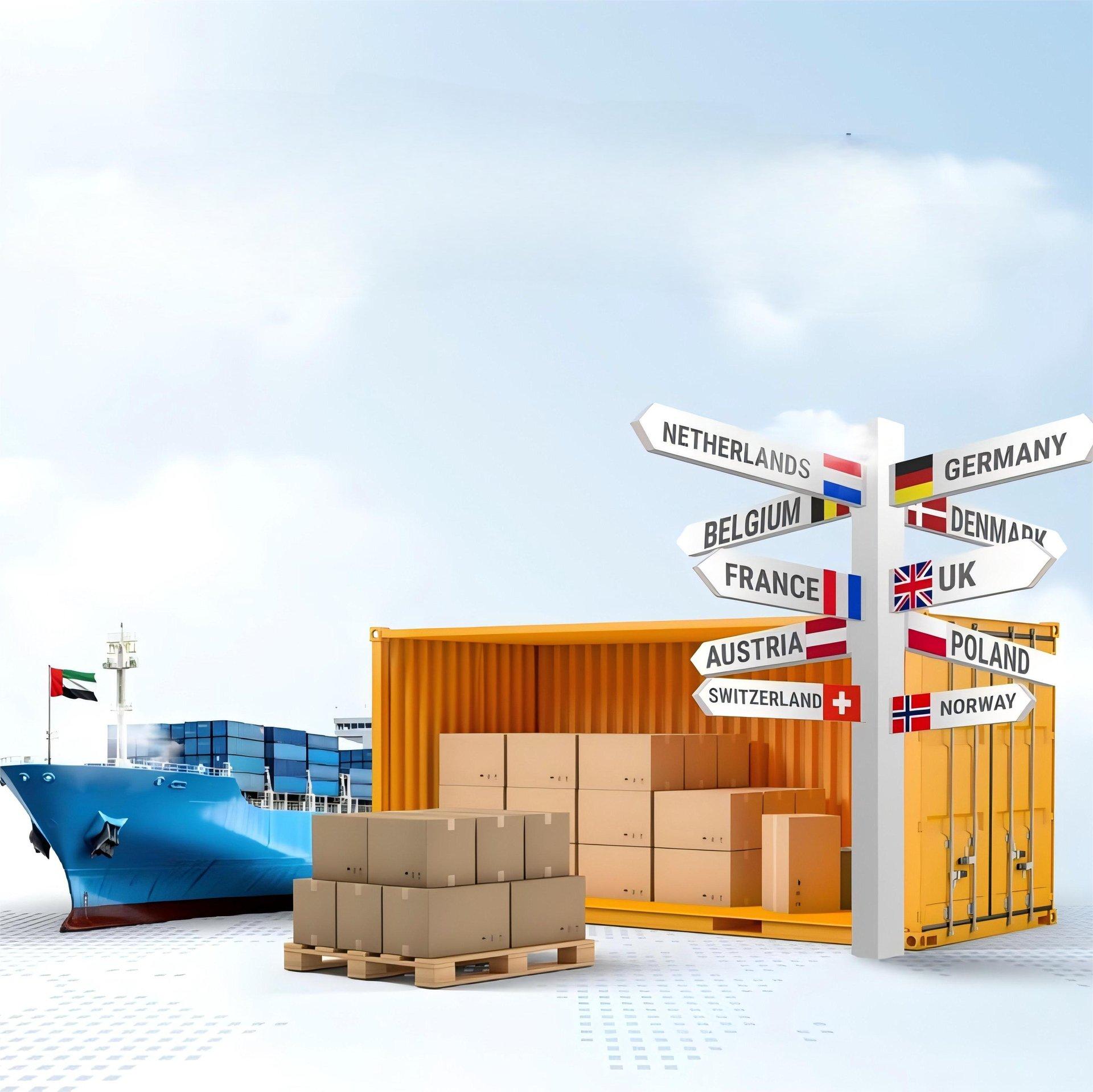
Door to door service represents the most comprehensive logistics solution available for modern businesses operating between Asia and Europe. Specifically, this model involves the freight forwarder taking full responsibility for the cargo from the moment it leaves the factory in China until it reaches the final destination in Germany. Consequently, the importer does not need to worry about local trucking in China, port handling, or final mile delivery in cities like Berlin, Hamburg, or Munich.
Choosing door to door services simplifies the supply chain by providing a single point of contact for the entire journey. Furthermore, this method often includes customs clearance as part of the package, which significantly reduces the risk of delays at the border. Many companies now prefer this streamlined approach to avoid the hidden costs associated with managing separate logistics legs independently.
Market data from early 2026 suggests that the demand for integrated logistics has risen by 15% as businesses seek to minimize transit risks. Meanwhile, the integration of real-time tracking technology allows shippers to monitor their cargo at every stage of the journey. Therefore, investing in a complete service package is often more economical than piecing together individual shipping components.
Reliable providers handle everything from the initial pickup at the manufacturer’s warehouse to the final unloading at the customer’s facility. Additionally, they manage all necessary documentation, ensuring that the goods comply with both Chinese export laws and German import regulations. As a result, businesses can focus on their core operations while the logistics experts handle the heavy lifting.
How Does Door to Door Compare to Other Shipping Options?
Evaluating the different modes of transport is essential for optimizing your logistics budget and meeting delivery deadlines. While door to door is a service level, it can be applied to various transport methods including sea, air, and rail. Each of these options offers distinct advantages depending on the volume of the cargo and the urgency of the shipment.
For instance, sea freight remains the most cost-effective choice for large volumes of goods that are not time-sensitive. Conversely, air freight is the preferred method for high-value or perishable items that must reach Germany within a few days. Rail freight has emerged as a popular middle-ground solution, offering faster speeds than sea transport at a lower cost than air cargo.
Consider the following comparison to determine which method aligns best with your specific business requirements for 2026.
| Shipping Method | Cost Range | Transit Time | Best For |
|---|---|---|---|
| Sea Freight (FCL) | $3,000 – $4,500 per 40HQ | 30 – 45 Days | Bulk goods, heavy cargo |
| Air Freight | $4.50 – $8.00 per kg | 5 – 8 Days | Electronics, urgent stock |
| Rail Freight | $150 – $250 per CBM | 18 – 22 Days | Medium-sized shipments |
| Express Courier | $9.00 – $15.00 per kg | 3 – 5 Days | Samples, small parcels |
Why Rail Freight is a Strategic Choice for Germany
Rail transport has become a cornerstone of the New Silk Road, connecting major Chinese hubs like Chengdu and Xi’an directly to German terminals in Duisburg and Hamburg. Because Germany is a central logistics hub in Europe, rail freight offers unparalleled access to the country’s inland infrastructure. Indeed, this method provides a stable schedule that is less affected by the weather conditions that often plague sea routes.
Moreover, rail transport is significantly more environmentally friendly than air freight, making it an attractive option for companies with strict sustainability goals. Nevertheless, it is important to note that rail capacity can fluctuate based on geopolitical stability along the trans-Eurasian corridors. During the peak seasons of 2025 and 2026, rail has proven to be a reliable alternative when sea ports experience congestion.
Shipping by rail typically involves the use of 40-foot containers, which are loaded onto trains and transported across several countries. Throughout this journey, the cargo remains secure within the container, reducing the risk of damage or theft. Consequently, many automotive and machinery companies favor this route for its balance of speed and security.
The Speed of Air Freight for Urgent Shipments
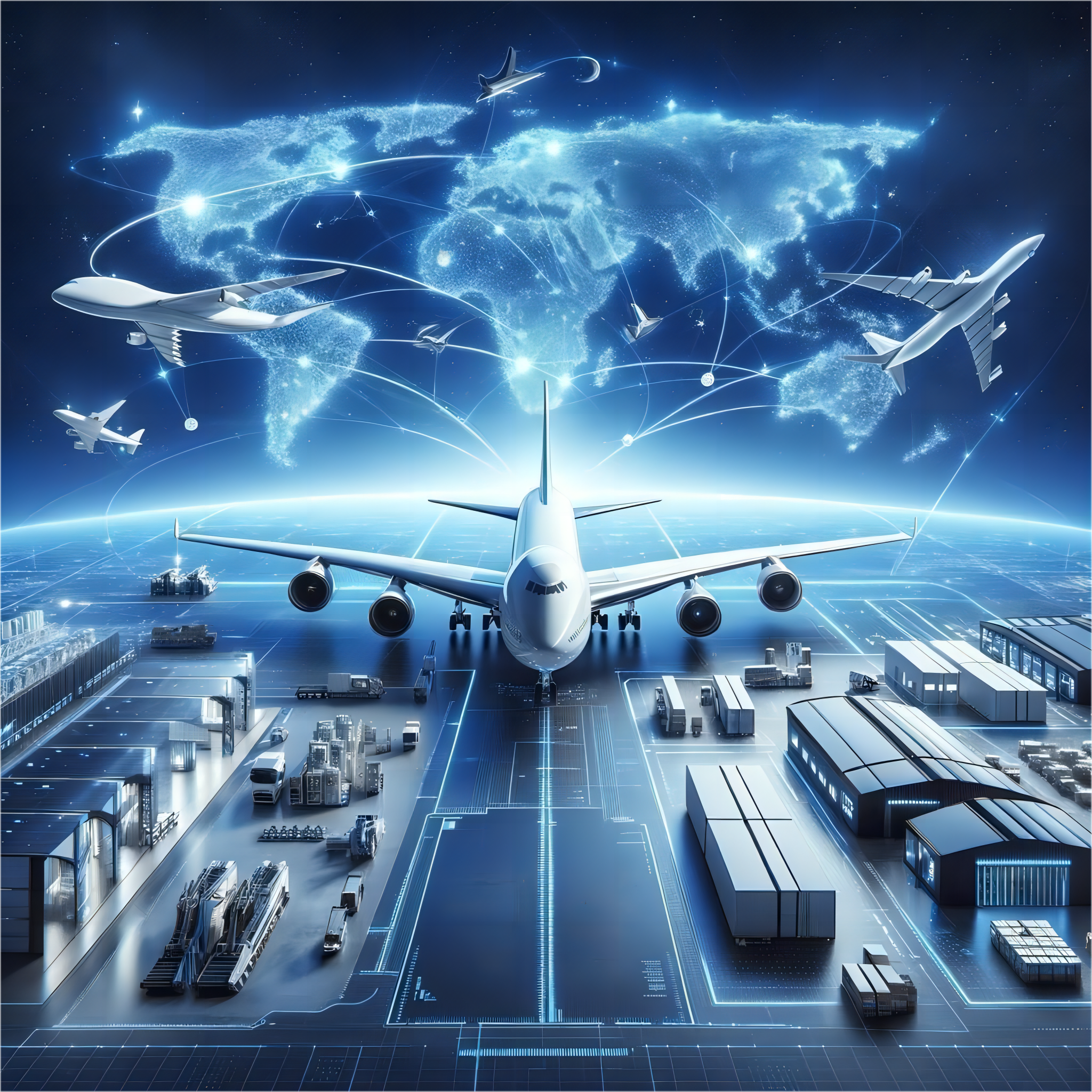
When time is the most critical factor, air freight stands out as the fastest way to move goods from China to Germany. This method is particularly suitable for high-tech components, fashion items, and seasonal products that need to hit the shelves quickly. Although the costs are higher, the reduction in inventory holding costs and the ability to respond to market trends can justify the investment.
Typically, air shipments arrive at major German airports like Frankfurt (FRA) or Munich (MUC) before being cleared through customs and delivered by truck. Furthermore, the handling processes at airports are highly streamlined, which minimizes the time the cargo spends in transit. Therefore, businesses can maintain a leaner supply chain by utilizing the speed of air transport for critical inventory.
Market intelligence from early 2026 indicates that air freight rates have stabilized following the capacity expansions of major carriers. However, shippers should still book at least 7 to 10 days in advance during peak periods to secure space on the aircraft. By planning ahead, you can often negotiate better rates even for urgent door to door shipping china to Germany requirements.
Sea Freight: Cost Efficiency for Large Volumes
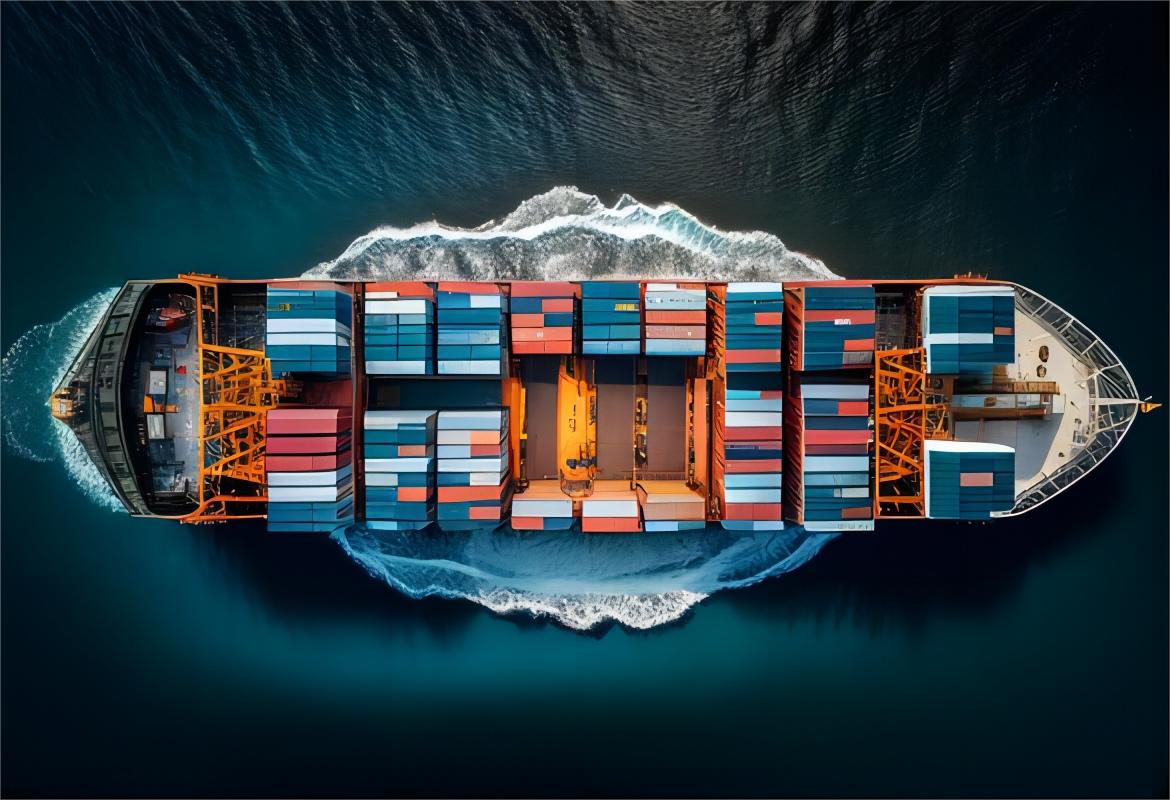
Sea transport continues to carry the vast majority of global trade due to its massive capacity and low cost per unit. For businesses shipping large quantities of consumer goods or industrial equipment, utilizing Full Container Load (FCL) or Less than Container Load (LCL) options is highly beneficial. Specifically, FCL offers the best value for shipments that can fill a 20-foot or 40-foot container.
On the other hand, LCL allows smaller businesses to share container space, paying only for the volume they use. This flexibility makes sea freight accessible even to small and medium-sized enterprises. Meanwhile, the development of larger, more fuel-efficient vessels in 2026 has helped keep ocean freight rates competitive despite rising operational costs.
Transit times for sea freight usually range from 30 to 45 days, depending on the specific ports of loading and discharge. Major Chinese ports like Shanghai, Ningbo, and Shenzhen offer frequent sailings to Hamburg and Bremerhaven. Consequently, sea freight remains the backbone of the door to door shipping china to Germany trade route.
Case Studies: Real-World Door to Door Success
Examining real-world examples can provide a clearer understanding of how different shipping methods perform in practice. These cases illustrate the costs, timelines, and logistical considerations involved in moving goods from China to Germany.
Case Study 1: High-Value Electronics Distribution Route: Shenzhen, China to Berlin, Germany Cargo: Premium Laptops, 5 CBM, 1,200 kg Container: LCL Air Freight Shipping Details: – Carrier/Service: Major International Airline – Port of Loading: Shenzhen Bao’an (SZX) – Port of Discharge: Berlin Brandenburg (BER) – Route Type: Direct Flight Cost Breakdown: – Air Freight: $7,800 – Origin Charges: $450 – Destination Charges: $550 – Customs & Duties: $1,200 – Total Landed Cost: $10,000 Timeline: – Booking to Loading: 2 days – Air Transit: 1 day – Customs Clearance: 2 days – Total Door-to-Door: 6 days Key Insight: Speed was prioritized over cost to meet a product launch deadline.
Case Study 2: Industrial Machinery Parts Route: Shanghai, China to Stuttgart, Germany Cargo: Spare Parts, 15 CBM, 4,500 kg Container: Rail Freight LCL Shipping Details: – Carrier/Service: China-Europe Railway Express – Port of Loading: Shanghai Terminal – Port of Discharge: Duisburg Terminal – Route Type: Trans-Siberian Route Cost Breakdown: – Rail Freight: $2,800 – Origin Charges: $350 – Destination Charges: $400 – Customs & Duties: $800 – Total Landed Cost: $4,350 Timeline: – Booking to Loading: 4 days – Rail Transit: 18 days – Customs Clearance: 3 days – Total Door-to-Door: 28 days Key Insight: Rail provided a 40% time saving compared to sea at a manageable cost.
Case Study 3: Retail Apparel Shipment Route: Ningbo, China to Hamburg, Germany Cargo: Summer Clothing, 68 CBM Container: 40HQ Full Container Shipping Details: – Carrier/Service: COSCO Shipping – Port of Loading: Ningbo-Zhoushan – Port of Discharge: Port of Hamburg – Route Type: Direct Sea Route Cost Breakdown: – Ocean Freight: $3,800 – Origin Charges: $500 – Destination Charges: $600 – Customs & Duties: $2,500 – Total Landed Cost: $7,400 Timeline: – Booking to Loading: 5 days – Sea Transit: 34 days – Customs Clearance: 2 days – Total Door-to-Door: 45 days Key Insight: FCL sea freight offered the lowest per-unit cost for high-volume retail.
Which Option Should You Choose? Decision Framework
Selecting the right shipping strategy requires a careful balance of budget, urgency, and cargo characteristics. If your primary goal is to minimize expenditure, sea freight is undoubtedly the most suitable option for large shipments. Conversely, if you are dealing with a stockout situation or high-value items, air freight or express service becomes necessary.
Consider the volume of your shipment as a primary filter. For goods under 1 CBM, express couriers are often the most efficient. For shipments between 1 and 15 CBM, LCL sea or rail freight provides a good balance. Once you exceed 15 CBM, booking a full 20GP or 40GP container usually becomes more economical than paying for individual cubic meters.
Finally, evaluate the geographical location of your supplier and your German warehouse. If both are located near major rail terminals, the efficiency of rail freight is significantly enhanced. In contrast, if your supplier is in a coastal city like Xiamen, sea freight remains the most logical and direct choice.
Essential Documentation for German Customs Clearance
Navigating the regulatory environment in Germany requires precise documentation to avoid costly delays and penalties. As a member of the European Union, Germany adheres to strict import standards regarding safety, environmental impact, and tax compliance. Therefore, working with an experienced customs brokerage is essential for a smooth door to door experience.
The most critical documents include the Commercial Invoice, Packing List, and Bill of Lading (or Air Waybill). Additionally, many products require a Certificate of Origin or specific CE marking to prove compliance with EU safety directives. Without these documents, your cargo may be held at the port of entry for an indefinite period.
German customs also require an EORI number for all businesses importing goods into the country. It is advisable to verify all Harmonized System (HS) codes before the shipment departs China to ensure accurate duty calculations. Following these steps will help you avoid the common pitfalls of international trade.
| Document Name | Purpose | Required By |
|---|---|---|
| Commercial Invoice | Proof of transaction and value | Customs Authority |
| Packing List | Details of weight and dimensions | Port Handlers |
| Bill of Lading | Contract of carriage and title | Carrier / Customs |
| Certificate of Origin | Verifies where goods were made | Trade Compliance |
Factors Influencing Shipping Rates in 2026
Several dynamic factors continue to shape the cost of door to door shipping china to Germany in the current market. Fuel prices, often referred to as Bunker Adjustment Factors (BAF), remain a significant variable in ocean and air freight pricing. Furthermore, seasonal demand spikes during the Golden Week in China and the Christmas lead-up in Europe can cause rates to double within weeks.
Port congestion and labor availability also play a role in determining the final landed cost of your goods. In 2026, we have seen an increased focus on automation in German ports, which has improved throughput but also led to new technology surcharges. Additionally, currency fluctuations between the Euro and the Chinese Yuan can impact the overall budget for international logistics.
Note: Freight rates are subject to change based on fuel costs, carrier capacity, and seasonal demand. Contact us for a current quote tailored to your specific shipment.
Mastering Your Logistics from China to Germany
Successfully managing door to door shipping china to Germany requires a combination of strategic planning, the right transport mode, and expert customs handling. By understanding the trade-offs between speed and cost, businesses can optimize their operations for maximum profitability. Whether you choose the speed of air, the economy of sea, or the balance of rail, a reliable partner is the key to success. Stay informed about market trends in 2026 and always prioritize clear documentation to ensure a seamless shipping experience.
Get Your Shipping Quote Today
Streamline your supply chain today with professional door to door shipping china to Germany solutions. Our team handles every detail from pickup to final delivery, ensuring your cargo arrives safely and on time. Send Inquiry
Frequently Asked Questions
How long does door to door shipping take from China to Germany?
Transit times vary by method: air takes 5-8 days, rail takes 18-22 days, and sea freight typically takes 30-45 days.
What is the cheapest way to ship goods to Germany?
Sea freight is the most economical option for large volumes, especially when using FCL services for bulk shipments.
Do I need a customs broker for German imports?
While not legally mandatory, a customs broker is highly recommended to navigate complex EU regulations and avoid delays.
What is an EORI number and do I need one?
An EORI number is a unique ID for businesses importing into the EU. You must have one for German customs clearance.
Can I ship small parcels door to door?
Yes, express courier services are ideal for small parcels and samples, offering delivery within 3 to 5 business days.
Are there weight limits for rail freight to Germany?
Rail containers generally have a weight limit of 22 to 26 tons, depending on the specific equipment and route used.
What does DDP mean in door to door shipping?
DDP stands for Delivered Duty Paid, meaning the seller handles all costs, including duties and taxes, until delivery.
How are shipping rates calculated in 2026?
Rates are based on weight, volume (CBM), fuel surcharges, and current market demand for the specific trade lane.