

China Logistics Freight Quote Online Shipping Cost Inquiry: 2026 Guide
“Navigating the complexities of international trade requires a precise china logistics freight quote online shipping cost inquiry to ensure your profit margins remain healthy. Many importers struggle with hidden fees and fluctuating rates that can disrupt their supply chain budget. Consequently, having access to real-time data and expert support is essential for successful logistics management in 2026. This comprehensive guide will help you understand the variables affecting your shipping expenses and how to secure the most competitive rates for your cargo.”
What Determines a China Logistics Freight Quote Online Shipping Cost Inquiry?
❖Understanding the core components of your shipping estimate is the first step toward effective budgeting. Freight rates are rarely static and depend on several dynamic factors including fuel surcharges, seasonal demand, and carrier availability. Furthermore, the volume and weight of your goods play a significant role in determining whether you should opt for Full Container Load (FCL) or Less than Container Load (LCL) services.
Market conditions in early 2026 have shown that port congestion and labor availability continue to influence the final price. Specifically, the origin city in China and the final destination port create a baseline for the ocean freight or air cargo rates. Therefore, providing accurate dimensions and weight during your inquiry is vital for receiving a quote that reflects actual costs without unexpected surcharges later in the process.
Technological advancements now allow for more transparent tracking and pricing models than in previous years. Digital platforms aggregate data from multiple carriers to provide a comprehensive overview of the current market. As a result, shippers can compare various service levels and transit times to find a balance between speed and expenditure that suits their specific business needs.
How Does Sea Freight Compare to Other Shipping Options?
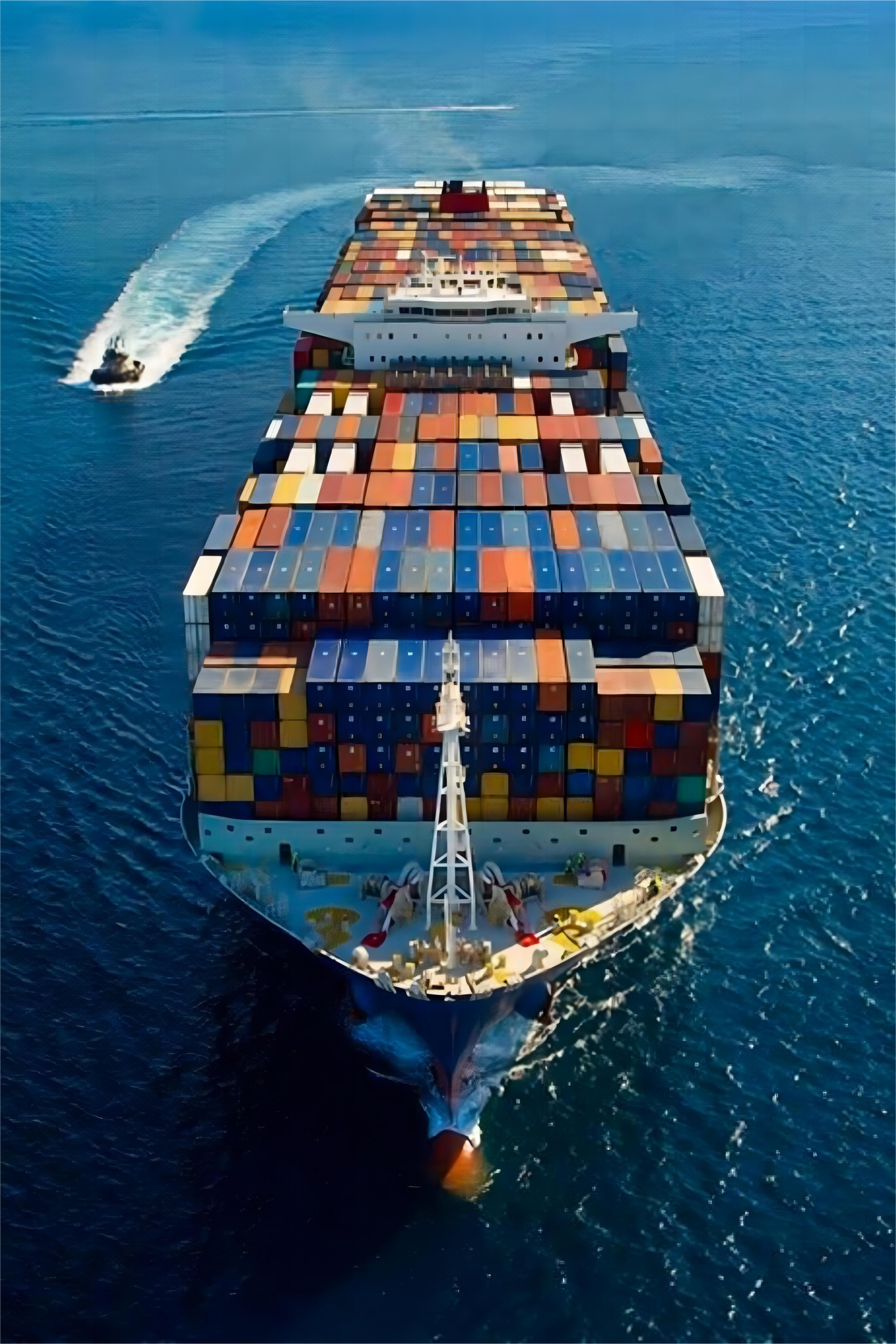
❖Sea freight remains the backbone of global trade due to its cost-effectiveness for large volumes of goods. While it offers the lowest price per unit, it also requires the longest transit times compared to air or rail alternatives. For example, shipping a standard 40HQ container from Shanghai to Los Angeles might take 18 days, whereas air freight would take less than a week.
Choosing the right method depends heavily on your inventory turnover requirements and product value. High-value electronics often justify the higher expense of air transport to reduce the risk of damage and capital tie-up. On the other hand, bulky items like furniture or machinery are almost always better suited for sea freight solutions where volume is the primary cost driver.
Hybrid strategies have gained popularity in 2026 as businesses seek to mitigate risks and manage costs. Sea-air combinations or rail-sea routes can provide a middle ground in terms of both pricing and delivery speed. Consequently, analyzing all available modes during your shipping cost inquiry is the best way to optimize your logistics strategy for the current year.
| Shipping Method | Cost Range | Transit Time | Best For |
|---|---|---|---|
| Sea Freight (FCL) | $1,500 – $4,500 | 14 – 40 Days | Large bulk shipments |
| Air Freight | $4.50 – $9.00/kg | 3 – 7 Days | High-value goods |
| Rail Freight | $1,200 – $2,800 | 15 – 22 Days | China to Europe routes |
| Express Service | $8.00 – $15.00/kg | 2 – 5 Days | Small parcels/samples |

Evaluating Air Freight for Time-Sensitive Cargo
❖Speed is often the most critical factor for businesses handling seasonal products or urgent replacement parts. Utilizing air freight ensures that your goods reach their destination in the shortest possible timeframe. Indeed, the reduced transit time can lead to lower insurance premiums and less warehouse storage costs at the destination.
Pricing for air transport is calculated based on either actual weight or volumetric weight, whichever is higher. This means that lightweight but bulky items can be surprisingly expensive to ship by plane. Moreover, airport-to-airport services require additional ground transportation and handling, which should be factored into your total landed cost analysis.
Current trends in 2026 indicate that sustainable aviation fuels and more efficient aircraft are slowly influencing the industry. While these factors may lead to slight price fluctuations, the reliability of air schedules remains a major advantage for modern supply chains. Accordingly, many e-commerce sellers prioritize this method to maintain high customer satisfaction levels through fast delivery.
The Strategic Advantage of Rail Freight in 2026
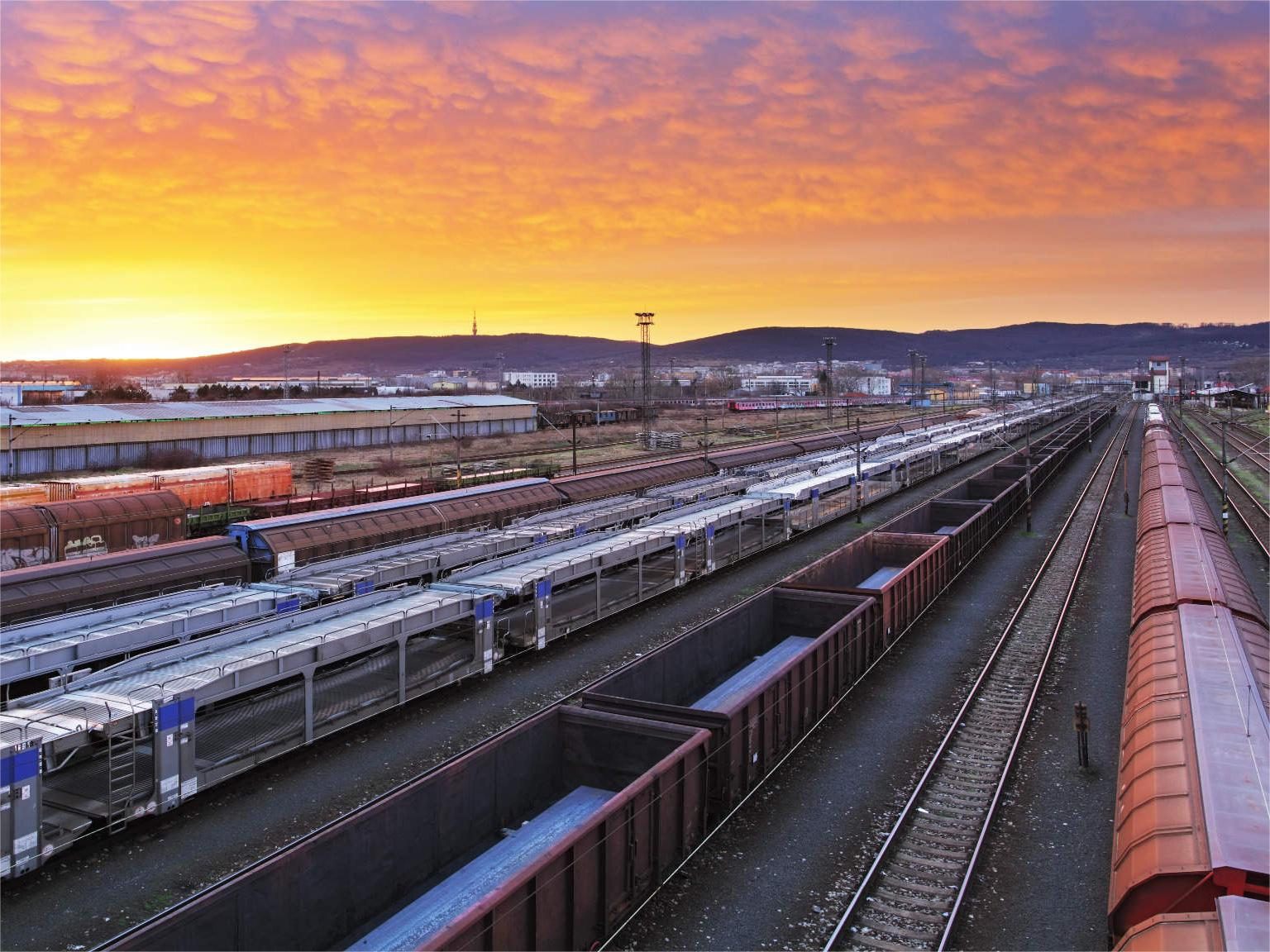
❖Rail transport has emerged as a powerful alternative for shipments moving from China to European markets. It offers a significant speed advantage over ocean transport while remaining much cheaper than traditional air cargo. For instance, the China-Europe Railway Express has stabilized its schedules, providing a reliable 18-day transit to major hubs like Warsaw or Hamburg.
Integrating rail freight into your logistics mix can help balance your budget during peak shipping seasons. During times of high ocean freight demand, rail often provides a more predictable pricing structure and less exposure to port strikes. Additionally, rail is considered a more environmentally friendly option compared to air transport, which aligns with many corporate sustainability goals.
Security and cargo safety are also high on the list of benefits for rail users. Containers are monitored closely throughout the journey across Central Asia and Europe. Without a doubt, this method has become a staple for automotive parts, industrial equipment, and consumer electronics destined for the EU market in 2026.
Navigating Customs Brokerage and Compliance Requirements
❖Failing to manage documentation correctly can lead to expensive delays and fines at the border. Professional customs brokerage services are essential for navigating the complex web of import duties and regulations. In 2026, many countries have implemented stricter data reporting requirements for international shipments.
Incorrect classification of goods using Harmonized System (HS) codes is a common mistake that leads to overpayment of taxes. A skilled broker ensures that your items are categorized accurately to take advantage of any applicable trade agreements. Furthermore, they handle the communication with customs authorities, allowing you to focus on your core business operations.
Digital customs clearance has become the standard, requiring precise electronic manifests and commercial invoices. Consequently, ensuring your supplier provides clear and accurate paperwork is a critical part of the logistics process. In contrast, manual errors in documentation are the leading cause of cargo being held at the port of discharge.
Why Choose Door to Door Services for Your Inquiry?
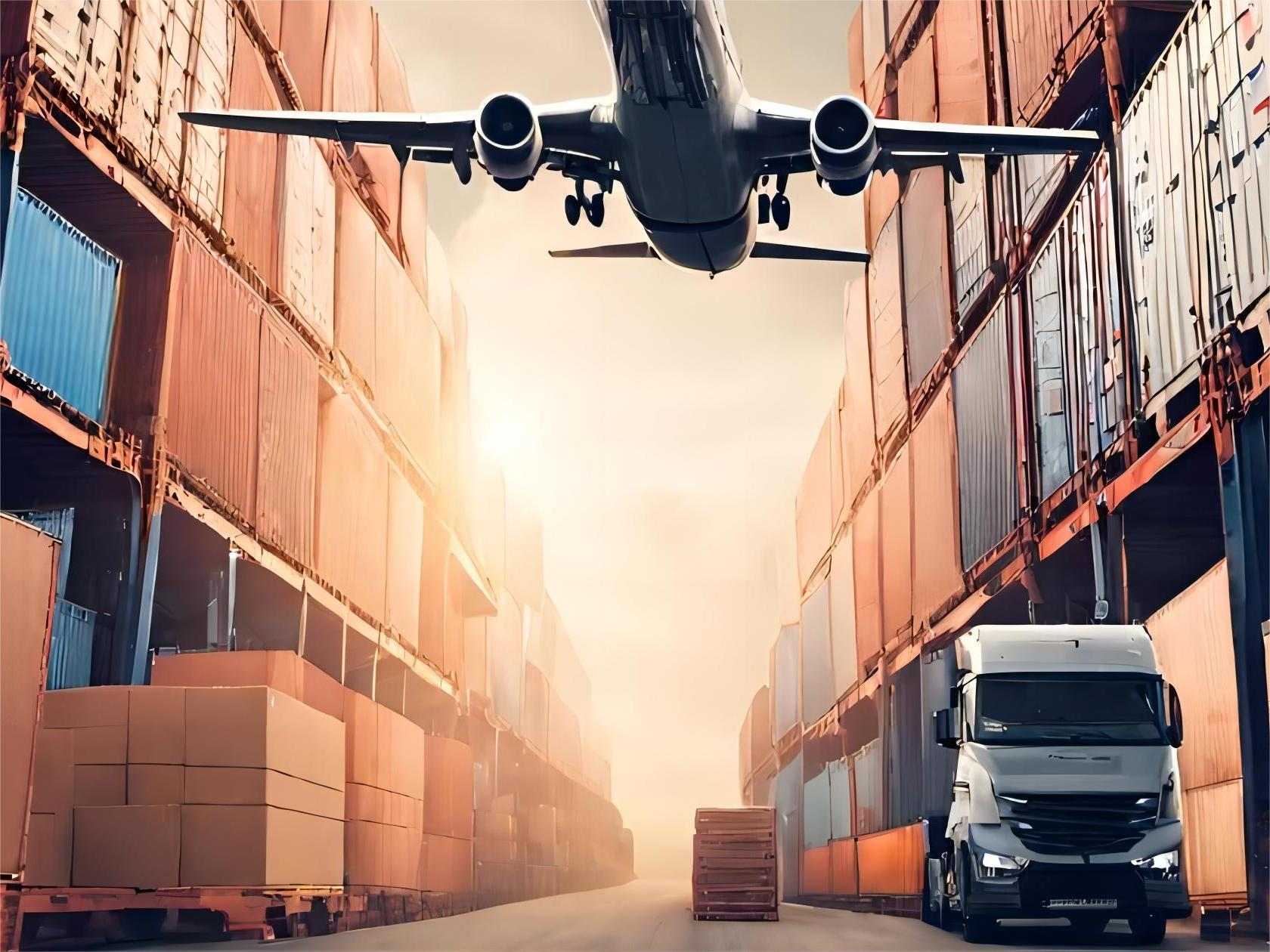
❖Managing multiple logistics providers can be a logistical nightmare for small and medium-sized enterprises. Opting for door to door delivery simplifies the entire process by providing a single point of contact. This comprehensive service covers everything from factory pickup in China to final delivery at your warehouse or office.
Total transparency is the primary benefit of this all-inclusive shipping model. You receive one final price that includes ocean freight, local trucking, customs clearance, and delivery fees. Meanwhile, you can track your shipment through a single portal, reducing the administrative burden on your team.
Efficiency gains from streamlined handling often outweigh the slightly higher service fee associated with door-to-door logistics. By eliminating the need for you to coordinate with separate truckers and brokers, you reduce the risk of communication gaps. Therefore, this service is highly recommended for those who want a hassle-free experience when importing from China.
Real-World Case Studies for 2026 Shipping Scenarios
❖Examining actual shipping data provides a clearer picture of what to expect in the current market. These examples illustrate how different variables like cargo type and route choice impact the final landed cost. Note that these rates are based on Q1 2026 market averages and are subject to change.
Case Study 1: Electronics from Shenzhen to New York Route: Shenzhen, China to New York, USA Cargo: Consumer Electronics, 5 CBM, 1200 kg Container: LCL Service Shipping Details: – Carrier: Major Ocean Carrier – Port of Loading: Shenzhen – Port of Discharge: New York – Route Type: Direct via Panama Canal Cost Breakdown: – Ocean Freight: $1,150 – Origin Charges: $250 – Destination Charges: $450 – Customs & Duties: $1,200 – Total Landed Cost: $3,050 Timeline: – Booking to Loading: 4 days – Sea Transit: 32 days – Customs Clearance: 3 days – Total Door-to-Door: 42 days Key Insight: Using LCL was 40% cheaper than air freight for this mid-sized volume.
Case Study 2: Industrial Parts from Ningbo to Hamburg Route: Ningbo, China to Hamburg, Germany Cargo: Machinery Parts, 28 CBM, 18000 kg Container: 20GP Full Container Shipping Details: – Carrier: COSCO – Port of Loading: Ningbo – Port of Discharge: Hamburg – Route Type: Direct Cost Breakdown: – Ocean Freight: $2,100 – Origin Charges: $320 – Destination Charges: $550 – Customs & Duties: $800 – Total Landed Cost: $3,770 Timeline: – Booking to Loading: 6 days – Sea Transit: 34 days – Customs Clearance: 2 days – Total Door-to-Door: 45 days Key Insight: FCL provided better security and lower per-unit cost for this heavy machinery shipment.
Which Option Should You Choose? A Decision Framework
❖Determining the best shipping method requires a careful analysis of your priorities and constraints. If your primary goal is to minimize costs and your lead times are flexible, sea freight is the undisputed winner. However, if you are launching a new product and need to hit a specific marketing window, the speed of air freight justifies the investment.
Volume thresholds often dictate the switch between different shipping modes. For shipments smaller than 1 CBM, express services are usually the most economical and fastest choice. For shipments between 1 and 15 CBM, LCL sea freight is typically preferred, while anything above 15 CBM starts making a Full Container Load (FCL) more attractive.
Geographic considerations also play a role, especially for landlocked regions or specific trade corridors. Rail freight is an excellent middle-ground for Eurasian trade, offering a balance that neither sea nor air can match. In addition, consider the nature of your goods; perishable or hazardous materials have specific requirements that may limit your choices.
Final Thoughts on Shipping from China
Securing an accurate china logistics freight quote online shipping cost inquiry is the foundation of a successful international business. By understanding the differences between sea, air, and rail freight, you can make informed decisions that protect your bottom line. Moreover, working with an experienced logistics partner ensures that you stay compliant with 2026 regulations and avoid costly delays.
Remember that the cheapest quote is not always the best value if it results in missed deadlines or poor communication. Focus on reliability, transparency, and comprehensive service levels when evaluating your logistics options. With the right strategy and data, you can navigate the global shipping landscape with confidence and efficiency.

Ready to streamline your logistics?
Ready to streamline your supply chain and reduce expenses? Contact our expert team today for a comprehensive china logistics freight quote online shipping cost inquiry tailored to your specific needs. Visit Global China Freight to get started and secure your 2026 shipping rates now.
Request Quote