

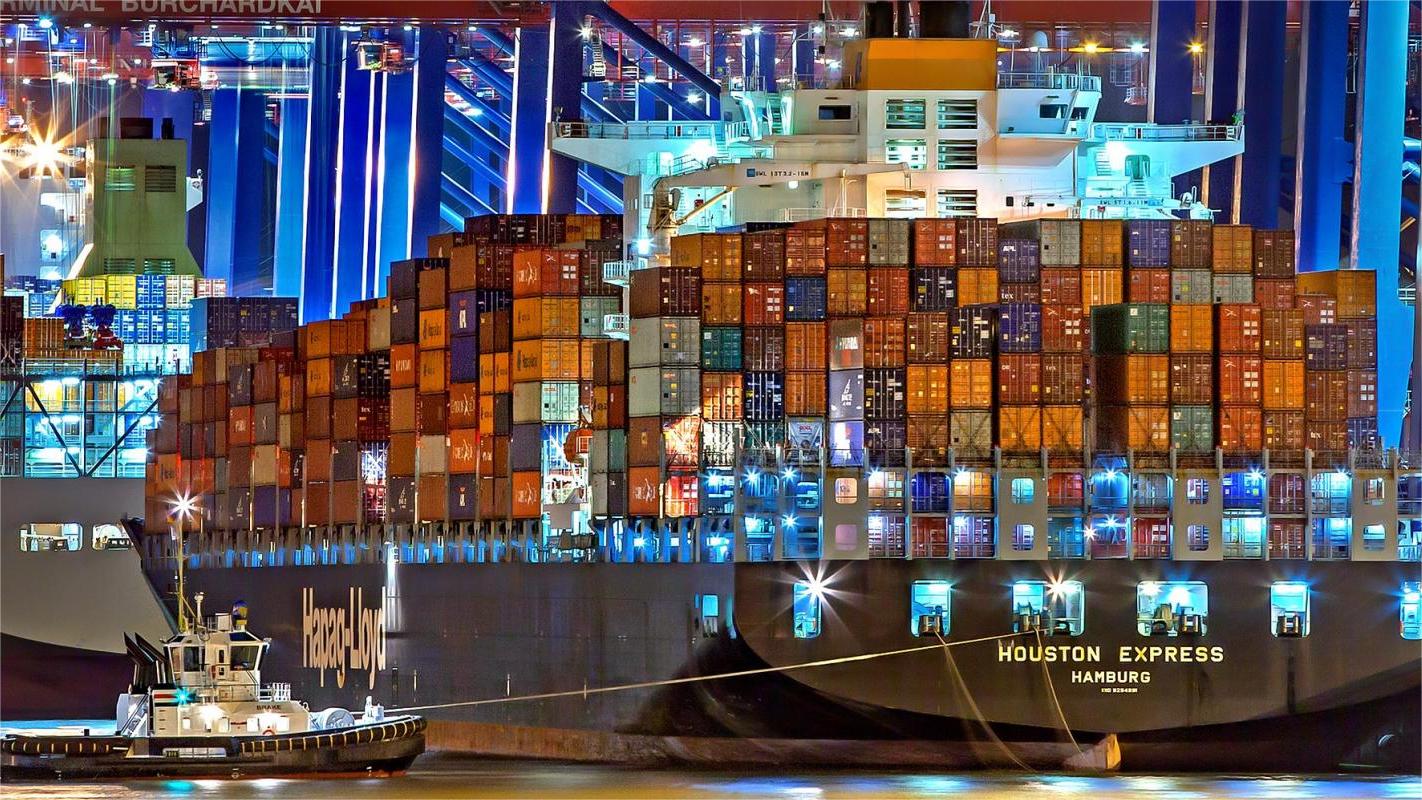
China Freight Company Minimizing Supply Chain Risks in 2026
Navigating global logistics requires a strategic partner to ensure your goods arrive on schedule. Organizations looking for a reliable China freight company can find comprehensive solutions at Global China Freight. Effective risk management is essential for businesses trying to stabilize their import operations in an unpredictable market. By partnering with experts, you can significantly reduce transit delays and unexpected costs.
How a China Freight Company Minimizing Supply Chain Risks Operates
Professional logistics providers use advanced tracking and predictive analytics to mitigate potential disruptions. These companies monitor weather patterns, port congestion, and geopolitical shifts to adjust routes proactively. Consequently, your cargo remains secure and moves efficiently through the global supply chain.
Additionally, choosing the right service, such as sea freight, allows for better planning of large-volume shipments. Strategic planning ensures that your inventory levels remain consistent despite fluctuating market conditions.
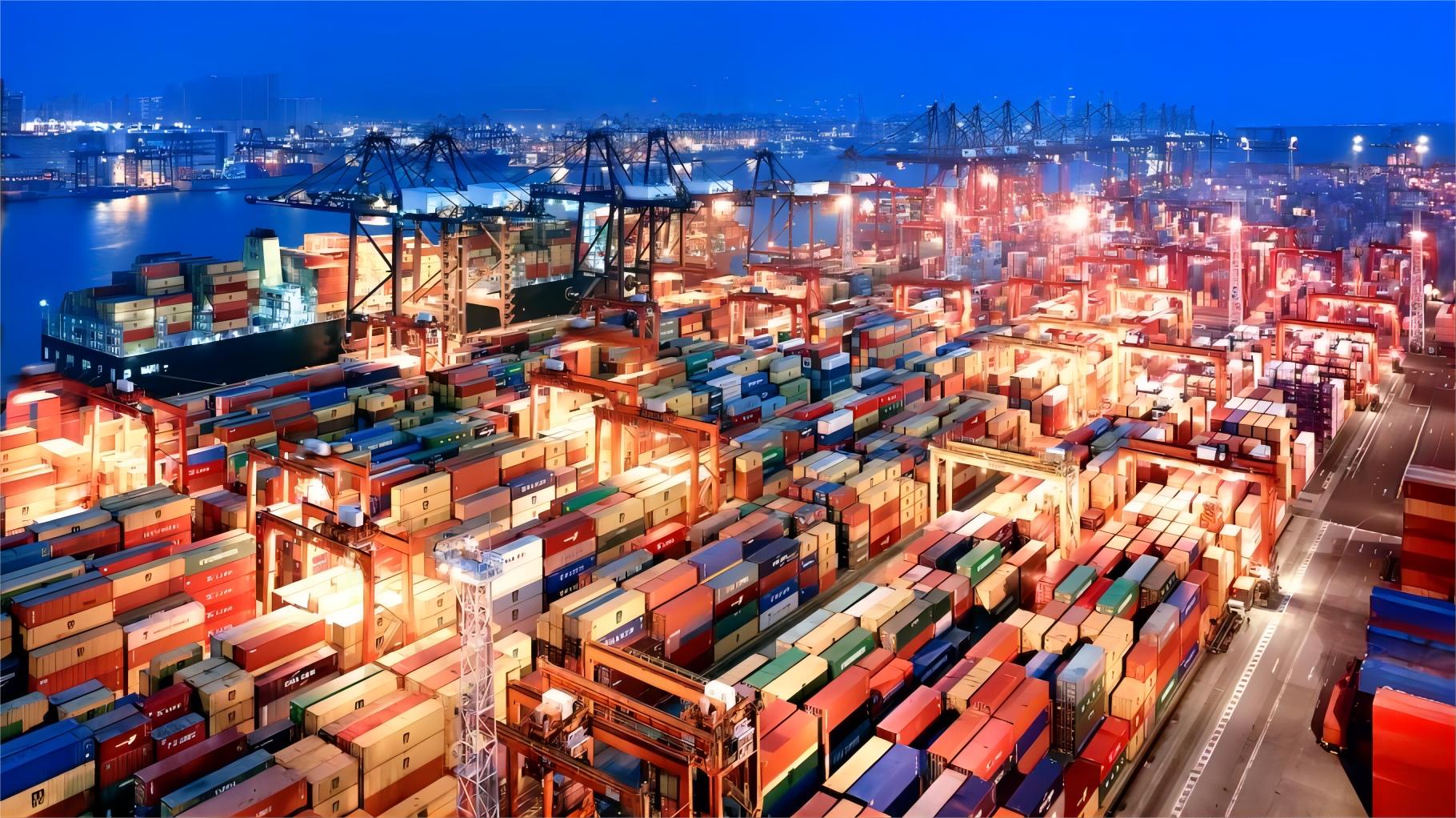
Strategic Advantages of Professional Logistics Partners
Expert freight forwarders offer specialized services that streamline the import process. For instance, utilizing customs brokerage services prevents legal hurdles and document errors. This precision reduces the likelihood of cargo seizures or expensive storage fees at the port.
Furthermore, businesses targeting specific regions should leverage specialized expertise. Whether shipping to North America or other major markets, local knowledge is critical. Professional teams also provide door to door delivery to minimize handling risks during transit.
How Does Freight Method Compare to Other Shipping Options?
Selecting the appropriate shipping method depends on your specific budget and timeline requirements. Air freight is faster but significantly more expensive, while rail or sea options offer cost-effective alternatives for bulk goods. As of early 2026, many companies are diversifying their methods to maintain supply chain resilience.
For example, air freight is ideal for urgent, high-value items, whereas rail freight serves as an excellent middle-ground for Eurasian routes. Consider the following comparison to guide your logistics strategy.
| Method | Cost | Transit Time | Best Case |
|---|---|---|---|
| Air | High | 3-7 Days | Urgent/High Value |
| Sea | Low | 25-40 Days | Bulk/FCL |
| Rail | Moderate | 15-20 Days | Europe Routes |

Case Studies in Risk Mitigation
Case Study 1: Electronics from Shenzhen to Los Angeles. Cargo: 10 CBM, LCL. Shipping Method: Ocean Freight. Total Cost: $2,800. Transit Time: 22 days. Insight: By consolidating cargo, the client avoided peak season surcharges.
Case Study 2: Automotive Parts from Shanghai to Hamburg. Cargo: 40HQ Container. Shipping Method: Rail Freight. Total Cost: $4,500. Transit Time: 18 days. Insight: Rail transport provided a critical speed boost during ocean port congestion in Q1 2026.
Securing Your Future Logistics
To summarize, proactive risk management is the cornerstone of successful international trade in 2026. Partnering with a professional China freight company minimizing supply chain risks ensures your business remains competitive and agile. By utilizing diverse shipping methods and expert customs support, you can overcome common industry challenges with ease.
Indeed, the right logistics partner turns potential obstacles into operational advantages. Take the next step toward a more reliable supply chain by evaluating your current shipping processes today.
Need a tailored shipping solution?
Are you ready to optimize your logistics? Contact us today to receive a customized quote and start working with a premier China freight company minimizing supply chain risks for your business. Send Inquiry: https://globalchinafreight.com/contact-us/
Frequently Asked Questions
What is the most effective way to reduce shipping costs?
How can I avoid customs clearance delays?
Why is transit time fluctuating in 2026?
Should I choose air or sea freight for my business?
What are the common risks in international shipping?
How does a freight forwarder assist with risk?